Skip to the content
4 layers44.5 × 44.5 mmQUT Autopilot Pixracer, the printed circuit board in 3D

QUT Autopilot Pixracer

Heckus/QUT-OpenFCU

The primary objective is to create an alternative to the difficult-to-source off-the-shelf Pixhawk 6. This work builds upon a edited pixracer version produced by KAI (Wesley) in 2022.

Size
44.5 × 44.5 mm
Copper layers
4
Thickness
0.62 mm
Parts
145
Nets
151
Pads
570
Tracks, vias
2,092, 190
Pours
24
Routed
Yes
KiCad
KiCad 9.0 (file 20241229)
Created
13 Mar 2026
Updated
16 Mar 2026

Overview

QUT Autopilot Pixracer is an open-source printed circuit board by Heckus, from the Heckus/QUT-OpenFCU repository on GitHub. It is a 4-layer board of 44.5 × 44.5 mm with 145 parts on 151 nets, routed with 2,092 tracks and 190 vias.

It is built around the STM32F427VIT6, MS561101BA03-50 and PJS008-2120-0, with the LP5907QMFX-3.3Q1, 74LVC1G86SE-7-76 and FM25V02A-GTR among its other parts. Its parts include 53 resistors, 46 capacitors, 14 connectors, 13 ICs and 7 diodes. It belongs with the STM32 boards of this library.

Main components

12

README

README.md

QUT Open Source Autopilot Hardware (QUTOpenFCU)

🏛️ University Property & Acknowledgement

This project and its contents have been supported by the Queensland University of Technology (QUT). It was developed as an in-house hardware solution for UAV units at QUT. QUT acknowledges the Turrbal and Yugara, as the First Nations owners of the lands where QUT now stands.

Project Overview

This project involves refactoring, building, programming, and testing an open-source flight module design to serve as a replacement for current hardware. The design stems from the pixracer design, produced by Nick Arsov and Phillip Kocmoud and architected by Lorenz Meier, David Sidrane and Leonard Hall. (https://docs.px4.io/v1.12/en/flight_controller/pixracer.html)

The primary objective is to create an alternative to the difficult-to-source off-the-shelf Pixhawk 6. This work builds upon a edited pixracer version produced by KAI (Wesley) in 2022.

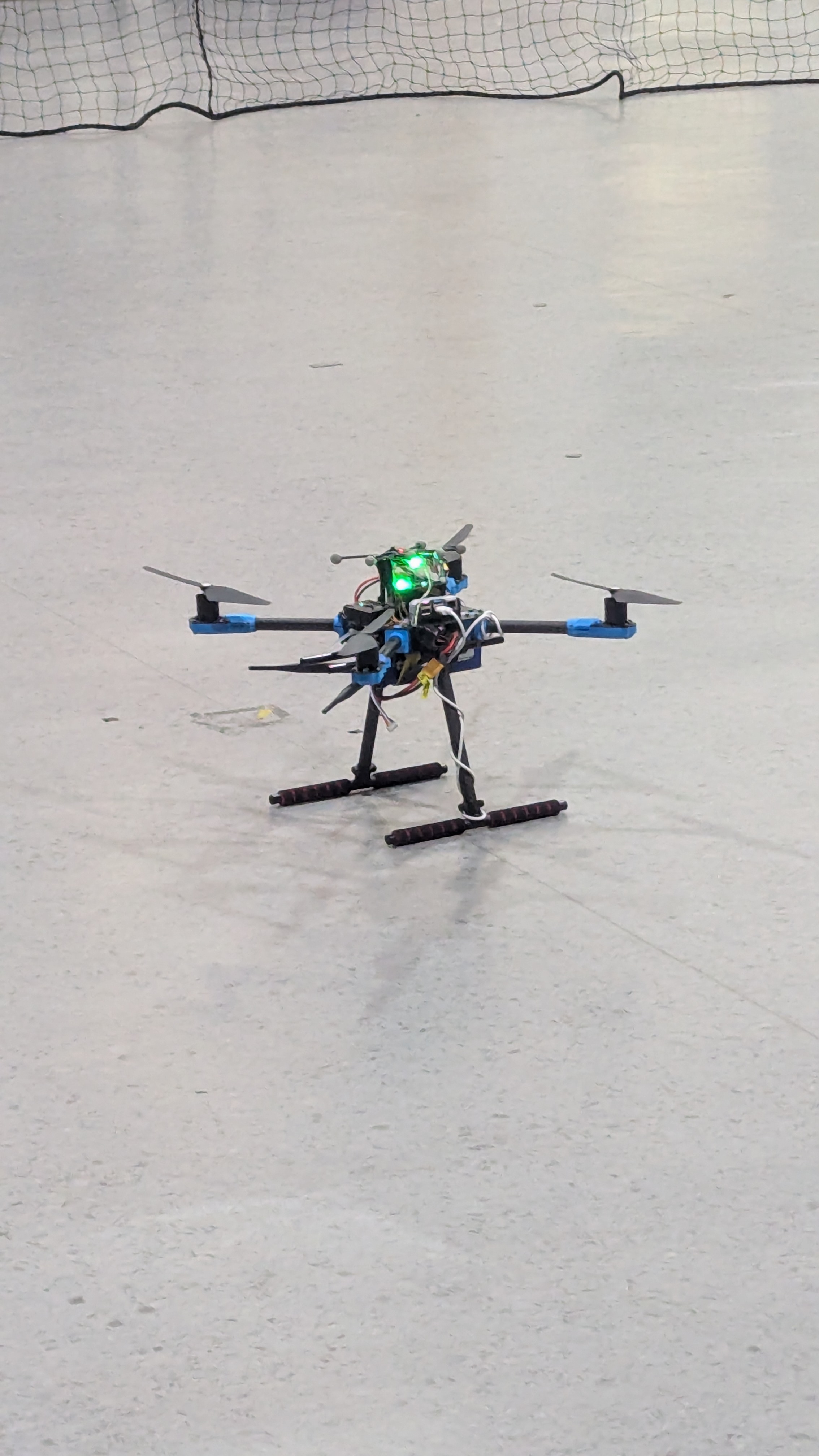
The final demonstrator capabilities include:

  • Loading open-source firmware with customizations.
  • Connecting to QGroundControl.
  • Basic operations for manned flight on a simple airframe.
  • Autonomous flight via ros2 and internal positioning system

Hardware Specifications & Modifications

The core design is based on the AUAV Pixracer, which is the FMUv4 generation of Pixhawk autopilots.

  • Main System-on-Chip: STM32F427VIT6 rev.3 CPU (180 MHz ARM Cortex® M4).
  • v2 Sensor Suite: Invensense ICM-42688-p (Accel / Gyro), Invensense ICM-20608-G (Accel / Gyro), MS561101BA03-50 (Barometer), and LIS3MDLTR (Mag).
  • v2 Board Modifications: The design includes small placement changes to the SD card, C, and R components. It also introduces new interfaces, including a Reset Button and a BOOT0 Button.

Firmware

  • The PX4 firmware is loaded onto the STM chip using DFU.
  • Small modifications were required for drivers and SPI chip select pins.
  • Mavlink 8266 firmware was utilized for the external WiFi ESP-01 module.
  • Custom firmware was also designed to test sensor communication, using the onboard LED to display different colors for different communication failures.

Current Issues & Future Work (v3 Development)

Known Board Issues (v2)

  • The D4 label is missing from the board.
  • The labels are too small to read.
  • There is no thermal relief on the ground pads, and the board name is out of date.
  • The USB data lines are not the same length.
  • One of the accelerometer sensors needs to be rotated 90 degrees.
  • A breakout for serial debugging output needs to be added.
  • The SD card footprint should be reversed for better access.
  • The STM chip is not connected to 3.3v.
  • Offboarding mode errors on QGroundControl

Future Work

  • Fixing the outlined issues and setting up external production.
  • Designing an outer case with proper sensor specs, including barometer foam protection and chip vibration isolation techniques.
  • Validating external component connections, PX4 firmware, and QGroundControl configurations.
  • Considering turning the design into a Pi header with required isolation.

📸 Project Showcase

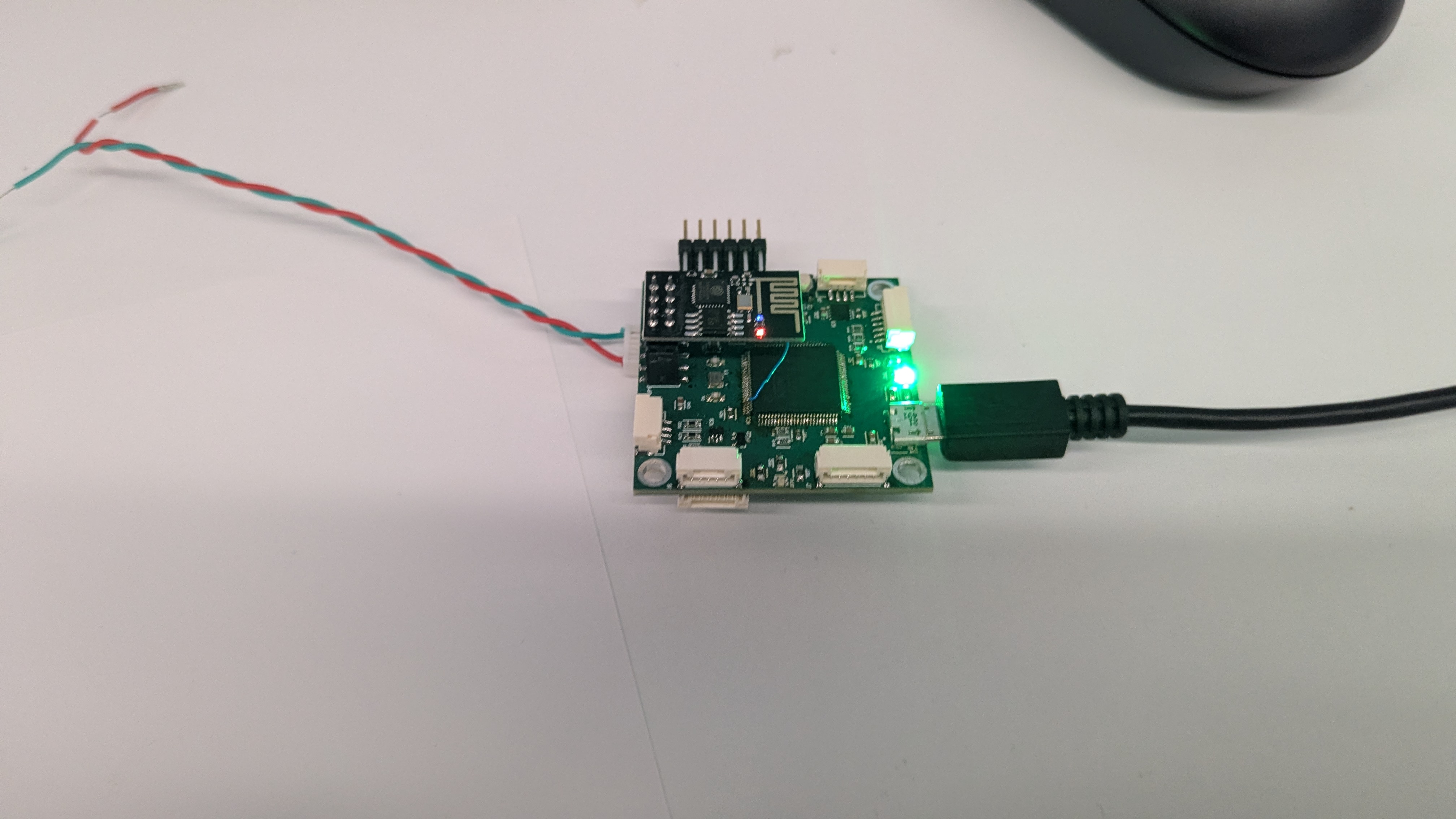
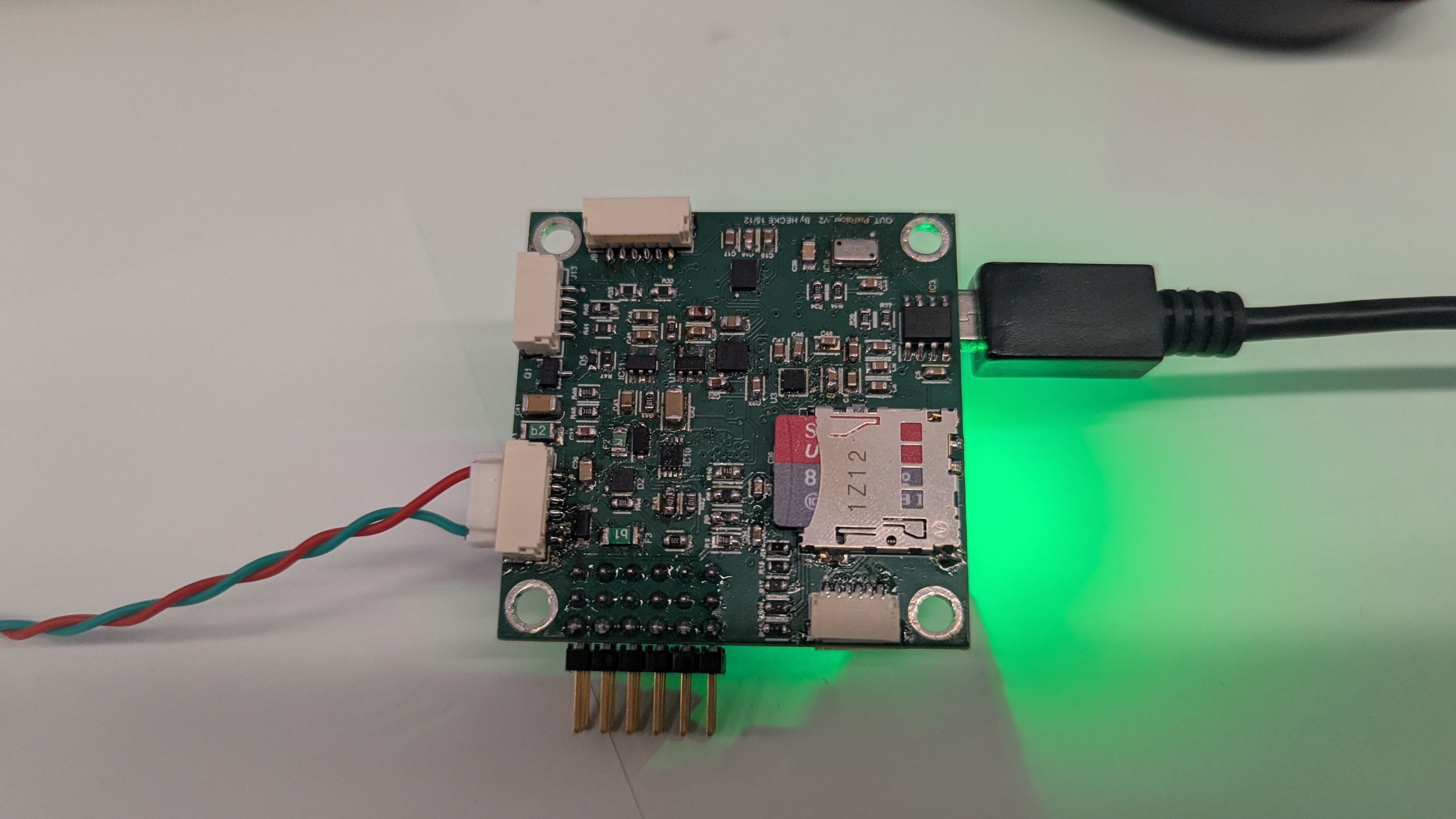
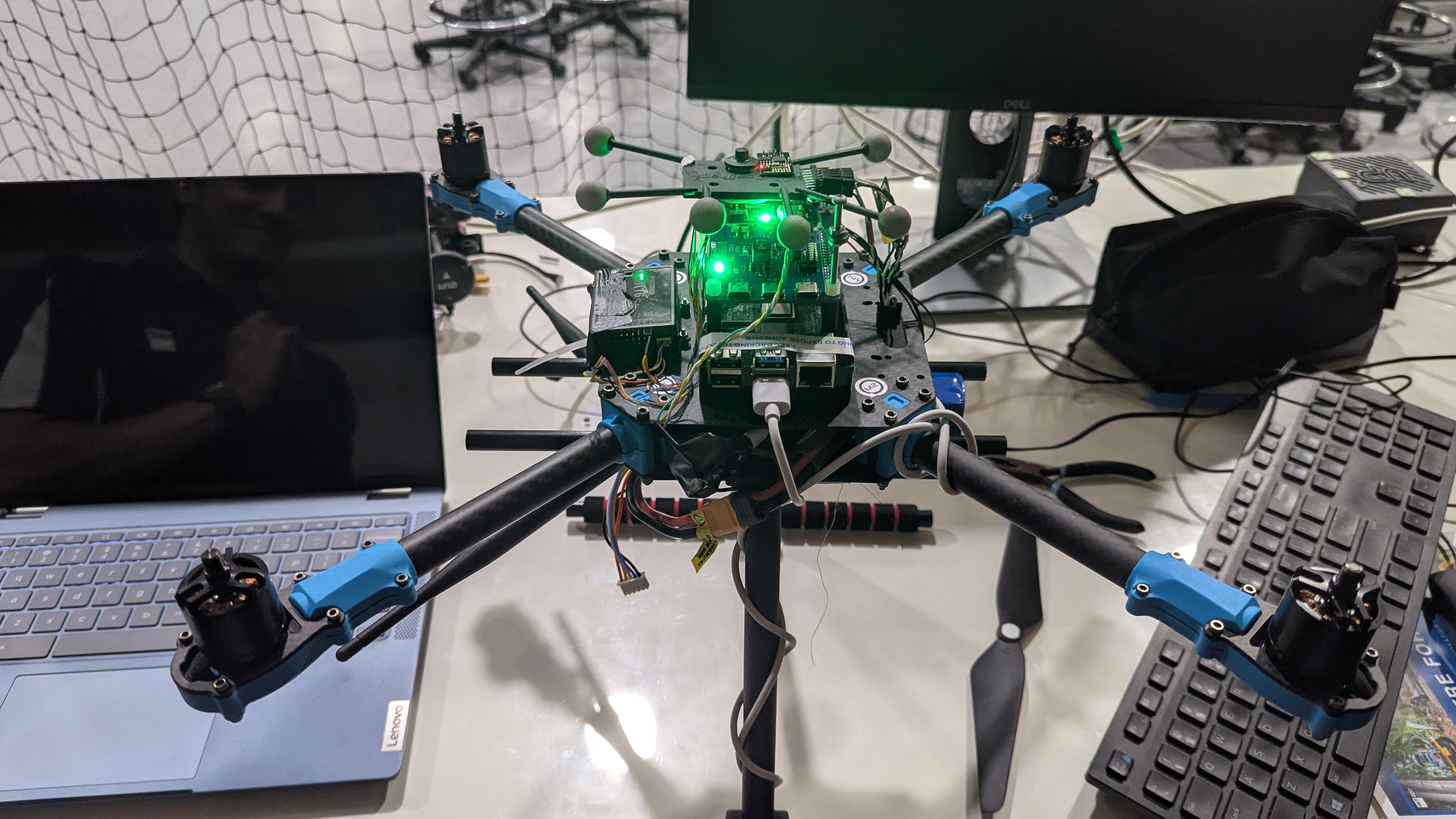
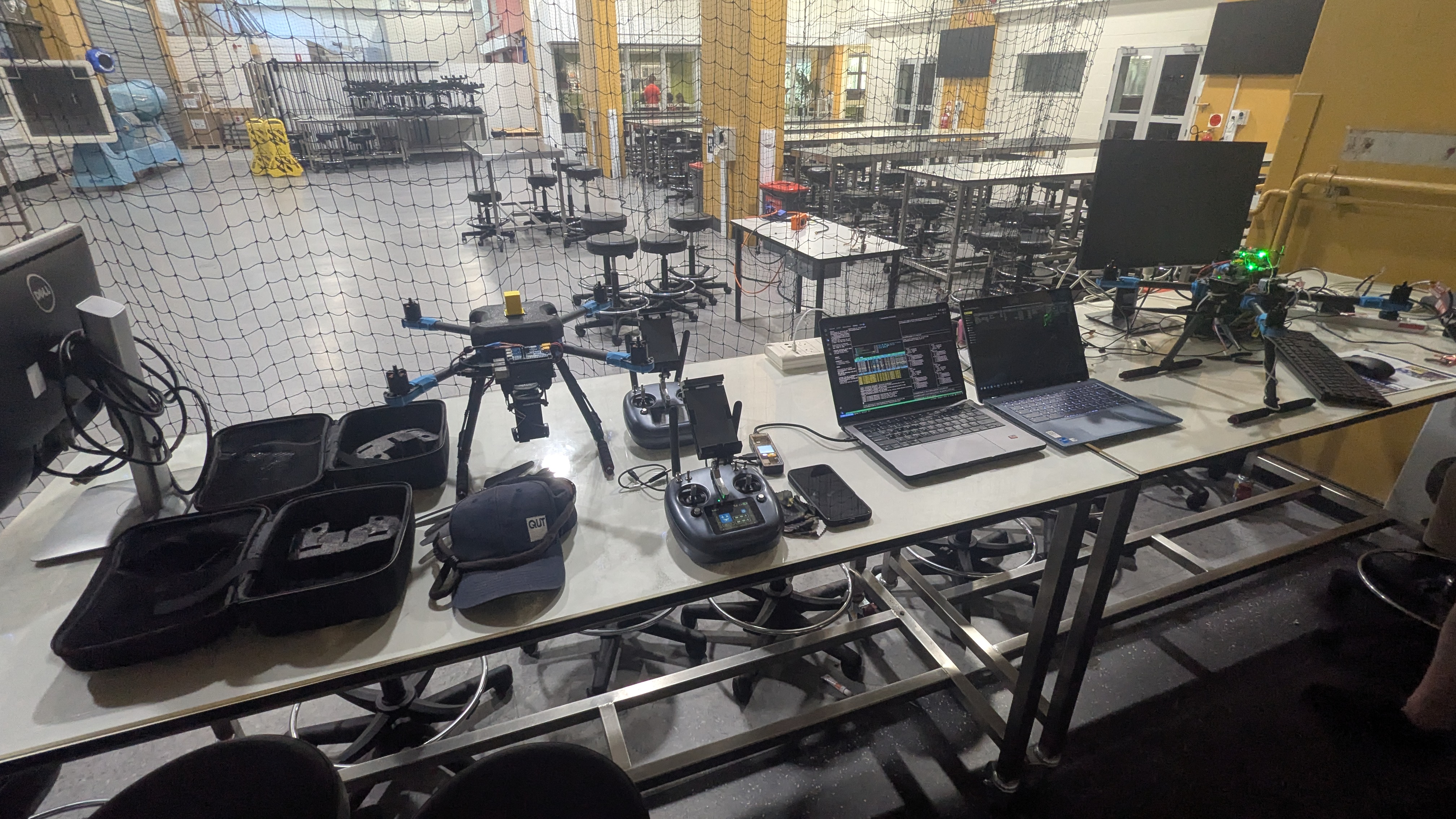
Operation videos and development images can be found inside the Showcase folder

  • Photo 1
  • Photo 2
  • Photo 3
  • Photo 4
  • Photo 5

Author Credentials

Name: Joshua Hecke Student ID: n11585382 Role: Project Developer

Joshua Hecke

📄 License Disclaimer

The base AUAV Pixracer is an open hardware design licensed under the Creative Commons Attribution-ShareAlike 3.0 Unported (CC BY-SA 3.0) license.

Parts

145
QtyValueFootprintReferences
19CRCW0603220RFKEBVault:FP-CRCW0603-e3-MFGR3, R20, R24, R25, R26, R27, R28, R29, R30, R31, R34, R35, R36, R37, R38, R39 +3
180603ZC104MAT2AVault:FP-0603-L_1_6_0_15-W_0_81-IPC_BC2, C5, C6, C10, C11, C18, C19, C21, C23, C25, C28, C32, C35, C45, C46, C48 +2
14C1608X7R1A225K080ACVault:FP-C1608-080-0_1-MFGC1, C7, C12, C13, C14, C17, C20, C22, C27, C36, C37, C38, C40, C47
9ERJ-3GEYJ103VVault:FP-ERJ3G-IPC_CR1, R2, R12, R13, R21, R42, R48, R49, R53
5RC1608J102CSVault:FP-RC1608-IPC_AR4, R8, R9, R22, R23
5RMCF0603JT100KVault:FP-RMCF0603-IPC_CR14, R15, R16, R17, R18
4, , ,
4SM06B-GHS-TB(LF)(SN)Vault:FP-SM06B-GHS-TB_LF_SN-MFGJ3, J7, J8, J9
3CL10A106KP8NNNDVault:FP-CL10-IPC_BC15, C29, C43
3CRCW0603100RFKEBVault:FP-CRCW0603-e3-IPC_AR50, R51, R52
3Header 6Miscellaneous Connectors:HDR1X6J10, J11, J12
20ZCJ0100FF2ESamacSys:FUSC3216X100NF1, F3
2C1608X5R1H103K080AAVault:FP-C1608-080-0_1-MFGC33, C34
2C3216X5R1A107M160ACVault:FP-C3216-160-0_3-IPC_CC41, C42
2CGA3E2C0G1H080D080AAVault:FP-CGA3E-0_3-0_1-IPC_AC3, C4
2CPF0603B1K5E1Vault:FP-CPF0603-MFGR32, R33
2CRCW06031M00JNEAHPVault:FP-CRCW0603-HPe3-IPC_AR10, R11
2CRCW060322R0JNEAHPVault:FP-CRCW0603-HPe3-IPC_AR6, R7
2LP5907QMFX-3.3Q1Vault:FP-DBV0005A-MFGU1, U2
2SM04B-GHS-TB_LF__SN_SamacSys:SM04B-GHS-TBJ5, J14
2SM05B-GHS-TB(LF)(SN)Vault:FP-SM05B-GHS-TB_LF_SN-MFGJ6, J13
2W2H13C1048AT1FSamacSys:W2H13C1048AT1AC26, C39
10ZCK0035FF2GSamacSys:FUSC2214X75NF2
11N4448X-TPSamacSys:1N4448XTPD5
1473460001Vault:FP-473460001-MFGJ2
174LVC1G86SE-7SamacSys:SOT65P210X110-5NIC9
174LVC2G86DC,125SamacSys:SOP50P310X100-8NIC10
1AP7365-33WG-7SamacSys:SOT95P285X130-5NIC11
1APG1608ZGCKSamacSys:LEDC1608X28NLED1
1BAS70-02V-V-G-08Vault:FP-S8-V-3880_02-001-MFGD1
1BSS223PW H6327Vault:INF-PG-SOT-323_NQ2
1CC0603KRX5R5BB106Vault:FP-CC0603-0_15-0_95-IPC_BC44
1CL10B474KP8NNNCVault:FP-CL10-IPC_BC24
1CRCW060336R0JNEAVault:FP-CRCW0603-e3-IPC_BR41
1CRCW0603470RJNEAVault:FP-CRCW0603-e3-IPC_AR43
1DNPVault:FP-CRCW0603-e3-MFGR5
1FA-20H_24.0000MF20X-K3SamacSys:FA20H160000MF12ZAC3Y1
1FM25V02A-GTRSamacSys:SOIC127P602X173-8NIC3
1GRM31CR60G227ME11LVault:FP-GRM31C-0_3-e0_3_0_9-IPC_CC16
1ICM-20602Vault:INSE-I62-16IC5
1ICM-42688-PLibrary:ICM-42688-PU4
1LIS3MDLTRVault:FP-VFLGA-12-8365767-MFGU3
1LTST-C19HE1WTVault:FP-LTST-C19HE1WT-MFGLED2
1MCP131T-300E/TTVault:SOT-23-TT3_NIC2
1MCR03EZPFX1501Vault:FP-MCR03-IPC_AR40
1MCT06030D1200BP100Vault:FP-MCT0603-MFGR19
1MMSZ5232BT1GVault:ONSC-SOD-123-2-425-04_VD3
1MS561101BA03-50Vault:MSI-MS561101BA03-50-8_VIC6
1PJS008-2120-0SamacSys:PJS00821200J4
1PMEG1030EH,115SamacSys:SODFL3516X120ND4
1PMEG2020CPA,115SamacSys:PMEG2020CPA115D2
1RT0603BRD0710RLVault:FP-RT0603-MFGR47
1SM06B-SRSS-TB(LF)(SN)Vault:JST-SM06B-SRSS-TB_VJ1
1SSM-105-L-DVVault:SMTC-SSM-105-X-DVJP1
1STM32F427VIT6Vault:STM-LQFP100_NIC1
1TJA1051TK_3,118SamacSys:SON65P300X300X100-9N-DIC8
1XP151A12A2MR-GSamacSys:SOT95P280X130-3NQ1

The 144 most common of 145 parts.

More from Heckus/QUT-OpenFCU

1
  • 2 layers71.5 × 46 mmQUT AutoPilot SensorTest board, the printed circuit board in 3D

    QUT AutoPilot SensorTest board

    Heckus/QUT-OpenFCU

    The primary objective is to create an alternative to the difficult-to-source off-the-shelf Pixhawk 6. This work builds upon a edited pixracer version produced by KAI (Wesley) in 2022.

    40 parts

Similar boards

  • 2 layers139 × 45 mmSoil Power Sensor, the printed circuit board in 3D

    Soil Power Sensor

    jlab-sensing/ENTS-node-hardware

    Schematics and design for soil MFC voltage and current sensing

    72 parts
  • 4 layers65 × 75 mmMicroduck Power Regen R22, the printed circuit board in 3D

    Microduck Power Regen R22

    ldcyes/OpenDuck

    已完成可编辑原理图、真实四层 PCB 和本地库。阶梯板面积 4510 mm²,比原 65×60 + 32×30 mm 两板总面积 4860 mm² 少 350 mm²(7.20%)。原 TDK 模块本体、四个安装孔和原 TDK 器件位置保留,回生电容采用原料号卧装,J1 因实际拔插通道冲突改为同系列 BM08 顶插。当前为工程候选,未制造,未完成热、回生瞬态、低电量或行走验收。

    84 parts
  • 2 layers80 × 99.8 mmOcelot vA4, the printed circuit board in 3D

    Ocelot vA4

    turboedge/SpeedyBoards

    EMS boards powered by Speeduino

    207 parts110GPL-2.0
  • 2 layers182 × 105 mmPocketComputerUniversalInterface, the printed circuit board in 3D

    PocketComputerUniversalInterface

    N1UGK/PCUI_Public

    Collection of Programs and Utilities for the Pocket Computer Universal Interface

    161 parts15
  • 4 layers40 × 55 mmCopterCat cm4, the printed circuit board in 3D

    CopterCat cm4

    matveylapin/CopterCat_cm4

    Полётный контроллер для стандарта FMU-v6u. Обычно на дронах для программирования устанавливают полётный контроллер, одноплатный компьютер и иногда arduino.

    164 parts3Apache-2.0
  • 2 layers95.5 × 61 mmPrecharge, the printed circuit board in 3D

    Precharge

    sebgothard/FS_Electronics

    Projects for Formula Student UK competition 2024-25.

    44 parts2GPL-3.0
  • 2 layers42 × 54 mmClick counter Q5, the printed circuit board in 3D

    Click counter Q5

    dudgeon/count-fidget

    A lightweight, rechargeable two-key fidget that counts clicks, resets with a second key, and remembers its count while asleep or unpowered. Designed for a home-printed enclosure and professionally assembled electronics.

    96 parts
  • 2 layers154 × 91 mmRetroLink, the printed circuit board in 3D

    RetroLink

    N1UGK/RetroLink_Public

    RetroLink connects a standard POTS (Plain Old Telephone Service) analog telephone to the Internet over Wi-Fi, allowing peer-to-peer calling between devices and retro telephony interfacing.

    95 parts

Questions

How big is the QUT Autopilot Pixracer PCB?

It measures 44.5 × 44.5 mm and has 4 copper layers, 0.62 mm thick.

What parts does the QUT Autopilot Pixracer use?

145 parts, built around the STM32F427VIT6, MS561101BA03-50, PJS008-2120-0 and LP5907QMFX-3.3Q1. The full list of its parts is on this page, with links to each part's symbol and footprint where PCBKit's library has them.

Where can I download the QUT Autopilot Pixracer KiCad files?

From the Heckus/QUT-OpenFCU repository on GitHub, at the commit this page was made from: the board is Designfiles/v2/QUT_Autopilot_Kicad_Schematic_broken/QUT_Autopilot_Pixracer.kicad_pcb and its schematic Designfiles/v1/QUT_Autopilot_Altium_Schematic/QUT_Autopilot_Pixracer.kicad_sch_IMU.kicad_sch. PCBKit opens the board in the browser, with nothing to install.

Can I use the QUT Autopilot Pixracer design in my own project?

Its repository states no licence, so its author keeps all rights: ask Heckus before reusing the design.