8 layers120 × 90 mm
Atlas brain
AtlasAutoware/carv2
Atlas Autoware car v2: drive board (ESC, BMS, USB-C charging), Jetson carrier, printed kit
366 parts

 AtlasAutoware/carv2
Atlas Autoware car v2: drive board (ESC, BMS, USB-C charging), Jetson carrier, printed kit
Atlas drive is an open-source printed circuit board by AtlasAutoware, from the AtlasAutoware/carv2 repository on GitHub. It is a 6-layer board of 140 × 90 mm with 409 parts on 319 nets, routed with 3,998 tracks and 1,034 vias.
It is built around the TS3USB30EDGSR-TP, 24AA02T-I/OT and CSD18510Q5B, with the BVR-Z-R0002-1.0, 2N7002K and EEH-ZU1V331P among its other parts. Its parts include 148 resistors, 135 capacitors, 29 transistors, 6 diodes and 3 ICs. It belongs with the robots and motor control boards of this library.


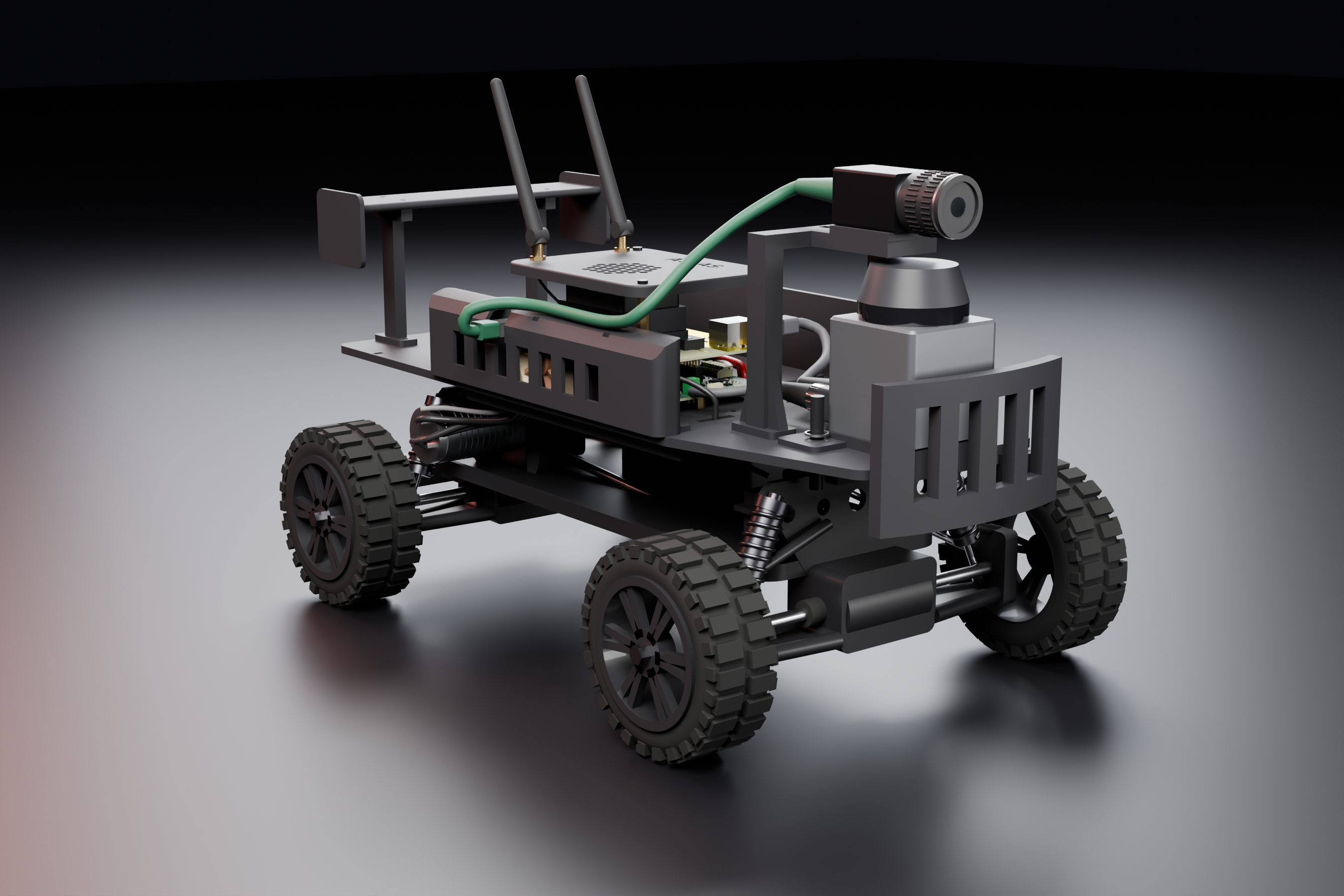
The second Atlas Autoware car: a Traxxas Slash 4x4 with a Holmes Hobbies Puller Pro 540 motor, a SICK TiM561 lidar and a LUCID Triton camera, rebuilt so that almost nothing is wired by hand. Two custom circuit boards stack on a carbon-fibre-printed deck:
Day to day the car needs one USB-C cable: a 65 W laptop charger charges it, and a laptop on the same port reaches the Jetson, the ESC and the serial console.
| folder | what |
|---|---|
docs/ | ARCHITECTURE.md (the whole design and why), SOFTWARE.md (what runs on the boards), FLASHING.md (programming the assembled boards), TPS25751_CONFIG.md (USB-C charger settings), PACK_BUILD.md (building the 18650 pack), MEASURE_FIRST.md (chassis numbers to check before printing), COMPLETE_CAR.md (the parts that finish the car), WIRING.md (every cable run and its length) |
boards/drive/, boards/brain/ | the two boards: design.py is the circuit, layout.py the placement and hand-drawn copper, and the KiCad schematics and layouts are generated from them |
boards/stack/ | the pin map of the connector between the two boards, used by both |
boards/tools/ | the scripts that build, route and check the boards |
boards/*/out/fab/ | Gerbers, drill files, pick-and-place and BOM for ordering |
firmware/vesc/ | the VESC hardware target for the drive board, build.sh, and a prebuilt image in prebuilt/ |
software/jetson/ | the atlas command, services and settings for the Jetson (system/install.sh), with tests |
software/ros2/ | atlas_power: battery, E-stop, charging and lidar power in ROS 2 |
mech/ | the printed kit: kit.py (deck, pods, mounts, pack box) and extras.py (stack canopy, bench stand, plugs and cable paths), the STL/STEP files, renders and its own README |
sim/ | circuit and thermal checks run on the finished schematics, with their own README |
bom/ | the parts list with prices and the cost summary |
share/ | pictures for posting; car_scene.py and render_car.py render the whole car |
From bom/cost_summary.md (prices from September 2026):
| USD | |
|---|---|
| Drive board: 5 boards, 1 of them assembled | 525.70 |
| Brain board: 5 boards, 1 of them assembled | 563.90 |
| 18650 pack materials | 134.20 |
| Camera lens | 144.00 |
| Charger, cable, fan, thermal pad, hardware, antennas | 124.35 |
| New purchases | 1,492.15 |
| Jetson dev kit and NVMe (already on the purchase list) | 459.00 |
| Car 2 total | 1,951.15 |
| If needed: M12 camera cable ($30), spot welder ($304.51) | up to 2,285.66 |
The carbon-fibre filament and the aluminium heat spreader (SendCutSend credit) are not in these numbers because the team already has them.
On 27 September 2026 the design is finished and nothing has been ordered. Later that day the whole car went into
one model, with every plug and cable. That found two things that could not have been assembled as drawn, now
fixed, and added a canopy over the boards with the Wi-Fi antennas and a bench stand (docs/COMPLETE_CAR.md).
boards/tools/check_stack.py).sim/README.md).What to check before ordering, and the layout choices that are not obvious from the schematics,
are at the end of docs/ARCHITECTURE.md.
boards/tools/run_kicad.sh runs every step (schematic, board,
routing export and import, DRC, renders, fabrication files).
boards/tools/run_kicad.sh drc-drive fab-drive checks the finished drive board and writes its
fabrication files. Careful with pcb-drive: it builds the board again from the placement,
without the routing. The routing itself was done with Freerouting 1.9 and finished with
boards/tools/mazeroute.py.pip install cadquery ezdxf matplotlib, then python3 mech/kit.py and python3 mech/extras.py.python3 share/car_scene.py, then python3 share/render_car.py -- car_front_left car_exploded
with Blender 4.2's bpy module (Python 3.11, pip install bpy==4.2.0) and the board models from
run_kicad.sh glb-drive glb-brain.sim/run_all.sh.firmware/vesc/build.sh (clones VESC 6.06, adds the two target files, builds; needs
arm-none-eabi-gcc). A build of the committed sources is in firmware/vesc/prebuilt/.sudo software/jetson/system/install.sh on the car; tests with
cd software/jetson && python3 -m pytest tests (needs pytest).The brain board is derived from Antmicro's Jetson Orin Baseboard (Apache-2.0); its schematic and
board keep Antmicro's notices, and boards/brain/vendor/antmicro/fetch.sh downloads the original. The VESC
hardware target is derived from the VESC firmware (GPL-3.0), so those two files are GPL-3.0.
| Qty | Value | Footprint | References |
|---|---|---|---|
| 31 | 100n | Capacitor_SMD:C_0402_1005Metric | C207, C304, C403, C406, C506, C530, C531, C532, C601, C602, C603, C604, C610, C1001, C1002, C1004 +15 |
| 26 | 10k | Resistor_SMD:R_0402_1005Metric | R207, R306, R405, R408, R501, R502, R503, R531, R534, R601, R602, R612, R622, R625, R1001, R1002 +10 |
| 25 | CSD18510Q5B | Package_TO_SOT_SMD:TDSON-8-1 | Q201, Q202, Q203, Q204, Q205, Q206, Q207, Q208, Q302, Q303, Q304, Q305, Q306, Q502, Q503, Q504 +9 |
| 19 | 100k | Resistor_SMD:R_0402_1005Metric | R307, R308, R309, R401, R402, R404, R504, R607, R609, R611, R710, R801, R809, R901, R904, R907 +3 |
| 18 | 1k | Resistor_SMD:R_0402_1005Metric | R206, R217, R310, R311, R312, R313, R403, R409, R532, R603, R604, R617, R619, R621, R810, R1005 +2 |
| 16 | 10u 50V | Capacitor_SMD:C_1210_3225Metric | C502, C509, C510, C511, C512, C515, C516, C517, C518, C521, C522, C523, C524, C901, C902, C903 |
| 16 | 2.2 | Resistor_SMD:R_0402_1005Metric | R314, R315, R316, R317, R508, R509, R510, R511, R516, R517, R518, R519, R524, R525, R526, R527 |
| 15 | 100 | Resistor_SMD:R_0402_1005Metric | R212, R213, R302, R505, R513, R521, R533, R605, R606, R608, R610, R623, R705, R812, R906 |
| 12 | 10u 25V | Capacitor_SMD:C_0805_2012Metric | C712, C713, C715, C716, C717, C722, C723, C724, C725, C726, C727, C728 |
| 8 | M3 | MountingHole:MountingHole_3.2mm_M3_Pad_Via | H1001, H1002, H1003, H1004, H1005, H1006, H1007, H1008 |
| 7 | 100n 50V | Capacitor_SMD:C_0402_1005Metric | C303, C408, C501, C711, C714, C721, C904 |
| 6 | 10n | Capacitor_SMD:C_0402_1005Metric | C404, C508, C514, C520, C529, C607 |
| 6 | 1n | Capacitor_SMD:C_0402_1005Metric | C507, C513, C519, C616, C617, C618 |
| 5 | 1u | Capacitor_SMD:C_0603_1608Metric | C405, C412, C606, C614, C812 |
| 5 | 2.2k | Resistor_SMD:R_0402_1005Metric | R507, R515, R523, R530, R712 |
| 5 | 33 | Resistor_SMD:R_0805_2012Metric | R201, R202, R203, R204, R205 |
| 5 | 39k | Resistor_SMD:R_0402_1005Metric | R506, R514, R522, R529, R709 |
| 5 | 4.7k | Resistor_SMD:R_0402_1005Metric | R613, R614, R616, R618, R620 |
| 4 | 0.2m | Resistor_SMD:R_Shunt_Isabellenhuette_BVR4026 | R301, R512, R520, R528 |
| 4 | 10u 10V | Capacitor_SMD:C_0805_2012Metric | C413, C704, C705, C707 |
| 4 | 18p | Capacitor_SMD:C_0402_1005Metric | C611, C612, C810, C811 |
| 4 | 1u 16V | Capacitor_SMD:C_0603_1608Metric | C201, C202, C203, C204 |
| 4 | 2N7002K | Package_TO_SOT_SMD:SOT-23 | Q401, Q501, Q506, Q511 |
| 4 | 330u 35V | Capacitor_SMD:CP_Elec_10x10 | C525, C526, C527, C528 |
| 4 | 47u 16V | Capacitor_SMD:C_1210_3225Metric | C906, C907, C908, C909 |
| 3 | 1M | Resistor_SMD:R_0402_1005Metric | R211, R216, R218 |
| 3 | 1u 25V | Capacitor_SMD:C_0603_1608Metric | C205, C503, C905 |
| 3 | 2.2u | Capacitor_SMD:C_0603_1608Metric | C402, C608, C609 |
| 3 | 4.7u | Capacitor_SMD:C_0603_1608Metric | C605, C807, C814 |
| 2 | 10 | Resistor_SMD:R_0402_1005Metric | R1003, R1004 |
| 2 | 1u 50V | Capacitor_SMD:C_0805_2012Metric | C911, C913 |
| 2 | 1u 6.3V | Capacitor_SMD:C_0402_1005Metric | C206, C505 |
| 2 | 22 | Resistor_SMD:R_2512_6332Metric | R319, R320 |
| 2 | 22u 10V | Capacitor_SMD:C_0805_2012Metric | C410, C411 |
| 2 | 22u 25V | Capacitor_SMD:C_1206_3216Metric | C708, C709 |
| 2 | 390p | Capacitor_SMD:C_0402_1005Metric | C702, C703 |
| 2 | 4.7u 10V | Capacitor_SMD:C_0603_1608Metric | C706, C718 |
| 2 | 470 | Resistor_SMD:R_0402_1005Metric | R318, R805 |
| 2 | 470k | Resistor_SMD:R_0402_1005Metric | R209, R210 |
| 2 | 47k | Resistor_SMD:R_0402_1005Metric | R806, R807 |
| 2 | 47n 16V | Capacitor_SMD:C_0402_1005Metric | C719, C720 |
| 2 | GND | TestPoint:TestPoint_Pad_D1.0mm | TP1005, TP1006 |
| 2 | GREEN | LED_SMD:LED_0603_1608Metric | D403, D601 |
| 2 | RED | LED_SMD:LED_0603_1608Metric | D301, D602 |
| 2 | SMBJ20A | Diode_SMD:D_SMB | D101, D901 |
| 2 | TS3USB30E | Package_SO:MSOP-10_3x3mm_P0.5mm | U801, U802 |
| 1 | +3V3 | TestPoint:TestPoint_Pad_D1.0mm | TP1011 |
| 1 | +5V | TestPoint:TestPoint_Pad_D1.0mm | TP1010 |
| 1 | 0.5m | Resistor_SMD:R_Shunt_Isabellenhuette_BVR4026 | R214 |
| 1 | 10 | Resistor_SMD:R_0603_1608Metric | R406 |
| 1 | 100n 16V | Capacitor_SMD:C_0402_1005Metric | C409 |
| 1 | 10k B3380 | Resistor_SMD:R_0402_1005Metric | TH501 |
| 1 | 10n 50V | Capacitor_SMD:C_0402_1005Metric | C1003 |
| 1 | 12.0k | Resistor_SMD:R_0402_1005Metric | R802 |
| 1 | 120 | Resistor_SMD:R_0402_1005Metric | R615 |
| 1 | 12k | Resistor_SMD:R_0402_1005Metric | R910 |
| 1 | 15.4k | Resistor_SMD:R_0402_1005Metric | R905 |
| 1 | 15.8k | Resistor_SMD:R_0402_1005Metric | R903 |
| 1 | 16.2k | Resistor_SMD:R_0402_1005Metric | R902 |
| 1 | 17.4k | Resistor_SMD:R_0402_1005Metric | R711 |
| 1 | 1u | Inductor_SMD:L_Coilcraft_XAL5030-XXX | L701 |
| 1 | 1u 50V | Capacitor_SMD:C_0603_1608Metric | C401 |
| 1 | 2.2u 25V | Capacitor_SMD:C_0805_2012Metric | C302 |
| 1 | 220 | Resistor_SMD:R_0402_1005Metric | R624 |
| 1 | 220u 16V | Capacitor_SMD:CP_Elec_8x10 | C910 |
| 1 | 22n | Capacitor_SMD:C_0402_1005Metric | C912 |
| 1 | 22u | Inductor_SMD:L_Bourns-SRN4018 | L401 |
| 1 | 24AA02 | Package_TO_SOT_SMD:SOT-23-5 | U1002 |
| 1 | 24MHz | Crystal:Crystal_SMD_3225-4Pin_3.2x2.5mm | Y801 |
| 1 | 30.1k | Resistor_SMD:R_0402_1005Metric | R707 |
| 1 | 39.2k | Resistor_SMD:R_0402_1005Metric | R304 |
| 1 | 3V3_AON | TestPoint:TestPoint_Pad_D1.0mm | TP1012 |
| 1 | 4.02k | Resistor_SMD:R_0402_1005Metric | R303 |
| 1 | 4.53k | Resistor_SMD:R_0402_1005Metric | R215 |
| 1 | 4.7u 25V | Capacitor_SMD:C_0805_2012Metric | C701 |
| 1 | 4.7u 50V | Capacitor_SMD:C_1206_3216Metric | C407 |
| 1 | 47n 50V | Capacitor_SMD:C_0603_1608Metric | C504 |
| 1 | 5.1k | Resistor_SMD:R_0402_1005Metric | R305 |
| 1 | 5.23k | Resistor_SMD:R_0402_1005Metric | R706 |
| 1 | 54.9k | Resistor_SMD:R_0402_1005Metric | R407 |
The 338 most common of 409 parts.
AtlasAutoware/carv2
Atlas Autoware car v2: drive board (ESC, BMS, USB-C charging), Jetson carrier, printed kit


alexander-armitage/AURA-Hardware
AURA is a set of modular PCBs designed in KiCad for versatile robotics and aerospace applications — from drones and quadrupeds to rockets.

AxelMcKenna/AFX-1000
RMX-1000-inspired effects processor for macOS, AU and VST3, built on a shared C++20 engine. Standalone Daisy Seed 3 hardware with two main PCBs and a custom housing is in development.


zeodotdev/zeo-boards
ESP32-S3 development board with onboard BME280 (temperature, humidity, pressure) and LSM6DS3 (6-axis IMU) sensors. This repo contains the designs, ESP-IDF firmware, and a Python plotter for visualization.

MG-5/buck-converter-automotive
12V-to-5V buck converter for automotive purposes

kocer/direct-sampling-sdr
Direct-sampling SDR transceiver with four phase-coherent channels, and a class-A power amplifier for 1.8 to 54 MHz.

Rivercraft911/R-01_Raster_Laser_Projector
Red, blue and green lasers combine through two dichroc mirrors and bounce off a spinning polygon mirror, which each mirror facet makes one scanline.
It measures 140 × 90 mm and has 6 copper layers, 1.6 mm thick.
409 parts, built around the TS3USB30EDGSR-TP, 24AA02T-I/OT, CSD18510Q5B and BVR-Z-R0002-1.0. The full list of its parts is on this page, with links to each part's symbol and footprint where PCBKit's library has them.
From the AtlasAutoware/carv2 repository on GitHub, at the commit this page was made from: the board is boards/drive/atlas_drive.kicad_pcb and its schematic boards/brain/atlas_brain.kicad_sch. PCBKit opens the board in the browser, with nothing to install.
Its repository states no licence, so its author keeps all rights: ask AtlasAutoware before reusing the design.