2 layers25 × 50 mm
Adbuino
akuker/adbuino
Arduino-based USB keyboard and Mouse to ADB adapter. Allows USB keyboards and mice to be used with vintage Macintosh computers.
66 parts60

 akuker/adbuino60
Arduino-based USB keyboard and Mouse to ADB adapter. Allows USB keyboards and mice to be used with vintage Macintosh computers.
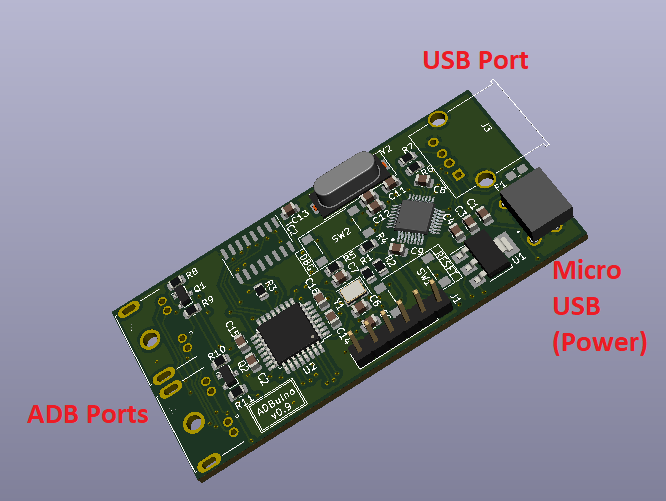
Adbuino is an open-source printed circuit board by akuker, from the akuker/adbuino repository on GitHub. It is a 2-layer board of 30.5 × 63 mm with 75 parts on 56 nets, routed with 644 tracks and 100 vias.
It is built around the ATMEGA328P-AU, 74HC4050D,653-JSM and AMS1117-3.3, with the MAX3421EEHJ+, BSS138 and U254-051N-4BH806 among its other parts. Its parts include 16 capacitors, 11 resistors, 5 connectors, 4 ICs and 2 transistors. It belongs with the retro computing and games boards and the AVR (ATmega, ATtiny) boards of this library.


"Adbuino" has a long history of different people tinkering with it. Just to provide some clarity...
Its GPL code. It belongs to the community. Do fun GPL stuff with it.
 This is a fork of Difegue's version of the adbuino, which was a modified version of bbraun's PS/2 to ADB arduino sketch, with some extra code added to alleviate issues with his own PS/2 keyboard. For Difegue's original write-up, please read more info here..
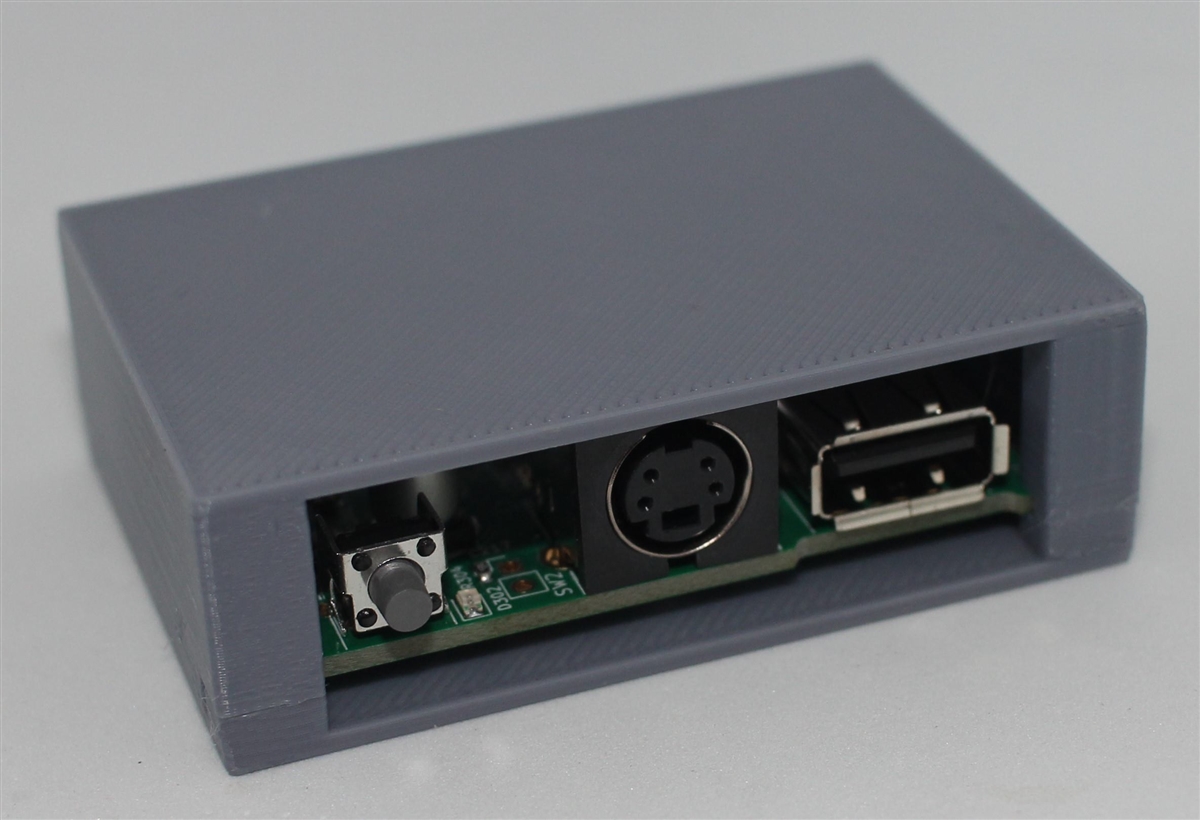 QuokkADB is a modified version of adbuino. It is targeted to the Rabbit Hole Computing's QuokkADB device. QuokkADB is a Raspberry Pi RP2040 based device that takes in USB inputs from a keyboard and/or mouse and outputs Apple's ADB (Apple Desktop Bus). Further information can be found in the QuokkADB.md file.
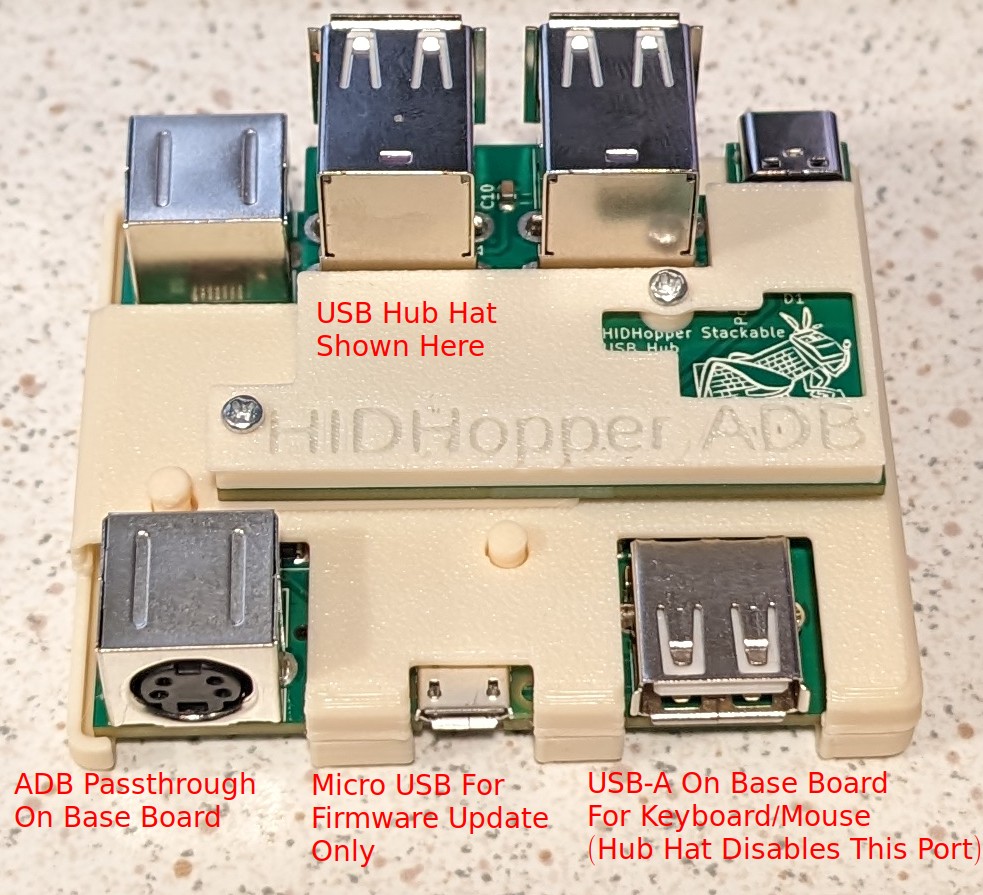 HIDHopper_ADB is a modified (forked) version of adbuino and QuokkADB. It is a Raspberry Pi Pico based hardware device which converts USB keyboard and mouse inputs to the Apple Desktop Bus (ADB) standard.
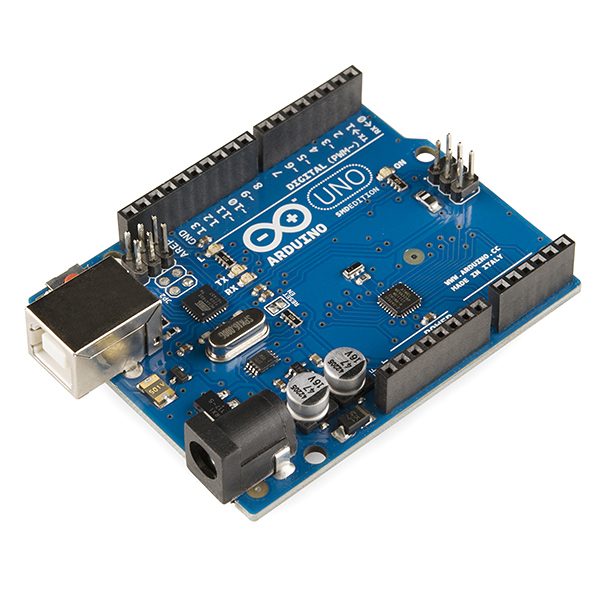
The USB ADBuino is essentially a "value-engineered" version of a bunch of off-the-shelf components.
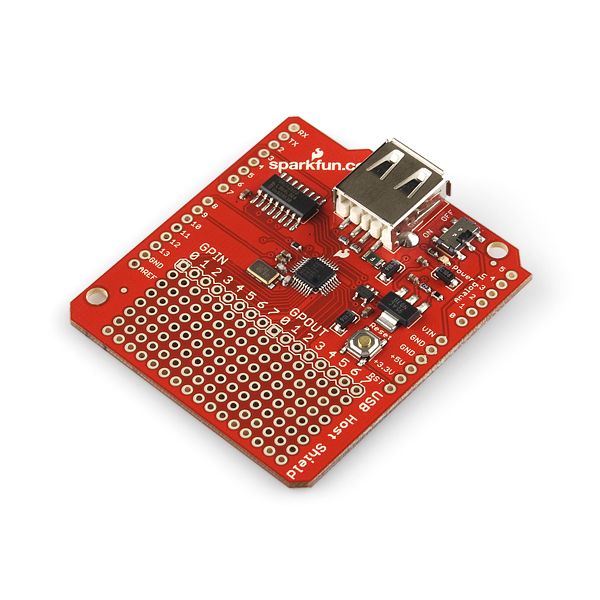
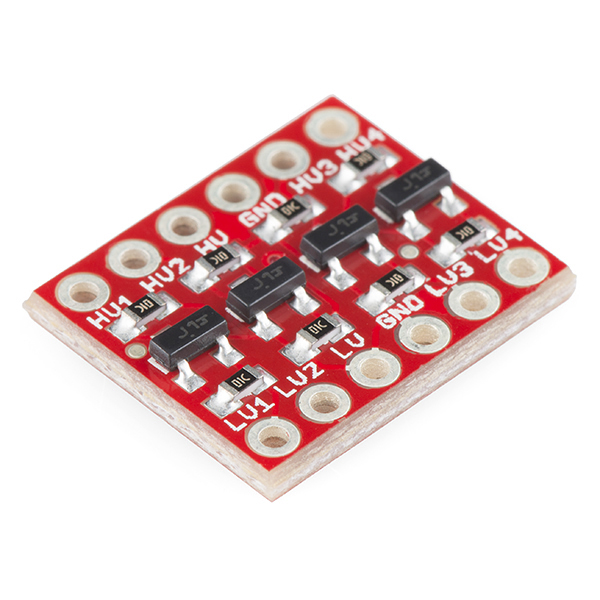
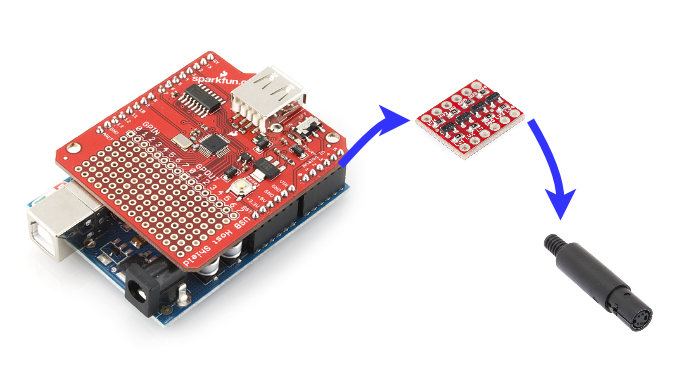
Note: This software is intended to be compiled in an Ubuntu Linux environment.
Any dependencies that are configured in the PlatformIO project (such as TinyUSB) will automatically be downloaded. Make sure you are connected to the Internet the first time you build this software.
Build project taskUpload project task to flash your deviceThe intent of this repository is to add "USB Host" support to the original ADB design. This will allow a USB keyboard and/or mouse to be used to drive an ADB host, as well as PS/2.
The BMOW "Wombat" is a closed-source alternative to adbuino. The BMOW "Wombat" is an AWESOME project, but doesn't allow external contributors.
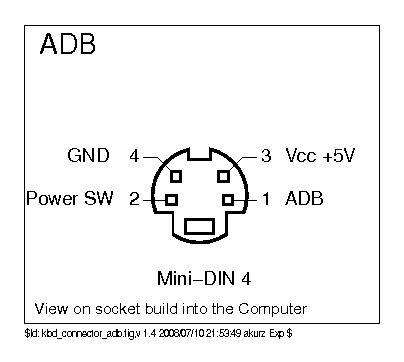
| Qty | Value | Footprint | References |
|---|---|---|---|
| 21 | TestPoint_Small | TestPoint:TestPoint_Pad_D1.0mm | TP1, TP2, TP3, TP4, TP10, TP11, TP12, TP13, TP14, TP15, TP16, TP17, TP18, TP19, TP20, TP21 +5 |
| 10 | 100n | Capacitor_SMD:C_0805_2012Metric | C2, C3, C5, C8, C9, C12, C13, C14, C15, C16 |
| 6 | SolderJumper_3_Bridged12 | Jumper:SolderJumper-3_P1.3mm_Bridged12_RoundedPad1.0x1.5mm_NumberLabels | JP1, JP2, JP8, JP9, JP10, JP11 |
| 5 | 10k | Resistor_SMD:R_0805_2012Metric | R2, R8, R9, R10, R11 |
| 5 | SolderJumper_2_Bridged | Jumper:SolderJumper-2_P1.3mm_Bridged_RoundedPad1.0x1.5mm | JP3, JP4, JP5, JP6, JP7 |
| 2 | 10u | Capacitor_SMD:C_0805_2012Metric | C1, C4 |
| 2 | 1k | Resistor_SMD:R_0805_2012Metric | R4, R5 |
| 2 | 30p | Capacitor_SMD:C_0805_2012Metric | C10, C11 |
| 2 | 33 | Resistor_SMD:R_0805_2012Metric | R6, R7 |
| 2 | 4p | Capacitor_SMD:C_0805_2012Metric | C6, C7 |
| 2 | BSS138 | Package_TO_SOT_SMD:SOT-23 | Q1, Q2 |
| 2 | Mini-DIN-4 | adbuino_v0p1:CUI_MD2-40ST | J4, J5 |
| 2 | SW_Push | Button_Switch_SMD:SW_Push_1P1T_NO_6x6mm_H9.5mm | SW1, SW2 |
| 1 | 12MHz | Crystal:Crystal_SMD_HC49-SD | Y2 |
| 1 | 16MHz | Crystal:Crystal_SMD_3225-4Pin_3.2x2.5mm | Y1 |
| 1 | 1M | Resistor_SMD:R_0805_2012Metric | R1 |
| 1 | 2.2k | Resistor_SMD:R_0805_2012Metric | R3 |
| 1 | 74HC4050D,653 | Package_SO:SOP-16_3.9x9.9mm_P1.27mm | IC2 |
| 1 | AMS1117-3.3 | Package_TO_SOT_SMD:SOT-223-3_TabPin2 | U1 |
| 1 | ATmega328P-AU | Package_QFP:TQFP-32_7x7mm_P0.8mm | U2 |
| 1 | Conn_01x06_Male | Connector_PinHeader_2.54mm:PinHeader_1x06_P2.54mm_Vertical | J1 |
| 1 | MAX3421EEHJ+ | SamacSys_Parts:QFP50P700X700X120-32N | IC1 |
| 1 | Polyfuse | Fuse:Fuse_0805_2012Metric_Castellated | F1 |
| 1 | U254-051N-4BH806 | SamacSys_Parts:U254051N4BH806 | J2 |
| 1 | USB_A | Connector_USB:USB_A_Molex_67643_Horizontal | J3 |
akuker/adbuino
Arduino-based USB keyboard and Mouse to ADB adapter. Allows USB keyboards and mice to be used with vintage Macintosh computers.

akuker/adbuino
Arduino-based USB keyboard and Mouse to ADB adapter. Allows USB keyboards and mice to be used with vintage Macintosh computers.

akuker/adbuino
Arduino-based USB keyboard and Mouse to ADB adapter. Allows USB keyboards and mice to be used with vintage Macintosh computers.

akuker/adbuino
Arduino-based USB keyboard and Mouse to ADB adapter. Allows USB keyboards and mice to be used with vintage Macintosh computers.

can-caglar/Data-Logger-STM32
The Serial Snooper is a UART data logger with automatic baud rate detection, real-time data stamping and a command-line-interface for configuration, running on an STM32F3 microcontroller.

slemanz/chronolog
STM32-based temperature data logger with RTC, NOR flash storage, LCD and Wi-Fi. Hardware and firmware.

fachat/cbm_micropet
A small, single-PCB clone of the Commodore PET with all modern parts


nucleogenic/RASCSI
Please check out the full story with much more detail on the wiki!

It measures 30.5 × 63 mm and has 2 copper layers, 1.6 mm thick.
75 parts, built around the ATMEGA328P-AU, 74HC4050D,653-JSM, AMS1117-3.3 and MAX3421EEHJ+. The full list of its parts is on this page, with links to each part's symbol and footprint where PCBKit's library has them.
From the akuker/adbuino repository on GitHub, at the commit this page was made from: the board is hw/adbuino_v0p9/adbuino.kicad_pcb and its schematic hw/adbuino_v2p0/LevelShifter.kicad_sch. PCBKit opens the board in the browser, with nothing to install.
Its repository states no licence, so its author keeps all rights: ask akuker before reusing the design.