
2 layers65 × 56.5 mm
Ltp kikad
ADDTDR/Pitanga
Prototype 0.01 | Pitanga V1 | Pitanga V2.1a :-------------------------:|:-------------------------:|:-------------------------: | |
54 parts4MIT

 ADDTDR/Pitanga4
Prototype 0.01 | Pitanga V1 | Pitanga V2.1a :-------------------------:|:-------------------------:|:-------------------------: | |
TinyNumber is an open-source printed circuit board by ADDTDR, from the ADDTDR/Pitanga repository on GitHub, published under the MIT licence. It is a 2-layer board of 65 × 30 mm with 9 parts on 35 nets.
It is built around the CAT24C256LI. Its parts include 2 resistors, 1 capacitor, 1 IC and 1 connector.
| Prototype 0.01 | Pitanga V1 | Pitanga V2.1a |
|---|---|---|
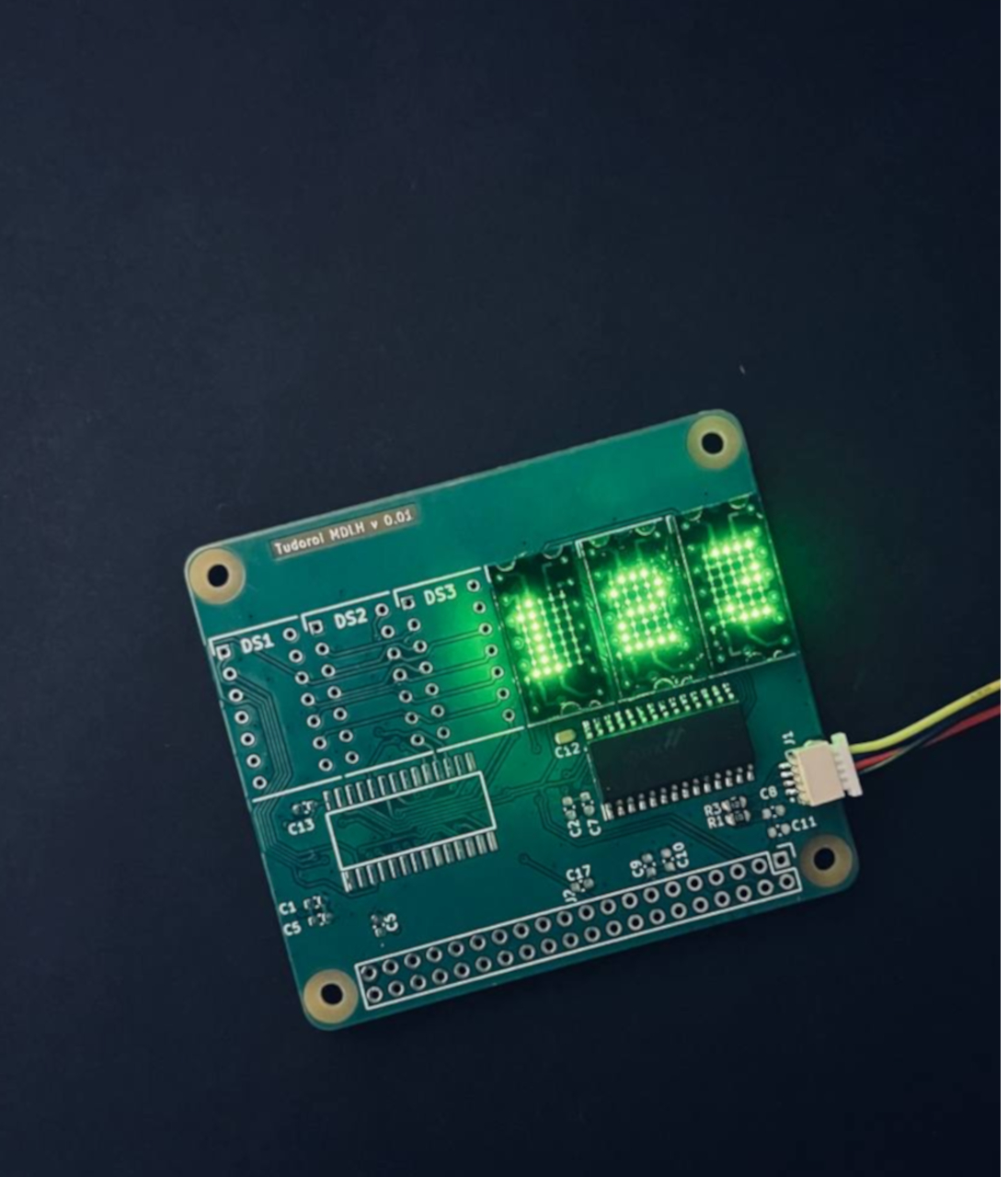 | 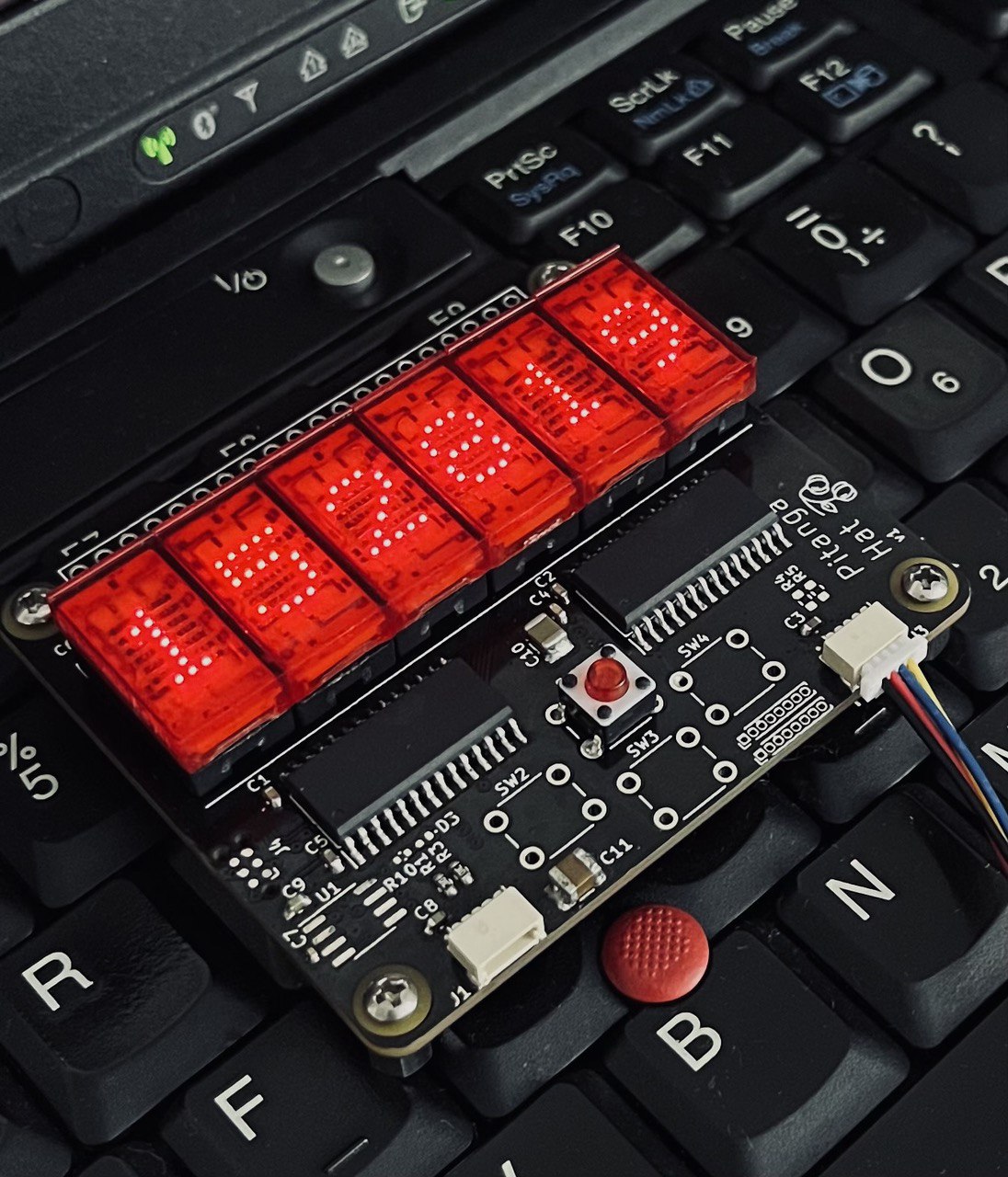 | 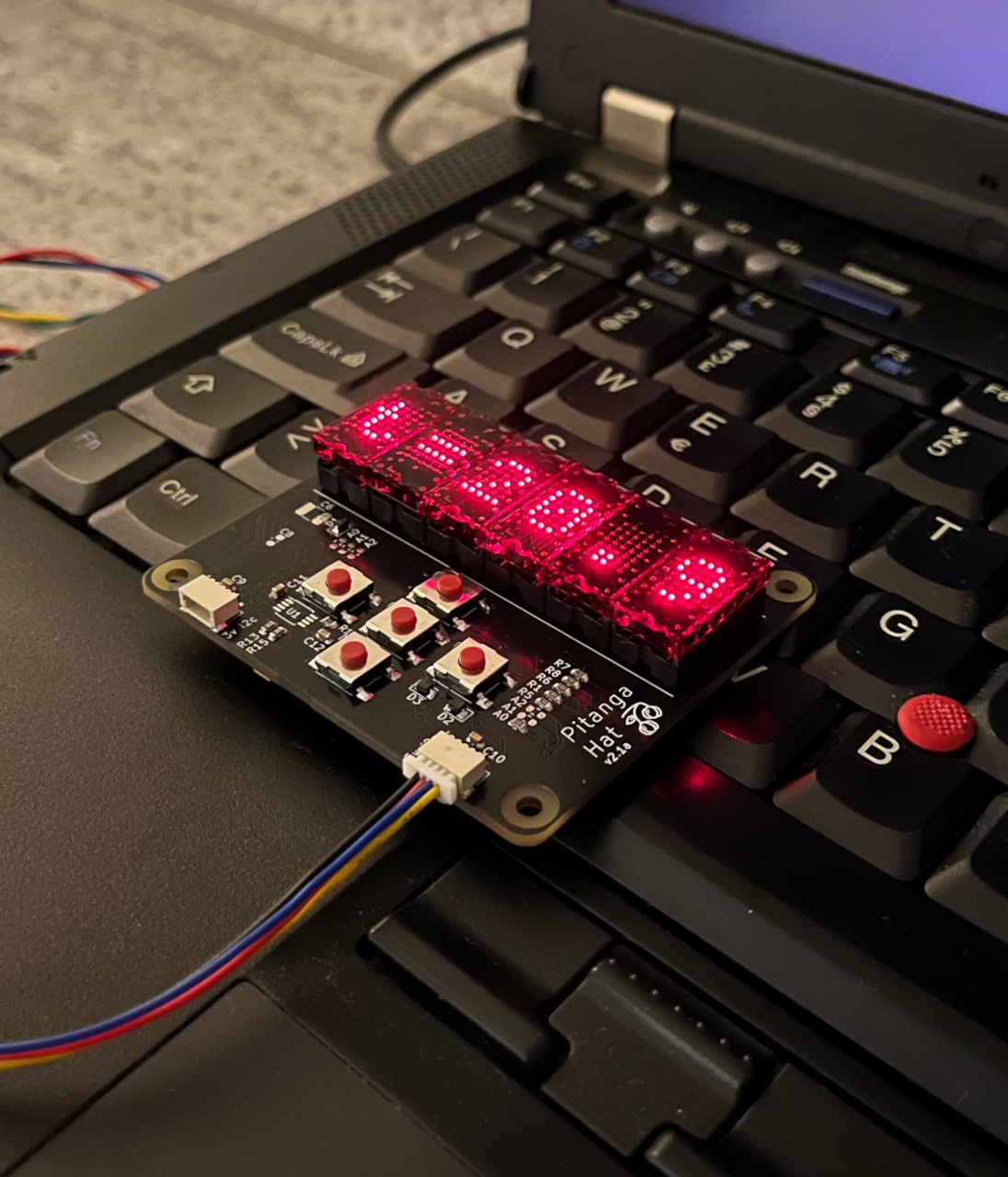 |

| Qty | Value | Footprint | References |
|---|---|---|---|
| 4 | MountingHole_2.7mm_M2.5 | MountingHole:MountingHole_2.7mm_M2.5 | MH1, MH2, MH3, MH4 |
| 2 | 3.9k | Resistor_SMD:R_0603_1608Metric | R1, R2 |
| 1 | 100n | Capacitor_SMD:C_0603_1608Metric | C1 |
| 1 | CAT24C256 | Package_SO:PowerIntegrations_SO-8 | U1 |
| 1 | GPIO | Connector_PinSocket_2.54mm:PinSocket_2x20_P2.54mm_Vertical | J1 |
ADDTDR/Pitanga
Prototype 0.01 | Pitanga V1 | Pitanga V2.1a :-------------------------:|:-------------------------:|:-------------------------: | |


eamars/RaspberryPi-Pico-Motor-Expansion-Board
A raspberry pi pico expansion board designed for OpenTrickler project

nullstalgia/NullWiiCon
AVR Firmware to convert Nintendo Extension port controllers to USB for use on Switch and PC

bmo/tuning-knob-pcboard
KiCAD PC Board design for a tuning knob that works with Flex Radio SmartSDR, PowerSDR, and RHR. Uses STM32 hardware.
It measures 65 × 30 mm and has 2 copper layers, 1.6 mm thick.
9 parts, built around the CAT24C256LI. The full list of its parts is on this page, with links to each part's symbol and footprint where PCBKit's library has them.
From the ADDTDR/Pitanga repository on GitHub, at the commit this page was made from: the board is Hardware_Kicad/TinyNumber/TinyNumber.kicad_pcb and its schematic Hardware_Kicad/TinyNumber/TinyNumber.kicad_sch. PCBKit opens the board in the browser, with nothing to install.
Its repository publishes it under the MIT licence: you may reuse it on that licence's terms (keep the author's notice, and for a copyleft licence share your changes alike).