
2 layers26 × 25 mm
Encoder
pranay-junare/clothbot
Cloth Manipulation using self-supervised Spatial Action Maps
7 parts4MIT

 pranay-junare/clothbot4
Cloth Manipulation using self-supervised Spatial Action Maps
EncoderHub is an open-source printed circuit board by pranay-junare, from the pranay-junare/clothbot repository on GitHub, published under the MIT licence. It is a 2-layer board of 72.6 × 166.6 mm with 18 parts on 20 nets, routed with 387 tracks and 36 vias.
It is built around the SFH11-PBPC-D10-ST-BK. Its parts include 15 connectors, 1 capacitor, 1 resistor and 1 diode. It belongs with the robots and motor control boards of this library.
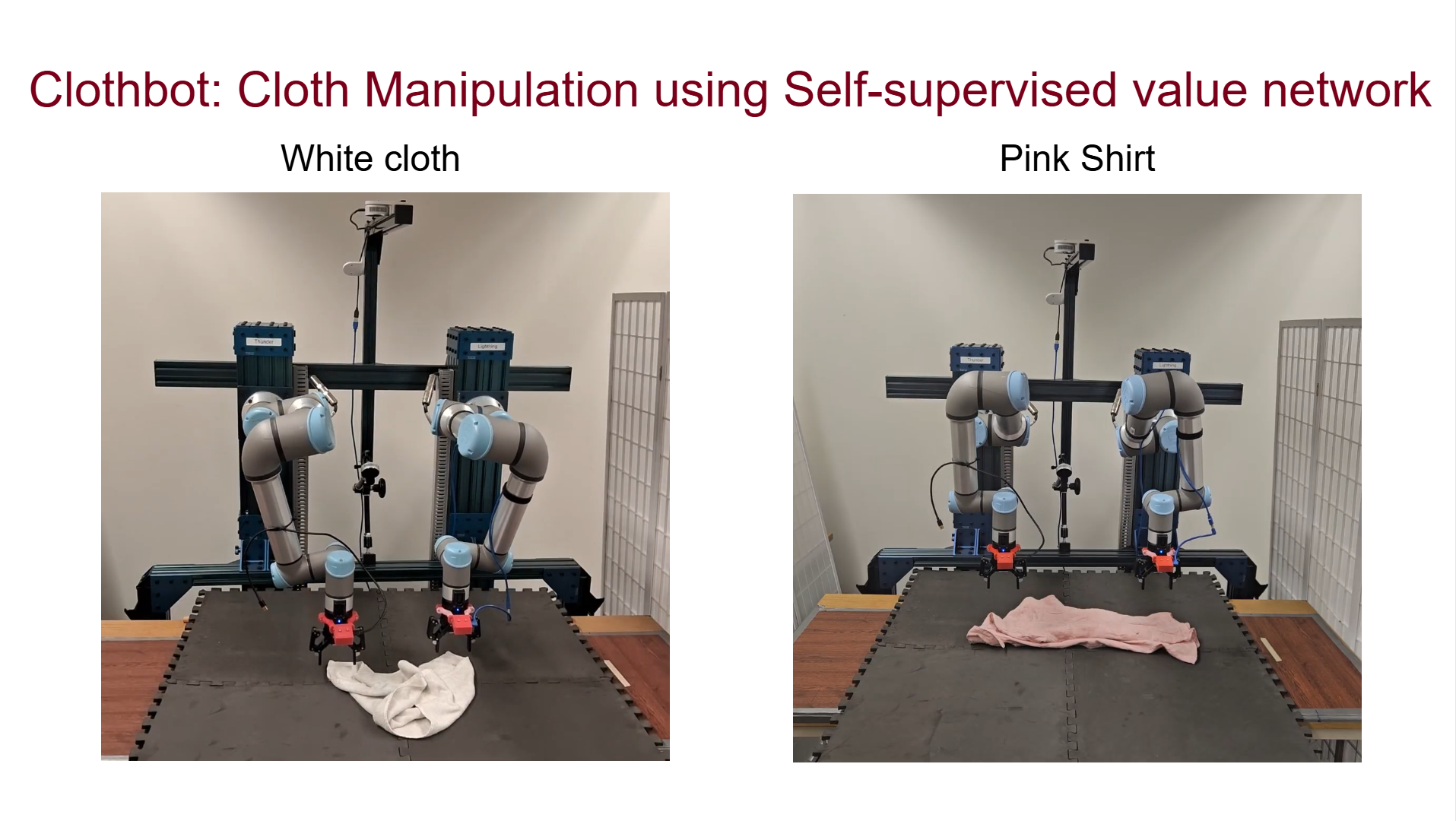 Video Link: Demo
| Rollout on rectangular cloth 1 | Rollout on rectangular cloth 2 |
|---|---|
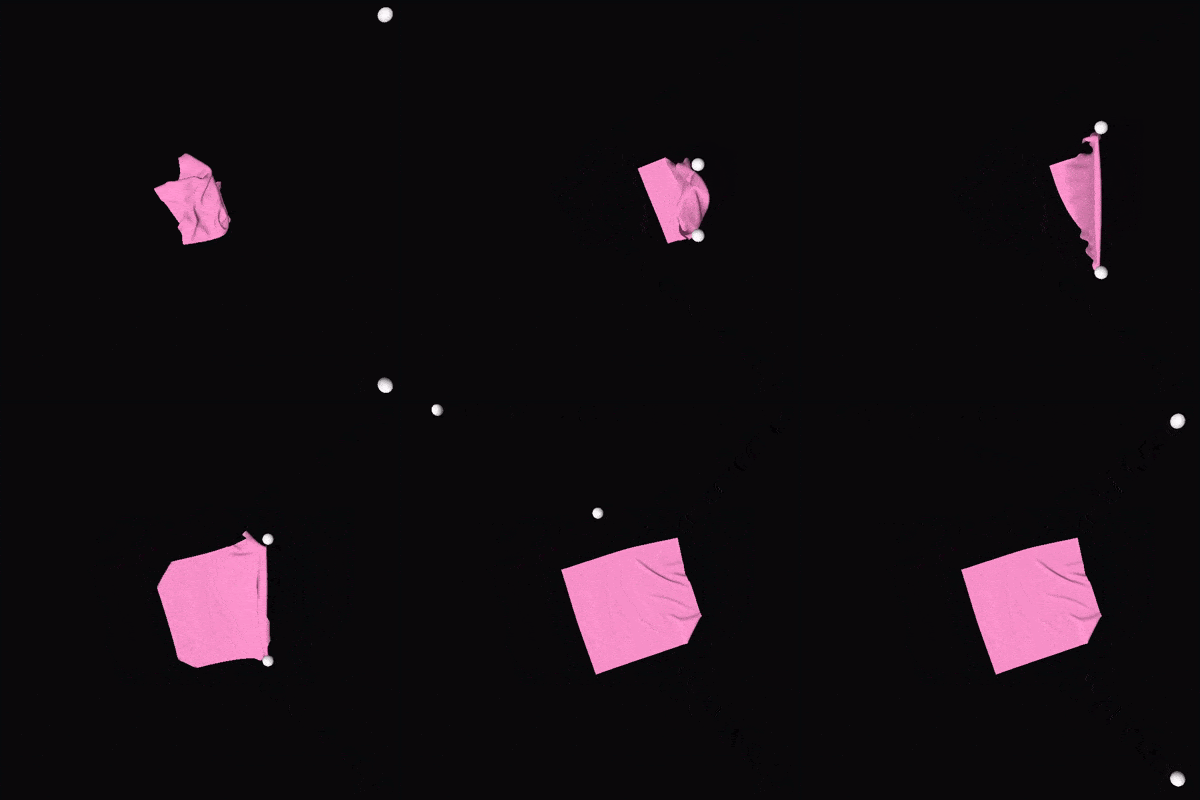 | 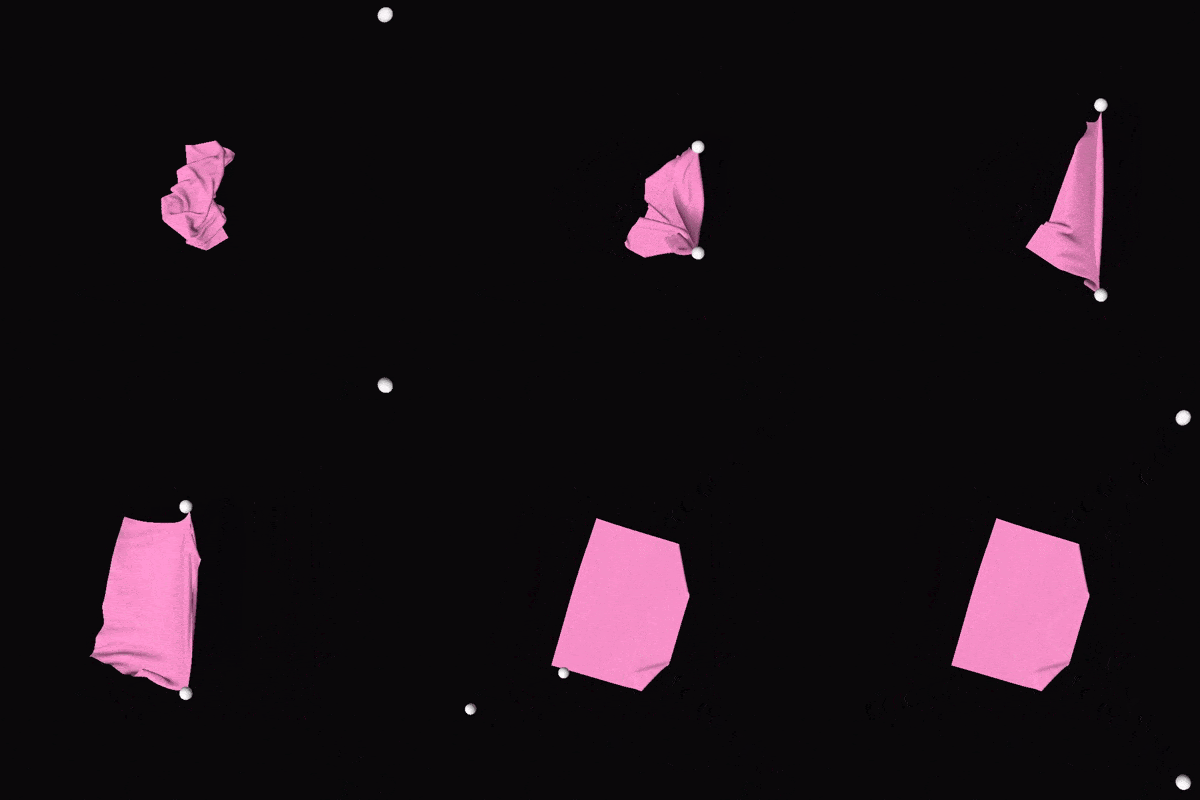 |
| Rollout on unseen tshirt 1 | Rollout on unseen tshirt 2 |
|---|---|
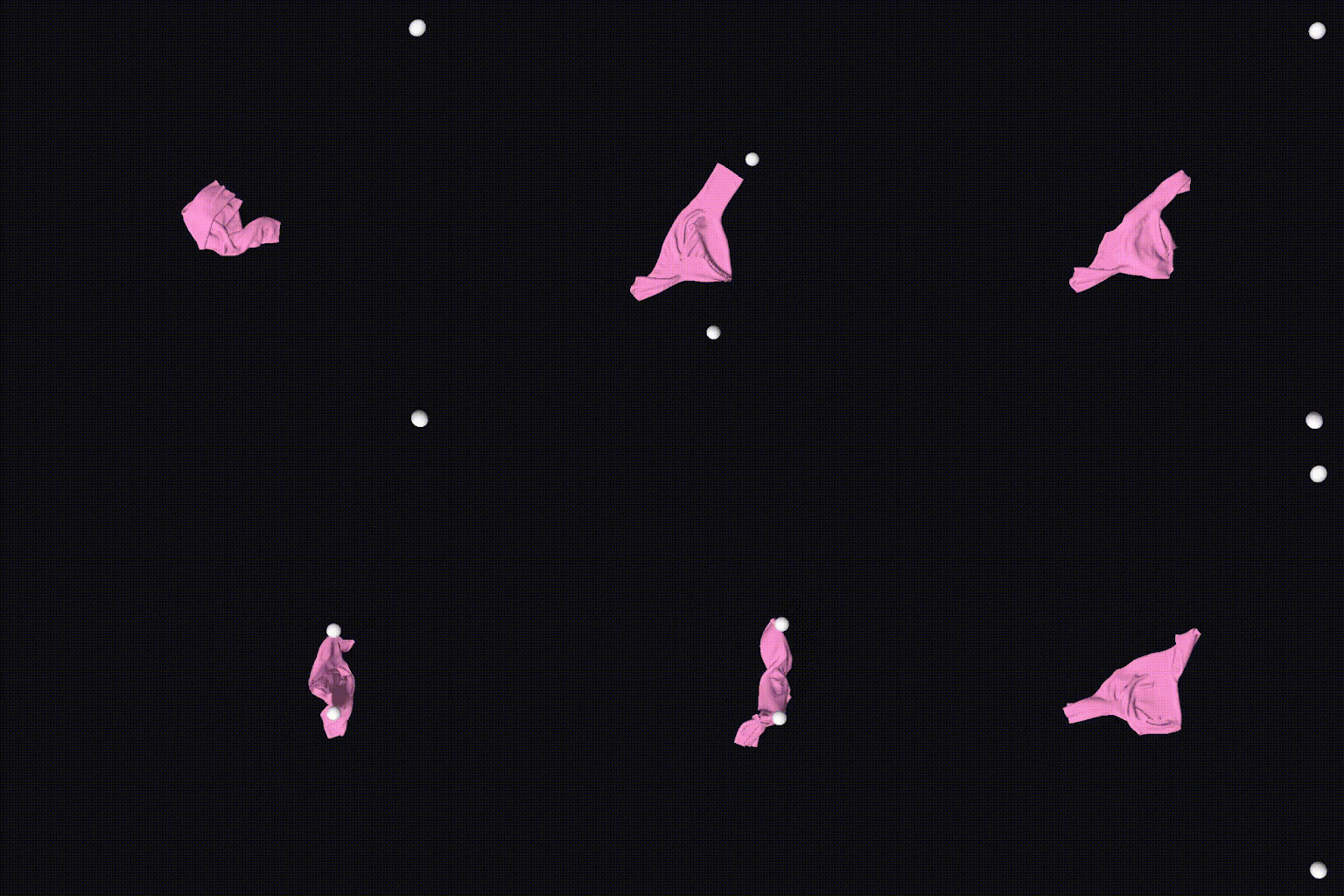 |  |
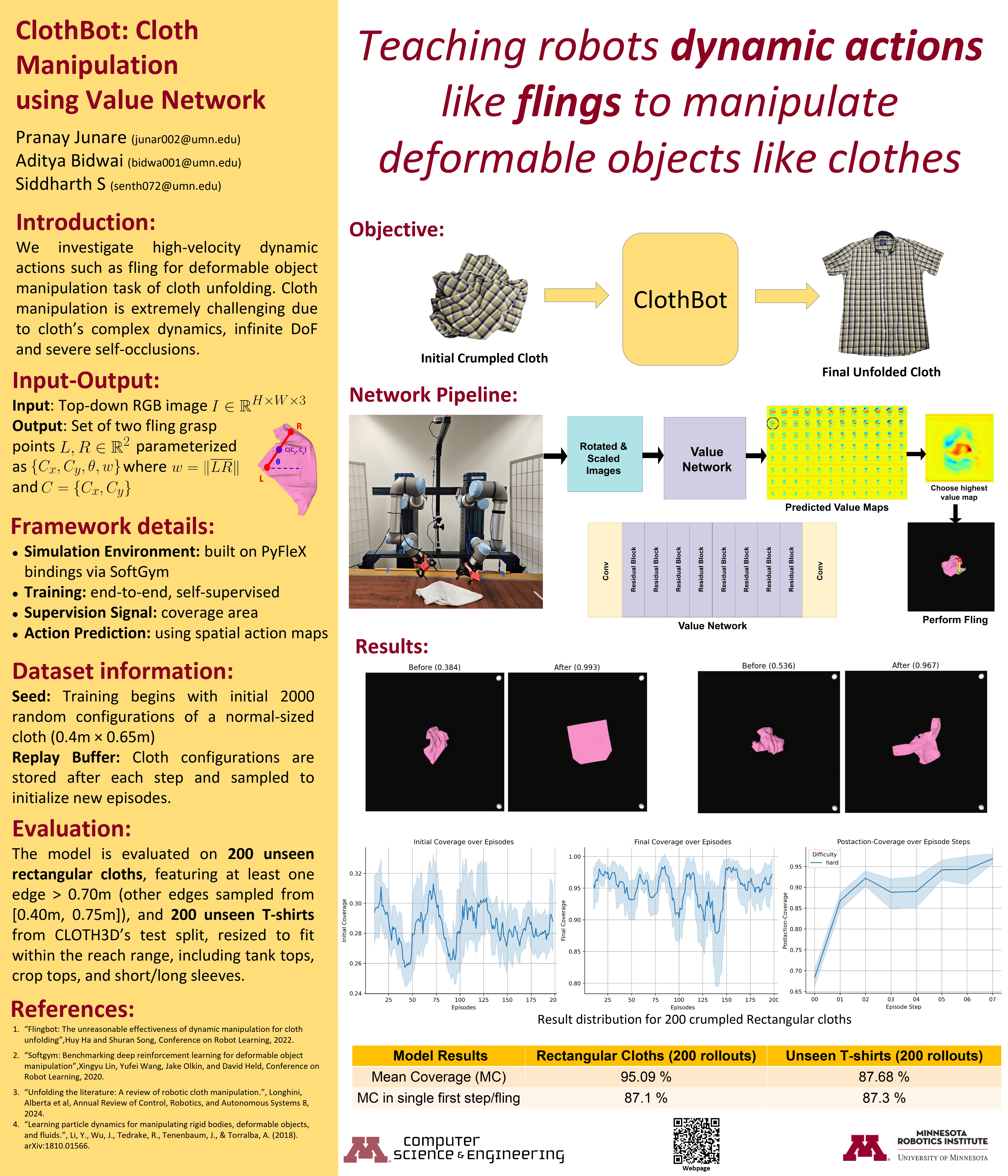
Cloth manipulation is a challenging problem due to cloth’s complex dynamics, almost infinite DoF and severe self-occlusion. Moreover, most cloth manipulation tasks require chaining of multiple action primitives such pick, place, drag fling, stretch, etc. In addition, most of the current cloth manipulation research only use quasi-static actions taking large amount of time to manipulate different garments. Thus our project aims to tackle this complex manipulation problem by imparting the capability of dynamic cloth unfolding to a bimanual robot using a high- velocity dynamic fling action. We focus particularly on the task of cloth unfolding, a typical first step in most cloth manipulation tasks. We trained our self-supervised Value network policy based on Spatial Action Maps. The policy is completely trained on only rectangular cloths in simulation. We have leveraged Softgym simulator and have trained the policy for 7 days until convergence. The policy achieves a cloth unfolding mean coverage of 95.09% over 200 rollouts on rectangular cloths. Interestingly our policy also generalizes to unseen cloths such as T-shirts while achieving the mean coverage of 87.68%. It also transfers to the real-world cloths in a zero-shot manner without any need of fine-tuning. Real-world results are evaluated on a UR5e dual-arm robot.
This work is the re-implementation of the below paper, so if you find it useful please cite the Flingbot paper:
Other References:
MIT
| Qty | Value | Footprint | References |
|---|---|---|---|
| 1 | 150 | Resistor_SMD:R_1206_3216Metric_Pad1.30x1.75mm_HandSolder | R1 |
| 1 | C_Polarized | Capacitor_THT:CP_Radial_D10.0mm_P5.00mm | C1 |
| 1 | Encoder0_L | Connector_RJ:RJ45_Ninigi_GE | J2 |
| 1 | Encoder0_R | Connector_RJ:RJ45_Ninigi_GE | J12 |
| 1 | Encoder1_L | Connector_RJ:RJ45_Ninigi_GE | J3 |
| 1 | Encoder1_R | Connector_RJ:RJ45_Ninigi_GE | J13 |
| 1 | Encoder2_L | Connector_RJ:RJ45_Ninigi_GE | J4 |
| 1 | Encoder2_R | Connector_RJ:RJ45_Ninigi_GE | J14 |
| 1 | Encoder3_L | Connector_RJ:RJ45_Ninigi_GE | J5 |
| 1 | Encoder3_R | Connector_RJ:RJ45_Ninigi_GE | J9 |
| 1 | Encoder4_L | Connector_RJ:RJ45_Ninigi_GE | J6 |
| 1 | Encoder4_R | Connector_RJ:RJ45_Ninigi_GE | J10 |
| 1 | Encoder5_L | Connector_RJ:RJ45_Ninigi_GE | J7 |
| 1 | Encoder5_R | Connector_RJ:RJ45_Ninigi_GE | J11 |
| 1 | Encoder6_L | Connector_RJ:RJ45_Ninigi_GE | J8 |
| 1 | Encoder6_R | Connector_RJ:RJ45_Ninigi_GE | J15 |
| 1 | LED | Diode_SMD:D_1206_3216Metric_Pad1.42x1.75mm_HandSolder | D1 |
| 1 | SFH11-PBPC-D10-ST-BK | SFH11-PBPC-D10-ST-BK:SULLINS_SFH11-PBPC-D10-ST-BK | J1 |
It measures 72.6 × 166.6 mm and has 2 copper layers, 1.6 mm thick.
18 parts, built around the SFH11-PBPC-D10-ST-BK. The full list of its parts is on this page, with links to each part's symbol and footprint where PCBKit's library has them.
From the pranay-junare/clothbot repository on GitHub, at the commit this page was made from: the board is real_world/Hardware/PCB/EncoderHub/EncoderHub.kicad_pcb and its schematic real_world/Hardware/PCB/ESP32_breakout/ESP32_breakout.kicad_sch. PCBKit opens the board in the browser, with nothing to install.
Its repository publishes it under the MIT licence: you may reuse it on that licence's terms (keep the author's notice, and for a copyleft licence share your changes alike).
pranay-junare/clothbot
Cloth Manipulation using self-supervised Spatial Action Maps

pranay-junare/clothbot
Cloth Manipulation using self-supervised Spatial Action Maps

wormyrocks/tagconnect-adapters
adapters between RJ12 tag-connect and various programmers


VoronDesign/Voron-Hardware
Cool Hardware designed by the Voron Design group


hackclub/OnBoard
💡 Join 1,000 teenagers and make your first PCB with a $100 grant!

VoronDesign/Voron-Tap
Tap is a nozzle-based z-probe for the V2 and Trident printer designs. The entire toolhead moves to trigger an optical switch. Tap offers many advantages:

Luos-io/luos_engine
Open-source and real-time orchestrator for cyber-physical-systems, to easily design, test and deploy embedded applications and digital twins.