2 layers54.9 × 66.5 mm
 paeber/led-driver-starfish
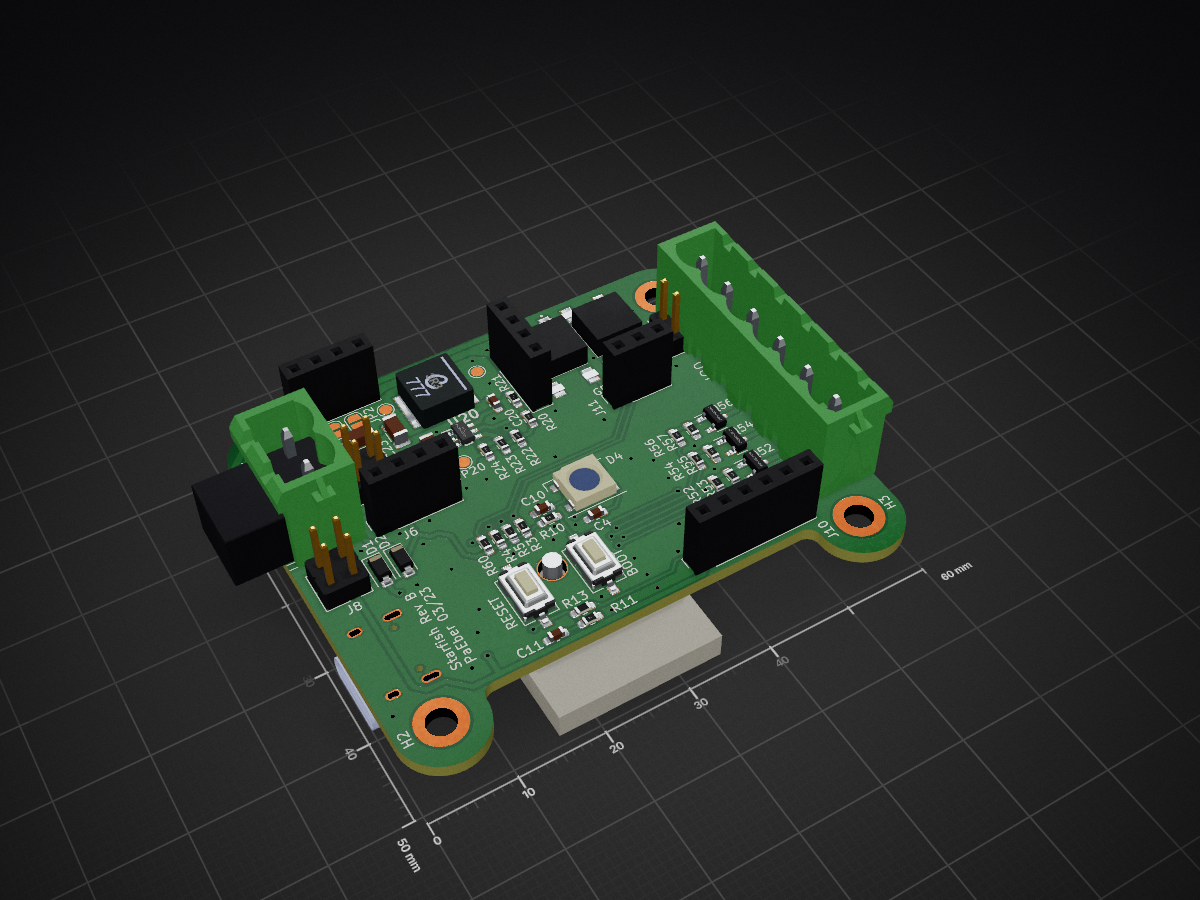
ESP32 based LED driver designed for use with ESPHome
Starfish is an open-source printed circuit board by paeber, from the paeber/led-driver-starfish repository on GitHub, published under the MIT licence. It is a 2-layer board of 60 × 50 mm with 81 parts on 73 nets, routed with 364 tracks and 81 vias.
It is built around the ESP32-S3-WROOM-1-N8, LM1117-3.3 and LTV-817S, with the PMV40UN2R, PMEG60T10ELRX and BSS138 among its other parts. Its parts include 27 resistors, 12 connectors, 11 capacitors, 6 transistors and 4 ICs. It belongs with the ESP32 boards of this library.


ESP32 based LED driver designed for use with ESPHome.
The pcb is designed with KiCad and has a ESP32-S3 with power and usb circuit. A total of four N-Channel FETs allow to switch 12V appliances (LED) upto 4.4A each. The four channels allow multiple LED strips or ones with RGBW etc.
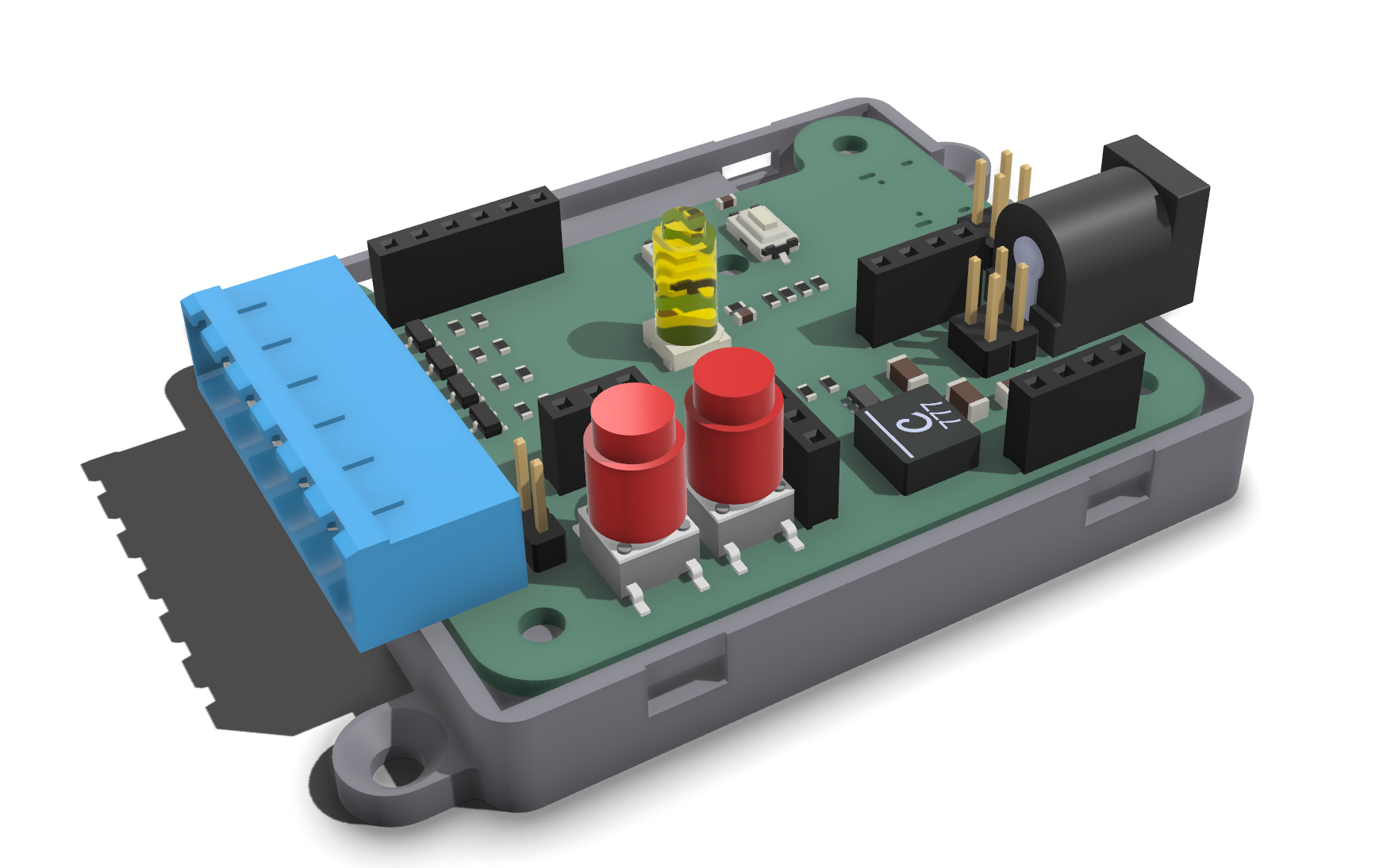
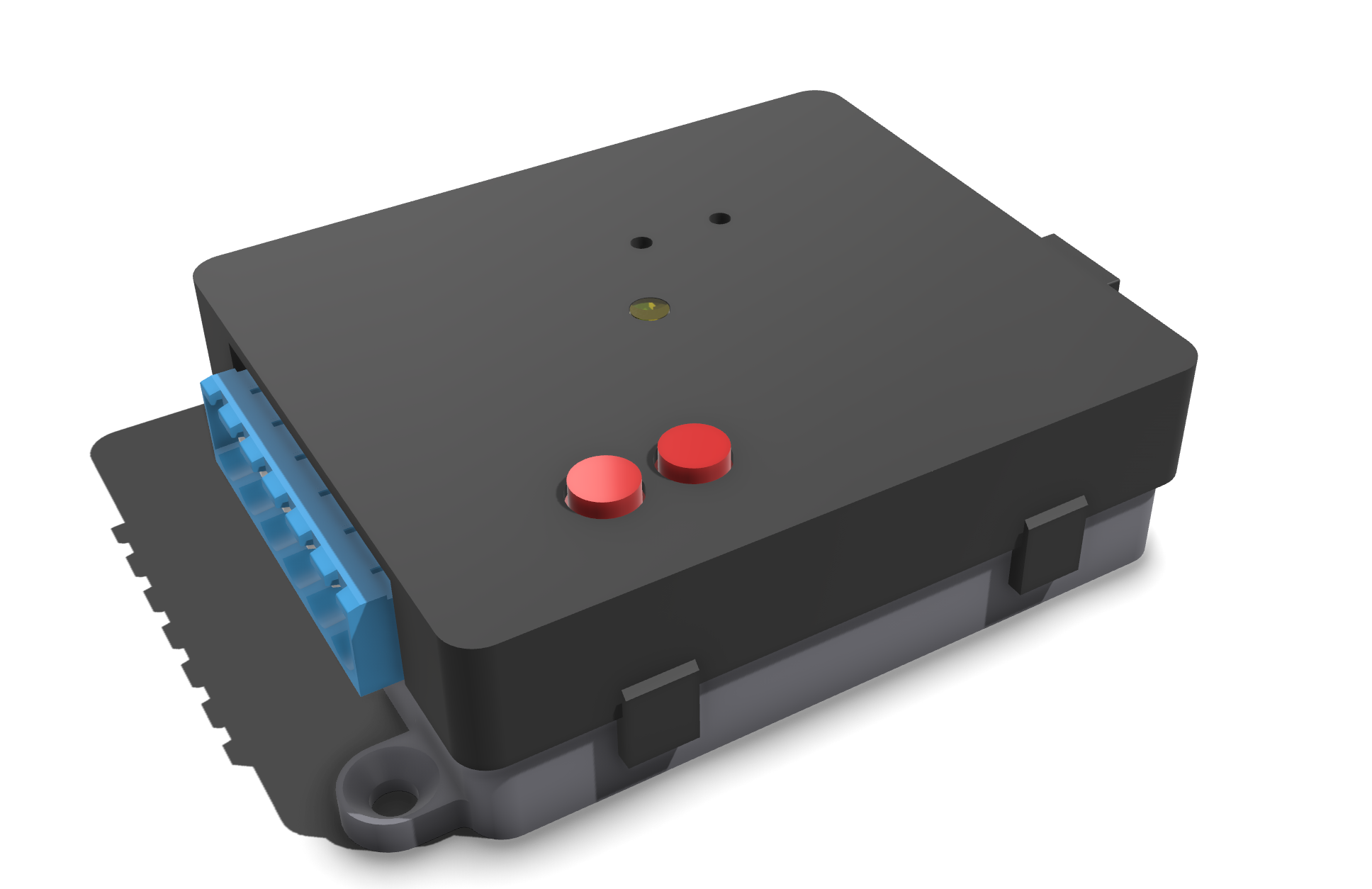
ESP32-S3 for use with ESPHome
4 Open-Drain Channels for RGBW
2 Buttons for user input
WS2812 LED
Multiple headers for further peripherals (I2C, 3V3, 5V, GPIOs)
6V to 15V Input
YAML configuration for ESPHome. Adapt as you need for your setup. Code is relevant for latest version (rev B).
substitutions:
  dev_name: Kitchen

esphome:
  name: kitchen-starfish
  friendly_name: kitchen-starfish
  comment: ESP32 based LED driver for 12 V LED Strips

  on_boot:
    light.turn_on:
      id: status_led
      brightness: 20%
      green: 30%

esp32:
  variant: esp32s3
  board: esp32-s3-devkitc-1
  framework:
type: arduinolight:
- platform: esp32_rmt_led_strip
id: status_led
rgb_order: GRB
pin: GPIO38
num_leds: 1
rmt_channel: 0
chipset: ws2812
name: "Status"
internal: trueoutput:
- platform: ledc
id: output_component1
pin: GPIO6
frequency: 19531
- platform: ledc
id: output_component2
pin: GPIO5
frequency: 19531light:
- platform: monochromatic
name: ${dev_name} Ceiling
output: output_component1binary_sensor:
- platform: gpio
pin:
number: GPIO8
inverted: True
name: ${dev_name} BTN_1
- platform: gpio
pin:
number: GPIO11
inverted: True
name: ${dev_name} BTN_2i2c:
scl: GPIO9
sda: GPIO10| Qty | Value | Footprint | References |
|---|---|---|---|
| 13 | 10k | Resistor_SMD:R_0603_1608Metric_Pad0.98x0.95mm_HandSolder | R3, R10, R11, R12, R14, R24, R51, R53, R55, R57, R60, R65, R66 |
| 5 | 100n | Capacitor_SMD:C_0603_1608Metric_Pad1.08x0.95mm_HandSolder | C4, C10, C11, C12, C20 |
| 4 | 330 | Resistor_SMD:R_0603_1608Metric_Pad0.98x0.95mm_HandSolder | R50, R52, R54, R56 |
| 4 | MountingHole | MountingHole:MountingHole_3.2mm_M3_DIN965_Pad_TopBottom | H1, H2, H3, H4 |
| 4 | PMV40UN2R | Package_TO_SOT_SMD:SOT-23 | Q50, Q52, Q54, Q56 |
| 3 | 27k | Resistor_SMD:R_0603_1608Metric_Pad0.98x0.95mm_HandSolder | R21, R22, R23 |
| 3 | Conn_01x04 | Connector_PinSocket_2.54mm:PinSocket_1x04_P2.54mm_Vertical | J4, J6, J7 |
| 3 | PMEG60T10ELRX | Diode_SMD:D_SOD-123 | D1, D2, D65 |
| 3 | TestPoint | TestPoint:TestPoint_Pad_D1.5mm | TP20, TP21, TP22 |
| 2 | 0 | Resistor_SMD:R_0603_1608Metric_Pad0.98x0.95mm_HandSolder | R13, R15 |
| 2 | 1301.9315 | paeber:13019319 | SW60, SW61 |
| 2 | 1u | Capacitor_SMD:C_0805_2012Metric_Pad1.18x1.45mm_HandSolder | C1, C3 |
| 2 | 22u | Capacitor_SMD:C_1206_3216Metric | C22, C23 |
| 2 | 4k7 | Resistor_SMD:R_0603_1608Metric_Pad0.98x0.95mm_HandSolder | R4, R5 |
| 2 | 5k11 | Resistor_SMD:R_0603_1608Metric_Pad0.98x0.95mm_HandSolder | R1, R2 |
| 2 | BSS138 | Package_TO_SOT_SMD:SOT-23 | Q12, Q14 |
| 2 | Conn_02x02_Odd_Even | Connector_PinHeader_2.54mm:PinHeader_2x02_P2.54mm_Vertical | J5, J8 |
| 2 | PTS636SK25 | Button_Switch_SMD:SW_Tactile_SPST_NO_Straight_CK_PTS636Sx25SMTRLFS | SW10, SW11 |
| 2 | SolderJumper_2_Open | Jumper:SolderJumper-2_P1.3mm_Open_RoundedPad1.0x1.5mm | JP1, JP2 |
| 1 | 10 | Capacitor_SMD:C_0805_2012Metric_Pad1.18x1.45mm_HandSolder | C2 |
| 1 | 100k | Resistor_SMD:R_0603_1608Metric_Pad0.98x0.95mm_HandSolder | R20 |
| 1 | 10u | Capacitor_SMD:C_1206_3216Metric | C21 |
| 1 | 12V 5V | Jumper:SolderJumper-3_P1.3mm_Open_RoundedPad1.0x1.5mm_NumberLabels | JP90 |
| 1 | 3u3 | paeber:XAL6030182MEB-HandSolder | L20 |
| 1 | AP62301WU-7 | paeber:TSOT-26 | U20 |
| 1 | Barrel_Jack_Switch | Connector_BarrelJack:BarrelJack_Wuerth_6941xx301002 | J2 |
| 1 | Conn_01x02 | Connector_PinHeader_2.54mm:PinHeader_1x02_P2.54mm_Vertical | J65 |
| 1 | Conn_01x03 | Connector_PinSocket_2.54mm:PinSocket_1x03_P2.54mm_Vertical | J11 |
| 1 | ESP32-S3-WROOM-1 | Espressif:ESP32-S3-WROOM-1 | U10 |
| 1 | LM1117-3.3 | Package_TO_SOT_SMD:SOT-223-3_TabPin2 | U1 |
| 1 | LTV-817S | Package_DIP:SMDIP-4_W9.53mm | U65 |
| 1 | SK6812 | LED_SMD:LED_SK6812_PLCC4_5.0x5.0mm_P3.2mm | D4 |
| 1 | Screw_Terminal_01x02 | paeber:CUI_TBP01R1-508-02BE | J3 |
| 1 | Screw_Terminal_01x06 | paeber:CUI_TBP01R1-508-06BE | J90 |
| 1 | SolderJumper_3_Open | Jumper:SolderJumper-3_P1.3mm_Open_RoundedPad1.0x1.5mm | JP3 |
| 1 | USB4105-GF-A-120 | Connector_USB:USB_C_Receptacle_HRO_TYPE-C-31-M-12 | J1 |
| 1 | UartBridge | Connector_PinSocket_2.54mm:PinSocket_1x06_P2.54mm_Vertical | J10 |
The 80 most common of 81 parts.


wntrblm/jellyfish-and-starfish
Jellyfish and Starfish are control boards designed for use with the LumenPnP. Starfish controls the base of the machine including X & Y axes and pneumatics.

Junkz3/wrench-board
A senior microsoldering technician, available to every repair shop from the seasoned pro to the apprentice. Powered by Claude Opus 5


panyam/agni-samples
This is the main repository for the MNT Reform open source laptop.

It measures 60 × 50 mm and has 2 copper layers, 1.6 mm thick.
81 parts, built around the ESP32-S3-WROOM-1-N8, LM1117-3.3, LTV-817S and PMV40UN2R. The full list of its parts is on this page, with links to each part's symbol and footprint where PCBKit's library has them.
From the paeber/led-driver-starfish repository on GitHub, at the commit this page was made from: the board is starfish/starfish.kicad_pcb and its schematic starfish/led-driver.kicad_sch. PCBKit opens the board in the browser, with nothing to install.
Its repository publishes it under the MIT licence: you may reuse it on that licence's terms (keep the author's notice, and for a copyleft licence share your changes alike).