2 layers22.5 × 31 mm
SSD1306 FFC Adapter
famichu/MagLevSwitch_ReferenceKeyboard
The reference keyboard for the MagLev Switch MX
10 parts2MIT
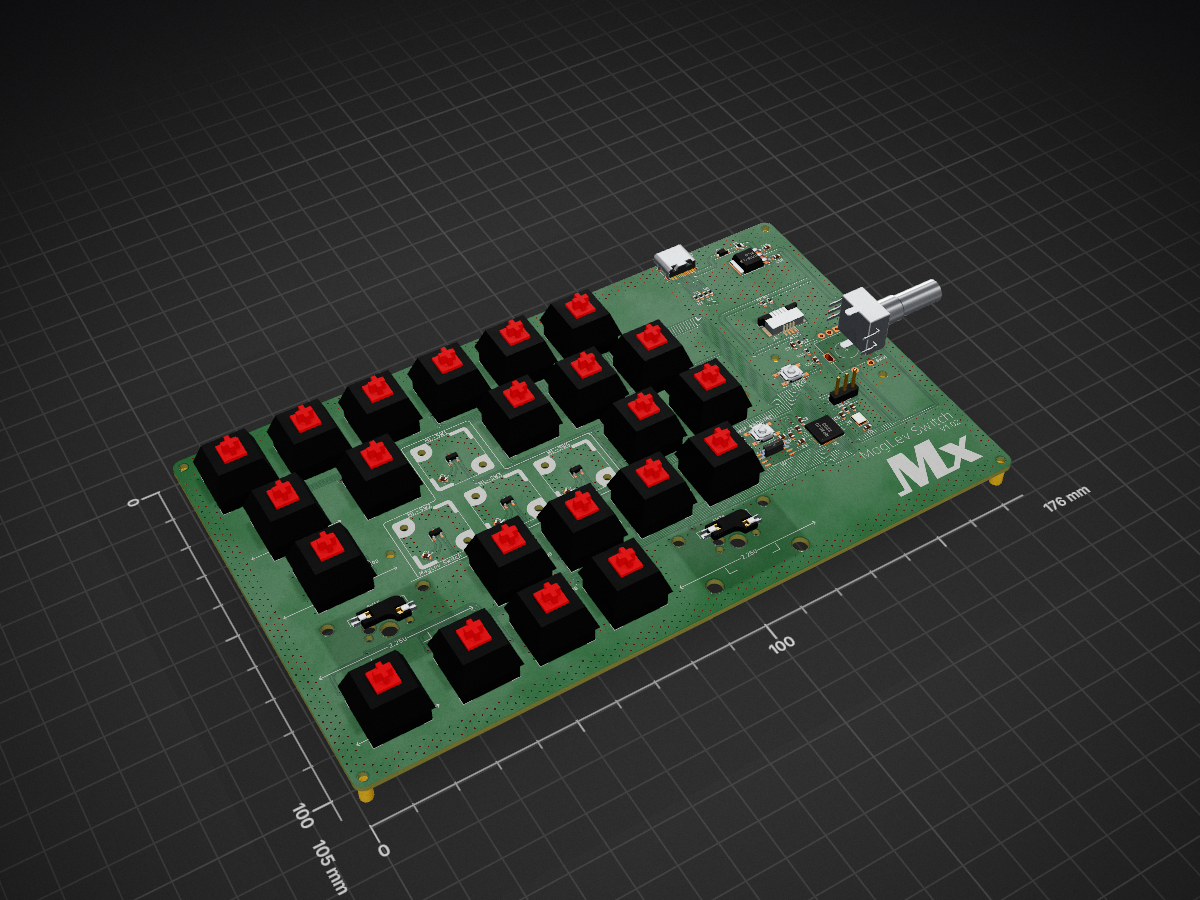
 famichu/MagLevSwitch_ReferenceKeyboard2
The reference keyboard for the MagLev Switch MX
Reference Keyboard is an open-source printed circuit board by famichu, from the famichu/MagLevSwitch_ReferenceKeyboard repository on GitHub, published under the MIT licence. It is a 2-layer board of 176 × 105 mm with 91 parts on 68 nets, routed with 612 tracks and 1,532 vias.
It is built around the RP2040, W25Q16JVSSIM and LM1117RS-3.3, with the 1SS387, SKQGAFE010 and NX3225SA-12MHZ-STD-CSR-6 among its other parts. Its parts include 28 switches, 17 capacitors, 12 resistors, 10 diodes and 3 ICs. It belongs with the keyboards and input boards and the RP2040 boards of this library.


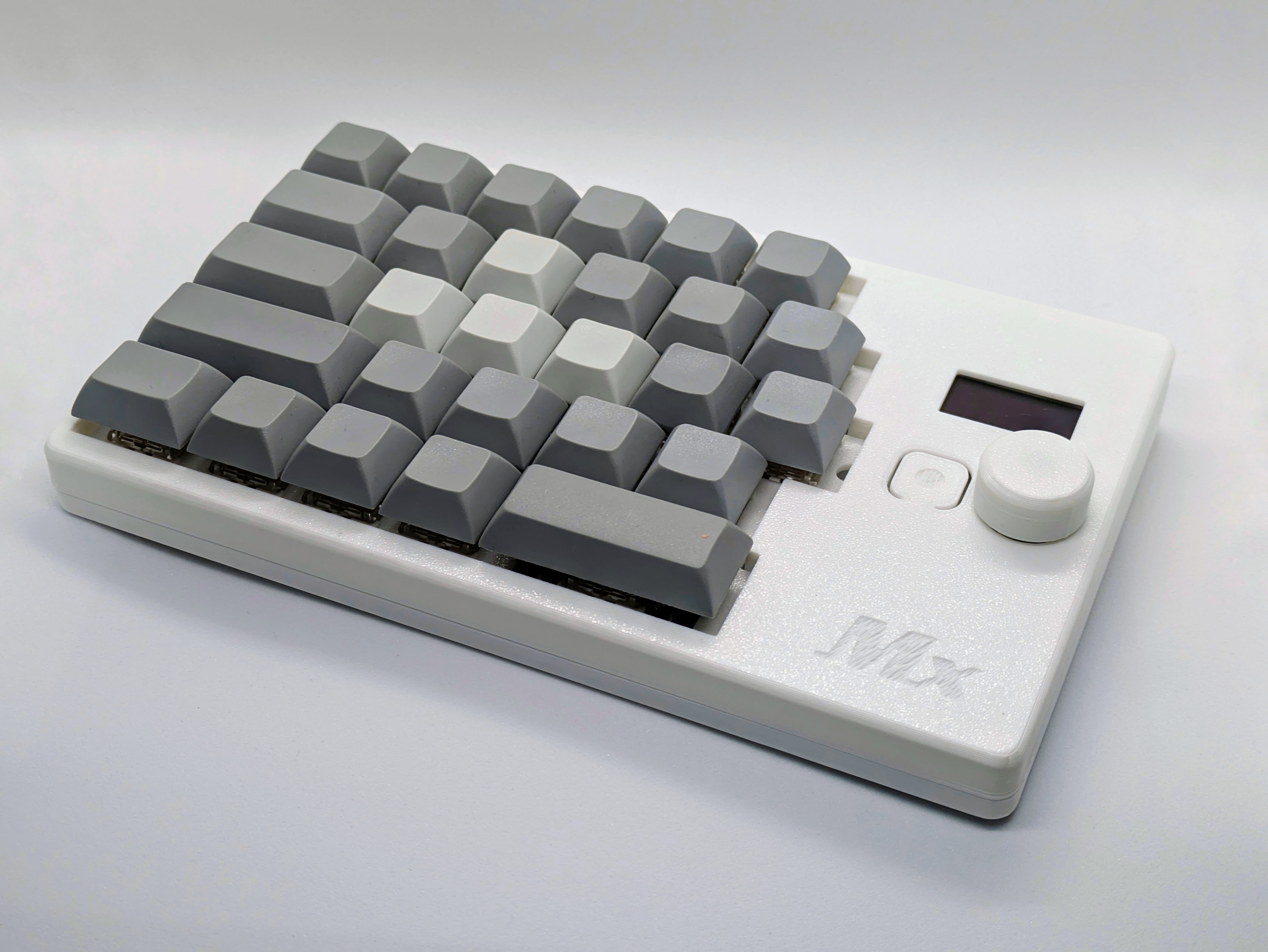
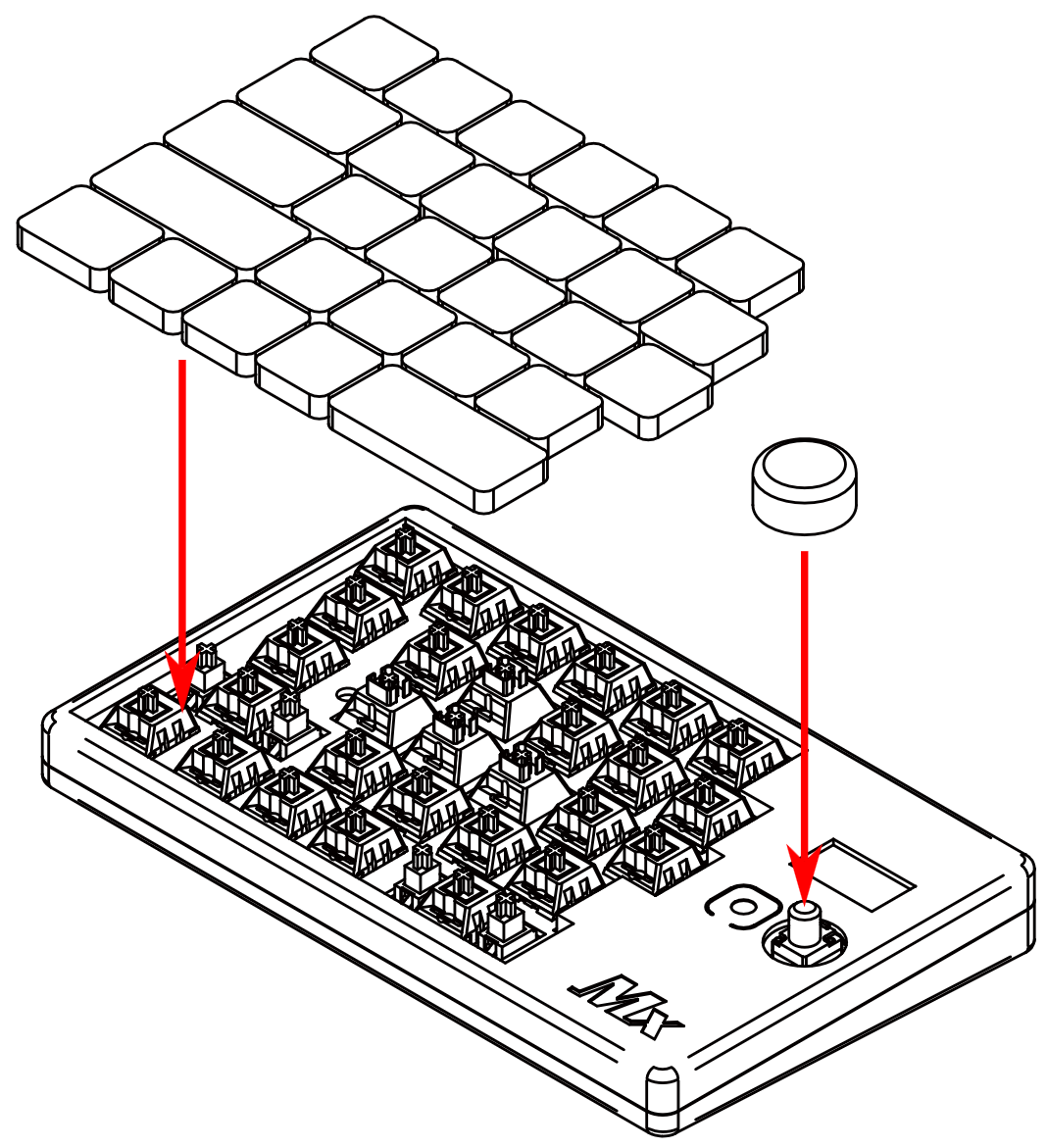
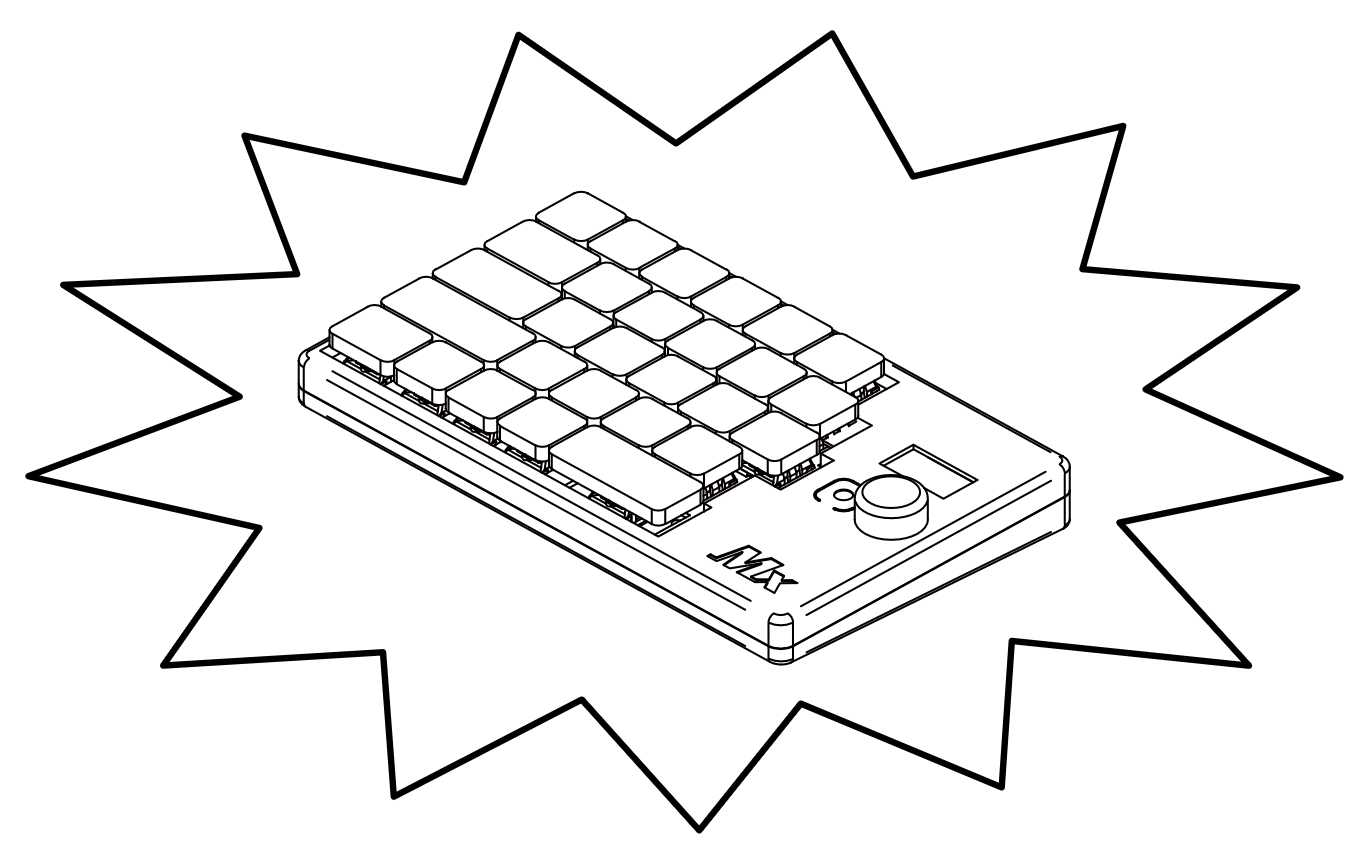
This keyboard is a reference keyboard for using the MagLev switch, which has linear-output Hall effect sensors and magnetic levitation switches.
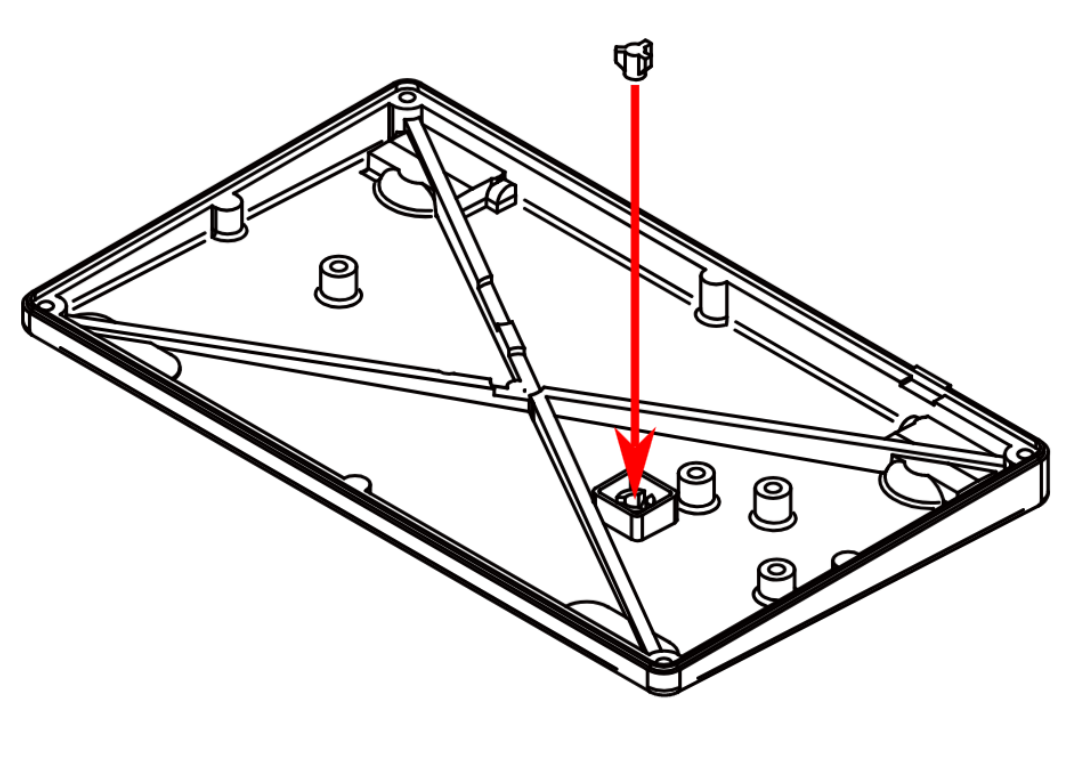
Use FFF 3D printers to print shell parts.
I had manufactured at JLCPCB. The main PCB in this repository has an LCSC number as well. This allows you to order the PCBA without selecting individual devices.
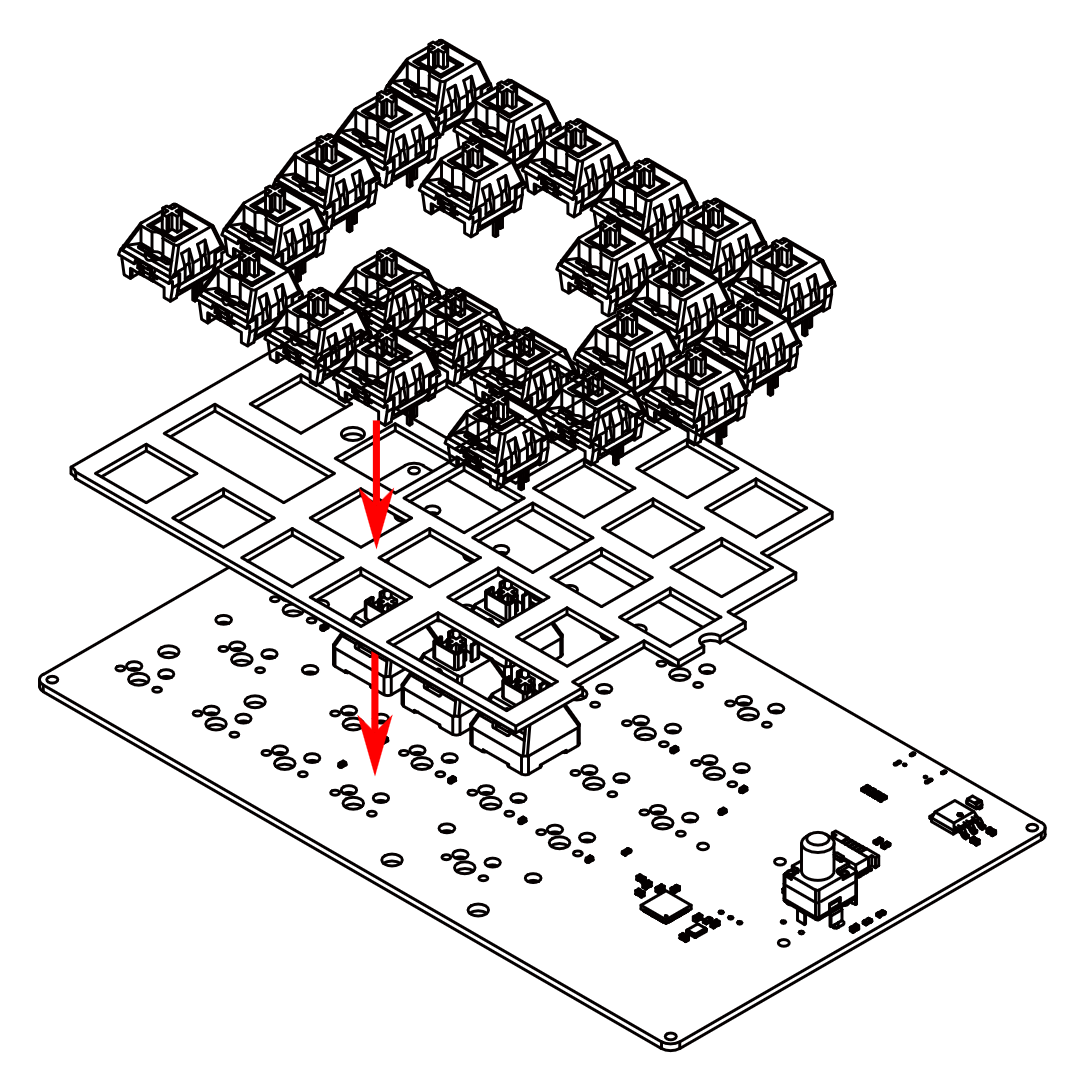
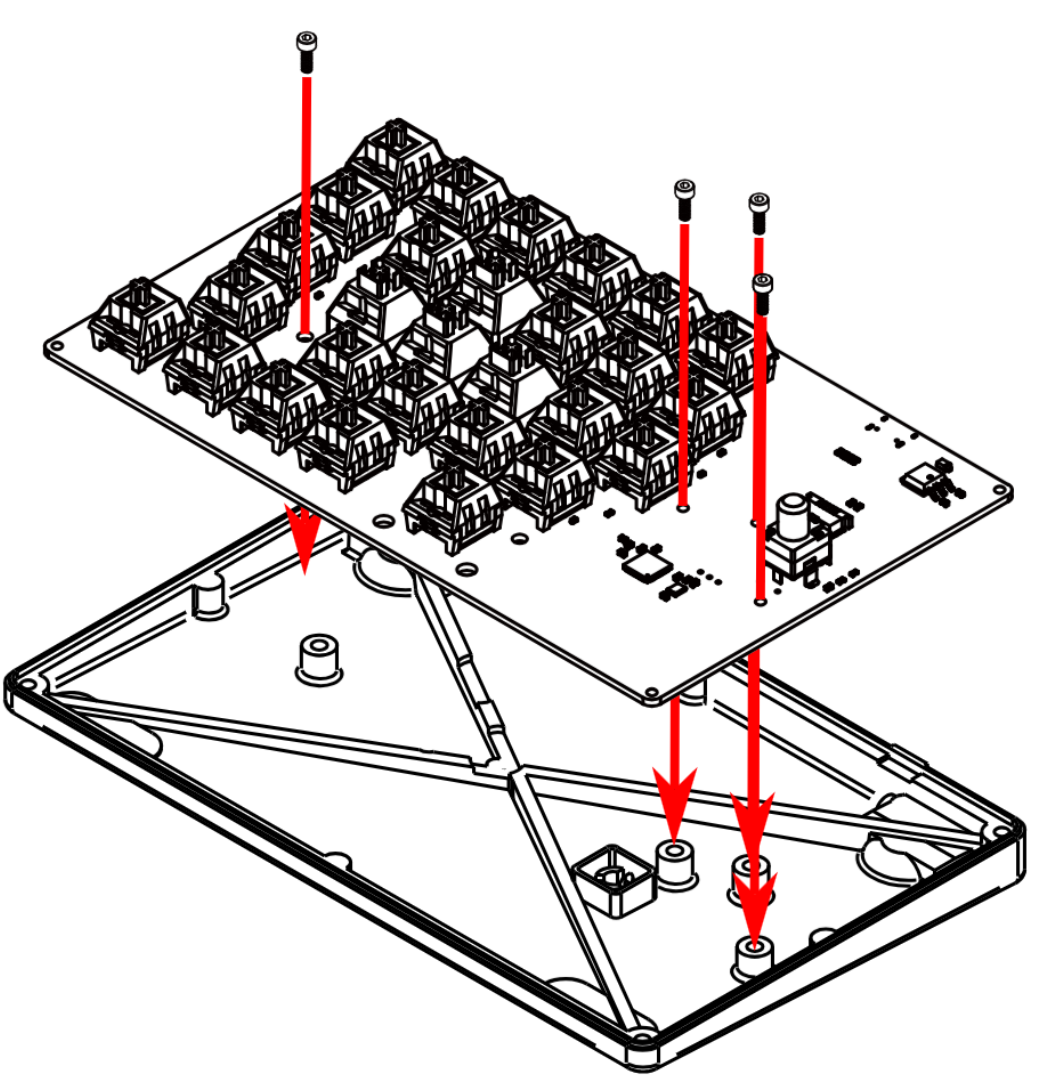
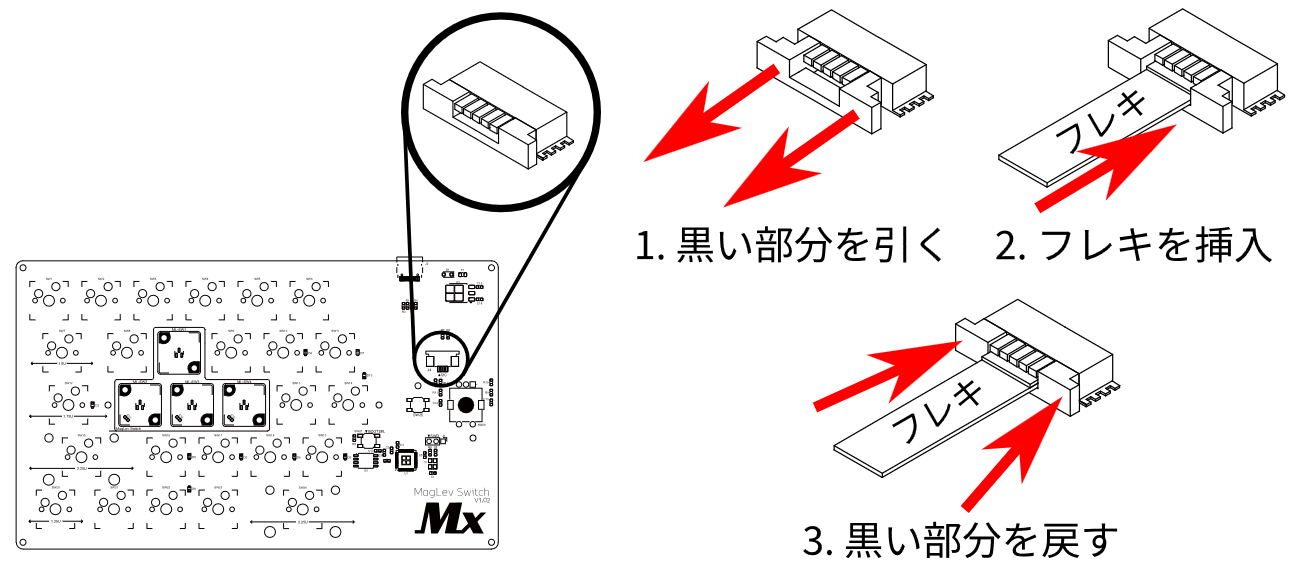
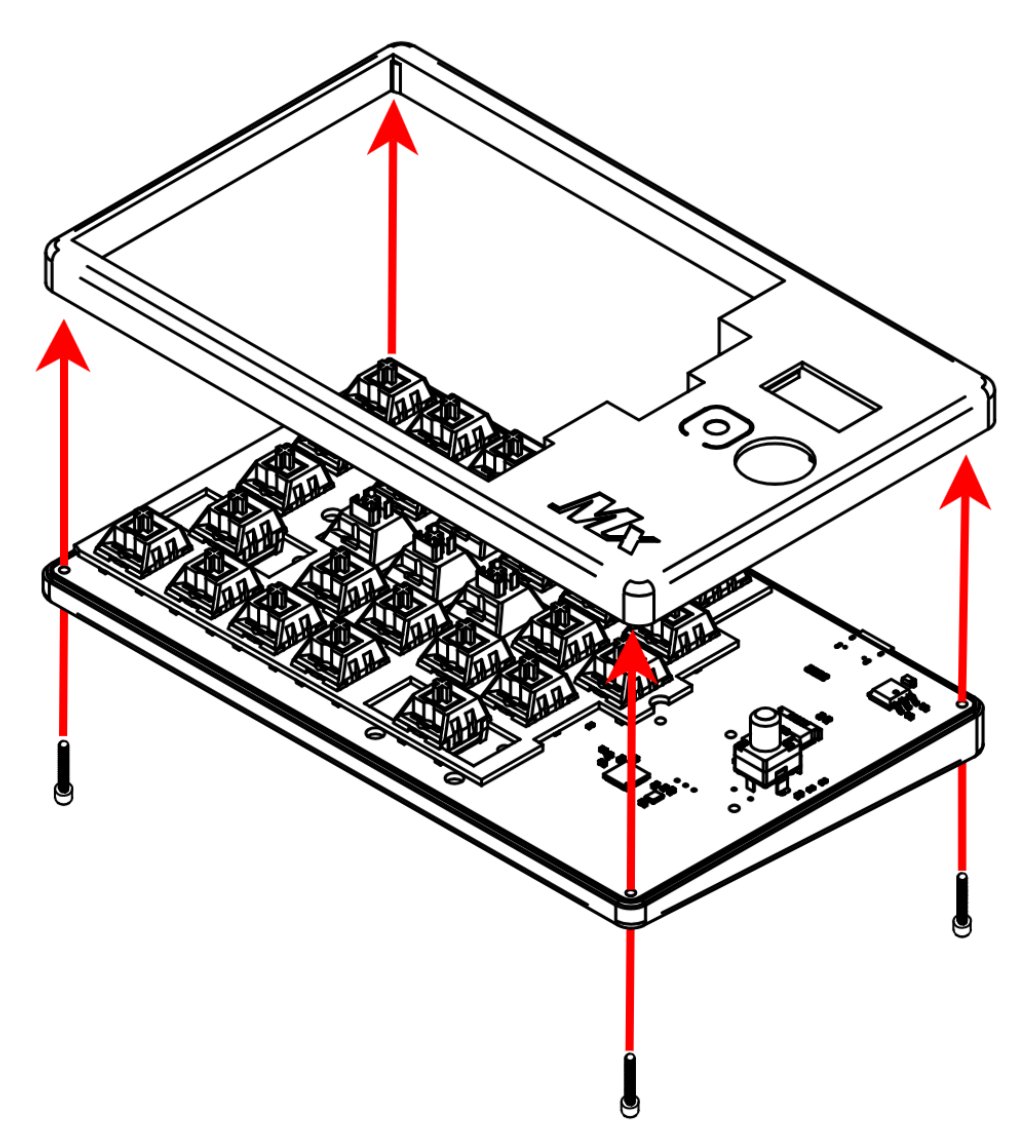
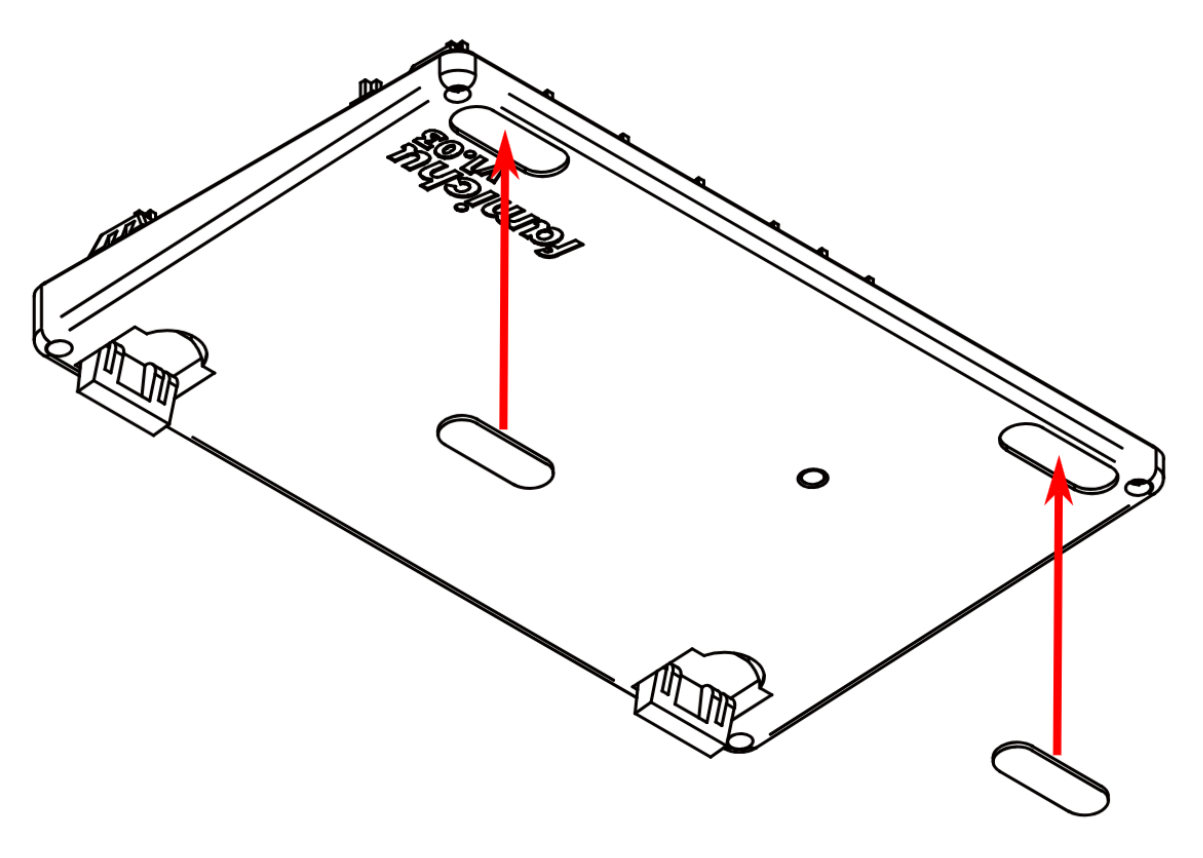
| Qty | Value | Footprint | References |
|---|---|---|---|
| 19 | SW_Push | MX_Hotswap:MX-Hotswap-1U | SW1, SW2, SW3, SW4, SW5, SW10, SW11, SW13, SW14, SW16, SW17, SW18, SW19, SW21, SW22, SW23 +3 |
| 10 | 0.1u | Capacitor_SMD:C_0603_1608Metric | C2, C3, C4, C5, C7, C10, C11, C12, C16, C17 |
| 9 | 1SS387 | Diode_SMD:D_SOD-523 | D2, D3, D4, D5, D6, D7, D8, D9, D10 |
| 8 | MountingHole | MountingHole:MountingHole_2.2mm_M2 | H1, H2, H3, H4, H5, H6, H7, H8 |
| 4 | 10k | Resistor_SMD:R_0603_1608Metric | R9, R10, R11, R12 |
| 4 | 1k | Resistor_SMD:R_0603_1608Metric | R5, R6, R7, R8 |
| 4 | MagLevSwich | MagLevSwitch:MagLevSwitch_Up | ML-SW1, ML-SW2, ML-SW3, ML-SW4 |
| 3 | SKQGAFE010 | Button_Switch_SMD:SW_SPST_SKQG_WithStem | SW25, SW27, SW28 |
| 2 | 0.01u | Capacitor_SMD:C_0603_1608Metric | C13, C14 |
| 2 | 10u | Capacitor_SMD:C_0603_1608Metric | C15, C18 |
| 2 | 27 | Resistor_SMD:R_0603_1608Metric | R1, R2 |
| 2 | 5.1k | Resistor_SMD:R_0603_1608Metric | R3, R4 |
| 2 | 5.6p | Capacitor_SMD:C_0603_1608Metric | C1, C8 |
| 2 | SW_Push | MX_Hotswap:MX-Hotswap-2.25U | SW15, SW24 |
| 1 | 2.2u | Capacitor_SMD:C_0603_1608Metric | C9 |
| 1 | 84953-4 | Connector_FFC-FPC:TE_84953-4_1x04-1MP_P1.0mm_Horizontal | J4 |
| 1 | Conn_01x01_Pin | TestPoint:TestPoint_Pad_D1.5mm | TP1 |
| 1 | Conn_01x03_Pin | Connector_PinHeader_2.54mm:PinHeader_1x03_P2.54mm_Vertical | J1 |
| 1 | LM1117RS-3.3 | Package_TO_SOT_SMD:TO-252-3_TabPin2 | U3 |
| 1 | LOGO | LOGO:MX_KiCAD | G*** |
| 1 | LOGO | LOGO:famichu | G*** |
| 1 | LOGO | LOGO:WebQR | G*** |
| 1 | NX3225SA-12MHz-STD-CSR-6 | Crystal:Crystal_SMD_3225-4Pin_3.2x2.5mm | Y1 |
| 1 | Polyfuse | Fuse:Fuse_0805_2012Metric | F1 |
| 1 | RB161MM-20TR | Diode_SMD:D_SOD-123F | D1 |
| 1 | RP2040 | Package_DFN_QFN:QFN-56-1EP_7x7mm_P0.4mm_EP3.2x3.2mm | U1 |
| 1 | RotaryEncoder_Switch | Rotary_Encoder:RotaryEncoder_Alps_EC11E-Switch_Vertical_H20mm | SW26 |
| 1 | SW_Push | MX_Hotswap:MX-Hotswap-1.75U | SW12 |
| 1 | SW_Push | MX_Hotswap:MX-Hotswap-1.5U | SW7 |
| 1 | SW_Push | MX_Hotswap:MX-Hotswap-1.25U | SW20 |
| 1 | USB_C_Receptacle_USB2.0 | Connector_USB:USB_C_Receptacle_HRO_TYPE-C-31-M-12 | J2 |
| 1 | W25Q16JVSSIM | Package_SO:SOIC-8_5.23x5.23mm_P1.27mm | U2 |
famichu/MagLevSwitch_ReferenceKeyboard
The reference keyboard for the MagLev Switch MX


khaddra/osborne-floppy-emulator
Floppy disk drive emulator for the Osborne 1. Unfinished.


zgtk-guri/c-pro-micro
The atmega32u4 micro-controller board with USB Type-C receptacle, which is compatible with SparkFun Pro Micro
It measures 176 × 105 mm and has 2 copper layers, 1.6 mm thick.
91 parts, built around the RP2040, W25Q16JVSSIM, LM1117RS-3.3 and 1SS387. The full list of its parts is on this page, with links to each part's symbol and footprint where PCBKit's library has them.
From the famichu/MagLevSwitch_ReferenceKeyboard repository on GitHub, at the commit this page was made from: the board is pcb/Reference_Keyboard/Reference_Keyboard.kicad_pcb and its schematic pcb/Reference_Keyboard/Reference_Keyboard.kicad_sch. PCBKit opens the board in the browser, with nothing to install.
Its repository publishes it under the MIT licence: you may reuse it on that licence's terms (keep the author's notice, and for a copyleft licence share your changes alike).