4 layers40 × 40 mm
Auv sensor hub
ginomcfino/auv-sensor-hub
STM32-based sensor hub for autonomous underwater vehicles, integrating CAN bus communication, inertial and pressure sensing, and multi-rail power regulation.
59 parts

 AwesomeSno/PACC
Palma Advanced Cursor Control (PACC)
PACC is an open-source printed circuit board by AwesomeSno, from the AwesomeSno/PACC repository on GitHub. It is a 2-layer board of 60 × 40 mm with 34 parts on 53 nets.
It is built around the ESP32-S3-WROOM-1-N8, BNO085 and MCP73831, with the TLV75533PDBV among its other parts. Its parts include 13 resistors, 8 capacitors, 4 ICs, 2 diodes and 2 connectors. It belongs with the ESP32 boards of this library.


PACC is a glove based controller inspired by sci-fi movies that lets you control any device using your palm without ever touching a mouse. The idea is to have something similar to how you control things on an Apple Vision Pro, but for any regular computer or device.
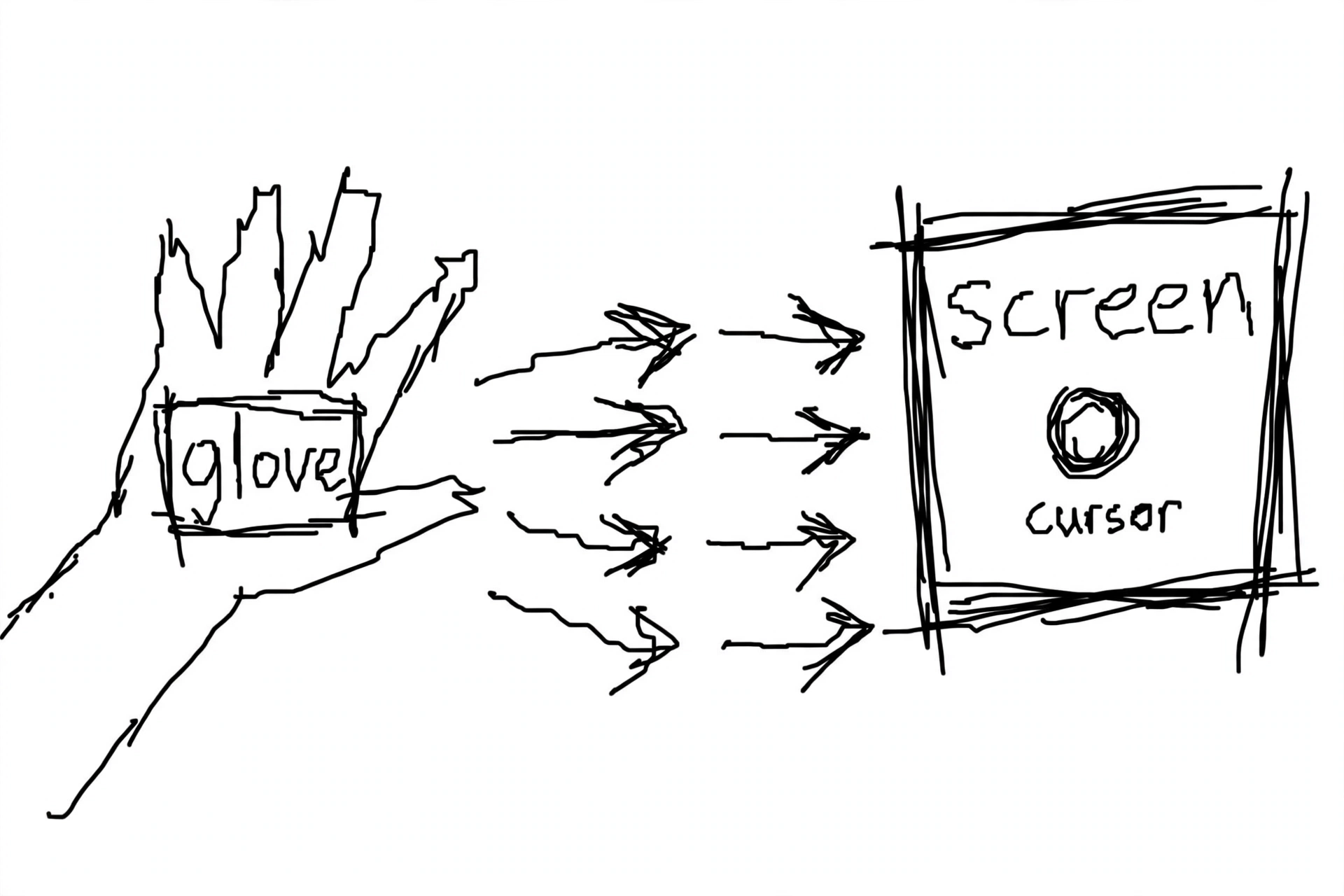
The glove uses an onboard IMU and flex sensors to track your hand orientation and finger movements, which an ESP32 translates into standard HID mouse commands sent over Bluetooth or USB-C.
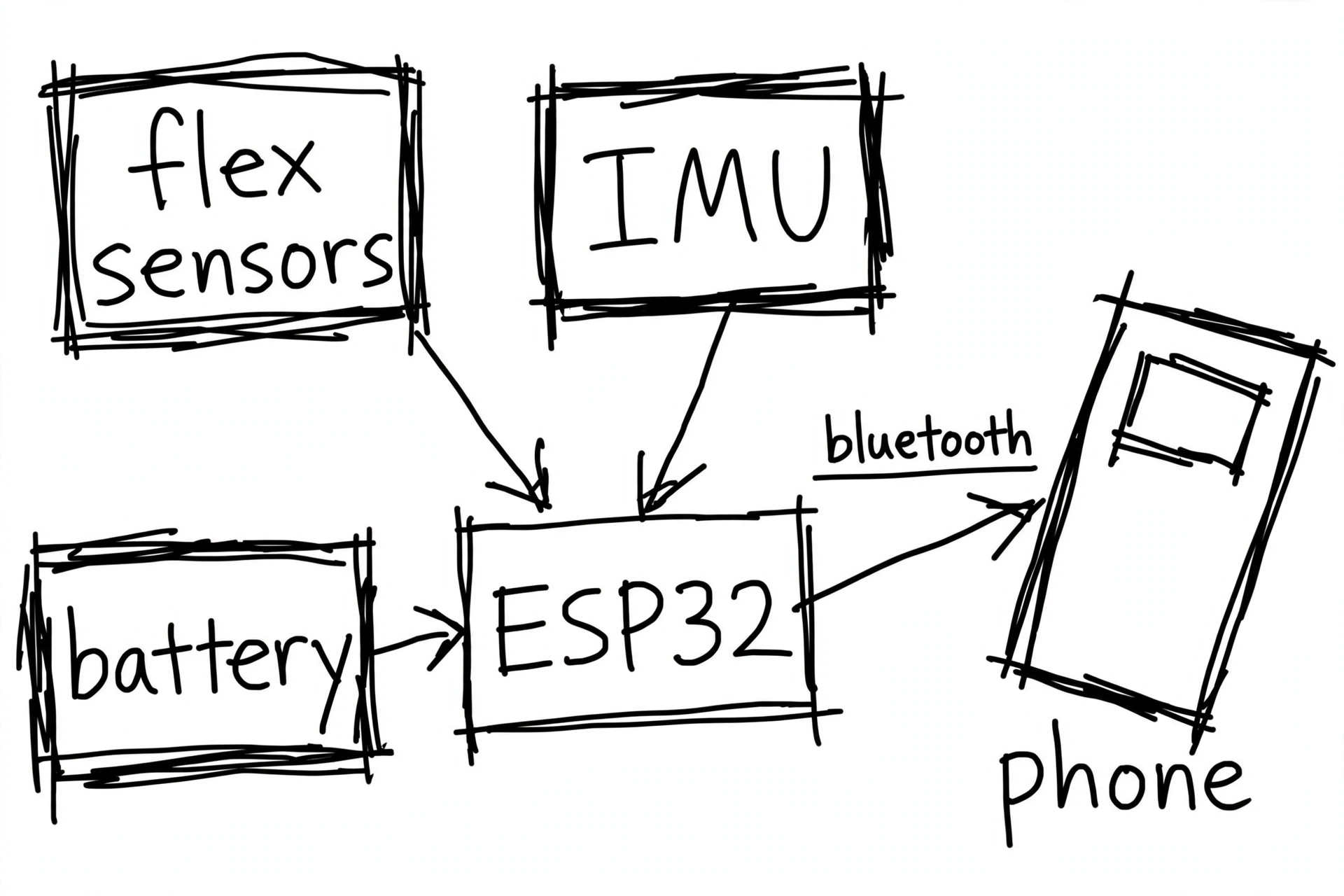
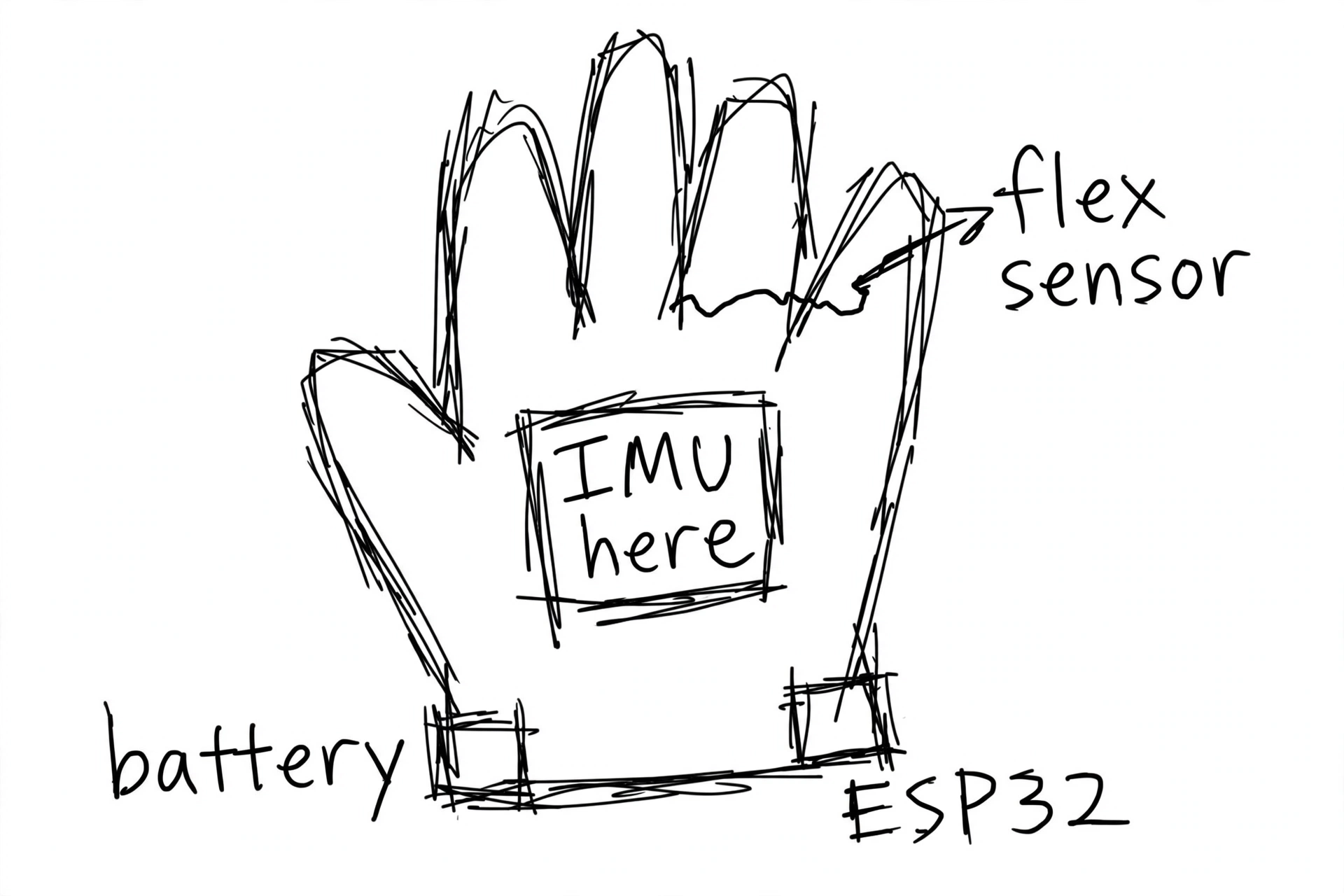
The goal is to keep interactions natural and simple:
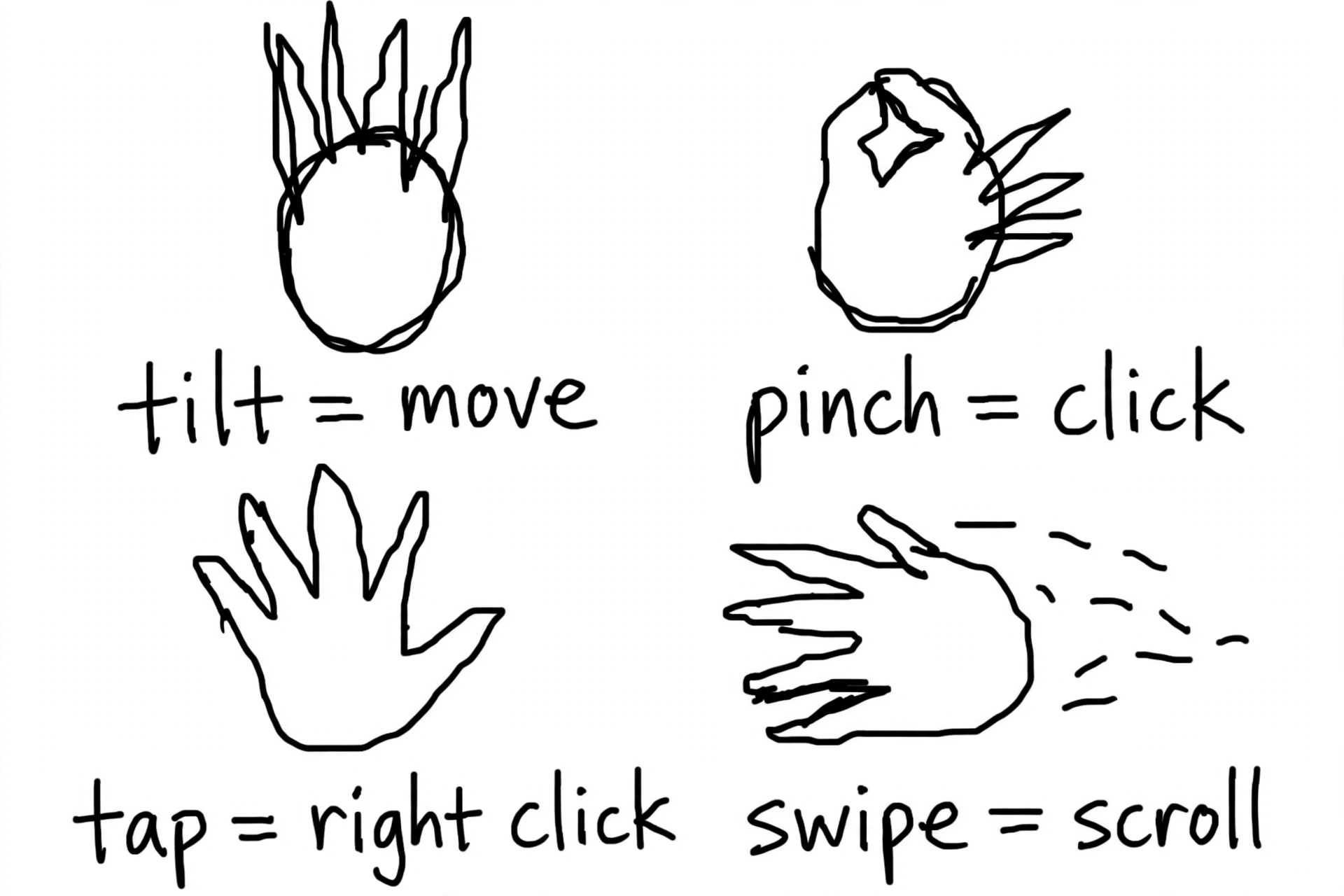
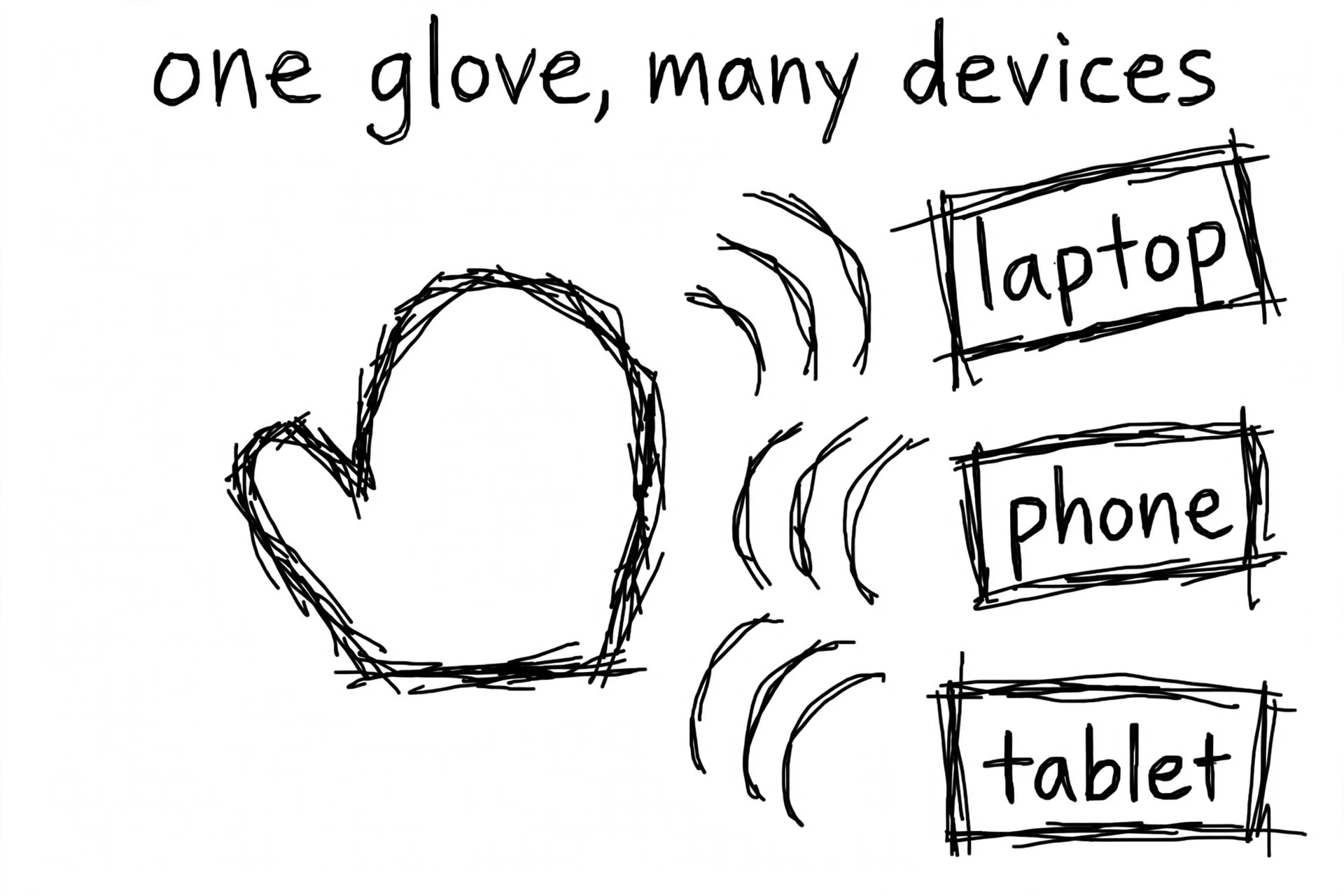
One glove can stay paired with multiple devices at once (laptop, phone, tablet) so you can switch between screens seamlessly without having to disconnect and reconnect every time.
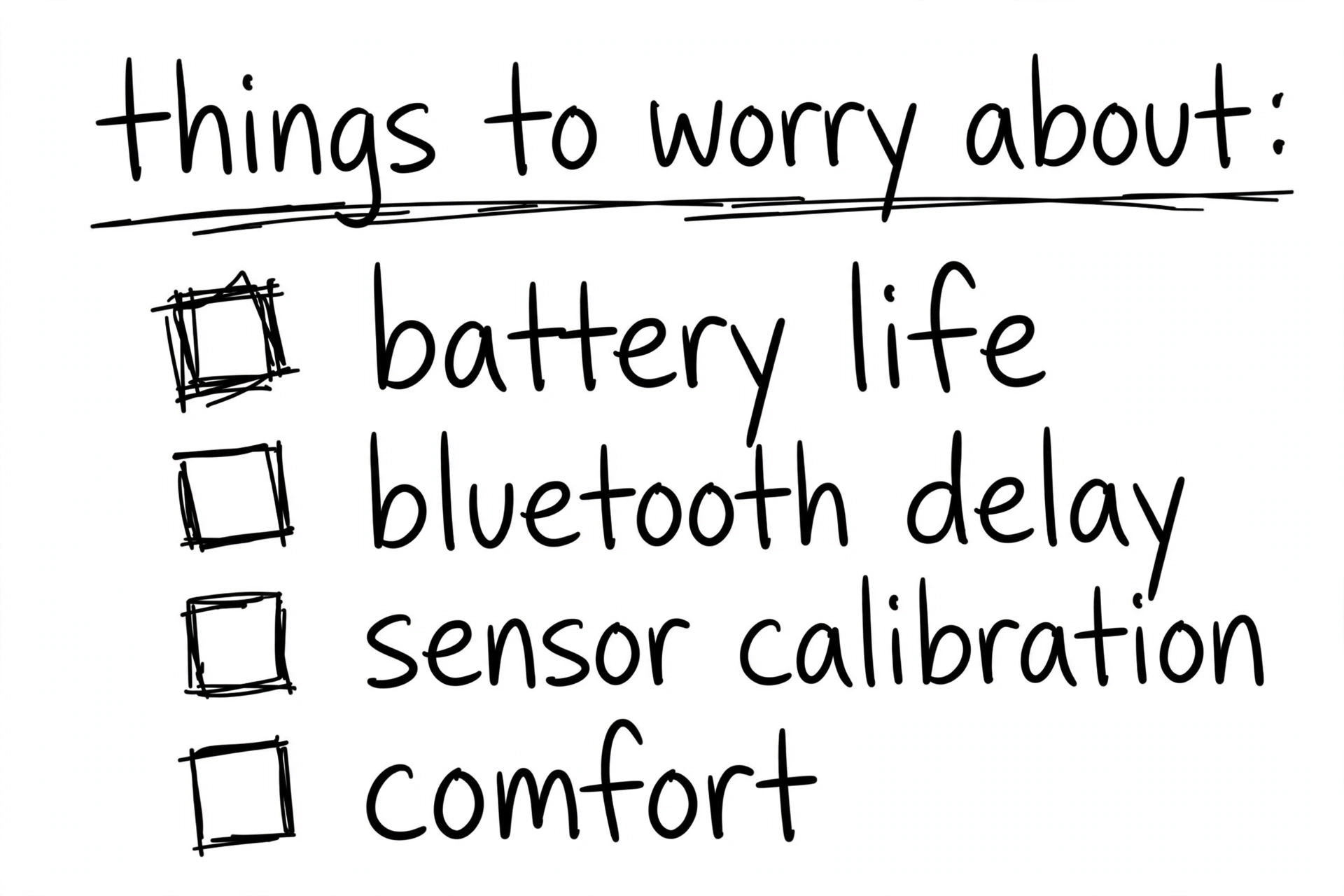
Key things to solve during the build:
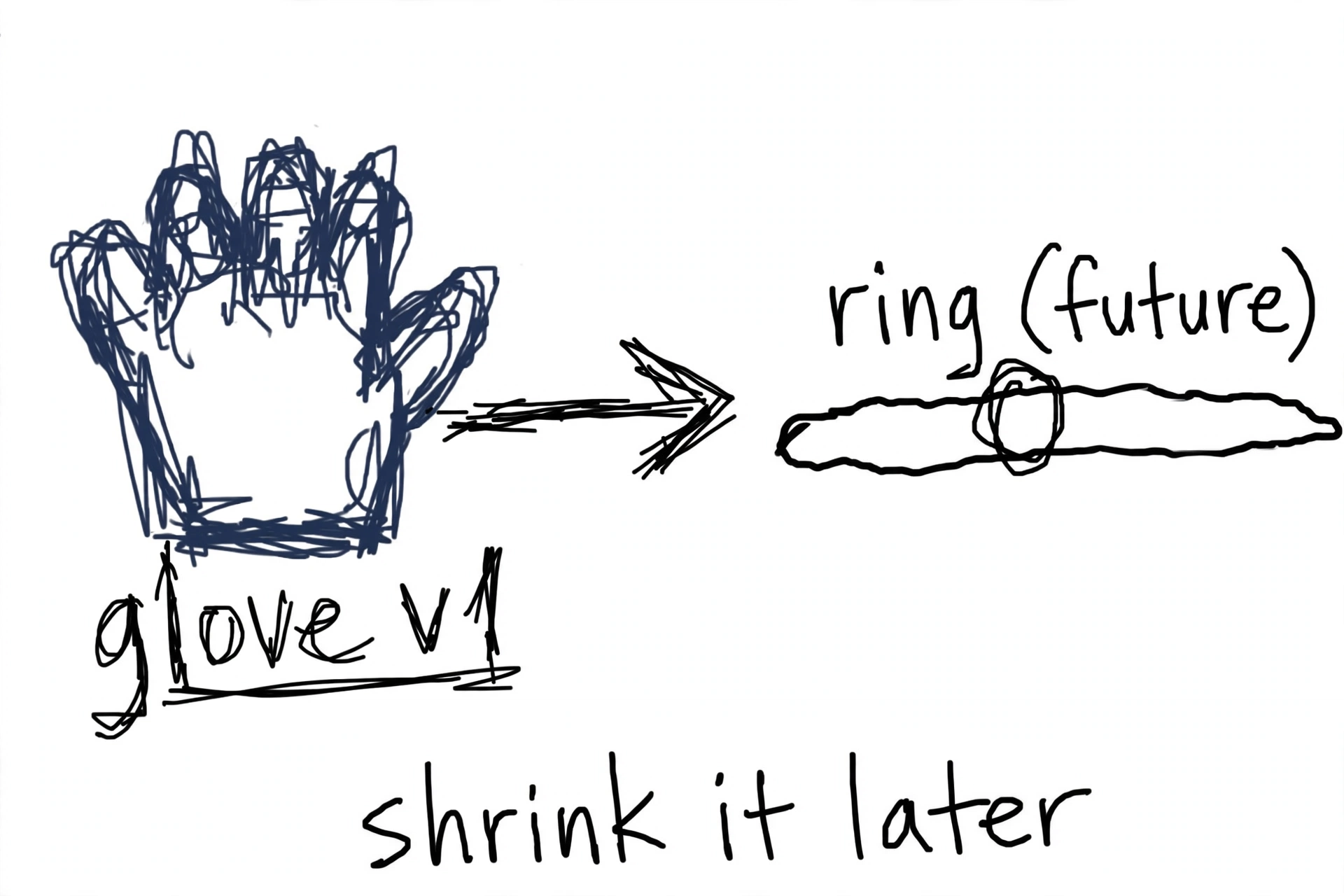
This first prototype is built as a glove to test the sensors and tracking algorithms. Once everything works reliably, the long-term goal is to shrink the entire system down into a compact ring.
Designed and built by Harinandan J V for Hack Club's Half Life.
| Qty | Value | Footprint | References |
|---|---|---|---|
| 6 | 10k | Resistor_SMD:R_0603_1608Metric | R1, R2, R5, R6, R7, R8 |
| 3 | 1u | Capacitor_SMD:C_0603_1608Metric | C1, C7, C8 |
| 2 | 100n | Capacitor_SMD:C_0603_1608Metric | C3, C4 |
| 2 | 1k | Resistor_SMD:R_0603_1608Metric | R10, R13 |
| 2 | 4.7k | Resistor_SMD:R_0603_1608Metric | R3, R4 |
| 2 | 4.7u | Capacitor_SMD:C_0603_1608Metric | C5, C6 |
| 2 | 5.1k | Resistor_SMD:R_0603_1608Metric | R11, R12 |
| 1 | 10u | Capacitor_SMD:C_0603_1608Metric | C2 |
| 1 | 1N4148 | Diode_SMD:D_SOD-123 | D1 |
| 1 | 2N2222 | Package_TO_SOT_SMD:SOT-23 | Q1 |
| 1 | 3.7V 500mAh | BatteryHolder | BT1 |
| 1 | 3.9k | Resistor_SMD:R_0603_1608Metric | R9 |
| 1 | BNO085 | Palma:BNO085_LGA28 | U2 |
| 1 | BOOT | SW_Tactile | SW1 |
| 1 | COIN | Motor_Coin | M1 |
| 1 | DEBUG | Connector_PinHeader_1x04 | J2 |
| 1 | ESP32-S3-WROOM-1 | RF_Module:ESP32-S3-WROOM-1 | U1 |
| 1 | MCP73831 | Package_TO_SOT_SMD:SOT-23-5 | U3 |
| 1 | RED | LED_SMD:LED_0603_1608Metric | D2 |
| 1 | RESET | SW_Tactile | SW2 |
| 1 | TLV75533P | Package_TO_SOT_SMD:SOT-23-5 | U4 |
| 1 | USB-C | Connector_USB:USB_C_Receptacle | J1 |
It measures 60 × 40 mm and has 2 copper layers, 1.6 mm thick.
34 parts, built around the ESP32-S3-WROOM-1-N8, BNO085, MCP73831 and TLV75533PDBV. The full list of its parts is on this page, with links to each part's symbol and footprint where PCBKit's library has them.
From the AwesomeSno/PACC repository on GitHub, at the commit this page was made from: the board is hardware/pacc.kicad_pcb and its schematic hardware/pacc.kicad_sch. PCBKit opens the board in the browser, with nothing to install.
Its repository states no licence, so its author keeps all rights: ask AwesomeSno before reusing the design.
ginomcfino/auv-sensor-hub
STM32-based sensor hub for autonomous underwater vehicles, integrating CAN bus communication, inertial and pressure sensing, and multi-rail power regulation.

victorstoica114/UWB_Module_ESP_IDF
ESP-IDF 6.0.2 firmware for the custom UWB Module V1.0 Rev.B, based on an ESP32-S3-WROOM-1-N16R8. The same application image runs on every module; persistent identity and runtime configuration select the role and active…


Ghost3379/NX-ISD
A more sophisticated version of the Artemis Watch by Circuitmess.


NBence0/JedlikBots
Welcome to the official GitHub page of JedlikBots! 🎓🤖 We are the dedicated team of software development and robotics students from the Jedlik Ányos Technical School in Győr, Hungary.