2 layers74 × 42 mm

 zzeneg/trio42
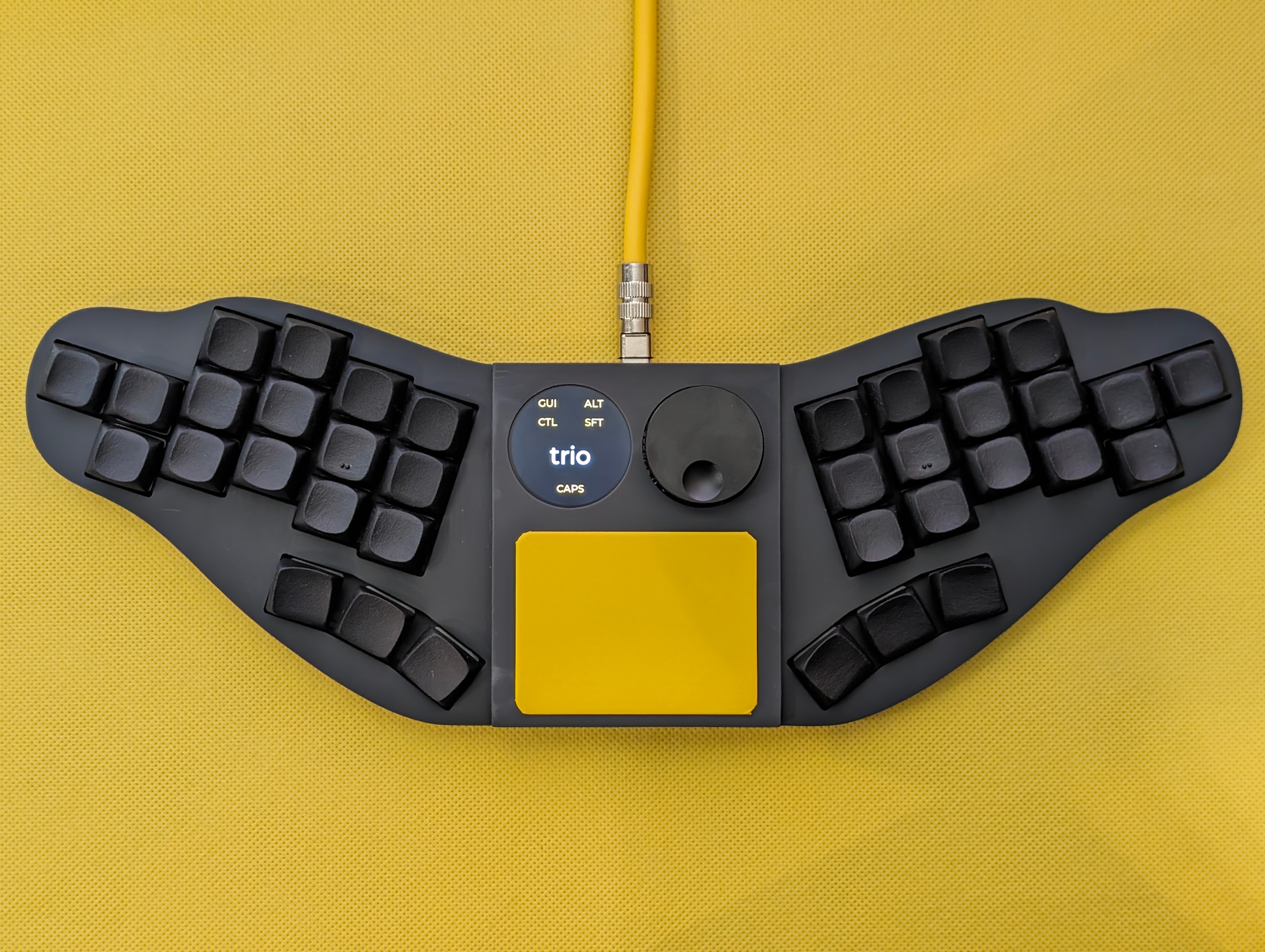
Modular ergonomic keyboard with touchpad and display
Side is an open-source printed circuit board by zzeneg, from the zzeneg/trio repository on GitHub, published under the MIT licence. It is a 2-layer board of 97.7 × 81.2 mm with 50 parts on 33 nets, routed with 617 tracks and 94 vias.
Its parts include 18 diodes, 18 switches and 10 connectors. It belongs with the keyboards and input boards of this library.
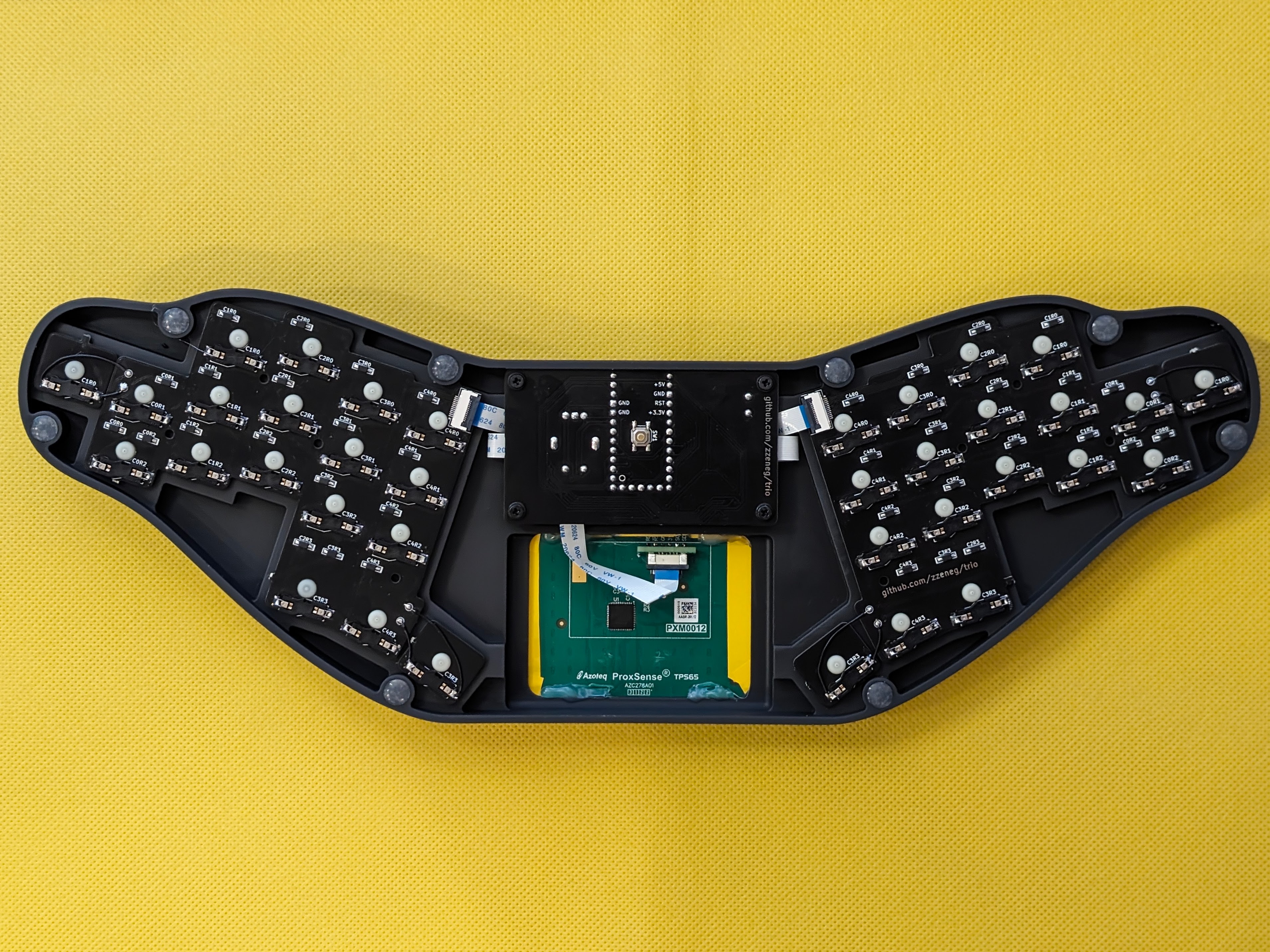
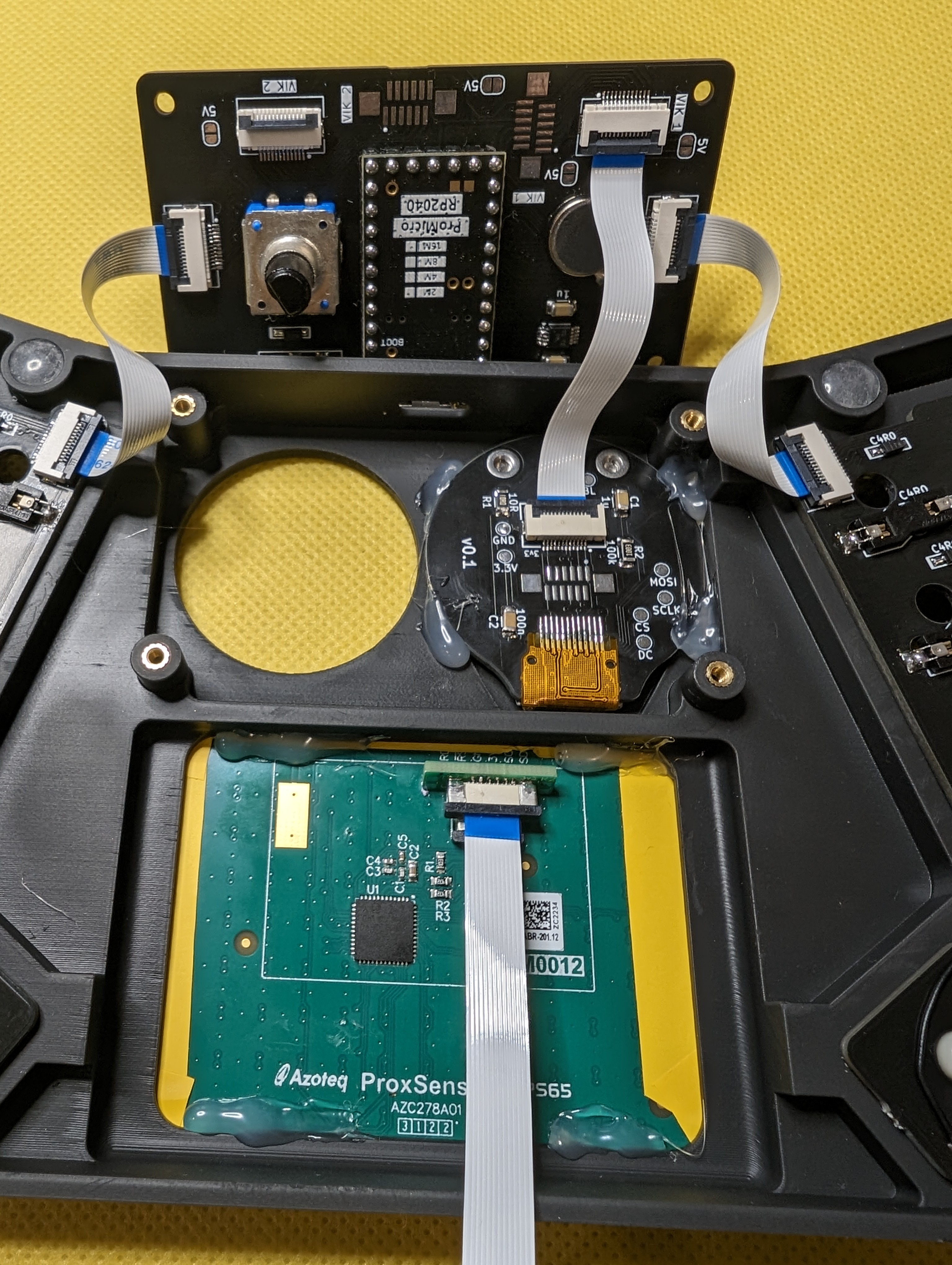
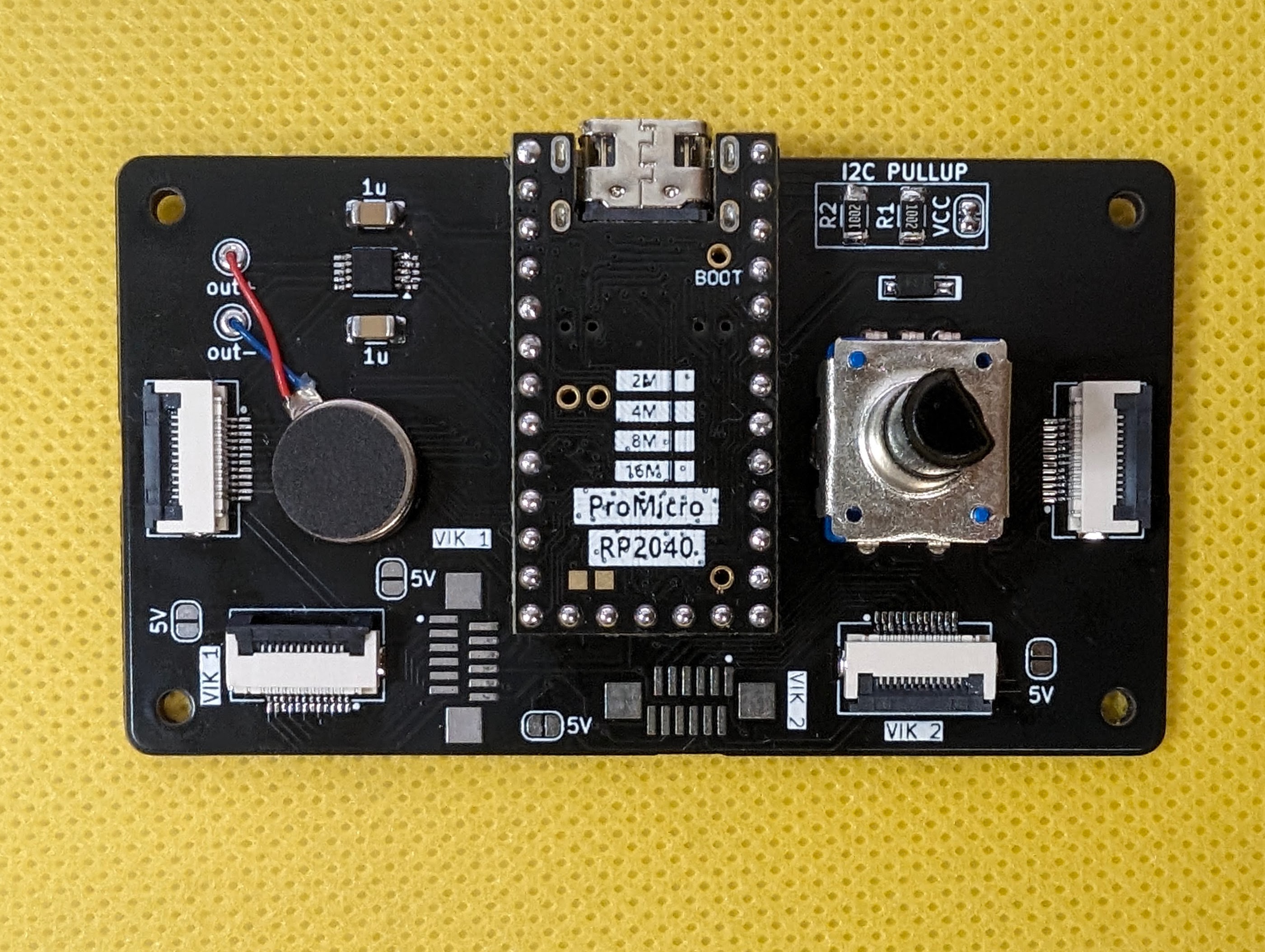
Modular unibody keyboard with two VIK modules.
[!CAUTION] This keyboard is designed for minimal vertical spacing (19x16mm). Regular keycaps will not fit, you must print your own - for example my DES MinY.
It's created as a cheap prototype to test VIK abilities and modules - all PCBs are under 100x100mm, one-piece case <0.3kg for cheap JLCPCB shipping.
Build process requires a lot of hand-soldering with 0.5mm pitch, you need good tools and experience to do that.
I do not recommend to build it exactly like that, but to use it as inspiration for your projects. Feel free to use and improve KiCad and Fusion 360 source files.
Companion app for Raw HID communication. Use "productId": 2120 for that keyboard.
Please see main config.h and rules.mk for comments and available options.
For proper KiCad setup install my zzkeeb library
If you like my work and want to support my future designs, please consider sponsorship.
Thank you very much for your support!

| Qty | Value | Footprint | References |
|---|---|---|---|
| 18 | D | zzkeeb:Diode_1N4148-SOD123-reversible-flip3d | D1, D2, D3, D4, D5, D6, D7, D10, D11, D12, D13, D14, D15, D16, D17, D18 +2 |
| 18 | Switch | zzkeeb:Switch_KS-miny-reversible-hotswap-south | SW1, SW2, SW3, SW4, SW5, SW6, SW7, SW10, SW11, SW12, SW13, SW14, SW15, SW16, SW17, SW18 +2 |
| 4 | MountingHole | zzkeeb:Hole_M2 | H1, H2, H3, H4 |
| 2 | C0 | TestPoint:TestPoint_THTPad_D1.5mm_Drill0.7mm | J2, J7 |
| 2 | C2 | TestPoint:TestPoint_THTPad_D1.5mm_Drill0.7mm | J4, J9 |
| 2 | Conn_01x12_Socket | zzkeeb:Connector_FFC-12pin-0.5mm-horizontal | J5, J6 |
| 2 | R0 | TestPoint:TestPoint_THTPad_D1.5mm_Drill0.7mm | J1, J8 |
| 2 | R3 | TestPoint:TestPoint_THTPad_D1.5mm_Drill0.7mm | J3, J10 |
It measures 97.7 × 81.2 mm and has 2 copper layers, 1.6 mm thick.
50 parts. The full list of its parts is on this page, with links to each part's symbol and footprint where PCBKit's library has them.
From the zzeneg/trio repository on GitHub, at the commit this page was made from: the board is pcb/side.kicad_pcb and its schematic pcb/main.kicad_sch. PCBKit opens the board in the browser, with nothing to install.
Its repository publishes it under the MIT licence: you may reuse it on that licence's terms (keep the author's notice, and for a copyleft licence share your changes alike).


hackclub/OnBoard
💡 Join 1,000 teenagers and make your first PCB with a $100 grant!

dmcke5/NucDeck
The Open Source DIY Handheld Gaming PC!


roarfred/AmsToMqttBridge
Minimalistic system to read AMS/HAN data from electrical meter