
6 layers243.8 × 243.8 mm
Raven
agranlund/raven
Homemade MC68060 + DSP56303 Atari-compatible computer. Hardware, firmware, and software stack
331 parts87

 Patokyo/mp3-xiao
Making an Mp3 player out of a Seeed Studio Xiao Esp32-S3
Mp3-xiao is an open-source printed circuit board by Patokyo, from the Patokyo/mp3-xiao repository on GitHub. It is a 2-layer board of 62 × 45.7 mm with 12 parts on 21 nets.
It is built around the PCM5102APW. Its parts include 5 ICs, 4 switches and 3 resistors. It belongs with the ESP32 boards of this library.
A portable DIY MP3 player built using the Seeed Studio XIAO ESP32-S3
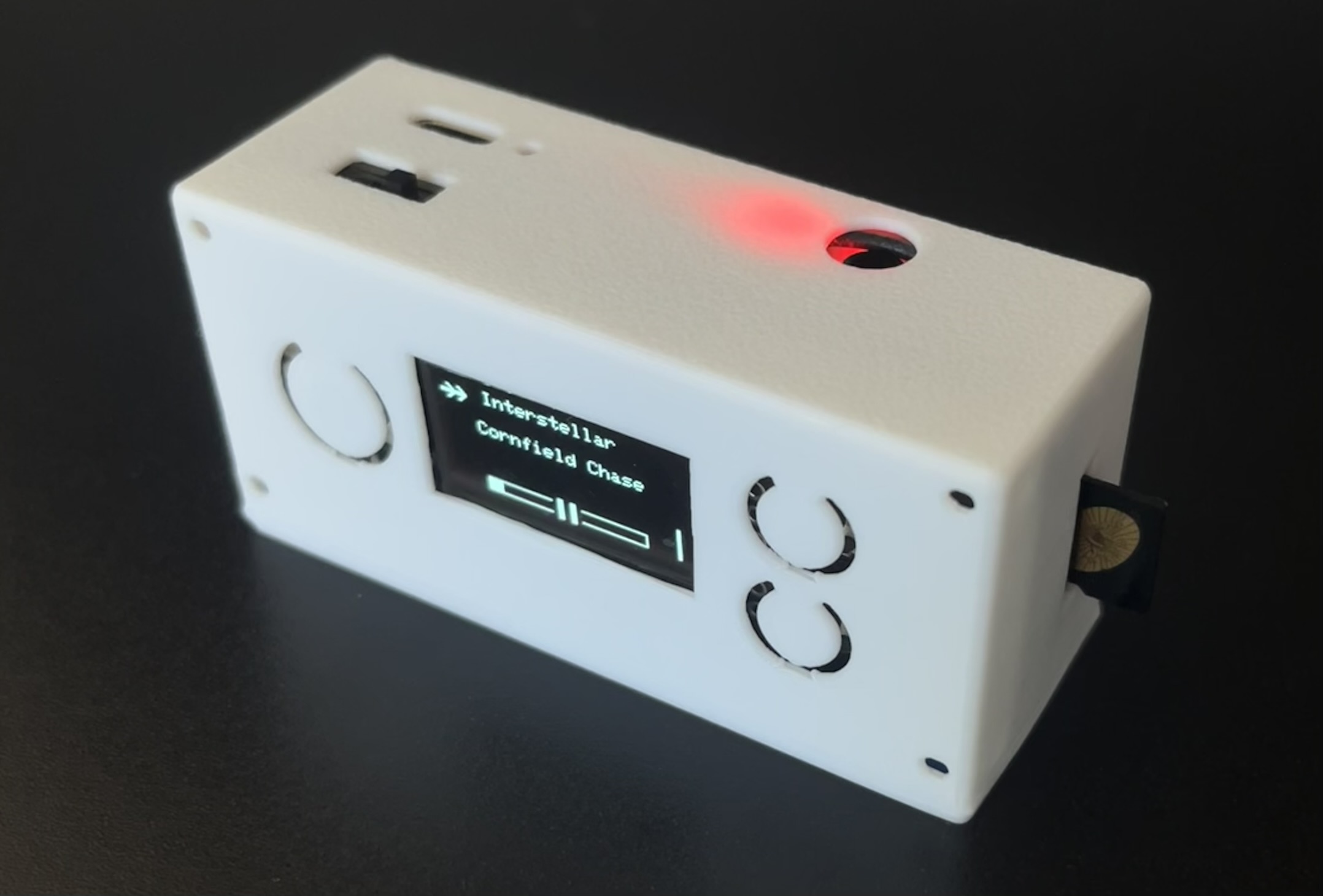
MP3 Xiao is a compact, battery-powered music player designed from scratch. It features SD card audio playback, a simple button-based interface, and a clean OLED display for navigation and playback information.
I was looking for a small, simple, cheap and high quality mp3 player but couldn't find one that fit all my needs - so I built one! All the components together cost less than $40 AUD, it fits in my pocket and the audio playback is crisp. The files in this repo consist of all my prototyping and testing to get all the components to work together, my C++ Arduino firmware for the device (including a python script to format the sd card so the esp32 can understand) and the CAD files for my 3d-printed case design. I also included some photos of the finished v1 device.
|
🎵 MP3 playback from SD card 📁 Album & Playlist selection 🔀 Sequential and shuffle playback options 🔊 Volume control 🔋 Battery powered with USB-C charging 🧵 3D-printed case 🤏 Small form factor |
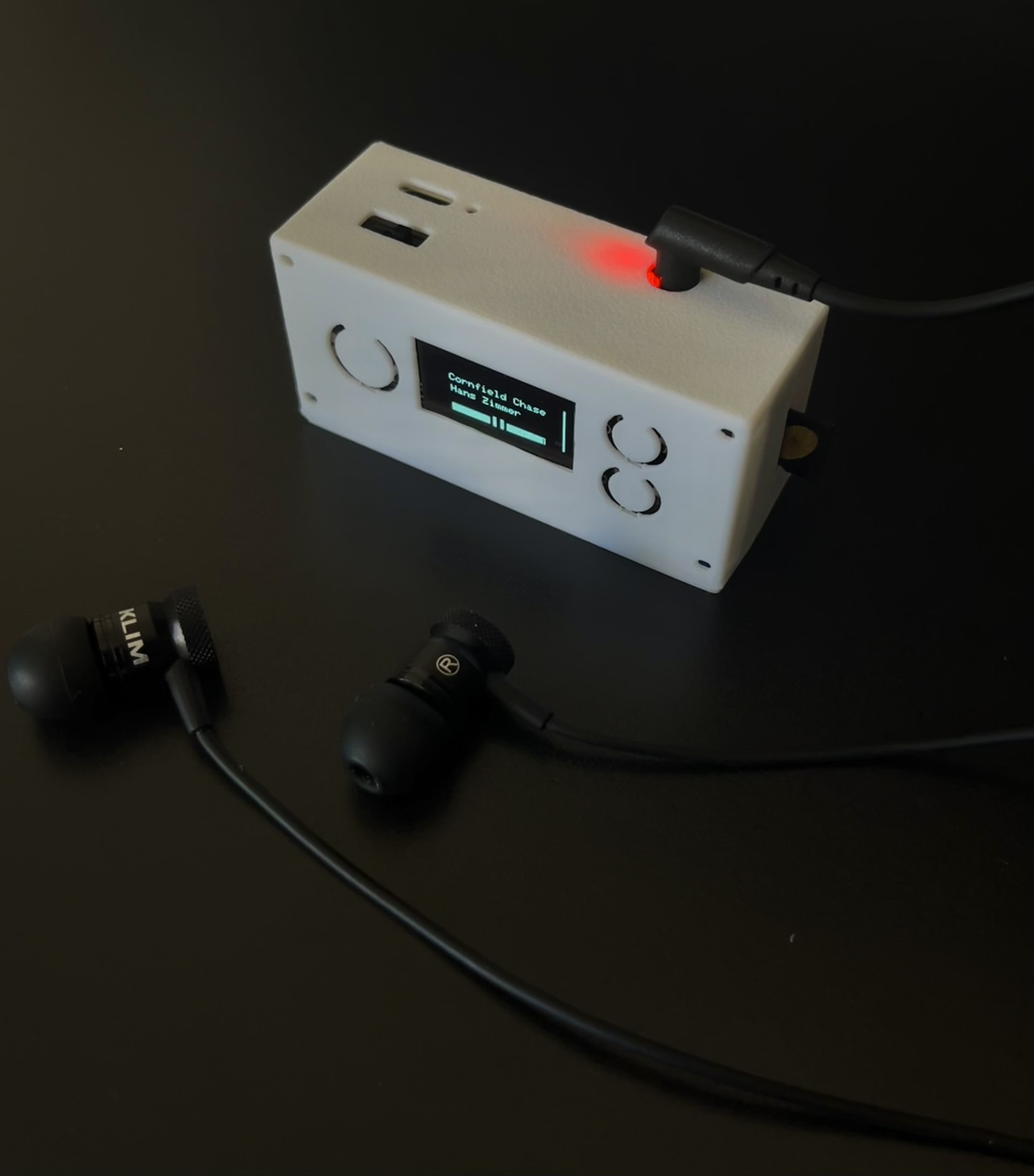
|
| Component | Description | Image |
|---|---|---|
| Microcontroller | Seeed Studio XIAO ESP32-S3 | 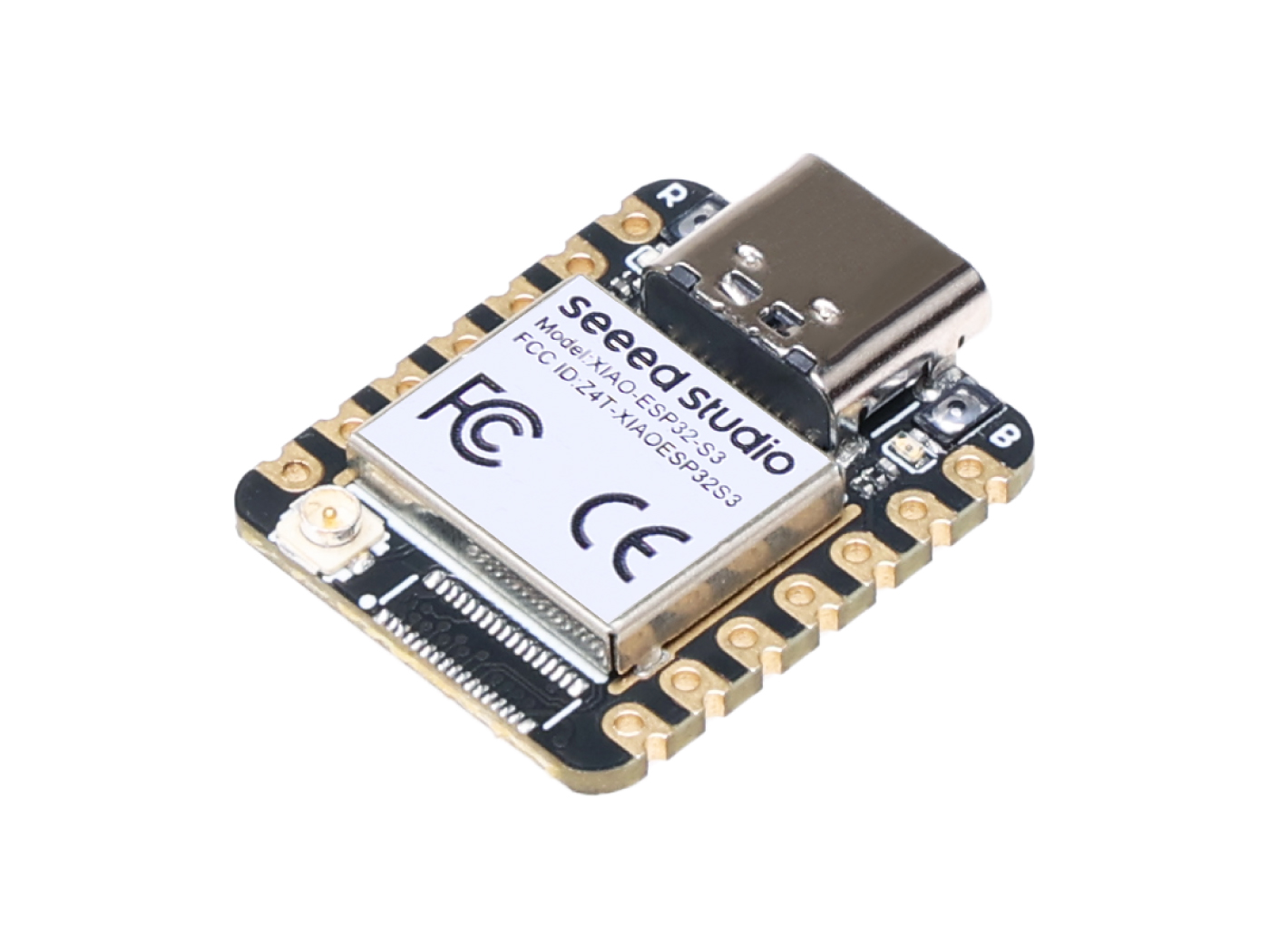 |
| DAC | PCM5102A (I2S, 3.5mm audio output) | 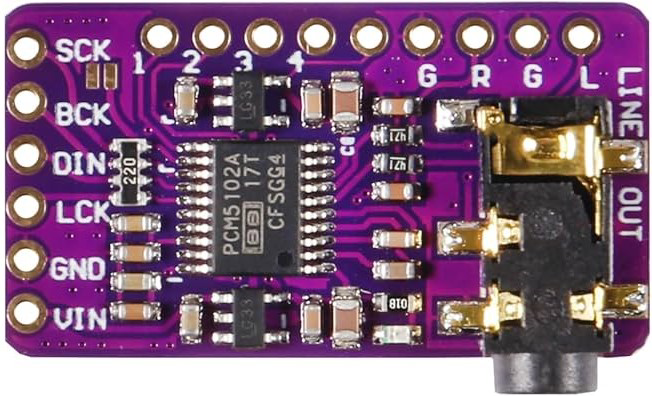 |
| Storage | MicroSD card module | 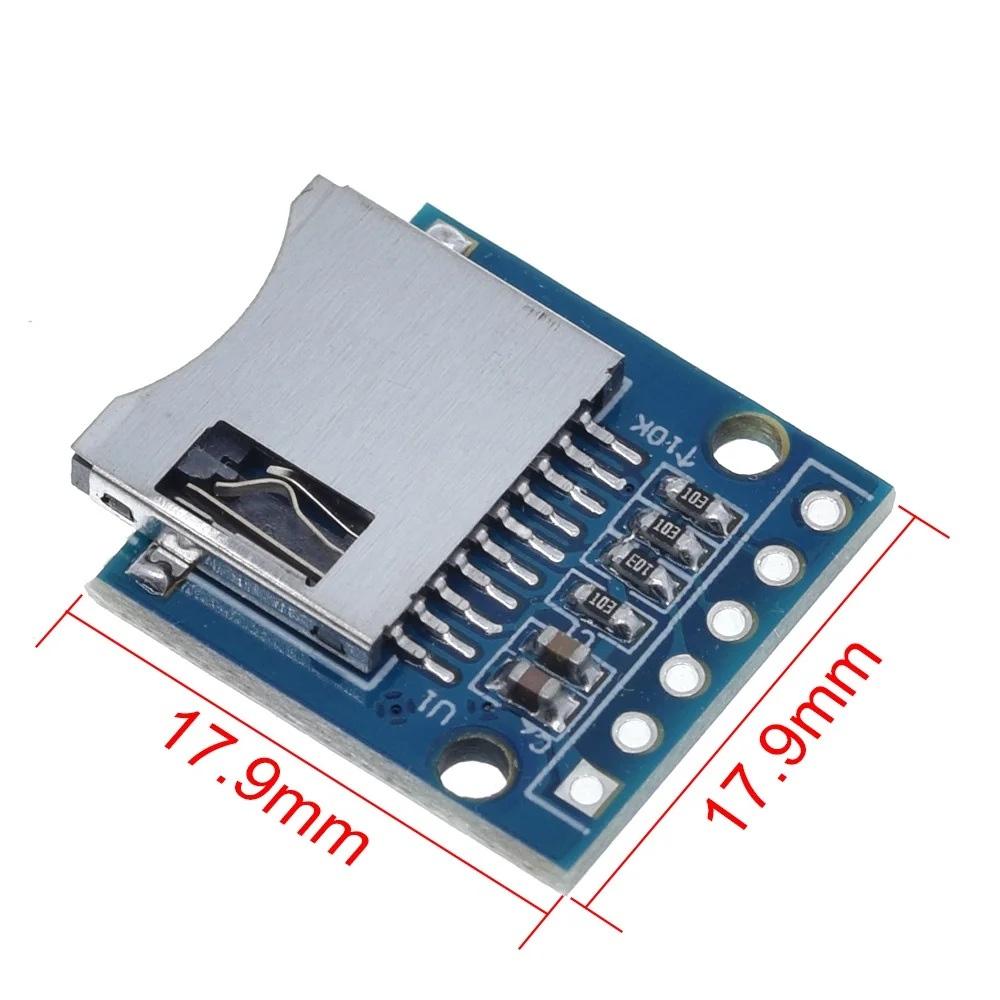 |
| Display | SSD1306 OLED (128×64, I2C, 4-pin) | 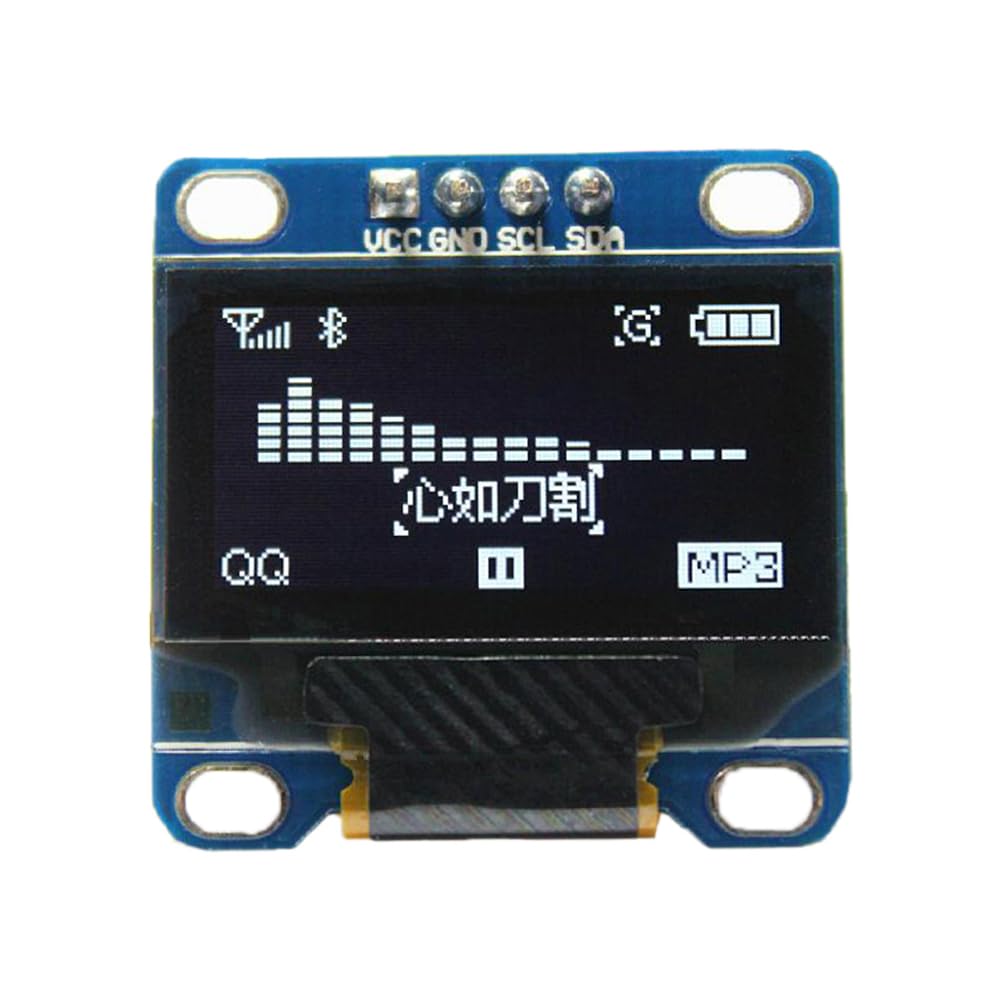 |
| Input | 3× push buttons (via resistor ladder) | 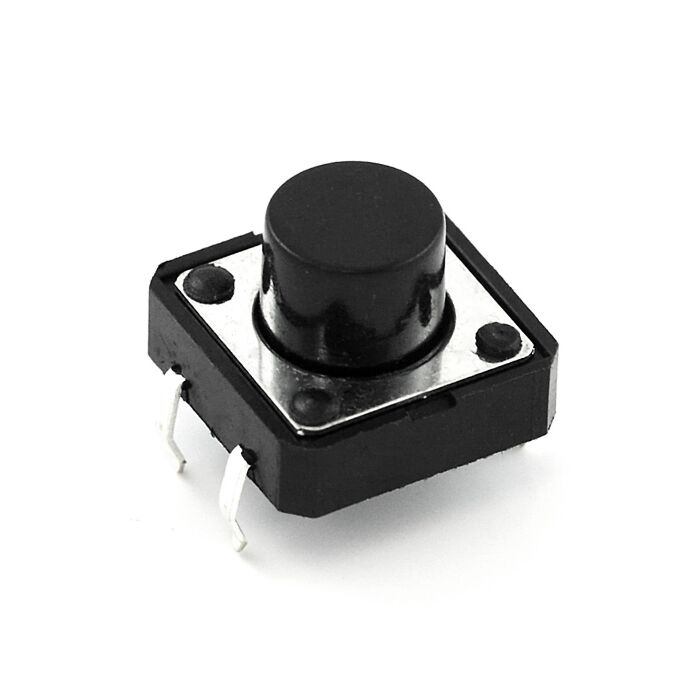 |
| Power | LiPo battery with charging circuit (600mAh 3.7V 503040) | 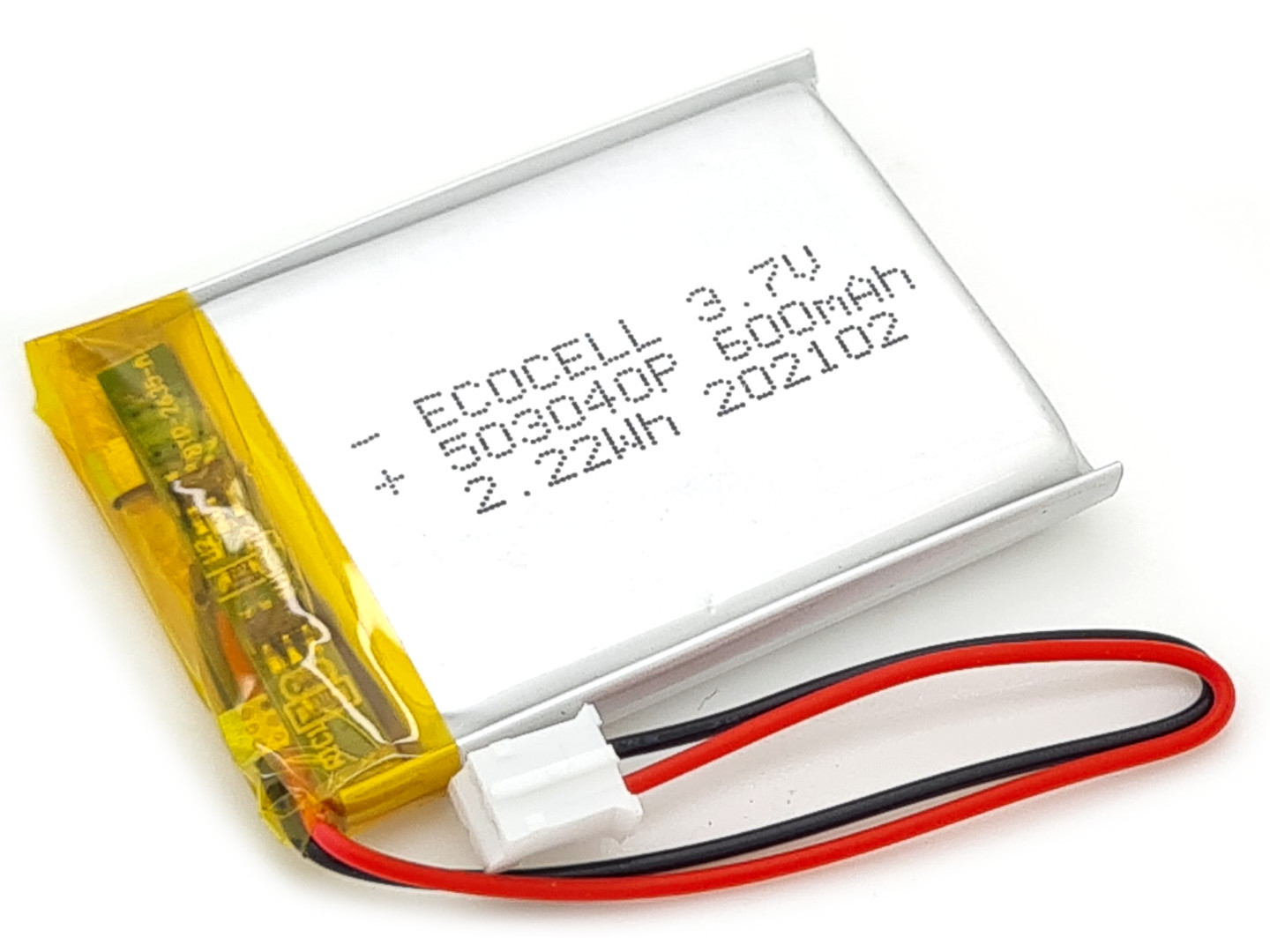 |
Shows the text "Initialising..." on the OLED whilst the device sets up the SD card and chooses the first song to play.
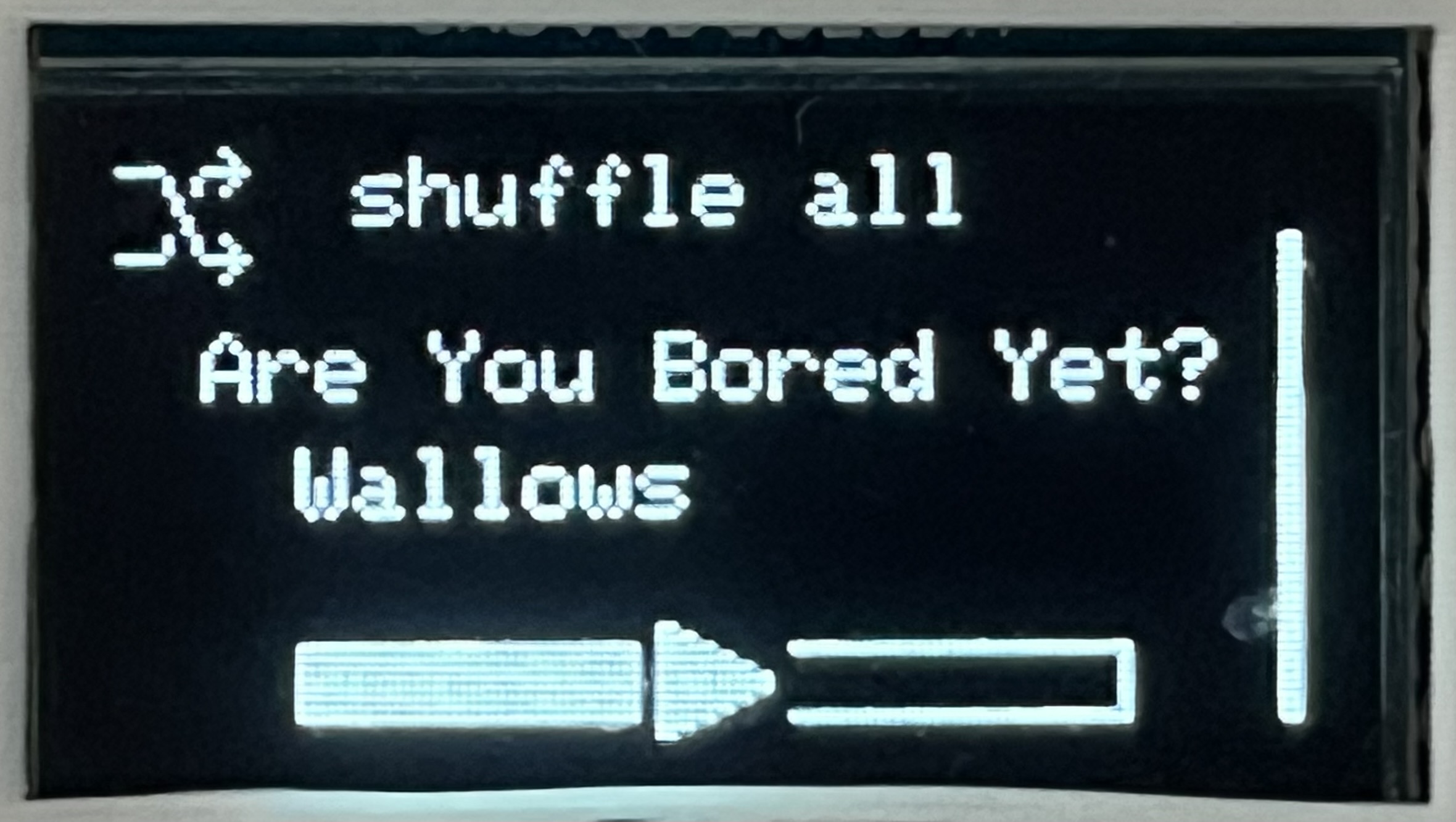
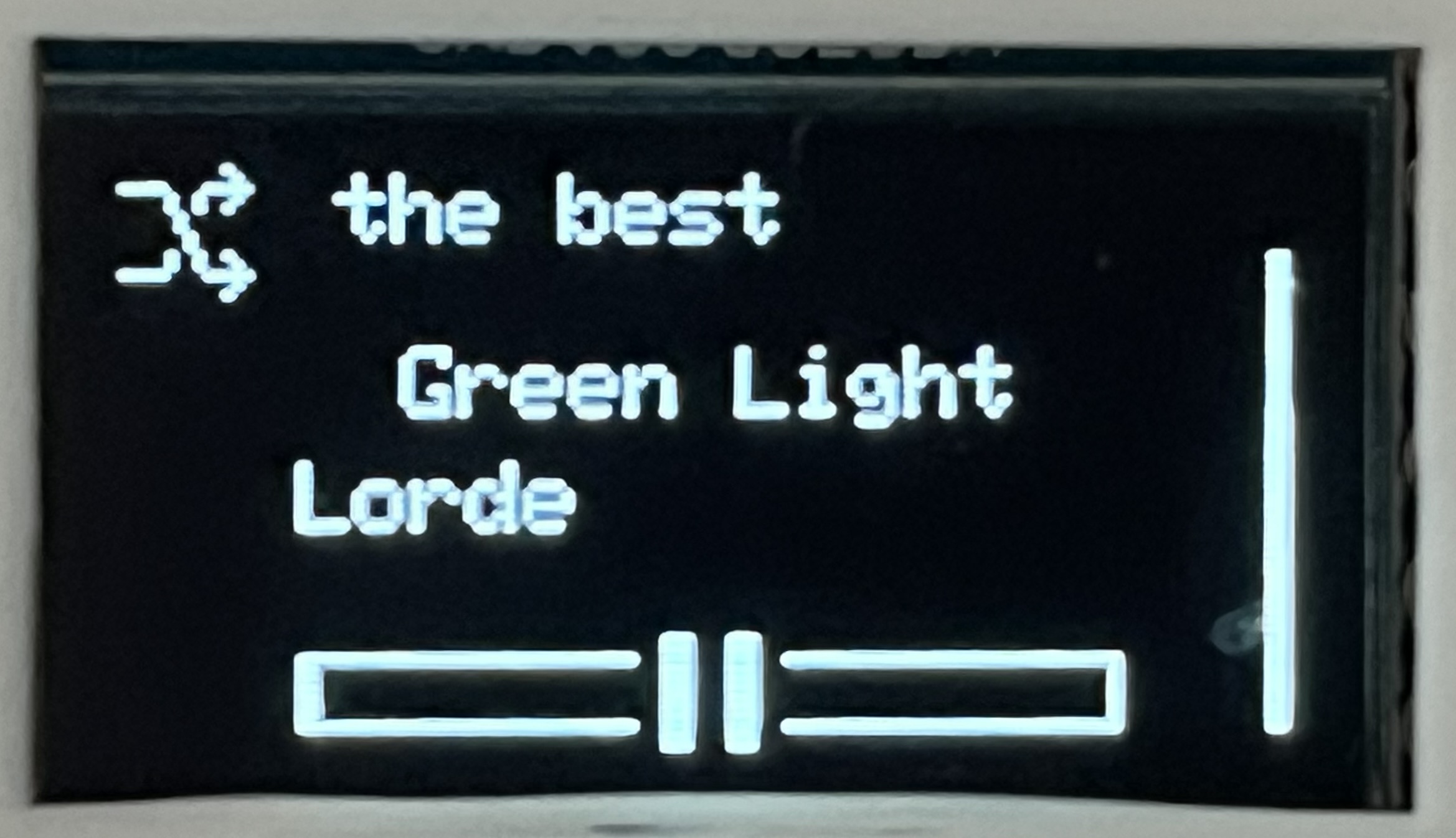
On startup the device defaults to shuffle all mode, which plays tracks randomly from anywhere on the sd card. Shows song and artist name, along with a progress and volume bar.
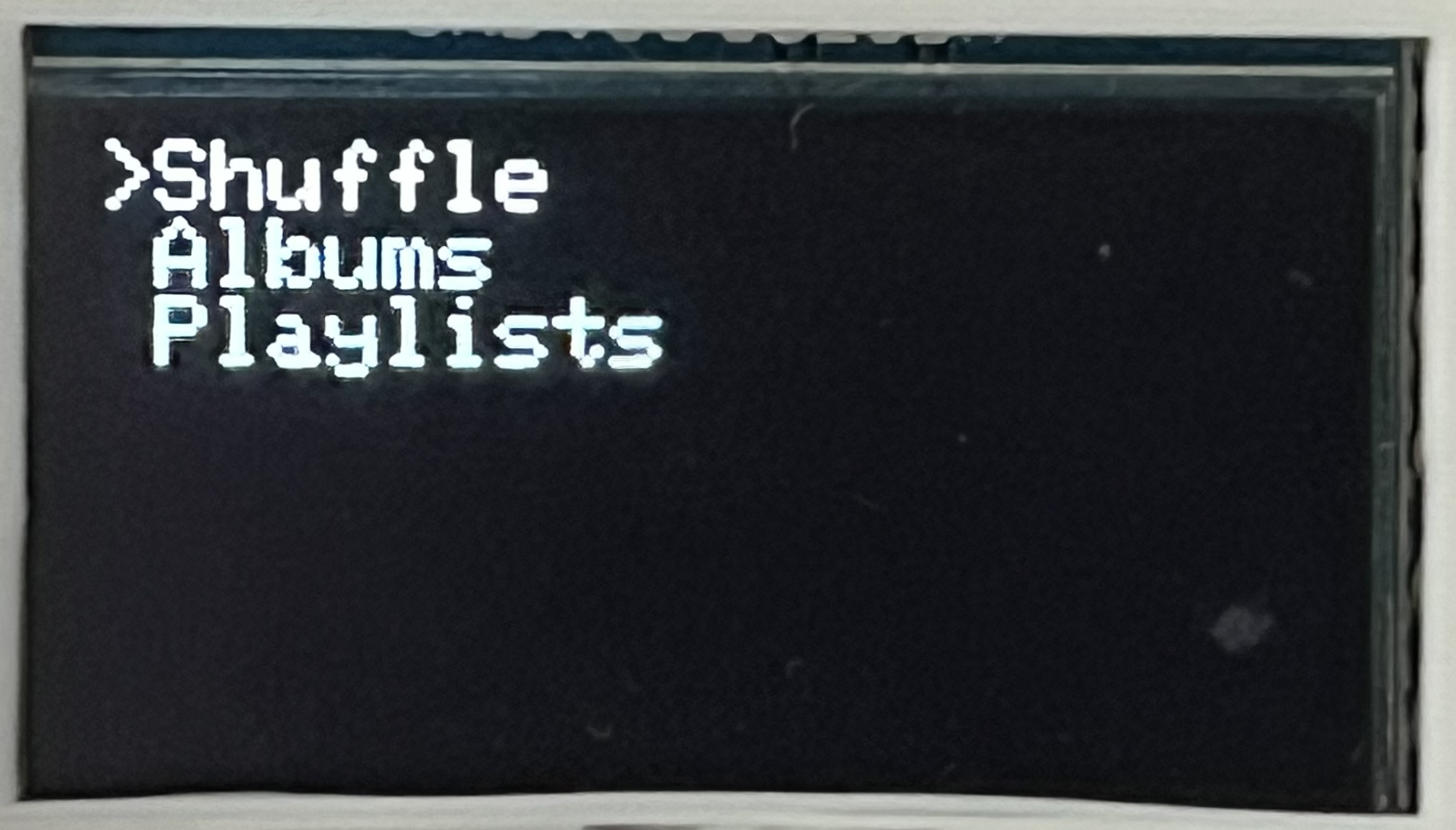
Hold down the big button to enter navigation mode, using the up and down button to select between Shuffle, Albums and Playlists, then release to continue.
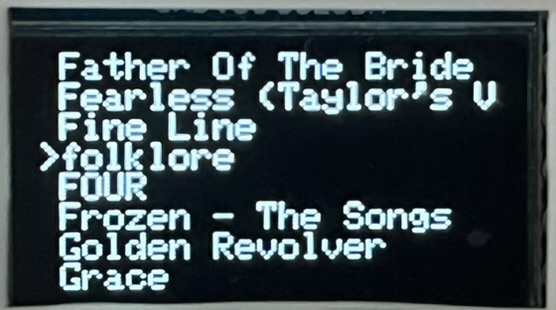
Displays all the albums or playlists stored on the SD card in alphabetical order. Use the up and down button to smoothly scroll through, and the big button to select.
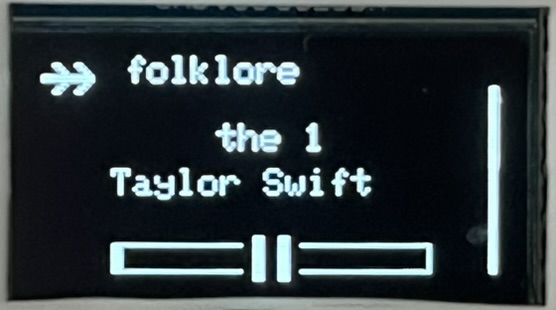
Displays the album name and a sequential indicator showing that it will play each song in album order. Shows song and artist name, along with a progress and volume bar.
Displays the playlist name and a shuffle indicator showing that it will play songs in random order. Shows song and aritst name, along with a progress and volume bar.
Currently working on V2 - a custom PCB to fit all the components into a nicer package.
| Qty | Value | Footprint | References |
|---|---|---|---|
| 2 | 10k | Resistor_SMD:R_0805_2012Metric_Pad1.20x1.40mm_HandSolder | R1, R3 |
| 2 | SW_Push | Button_Switch_THT:SW_PUSH_6mm | SW2, SW3 |
| 1 | 1k | Resistor_SMD:R_0805_2012Metric_Pad1.20x1.40mm_HandSolder | R2 |
| 1 | ESP32 S3 XIAO | custom_footprint_library:ESP32 S3 XIAO | U2 |
| 1 | OLED ssd1306 | custom_footprint_library:OLED ssd1306 | U1 |
| 1 | PCM5102A | custom_footprint_library:PCM5102A | U4 |
| 1 | SW_Nidec_CAS-120A1 | custom_footprint_library:spdt slide switch | SW4 |
| 1 | SW_Push | Button_Switch_THT:SW_PUSH-12mm_Wuerth-430476085716 | SW1 |
| 1 | micro sdcard module | custom_footprint_library:micro sd card module | U3 |
| 1 | ~ | custom_footprint_library:battery_pads | U5 |
agranlund/raven
Homemade MC68060 + DSP56303 Atari-compatible computer. Hardware, firmware, and software stack


xiphonics/picoTracker-pcb
Buy the official kit at xiphonics store # Trademark Notice


martinroger/ipodesp32
An iPod emulator for 2006-2013 BMW Mini Coopers that need Bluetooth
It measures 62 × 45.7 mm and has 2 copper layers, 1.6 mm thick.
12 parts, built around the PCM5102APW. The full list of its parts is on this page, with links to each part's symbol and footprint where PCBKit's library has them.
From the Patokyo/mp3-xiao repository on GitHub, at the commit this page was made from: the board is v2/pcb/mp3-xiao/mp3-xiao.kicad_pcb and its schematic v2/pcb/mp3-xiao/mp3-xiao.kicad_sch. PCBKit opens the board in the browser, with nothing to install.
Its repository states no licence, so its author keeps all rights: ask Patokyo before reusing the design.