2 layers102 × 85 mm
Superflat
hackclub/OnBoard
💡 Join 1,000 teenagers and make your first PCB with a $100 grant!
94 parts915

 jmding8/MercuryKeyboard35
A small, row staggered keyboard
Mercury is an open-source printed circuit board by jmding8, from the jmding8/MercuryKeyboard repository on GitHub, published under the MIT licence. It is a 2-layer board of 242.9 × 86.2 mm with 94 parts on 67 nets, routed with 1,865 tracks and 28 vias.
Its parts include 44 switches, 42 diodes, 2 ICs and 2 connectors. It belongs with the keyboards and input boards and the nRF52 and nRF5x boards of this library.
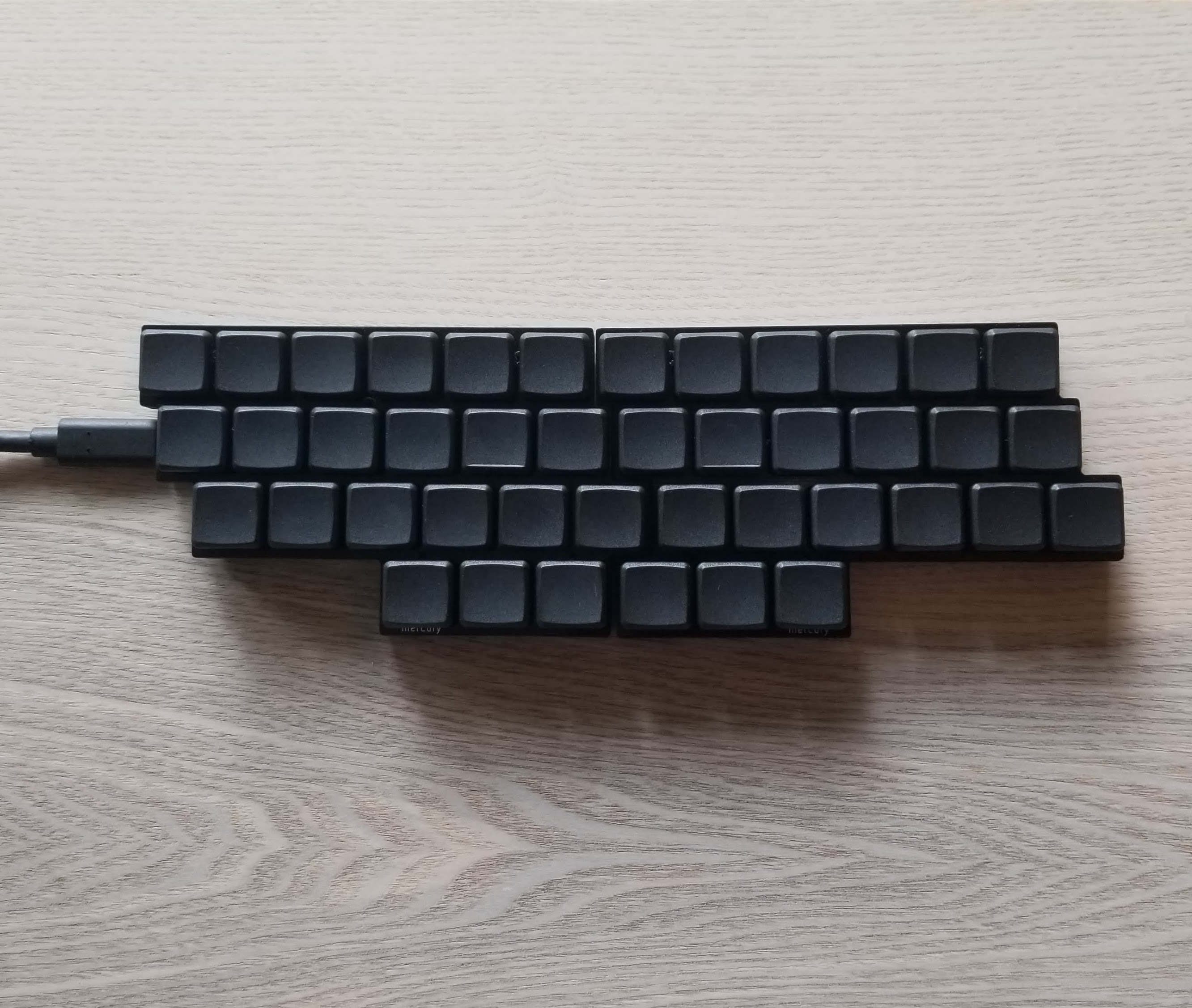
Mercury is a row staggered keyboard with 42 keys that kind of looks like a pair of wings. It is primarily designed as a split, wireless, low-profile keyboard. Other build configurations are also possible, but full feature parity is not guaranteed. If you are looking for a 40% keyboard with thumb keys and a conventional row staggered layout, then Mercury might be for you.
With MBK keycaps, Mercury is 19mm thick from table to typing-surface. Its batteries are fully enclosed and protected inside the case of the keyboard. Default firmware is pre-compiled with a keymap that I personally use exclusively and on a daily basis.
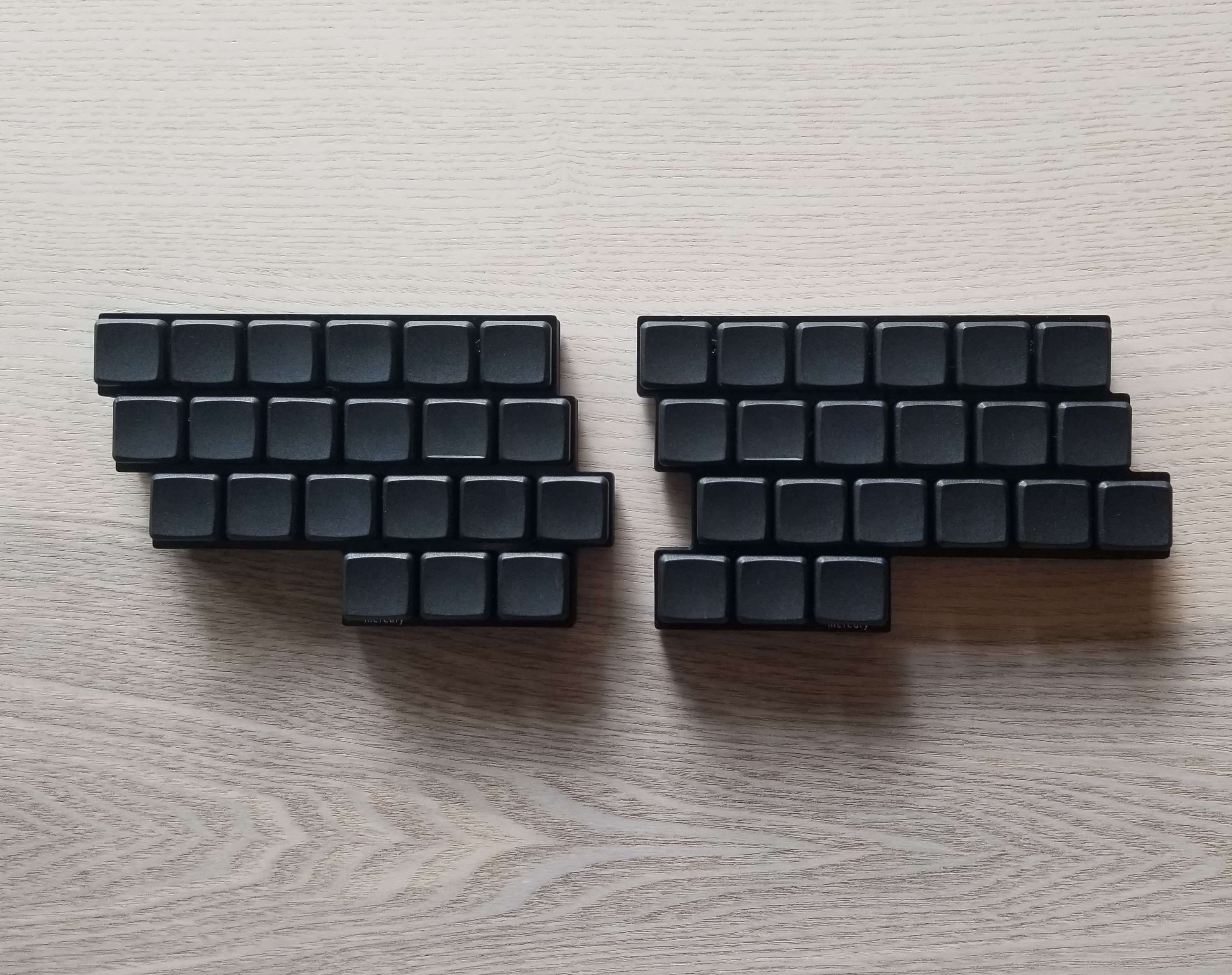
Split, wired, full-height
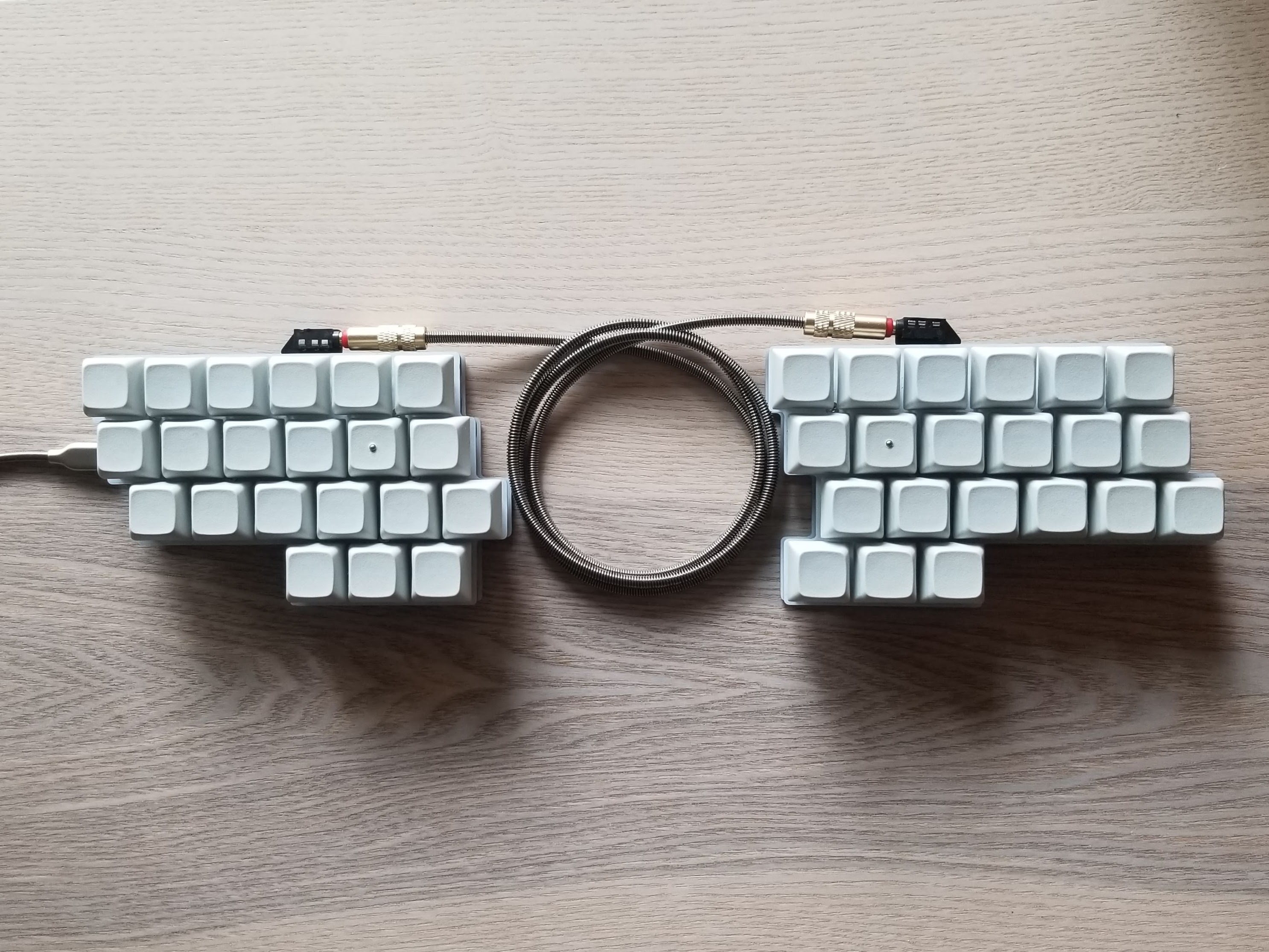
Monoblock, wireless, low-profile
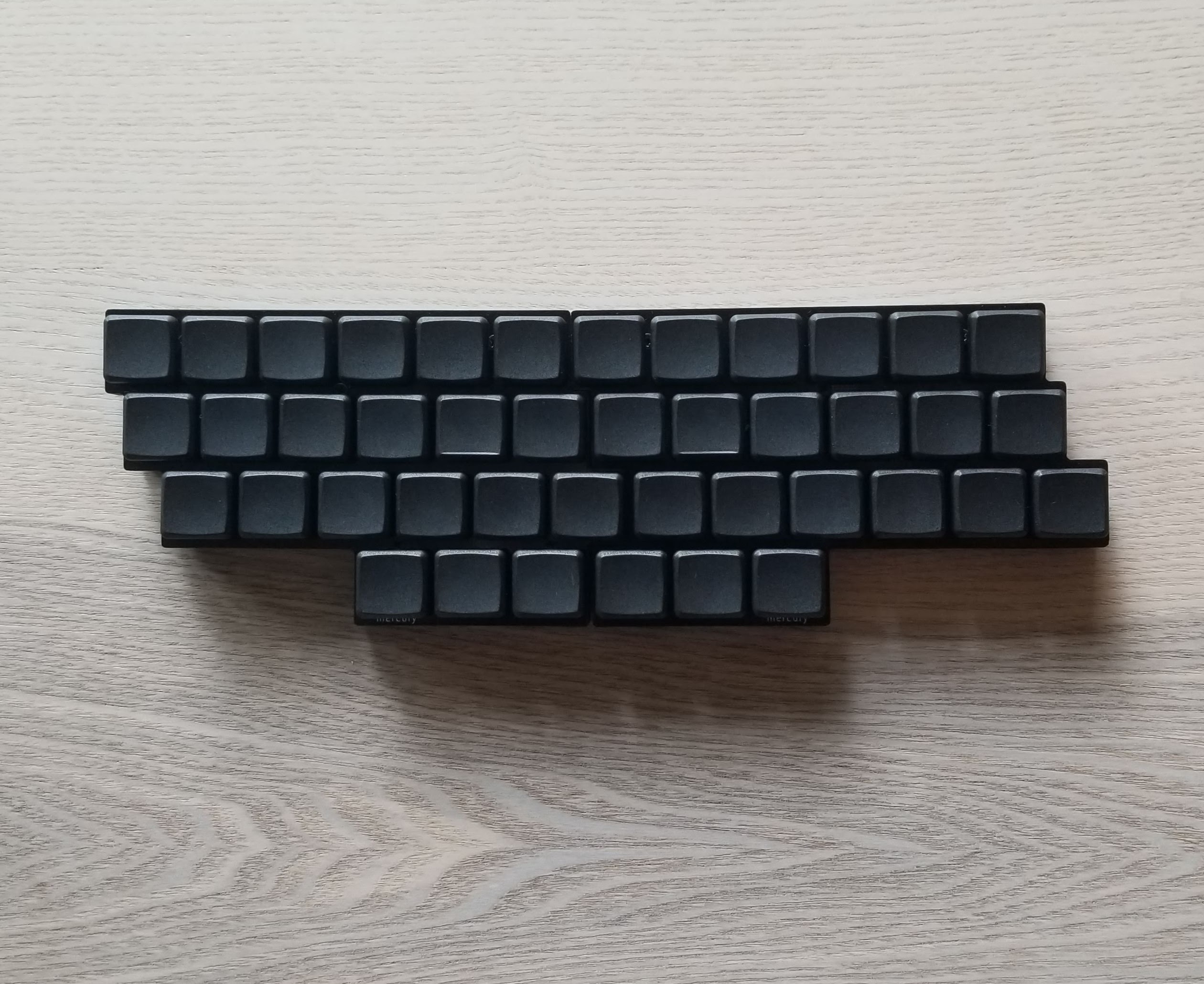
Monoblock, wired, low-profile
| Qty | Value | Footprint | References |
|---|---|---|---|
| 42 | D | keebee:D_SOD123 | D1, D2, D10, D11, D12, D13, D14, D15, D16, D17, D18, D19, D20, D21, D22, D23 +26 |
| 42 | SW_SPST | keebee:MxAlpsChoc-Classic | SW1, SW2, SW10, SW11, SW12, SW13, SW14, SW15, SW16, SW17, SW18, SW19, SW20, SW21, SW23, SW24 +26 |
| 4 | Battery_Cell | keebee:Battery-TH | BT1, BT2, BT3, BT4 |
| 2 | AudioJack4 | keebee:TRRS-PJ-320A | J1, J2 |
| 2 | SW_SPST | keebee:YD-3414 | SW22, SW44 |
| 2 | nice_nano | keebee:nice_nano_over_mount | U1, U2 |
hackclub/OnBoard
💡 Join 1,000 teenagers and make your first PCB with a $100 grant!

eddyem/stm32samples
Code samples and ready projects based on bare-metal STM32


apuder/TRS-IO
TRS-IO gives a TRS-80 Model 1/III online capabilities and provides access to a variety of services. TRS-IO currently features the following capabilities:


It measures 242.9 × 86.2 mm and has 2 copper layers, 1.6 mm thick.
94 parts. The full list of its parts is on this page, with links to each part's symbol and footprint where PCBKit's library has them.
From the jmding8/MercuryKeyboard repository on GitHub, at the commit this page was made from: the board is source/PCB/KiCad/Project/mercury/mercury.kicad_pcb. PCBKit opens the board in the browser, with nothing to install.
Its repository publishes it under the MIT licence: you may reuse it on that licence's terms (keep the author's notice, and for a copyleft licence share your changes alike).