
2 layers132.1 × 45.7 mm
IPoS
peterheinrich/InternetOverSpaghetti
Transmitting IP packages over a pair of spaghetti thus demonstrating how media independent IP really is.
42 parts342

 is-sobrero/sopem-robot
Sorgenti HW & SW di SoPEM
Dust sensor is an open-source printed circuit board by is-sobrero, from the is-sobrero/sopem-robot repository on GitHub, published under the GPL-3.0 licence. It is a 2-layer board of 36.2 × 26.9 mm with 9 parts on 8 nets, routed with 46 tracks and 0 vias.
It is built around the LM358. Its parts include 4 resistors, 2 diodes, 1 IC and 1 connector. It belongs with the sensors and measurement boards of this library.
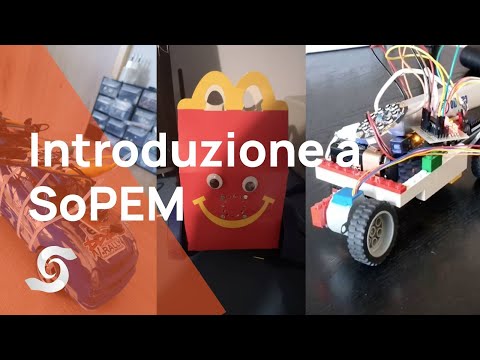

SoPEM è un robot di tipologia rover studiato appositamente per le finali delle Olimpiadi di Robotica 2020 (anche se in lockdown). Sfruttando materiali di riciclo, sono stati costruiti 3 robot, dall'aspetto diverso ma tutti e tre volti allo stesso scopo: monitorare i valori di PM10 delle città in modo autonomo con un sensore autocostruito con materiali di riciclo (Un LED infrarosso ricavato da un telecomando e un fotodiodo da un vecchio decoder).
In complemento al robot, è stata sviluppata una applicazione che permette di impostare il percorso da far eseguire al robot e per ottenere i valori di PM10 in tempo reale. L'applicazione, sviluppata tramite il framework Flutter, è compatibile con la maggior parte delle piattaforme software attuali: Android, iOS, Web, macOS, Windows e Linux.
Non avendo a disposizione uno strumento di calibrazione professionale, per ottenere valori affidabili è stato creato un modello di machine learning che, addestrato con i dati del sensore e delle stazioni di rilevamento dell’ARPA, è in grado di fornire dati affidabili per il 71%.
Il robot, oltre ad essere completamente Open Source, è anche sviluppato con strumenti Open Source: da Micropython a Flutter, da KiCad ad Arduino, tutti questi strumenti sono completamente Open e supportati dalla community FOSS e OSHW.
Copyright 2020 (c) I.S. "A. Sobrero" / SoRobot Team
Il codice sorgente è rilasciato in licenza secondo GNU General Public License v3.0, che garantisce le quattro regole fondamentali del software libero anche sui fork del firmware del robot. Le schematiche dell'Hardware sono rilasciate in licenza secondo CERN Open Hardware Licence v1.2, che definisce le condizioni entro cui le schematiche possono essere usate, modificate e distribuite. Per maggiori dettagli riguardo la licenza, consultare il file LICENSE generale per la repo oppure i file LICENSE per le singole componenti.
| Qty | Value | Footprint | References |
|---|---|---|---|
| 2 | 10K | Resistor_THT:R_Axial_DIN0207_L6.3mm_D2.5mm_P7.62mm_Horizontal | R2, R3 |
| 1 | 10Meg | Resistor_THT:R_Axial_DIN0207_L6.3mm_D2.5mm_P7.62mm_Horizontal | R4 |
| 1 | 220 | Resistor_THT:R_Axial_DIN0207_L6.3mm_D2.5mm_P7.62mm_Horizontal | R1 |
| 1 | D_Photo | LED_THT:LED_D5.0mm_Horizontal_O1.27mm_Z3.0mm_IRBlack | D2 |
| 1 | LED | LED_THT:LED_D5.0mm_Horizontal_O1.27mm_Z3.0mm_Clear | D1 |
| 1 | LM358 | Package_DIP:DIP-8_W7.62mm_LongPads | U1 |
| 1 | Main conn | Connector_PinHeader_2.54mm:PinHeader_1x04_P2.54mm_Vertical | J1 |
The 8 most common of 9 parts.
peterheinrich/InternetOverSpaghetti
Transmitting IP packages over a pair of spaghetti thus demonstrating how media independent IP really is.

zmaker/arduino_cookbook
gli sketch del nuovo progetto Arduino Cookbook e dei video di YouTube

profdc9/RFBitBanger
A QRP digital transceiver created from readily available parts for off-the-grid maintenance


tvlad1234/pillScopePlus
Oscilloscope based around the STM32F401 Black Pill and a color LCD screen


starlightk7/OpenSFC
OSHW Reproduction Parts related to the Super Famicom / Super Nintendo game console

It measures 36.2 × 26.9 mm and has 2 copper layers, 1.6 mm thick.
9 parts, built around the LM358. The full list of its parts is on this page, with links to each part's symbol and footprint where PCBKit's library has them.
From the is-sobrero/sopem-robot repository on GitHub, at the commit this page was made from: the board is Hardware/dust_sensor/dust_sensor.kicad_pcb. PCBKit opens the board in the browser, with nothing to install.
Its repository publishes it under the GPL-3.0 licence: you may reuse it on that licence's terms (keep the author's notice, and for a copyleft licence share your changes alike).