2 layers64.8 × 72.4 mm

 fitzterra/Cybot4
Cybot Resurrected
MotorTest is an open-source printed circuit board by fitzterra, from the fitzterra/Cybot repository on GitHub, published under the MIT licence. It is a 2-layer board of 48.3 × 8.9 mm with 3 parts on 5 nets, routed with 6 tracks and 0 vias.
Table of Contents
This is a project to bring my old Cybot back my to life.
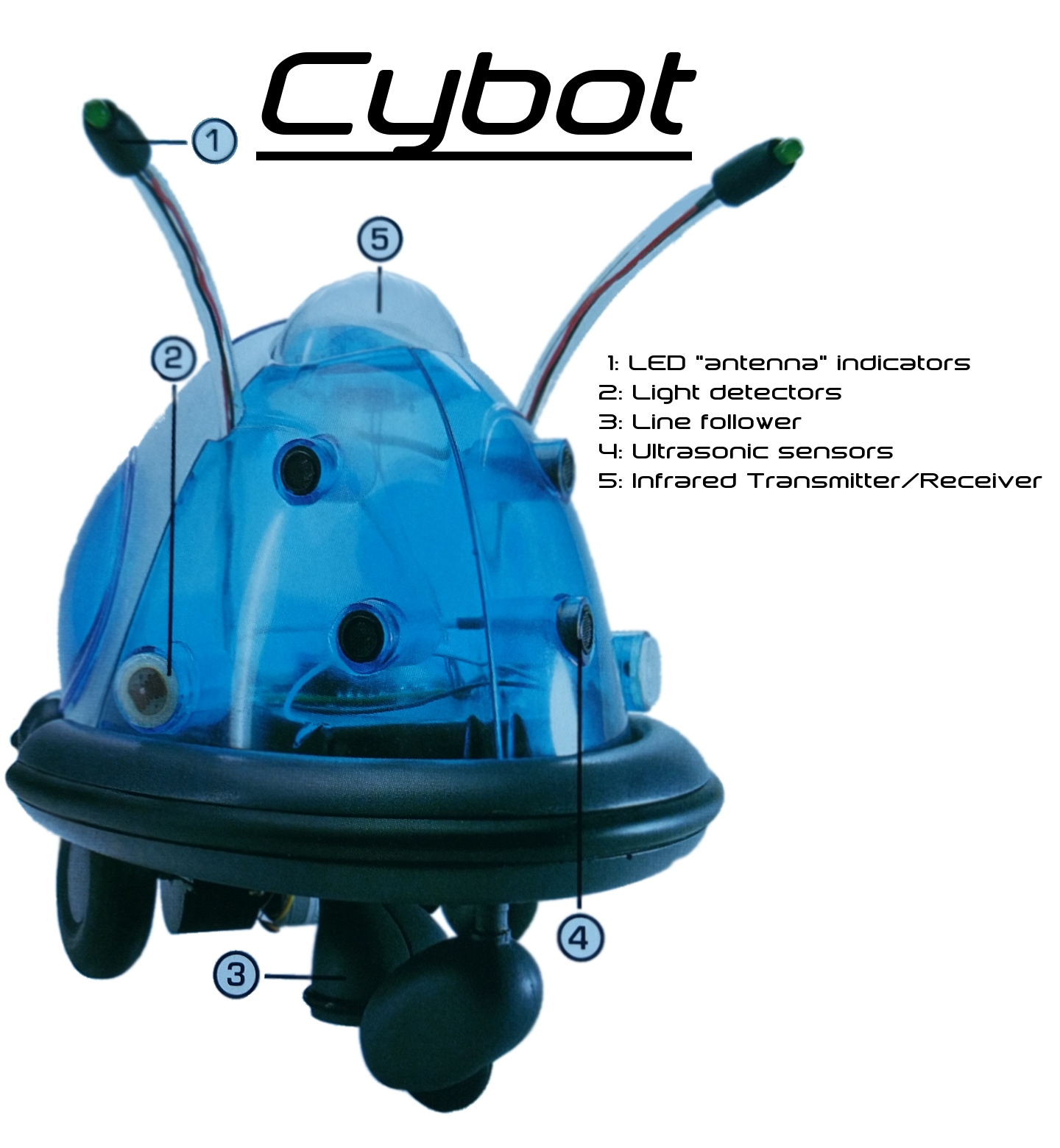
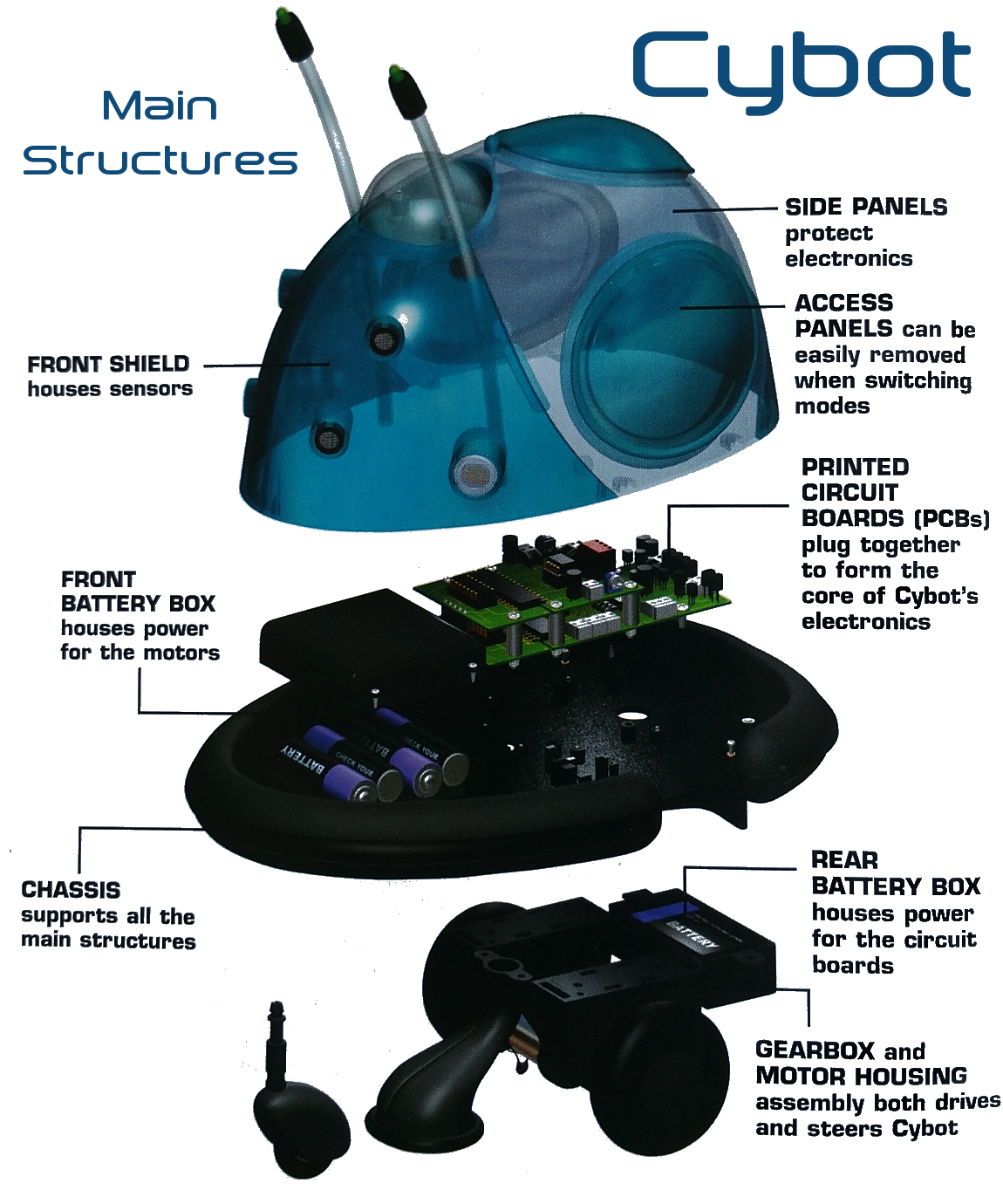
After I lost my remote control (it was stolen actually, by some idiot who probably thought it was a game controller :angry: ), Cybot has just been sitting there for quite a number of years.
A while back I built FoamBot which was a robot in which I used Foam Board exclusively as construction material, continues servos as drive train, and an Arduino Uno as MCU. The software for FoamBot was based on a simple co-operative multitasking library, with all functionality built as (almost) completely independent tasks to form a very loosely defined type of Robot Operating System.
Due to time constraints and some waning of interest, FoamBot took a backseat. When I now recently got the urge to build a remote controller robot again, I decided to use as much of Cybot as possible, but replace the MCU with something Arduino based. This is where we now begin :smile:.
This list will be expanded as more things are added, at a minimum, these are the features I would like for now:
ToDo
See here for details about the Robot Control software.
| Qty | Value | Footprint | References |
|---|---|---|---|
| 1 | Header | Pin_Headers:Pin_Header_Angled_1x07_Pitch2.54mm | J1 |
The 1 most common of 3 parts.


hzeller/rpi-rgb-led-matrix
Controlling up to three chains of 64x64, 32x32, 16x32 or similar RGB LED displays using Raspberry Pi GPIO


atopile/atopile
Design circuit boards with code! ✨ Get software-like design reuse 🚀, validation, version control and collaboration in hardware; starting with electronics ⚡️


hackclub/sprig
🍃 Learn to code by making games in a JavaScript web-based game editor.
It measures 48.3 × 8.9 mm and has 2 copper layers, 1.6 mm thick.
3 parts. The full list of its parts is on this page, with links to each part's symbol and footprint where PCBKit's library has them.
From the fitzterra/Cybot repository on GitHub, at the commit this page was made from: the board is electronics/MotorTestBoard/MotorTest.kicad_pcb. PCBKit opens the board in the browser, with nothing to install.
Its repository publishes it under the MIT licence: you may reuse it on that licence's terms (keep the author's notice, and for a copyleft licence share your changes alike).