

4 layers68.6 × 53.3 mm

 ashep/cronus4
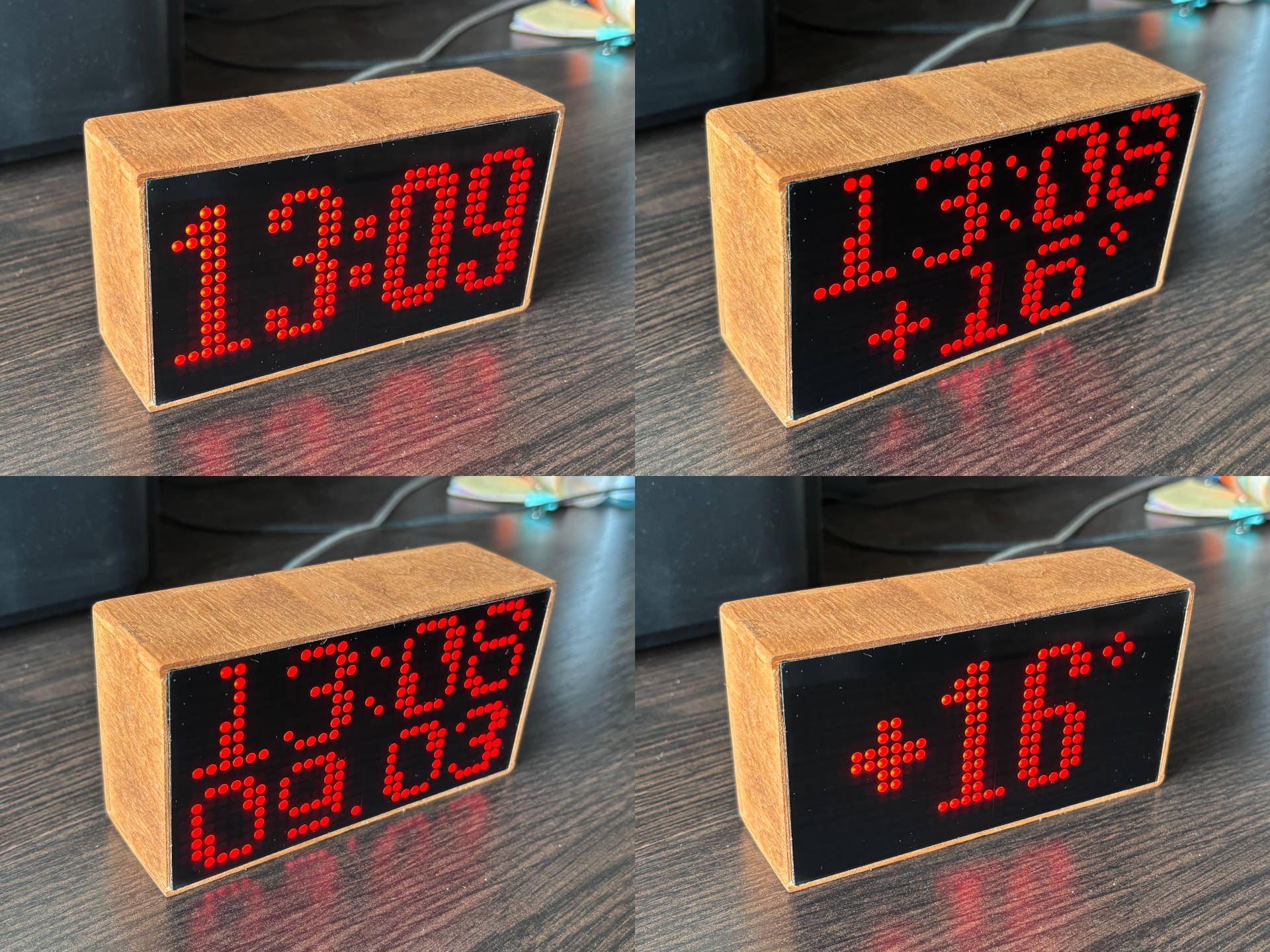
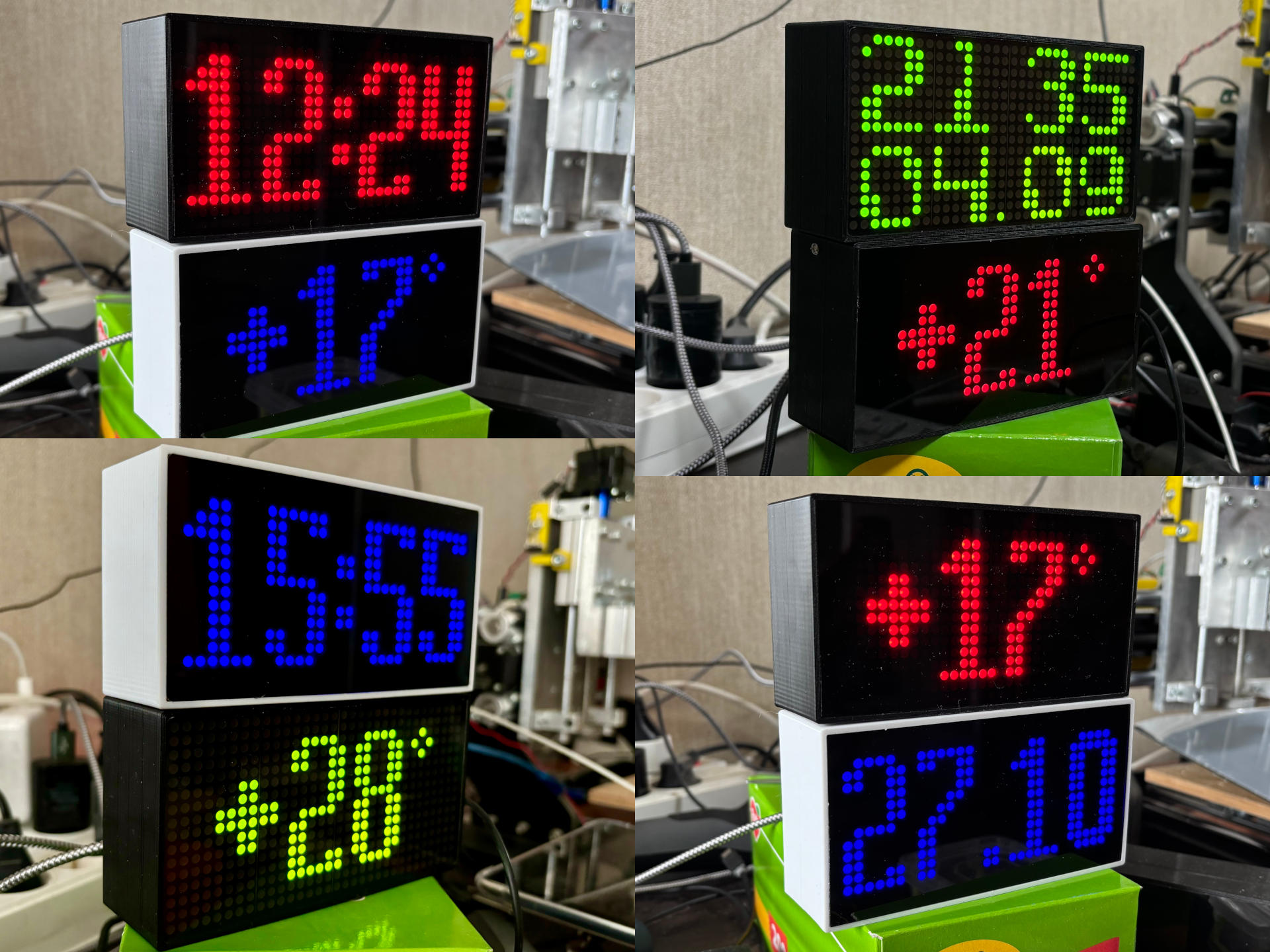
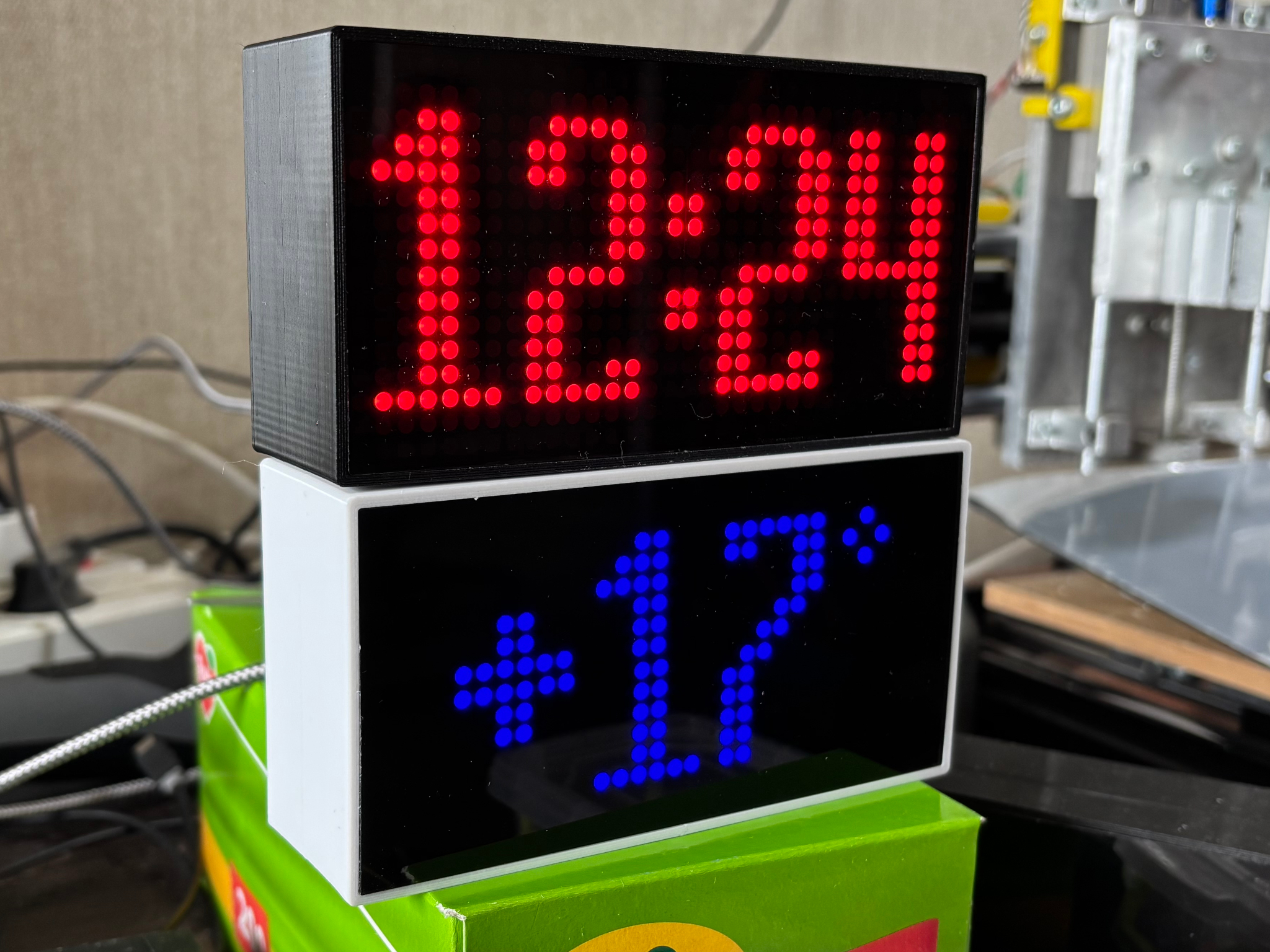
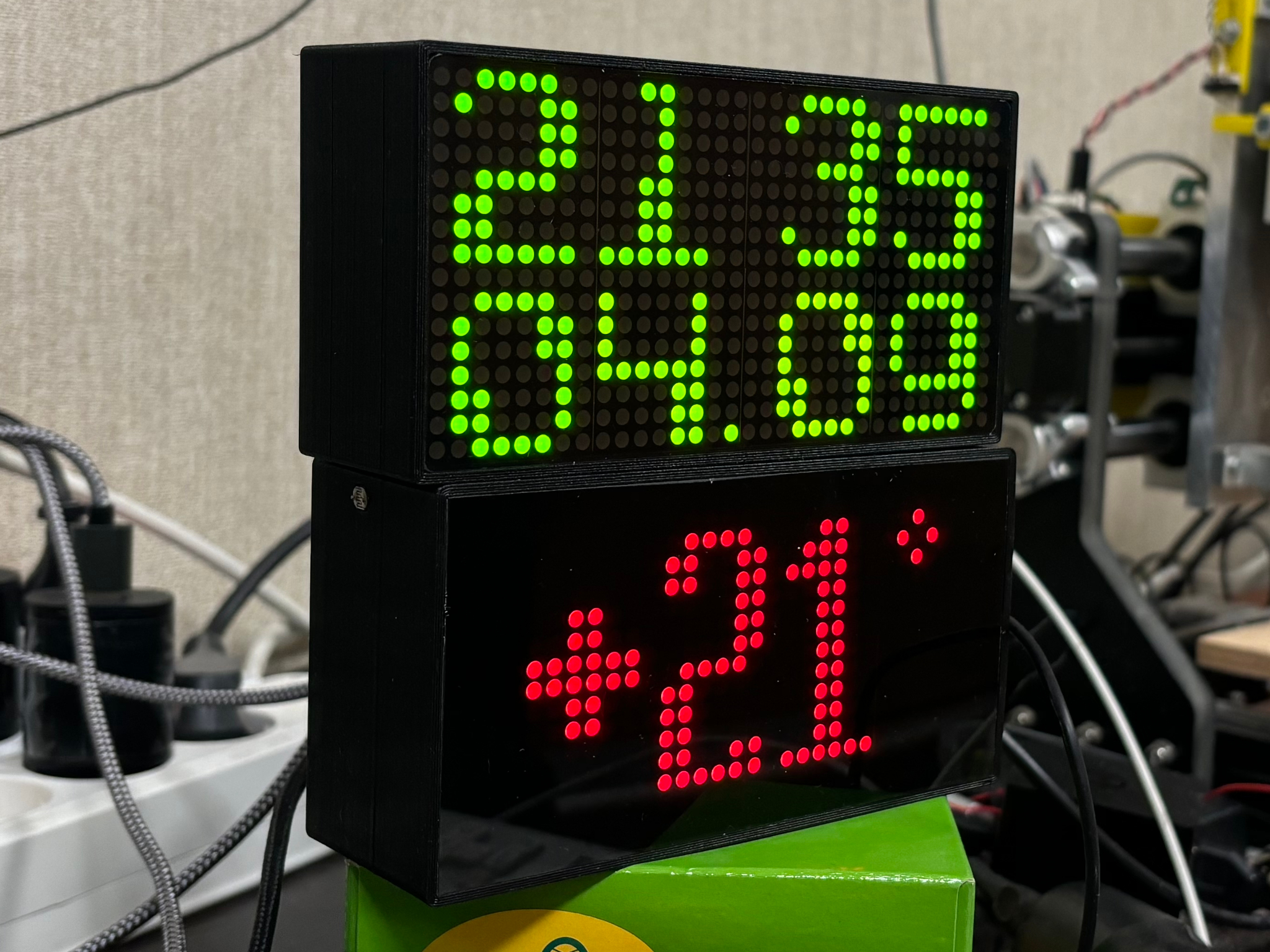
A minimalistic digital clock
Cronus is an open-source printed circuit board by ashep, from the ashep/cronus repository on GitHub, published under the MIT licence. It is a 2-layer board of 70 × 50 mm with 11 parts on 44 nets, routed with 49 tracks and 1 via.
It is built around the ESP32-S3 and DS3231S#. Its parts include 3 resistors, 3 connectors and 2 ICs. It belongs with the ESP32 boards of this library.

Cronus is a minimalistic digital clock built on top of the ESP32 MCU with the following features in mind.
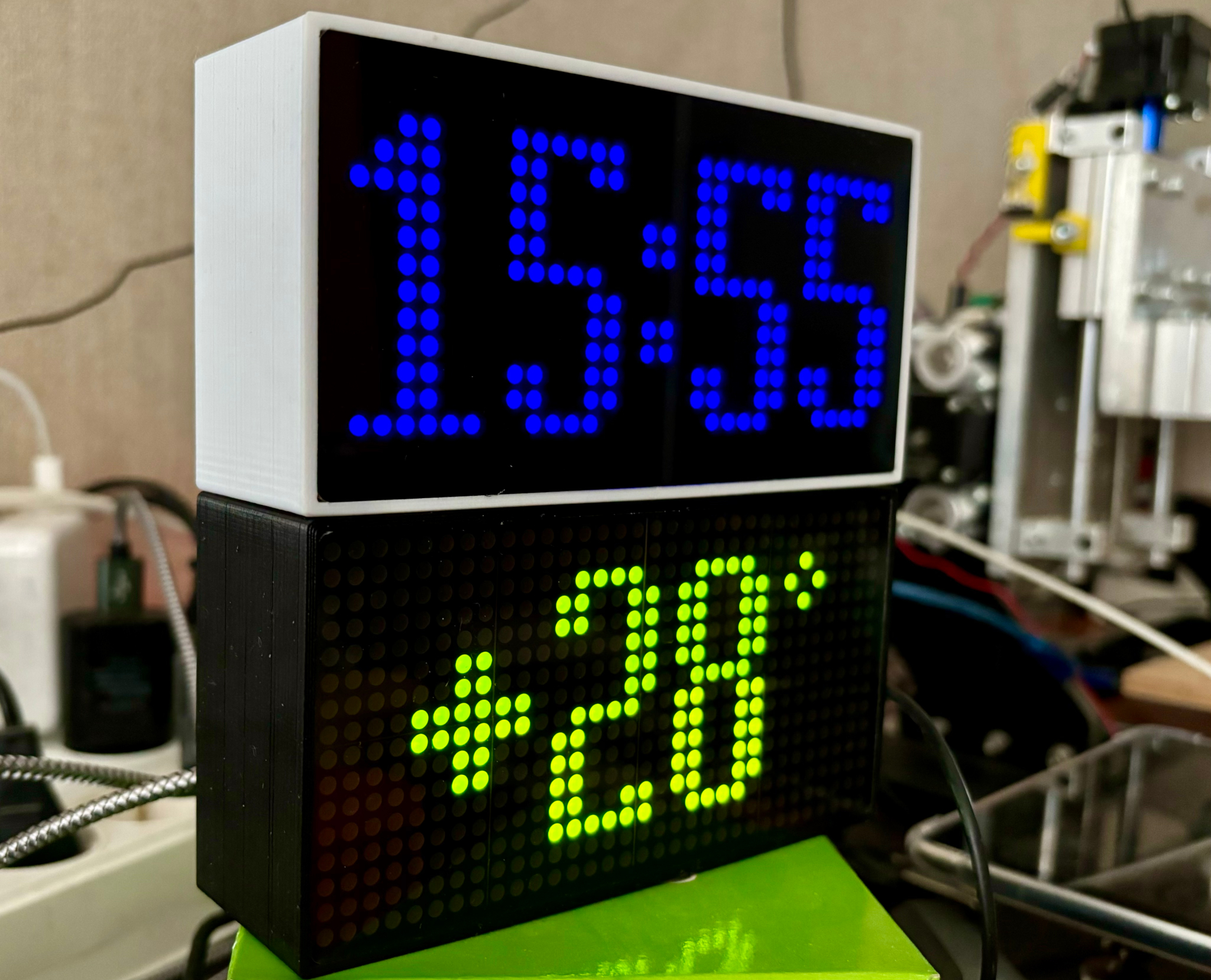
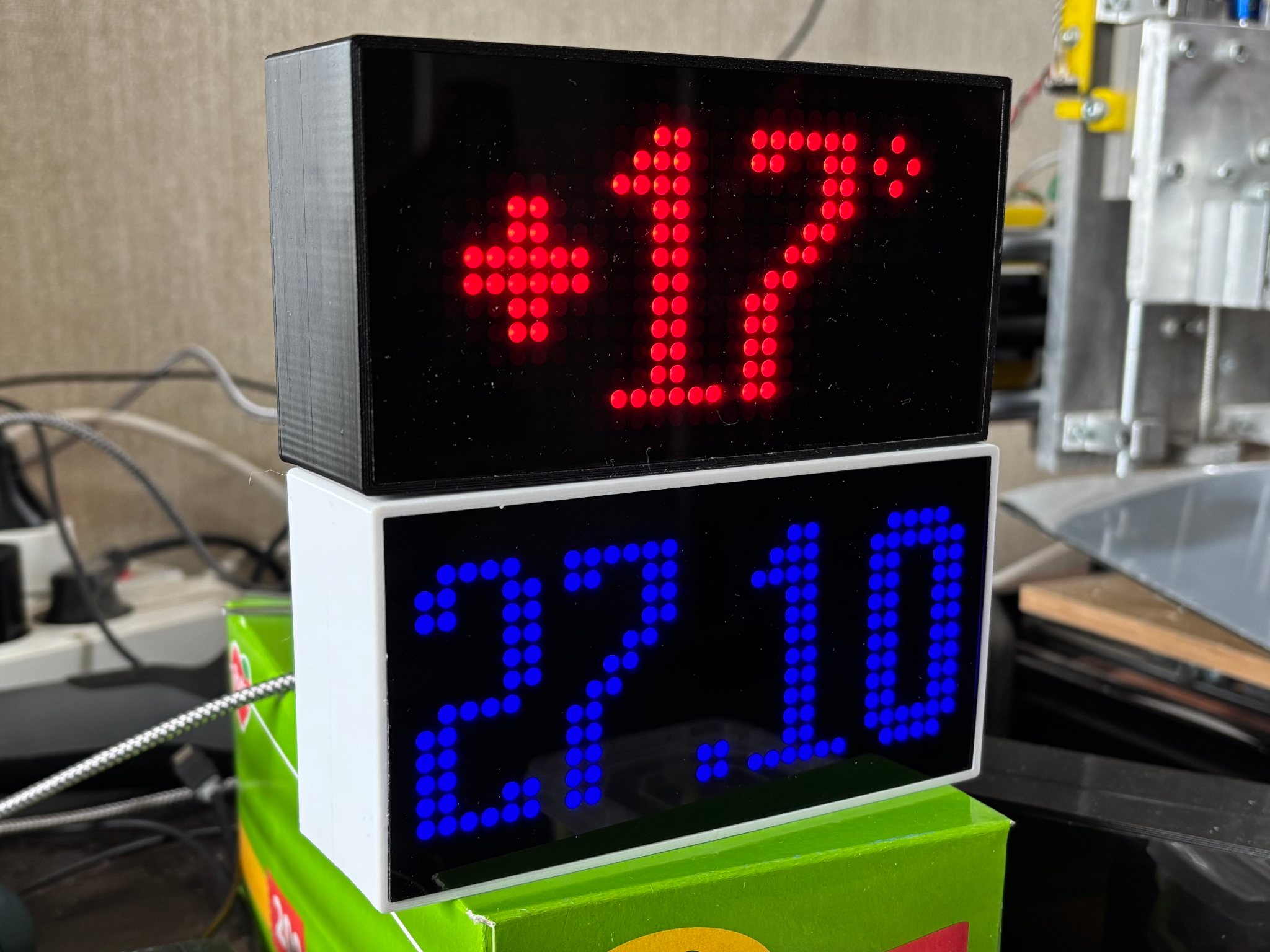
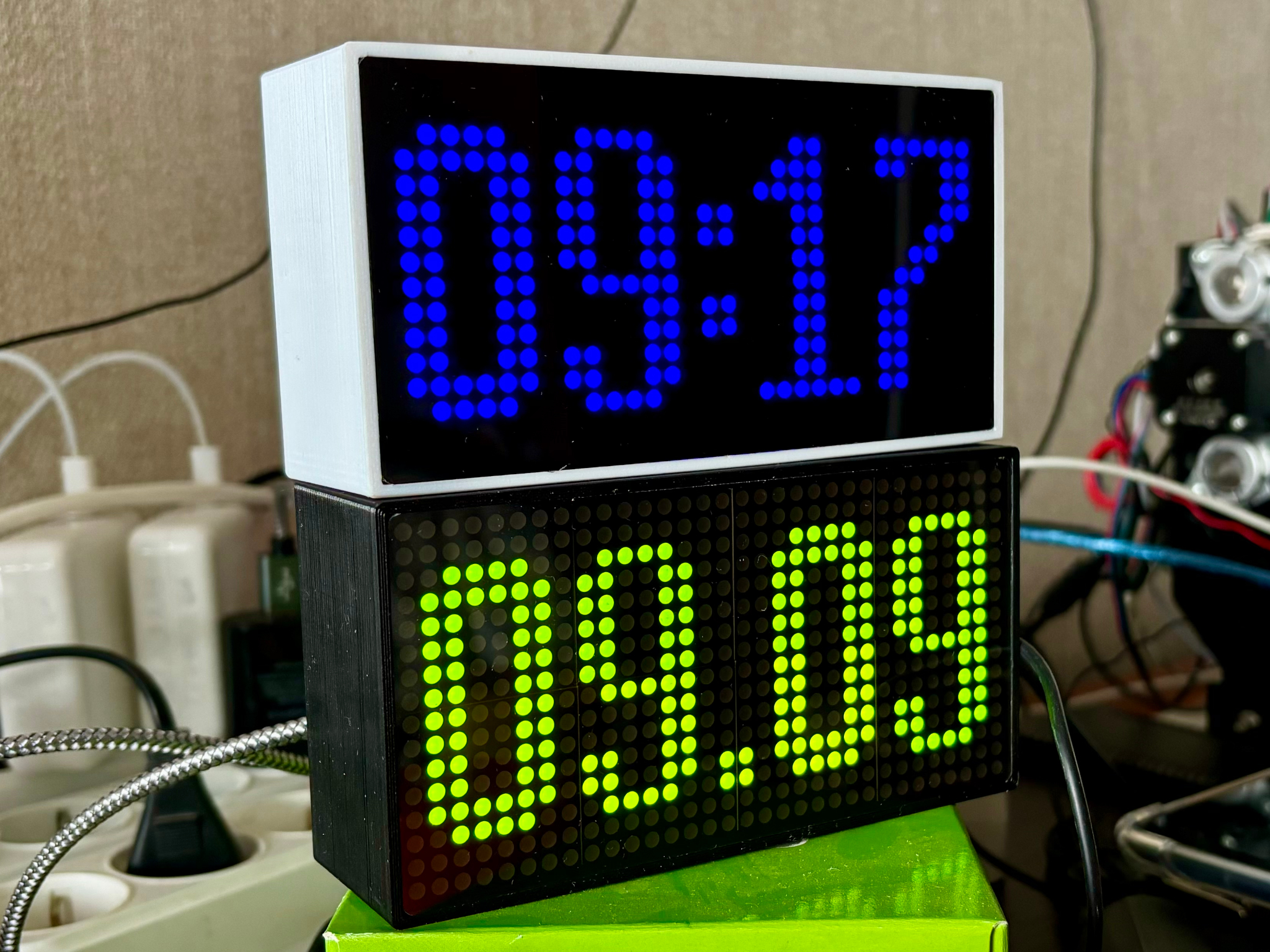
See the Wiki.
Clone the repo:
git clone --recurse-submodules https://github.com/ashep/cronus.gitOr update an already cloned one to the latest version:
git pull
git submodule update --recursive --remoteFirst stable release.
| Qty | Value | Footprint | References |
|---|---|---|---|
| 3 | MountingHole | MountingHole:MountingHole_2.2mm_M2_DIN965_Pad | H1, H3, H4 |
| 2 | 10K | Resistor_SMD:R_1206_3216Metric_Pad1.30x1.75mm_HandSolder | R1, R2 |
| 2 | Conn_01x02_Pin | Connector_PinHeader_2.54mm:PinHeader_1x02_P2.54mm_Vertical | J3, J4 |
| 1 | 3K | Resistor_SMD:R_1206_3216Metric_Pad1.30x1.75mm_HandSolder | R3 |
| 1 | Conn_01x03_Pin | Connector_PinHeader_2.54mm:PinHeader_1x03_P2.54mm_Vertical | J8 |
| 1 | DS3231 | Cronus:DS3231-Dev-Board | U2 |
| 1 | ESP32-S3 | Cronus:ESP32-Dev-Board | U1 |
It measures 70 × 50 mm and has 2 copper layers, 1.6 mm thick.
11 parts, built around the ESP32-S3 and DS3231S#. The full list of its parts is on this page, with links to each part's symbol and footprint where PCBKit's library has them.
From the ashep/cronus repository on GitHub, at the commit this page was made from: the board is schematic/Cronus.kicad_pcb and its schematic schematic/Cronus.kicad_sch. PCBKit opens the board in the browser, with nothing to install.
Its repository publishes it under the MIT licence: you may reuse it on that licence's terms (keep the author's notice, and for a copyleft licence share your changes alike).

PCBench/PCBench
resolution = [0.5, 0.5] pcbfolder = '../PCBs/' pcbnames = ["1Bitsy1bitsy"] iters = 30 env = PCBRoutingEnv(resolution=resolution, pcbfolder=pcbfolder, pcbnames=pcbnames) obs, info = env.reset() for in range(iters): act =…

dm2lct/tlnixie
PCB files for the Turmlabor nixie clock 2.0

mistic100/Nixie-Clock-IN2
Check out my other projects: - Nixie Clock IN14 - Nixie Clock IN12 - IV-27 VFD Clock


ptravnik/Retro_CALC
A powerful RPN calculator, programmable in BASIC

OpenARDF/Arducon
A transmitter controller for Amateur Radio Direction Finding (ARDF). Based on the Arduino Pro Mini.
