
4 layers70 × 92 mm
Panelized watch
HolTyc/STM32_watch_NFC
Watch using STM32 with LED 7-segment display and RGB display
314 parts1

Open Source Dildo running on the ESP32 Platform
EROS is an open-source printed circuit board by Valeria, from the Valeria/eRos-Psyche repository on GitHub. It is a 4-layer board of 32 × 80 mm with 52 parts on 42 nets, routed with 340 tracks and 243 vias.
It is built around the TPS613222ADBV, AP2114HA-3.3TRG1 and LMS33460MG, with the IRLML6246TRPBF and 10118194-0001LF among its other parts. Its parts include 13 resistors, 12 capacitors, 8 diodes, 7 ICs and 5 connectors.


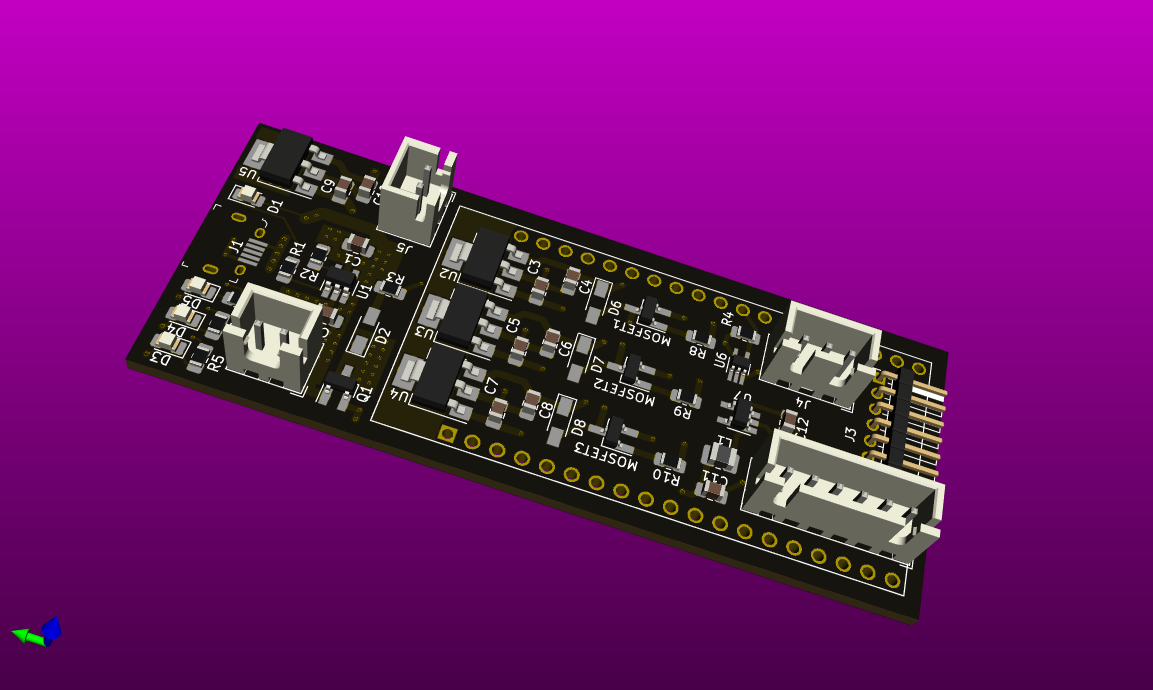
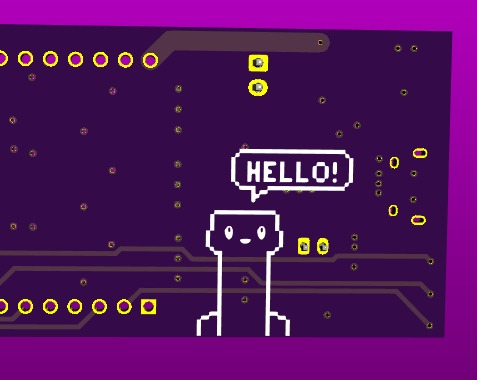
V1.0 Attaches to a ESP32-DevKitC-V4, check pinout to make sure it coincides.
It's meant to drive three (or less) 3.3v motors, max 1A per PWM output. Use with Li-Po or Li-Ion 3.7v nominal voltage batteries.
Connects to a Blynk.io server, which can be self-hosted, otherwise, use the free Blynk Cloud server or contact me for a spot on mine.
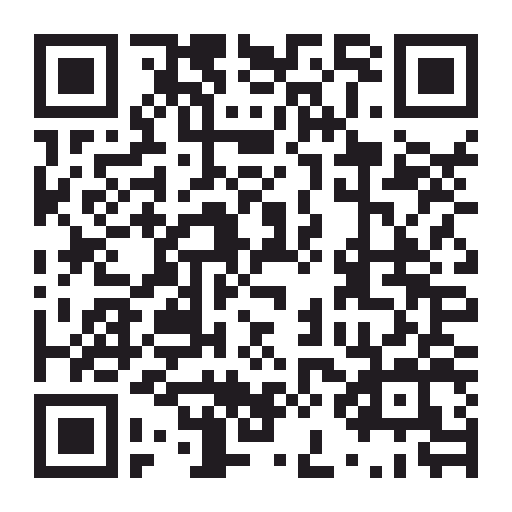
Mobile app can be recreated by scanning the following QR code on the Blynk phone app:
Hardware files are in the eRos directory, meant to be edited on KiCad v5.0 or higher.
Firmware files are in the Psyche directory, if you open the project on PlatformIO it should load all required Arduino libraries automatically, else, here's a list:
Firmware.bin must be built with the huge_app.csv partition scheme.
Have fun!
| Qty | Value | Footprint | References |
|---|---|---|---|
| 11 | 4.7uF | Capacitor_SMD:C_0805_2012Metric_Pad1.18x1.45mm_HandSolder | C1, C2, C3, C4, C5, C6, C7, C8, C9, C10, C11 |
| 4 | 10K | Resistor_SMD:R_0805_2012Metric_Pad1.20x1.40mm_HandSolder | R3, R11, R12, R13 |
| 4 | 470 | Resistor_SMD:R_0805_2012Metric_Pad1.20x1.40mm_HandSolder | R1, R5, R6, R7 |
| 4 | AP2114HA-3.3TRG1 | Package_TO_SOT_SMD:SOT-223-3_TabPin2 | U2, U3, U4, U5 |
| 4 | LED | LED_SMD:LED_0805_2012Metric_Pad1.15x1.40mm_HandSolder | D1, D3, D4, D5 |
| 3 | 220 | Resistor_SMD:R_0805_2012Metric_Pad1.20x1.40mm_HandSolder | R8, R9, R10 |
| 3 | D | Nexperia:Nexperia_CFP3_SOD-123W_Handsolder | D6, D7, D8 |
| 3 | IRLML6246TRPBF | Package_TO_SOT_SMD:SOT-23_Handsoldering | MOSFET1, MOSFET2, MOSFET3 |
| 1 | 10118194-0001LF | digikey-footprints:USB_Micro_B_Female_10118194-0001LF_HandSolder | J1 |
| 1 | 2.2uH | Inductor_SMD:L_1008_2520Metric_Pad1.43x2.20mm_HandSolder | L1 |
| 1 | 22uF | Capacitor_SMD:C_0805_2012Metric_Pad1.18x1.45mm_HandSolder | C12 |
| 1 | 2K | Resistor_SMD:R_0805_2012Metric_Pad1.20x1.40mm_HandSolder | R2 |
| 1 | 470K | Resistor_SMD:R_0805_2012Metric_Pad1.20x1.40mm_HandSolder | R4 |
| 1 | D_Schottky | Nexperia:Nexperia_CFP3_SOD-123W_Handsolder | D2 |
| 1 | LMS33460 | Package_TO_SOT_SMD:SOT-353_SC-70-5_Handsoldering | U6 |
| 1 | MCP73831T-2 | Package_TO_SOT_SMD:SOT-23-5_HandSoldering | U1 |
| 1 | MiniSlideSwitch | Connector_JST:JST_XH_B2B-XH-A_1x02_P2.50mm_Vertical | J5 |
| 1 | PMOS | Package_TO_SOT_SMD:SOT-23_Handsoldering | Q1 |
| 1 | Screw_Terminal_01x02 | Connector_JST:JST_XH_B2B-XH-A_1x02_P2.50mm_Vertical | BAT1 |
| 1 | Screw_Terminal_01x03 | Connector_JST:JST_XH_B3B-XH-A_1x03_P2.50mm_Vertical | J4 |
| 1 | Screw_Terminal_01x06 | Connector_JST:JST_XH_B6B-XH-A_1x06_P2.50mm_Vertical | J2 |
| 1 | Screw_Terminal_01x07 | Connector_PinHeader_2.00mm:PinHeader_1x07_P2.00mm_Horizontal | J3 |
| 1 | TPS613222ADBV | Package_TO_SOT_SMD:SOT-23-5_HandSoldering | U7 |
The 51 most common of 52 parts.
HolTyc/STM32_watch_NFC
Watch using STM32 with LED 7-segment display and RGB display


e-abdi/EK80-Seaglider
Integration of a Simrad EK80 echosounder on a Seaglider: mounting brackets and the noise suppressor interface board.

rogerclarkmelbourne/STM32_Pill_Boards
Various STM32 boards in a form factor similar to the Maple Mini or Blue Pill board

axiometa/BrodBoost-C2
USB - C Breadboard Powersupply: BrodBoost-C

bit-bots/bitbots_imu_dxl
The Bitbots IMU DXL module is a Sensor module that can be connected to the Dynamixel Bus (RS485 or TTL).

prrtzel/GeorgeOS-Single-Board-Computer
This was the final project for the Microcomputer Design Course at LeTourneau University.

It measures 32 × 80 mm and has 4 copper layers, 1.6 mm thick.
52 parts, built around the TPS613222ADBV, AP2114HA-3.3TRG1, LMS33460MG and IRLML6246TRPBF. The full list of its parts is on this page, with links to each part's symbol and footprint where PCBKit's library has them.
From the Valeria/eRos-Psyche repository on GitHub, at the commit this page was made from: the board is eROS/eROS.kicad_pcb and its schematic eROS/eROS.kicad_sch. PCBKit opens the board in the browser, with nothing to install.
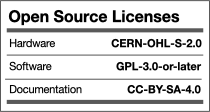
Its repository states no licence, so its author keeps all rights: ask Valeria before reusing the design.