
2 layers271.8 × 114.3 mm
Ardumower mega shield svn
Ardumower/ardumower
Develop an open source robotic lawn mower (HW+SW reference platform)
426 parts282

 Mostakim52/ESP32-Smart-Helmet
IoT-enabled ESP32 smart helmet for construction worker safety with fall detection, environmental sensing, and real-time mobile + server alerts.
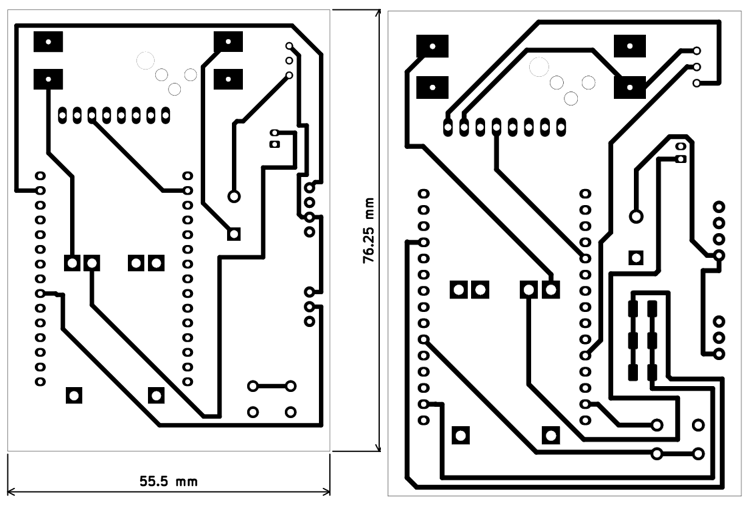
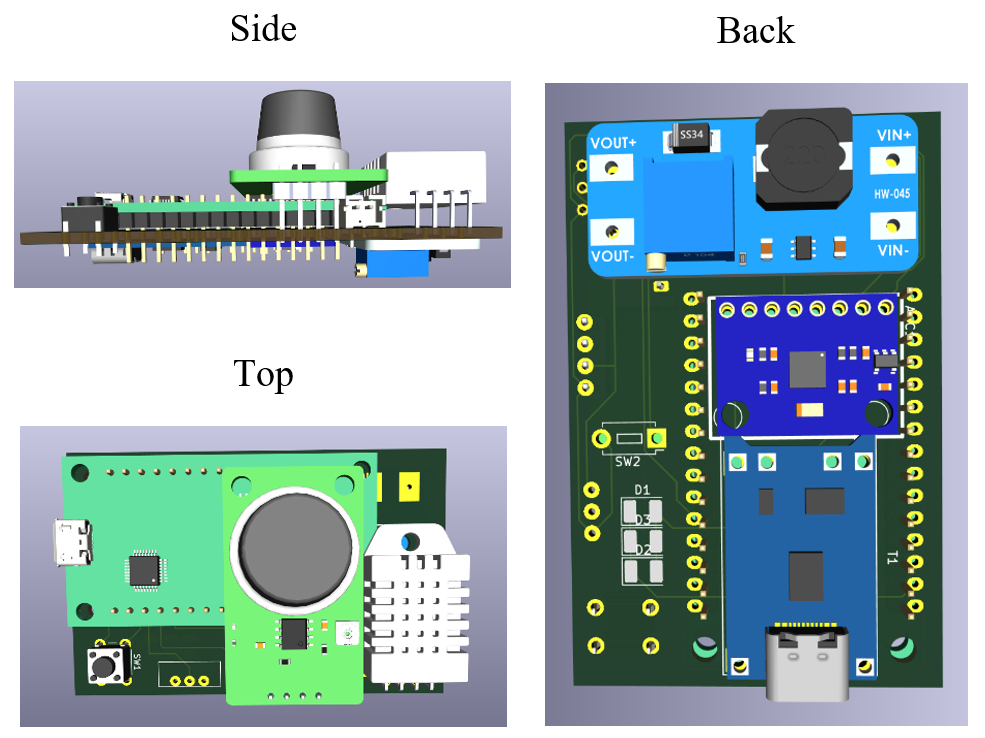
498R design is an open-source printed circuit board by Mostakim52, from the Mostakim52/ESP32-Smart-Helmet repository on GitHub. It is a 2-layer board of 55.5 × 76.3 mm with 15 parts on 43 nets, routed with 139 tracks and 0 vias.
It is built around the DHT22. Its parts include 3 diodes, 2 ICs and 2 switches. It belongs with the radio and wireless and home automation and IoT boards of this library.
A pragmatic IoT-enabled smart helmet system designed specifically for enhancing occupational safety on Bangladeshi construction sites. The system integrates essential sensors for fall detection, environmental monitoring, and real-time alerts through a mobile app and centralized supervisor dashboard.
Key Philosophy: "Workers are not asking for more features; they are asking for a tool they can trust with their lives."
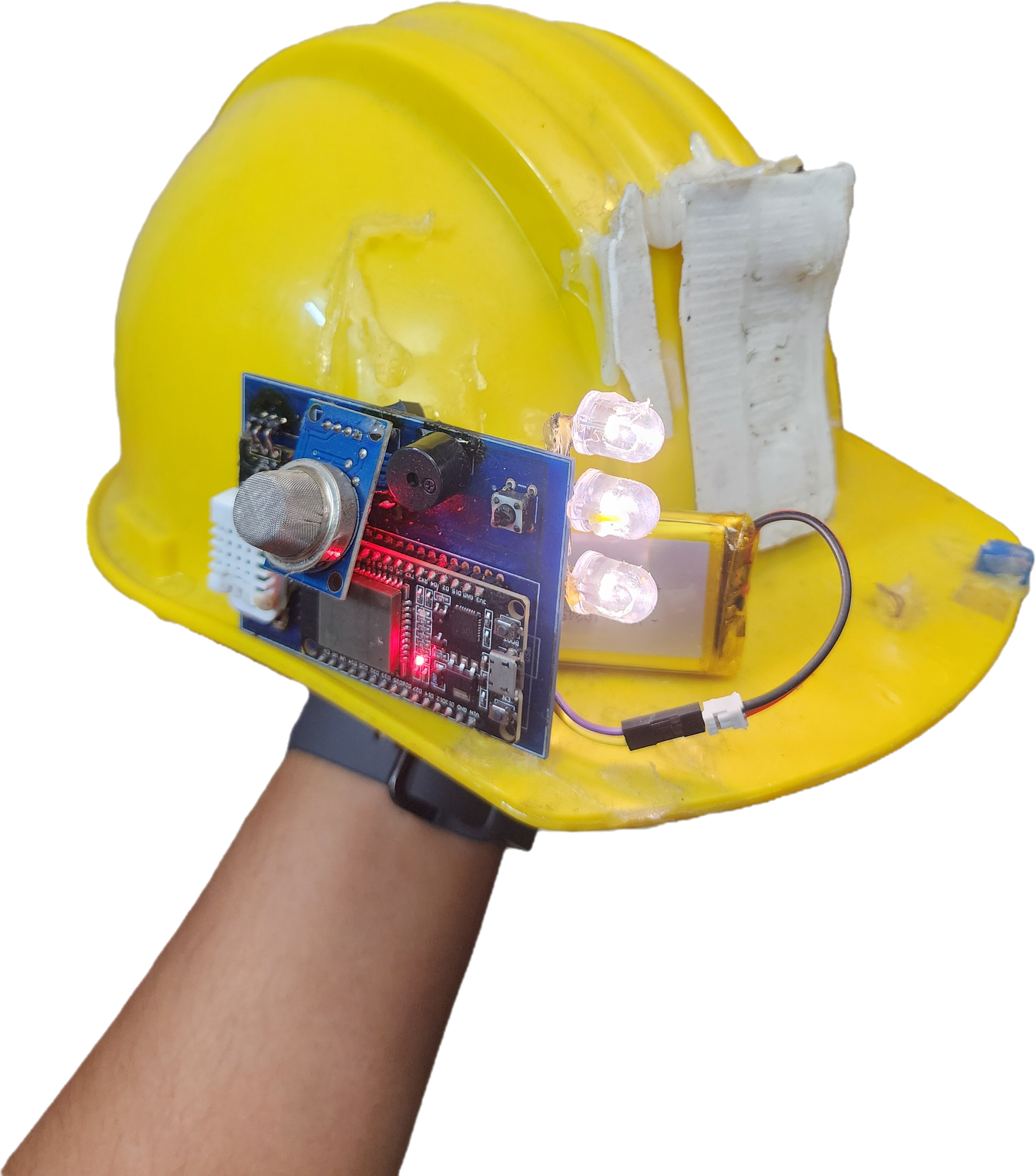
esp32-smart-helmet/
├── Smart_Helmet_KiCad_Design/        # PCB design files (KiCad)
│   ├── 498R_design/                  # Main schematic & PCB layout
│   ├── Gerber Files/                 # Manufacturing-ready files
│   ├── Design PDFs/                  # Documentation
│   └── Important Libraries/          # Component libraries & 3D models
│
├── Smart_Helmet_ESP32_Code/          # ESP32 Firmware (Arduino)
│   └── Smart_Helmet_Code/
│       ├── Smart_Helmet_Code.ino    # Main firmware
│       └── pitches.h                # Audio definitions
│
├── Smart_Helmet_App/                 # Mobile App (Flutter)
│   ├── lib/
│   │   ├── main.dart
│   │   ├── home_page.dart
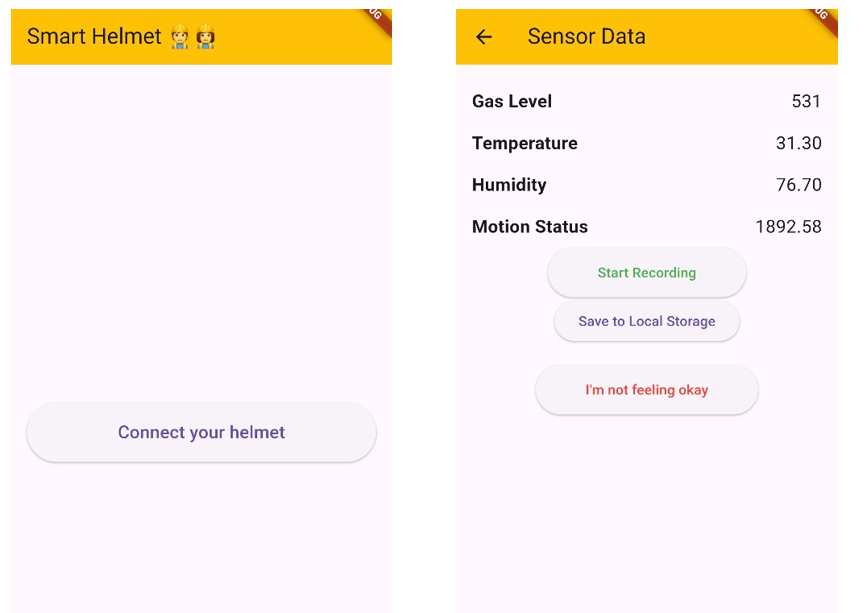
│   │   ├── sensor_data_page.dart
│   │   ├── bluetooth_devices_page.dart
│   │   └── notification_service.dart
│   ├── android/
│   └── pubspec.yaml
│
├── Smart_Helmet_App_Backend/         # Server (Node.js/Express)
│ ├── backend/| Component | Part | Purpose | Cost (BDT) |
|---|---|---|---|
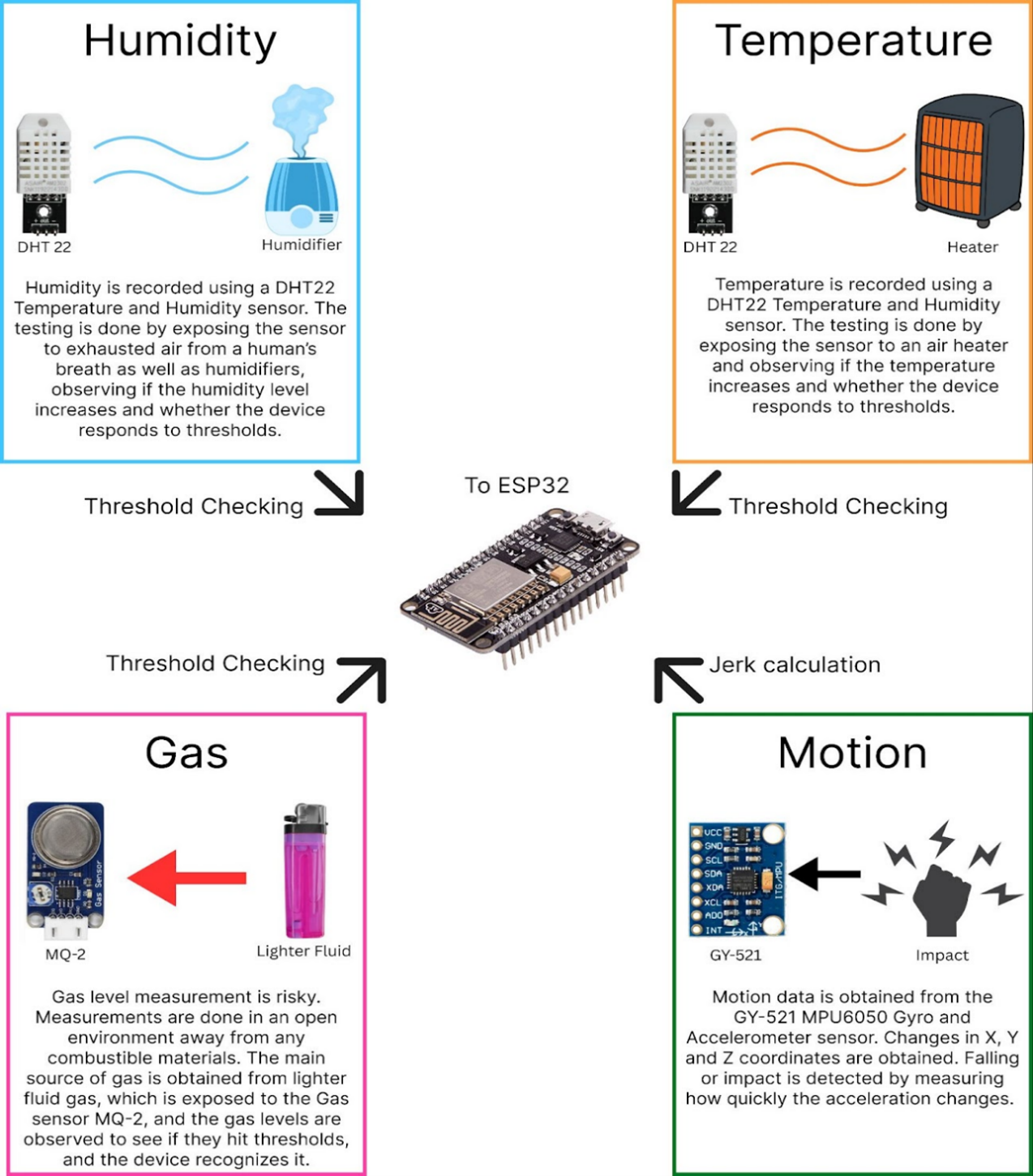
| Microcontroller | ESP32 NodeMCU | WiFi/BLE, sensor processing | 449 |
| Accelerometer | MPU6050 6DOF IMU | Fall detection | 250 |
| Temperature/Humidity | DHT22 | Heat stress monitoring | 260 |
| Gas Sensor | MQ-2 | Toxic gas detection | 146 |
| Battery | 18650 Li-ion 600mAh | Power supply | 390 |
| Charger | TP4056 | Battery management | 40 |
| Alerts | Active Buzzer + Vibration Motor + LED | Multi-modal warnings | 48 |
| Others | Button, wires, PCB, case | Integration | 101 |
| TOTAL (Compact) | 2,324 |
Fall Detection: Jerk magnitude > 650,000 (acceleration change rate)
Temperature: > 50°C
Humidity: > 90%
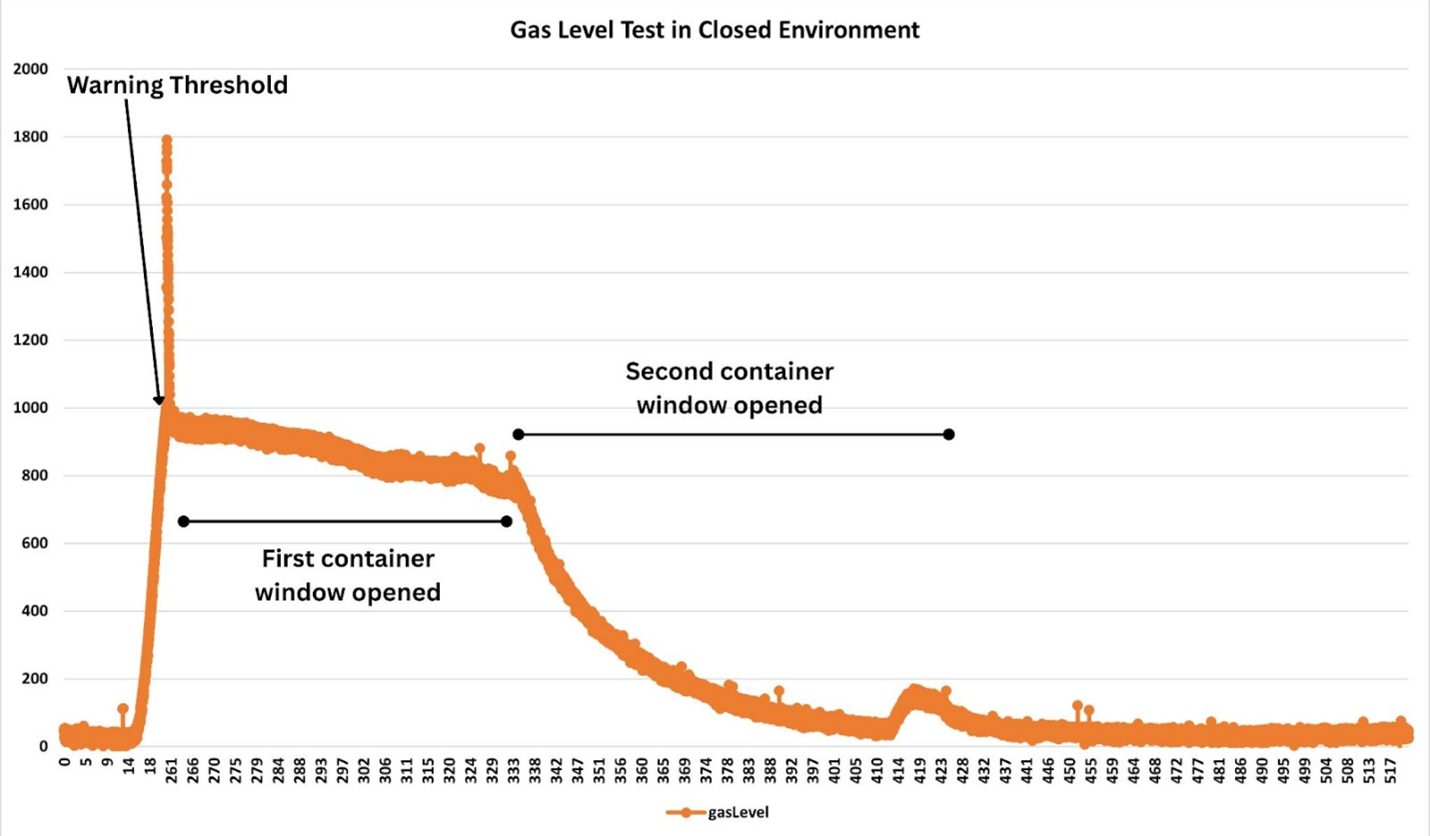
Gas Level: > 1000 ppm (with deviation: 900)
Gas Level: > 1000 ppm (with deviation: 900)
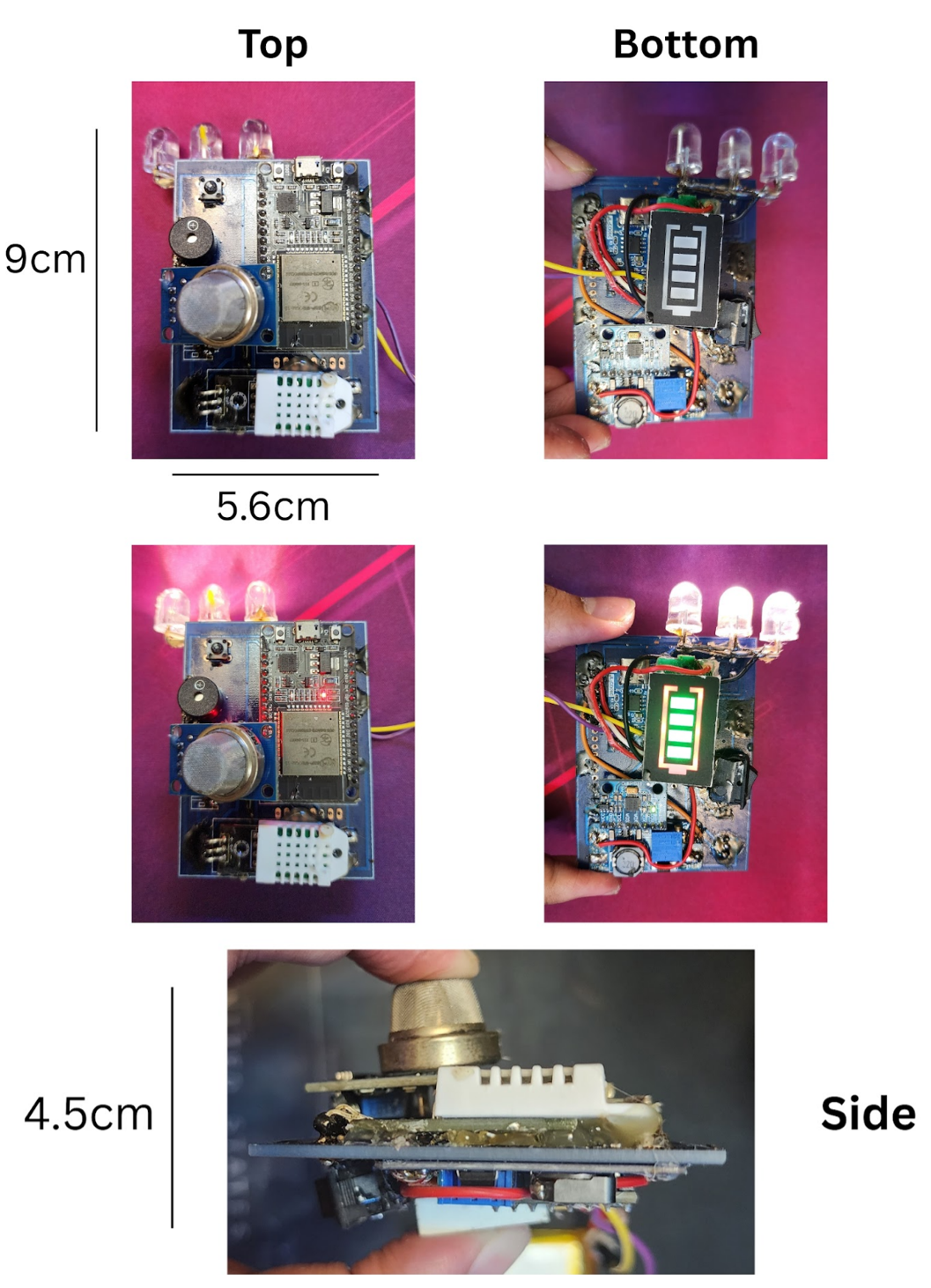
ESP32 Helmet (Embedded Layer)
Mobile App (Client Layer)
Backend Server (Business Logic Layer)
Node.js/Express REST API
MongoDB data persistence
Server-Sent Events (SSE) for real-time updates
Supervisor dashboard with map visualization
Supervisor dashboard with map visualization
# See: Smart_Helmet_KiCad_Design/README.md
# 1. Assemble components using KiCad schematic
# 2. Flash ESP32 with firmware
# 3. Test sensors individually# See: Smart_Helmet_ESP32_Code/README.md
cd Smart_Helmet_ESP32_Code/Smart_Helmet_Code/
# 1. Open in Arduino IDE
# 2. Install required libraries (BLE, DHT, MPU6050)
# 3. Configure WiFi credentials
# 4. Upload to ESP32# See: Smart_Helmet_App/README.md
cd Smart_Helmet_App/
flutter pub get
flutter run# See: Smart_Helmet_App_Backend/README.md
cd Smart_Helmet_App_Backend/
npm install
npm start
# Server runs on http://localhost:3000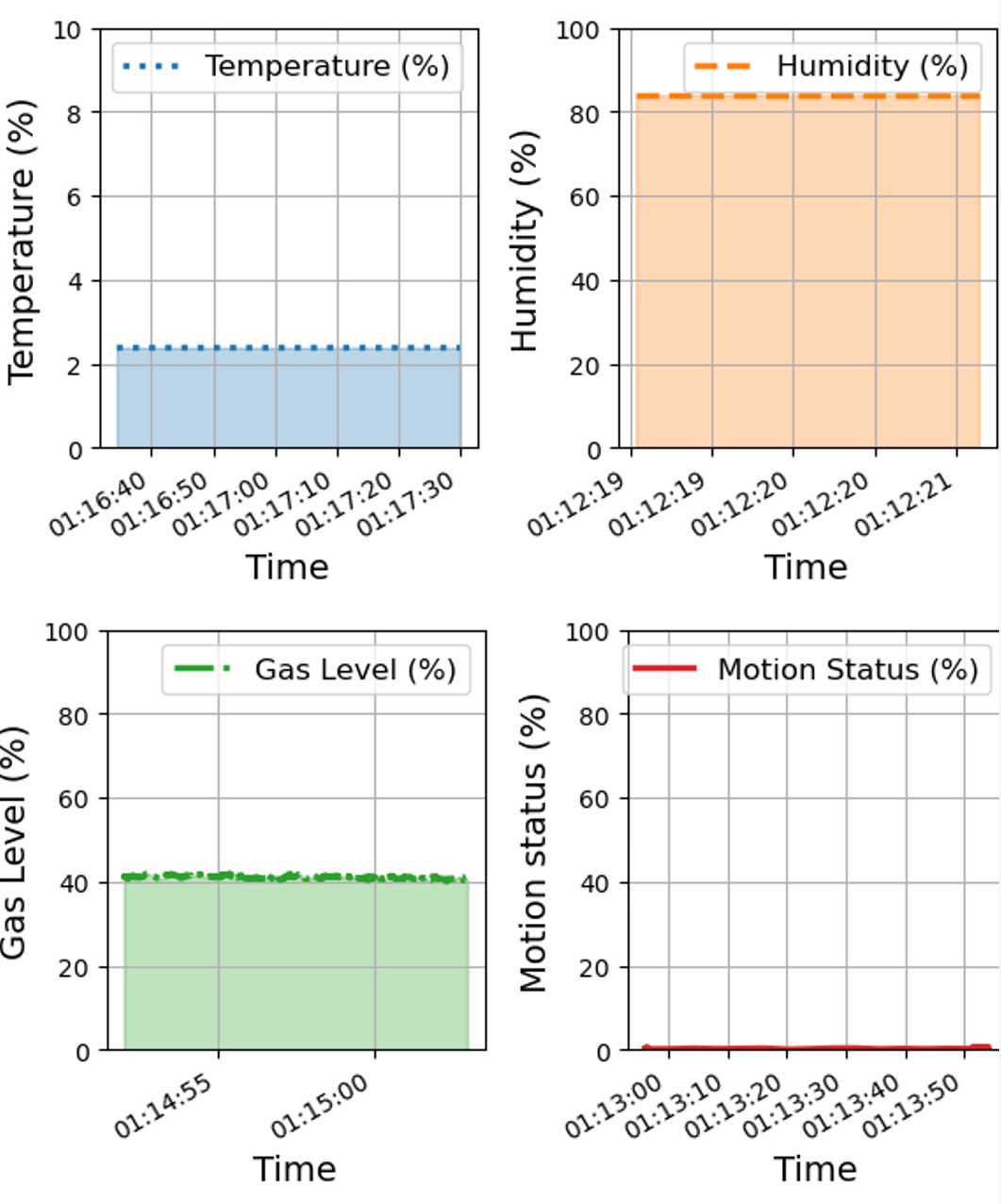
🔊 Audible buzzer (3100 Hz tone)
📳 Haptic vibration (3x 1-second pulses)
💡 LED indicator (including SOS Morse code)
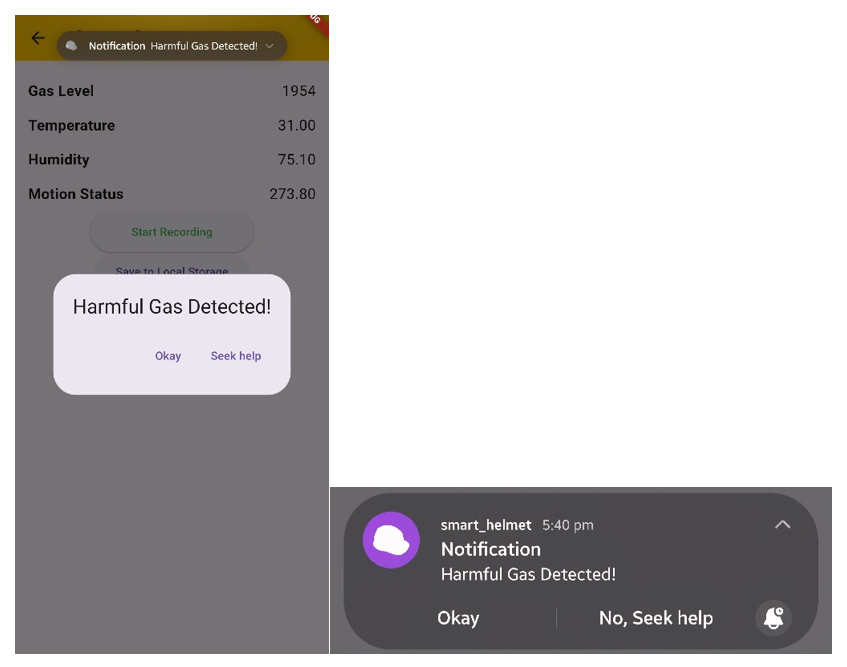
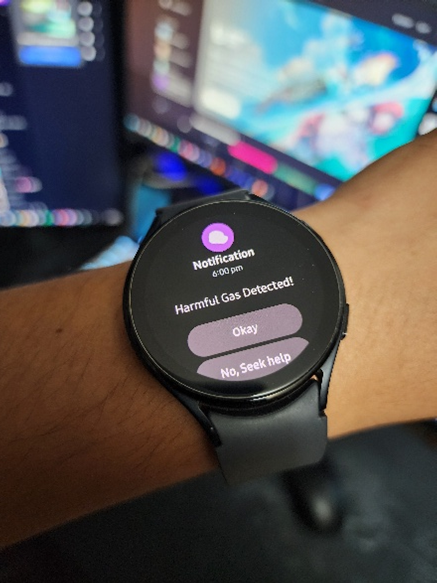
📲 Push notifications (phone + smartwatch)
🗺️ Location-based emergency escalation
🗺️ Location-based emergency escalation
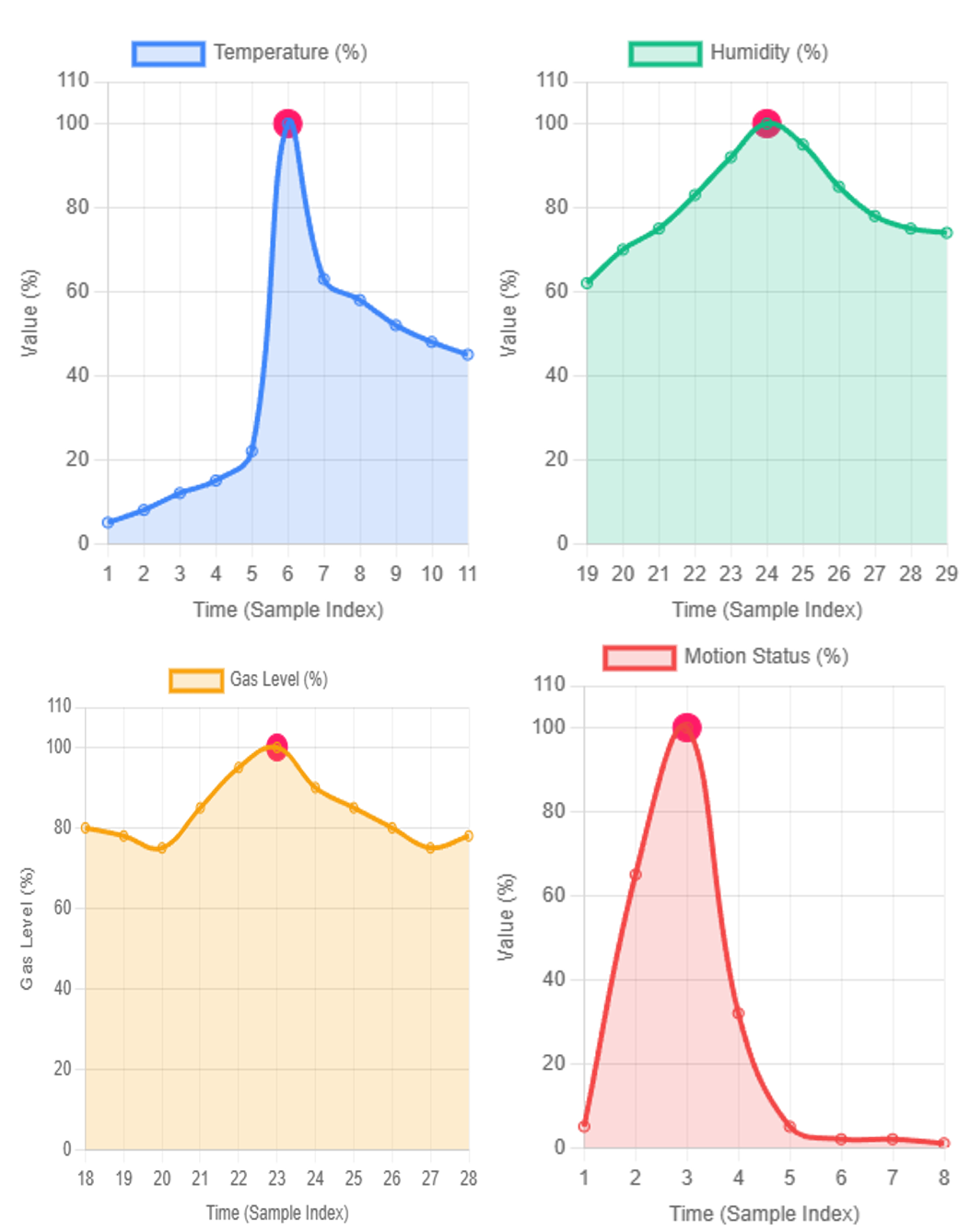
Real-world sensor readings available in:
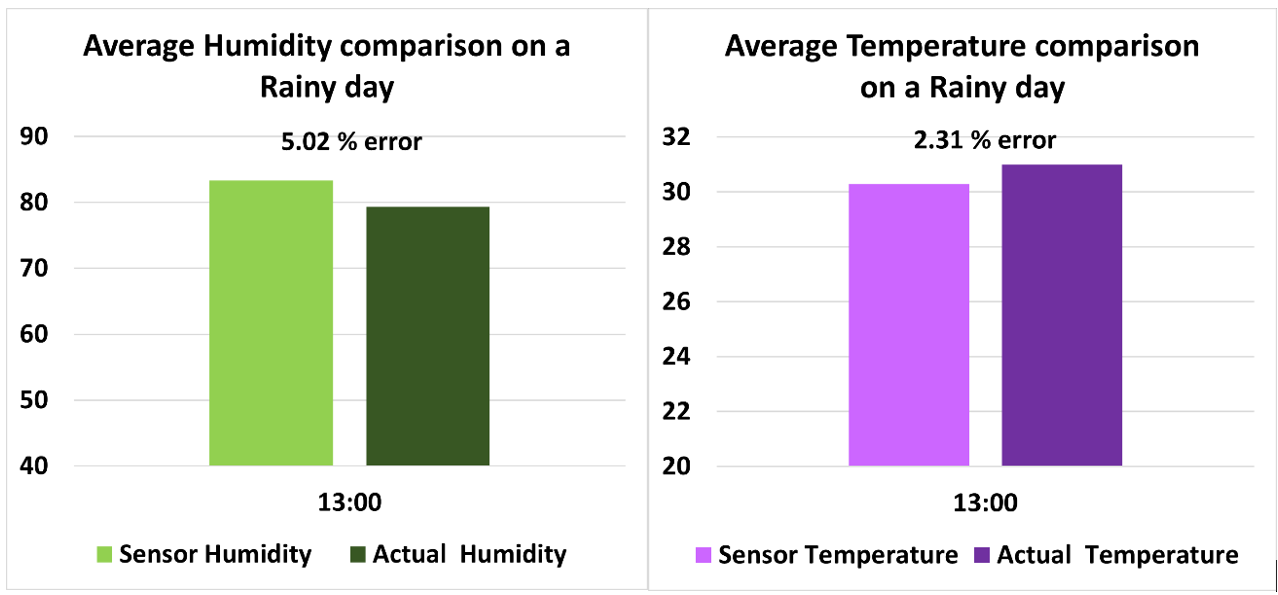
Collected Data/Morning.csv – Morning site conditionsCollected Data/Afternoon Rainy.csv – Rainy conditionsCollected Data/Gas test.csv – Gas sensor validation⚠️ Current Implementation (Development):
For Production Deployment:
Edit in Smart_Helmet_Code.ino:
#define FALL_THRESHOLD 1.3
#define TEMP_THRESHOLD 50.0
#define HUMIDITY_THRESHOLD 90.0
#define GAS_THRESHOLD 1000setup()loop() or handleWarnings()Update in sensor_data_page.dart:
final String serverUrl = "http://your-server-ip:3000/send-data";| Metric | Value |
|---|---|
| Sampling Rate | ~83.33 Hz (10ms intervals) |
| BLE Range | 10-100m (depending on obstacles) |
| Battery Life | ~8-12 hours (continuous operation with WiFi on) |
| Response Time | <200ms (sensor detection to alert) |
| Data Upload Frequency | ~25 updates/second |
| Simultaneous Helmets | Unlimited (server-side scaling) |
This project was developed as a Directed Research (CSE498R) project at North South University, Department of Electrical and Computer Engineering, supervised by Dr. Nova Ahmed.
Full Research Report: See Smart Helmet Report.pdf
We welcome contributions! Please:
See CONTRIBUTING.md for guidelines.
This project is licensed under the MIT License – see LICENSE for details.
Research Publication: The findings and design are documented in the official research report available upon request from North South University.
 Mostakim Hossain NSU ID: 2131545042 |
 Safat Mamun NSU ID: 2132084042 |
 Md. Musfiq Hossain NSU ID: 2132562642 |
Dr. Nova Ahmed
Professor, Department of Electrical and Computer Engineering
North South University, Dhaka, Bangladesh
This is a research prototype and NOT a certified safety device. It is designed for academic purposes and proof-of-concept validation. Before industrial deployment:
docs/ folderLast Updated: February 2026 | Status: Active Research Project
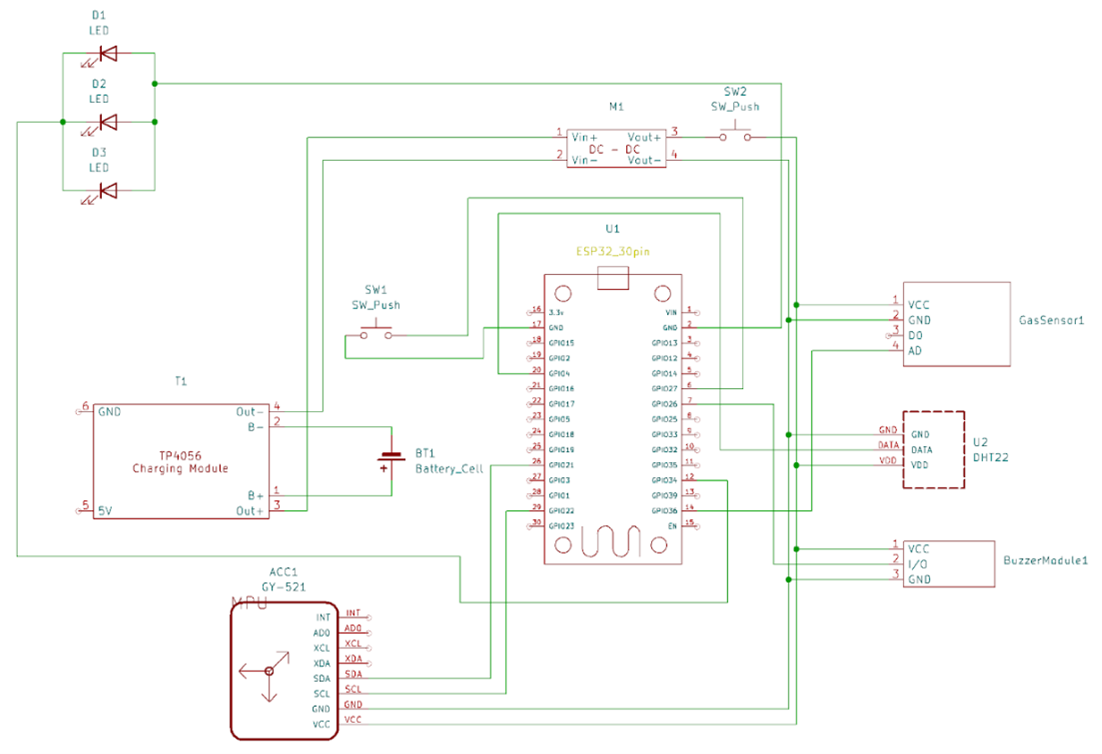
| Qty | Value | Footprint | References |
|---|---|---|---|
| 3 | LED | LED_SMD:LED_PLCC-2_3.4x3.0mm_AK | D1, D2, D3 |
| 2 | , | ||
| 1 | Battery_Cell | Connector_JST:JST_PH_S2B-PH-K_1x02_P2.00mm_Horizontal | BT1 |
| 1 | DHT22 | DHT22.kicad:DHT22 | U2 |
| 1 | GY-521 | GY-521:GY-521 | ACC1 |
| 1 | SW_Push | Button_Switch_THT:SW_PUSH_6mm_H5mm | SW1 |
| 1 | SW_Push | Button_Switch_THT:SW_PUSH_1P1T_6x3.5mm_H4.3_APEM_MJTP1243 | SW2 |
| 1 | ~ | Buzzer Active:Untitled | BuzzerModule1 |
| 1 | ~ | ESP32_Footprints:ESP32_30pin | U1 |
| 1 | ~ | Gas_Sensor_MQ-2:Untitled | GasSensor1 |
| 1 | ~ | TP4056:TP4056-18650 | T1 |
| 1 | ~ | hw-045:MT3608_module_SMT | M1 |
Ardumower/ardumower
Develop an open source robotic lawn mower (HW+SW reference platform)

mcbittech/souliss-smart-thermostat-WiFi
ESP8266 WiFi Smart Thermostat based on Souliss IoT Framework

justinmklam/iot-sourdough-starter-monitor
Tracking the fermentation of sourdough starter over the cloud.

MakersAsylumIndia/M19O2
M19O2 open source hardware Oxygen Concentrator based on the Pressure Swing Adsorption cycle aka Skarstorm cycle

kbx81/ClimateSprinklerController
ESP32-based climate and sprinkler controller for use with ESPHome

felixwittwer/homeassistant_automaic_greenhouse
A cool Project to make your greenhouse smart. What about automaic irrigation and collecting enviromental data right from your garden.

AnaviTechnology/anavi-thermometer
WiFi Smart Thermometer with ESP8266, DHT22, DS18B20, OLED display and slots for up to 3 I2C sensor modules

Finomnis/AirQualitySensor
Simple Air Quality sensor based on nRF52840, Zigbee, AM2302/DHT22 and Senseair S8
It measures 55.5 × 76.3 mm and has 2 copper layers, 1.6 mm thick.
15 parts, built around the DHT22. The full list of its parts is on this page, with links to each part's symbol and footprint where PCBKit's library has them.
From the Mostakim52/ESP32-Smart-Helmet repository on GitHub, at the commit this page was made from: the board is Smart_Helmet_KiCad_Design/498R_design/498R_design.kicad_pcb and its schematic Smart_Helmet_KiCad_Design/498R_design/498R_design.kicad_sch. PCBKit opens the board in the browser, with nothing to install.
Its repository states no licence, so its author keeps all rights: ask Mostakim52 before reusing the design.