
2 layers74.4 × 51.2 mm
Esp32-wroom timer
AlessandroAU/Chorus32-ESP32LapTimer
This is an ESP32 port of the popular Chorus RF Laptimer
66 parts102GPL-3.0

 Mikrozaur/esp32-laminator-controller
ESPHome controller for roll laminator based on ESP32-C3
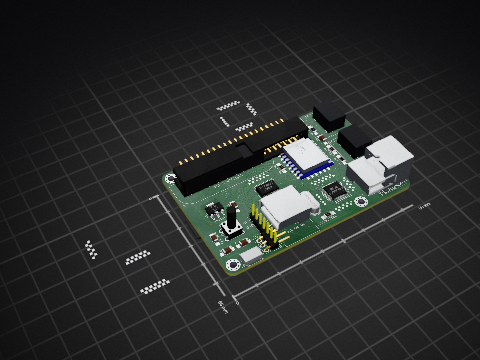
KiCad new is an open-source printed circuit board by Mikrozaur, from the Mikrozaur/esp32-laminator-controller repository on GitHub, published under the MIT licence. It is a 2-layer board with 26 parts on 36 nets, routed with 131 tracks and 8 vias.
It is built around the AMS1117. Its parts include 15 resistors, 5 connectors, 4 capacitors and 2 ICs. It belongs with the home automation and IoT boards and the ESP32 and RISC-V boards of this library.
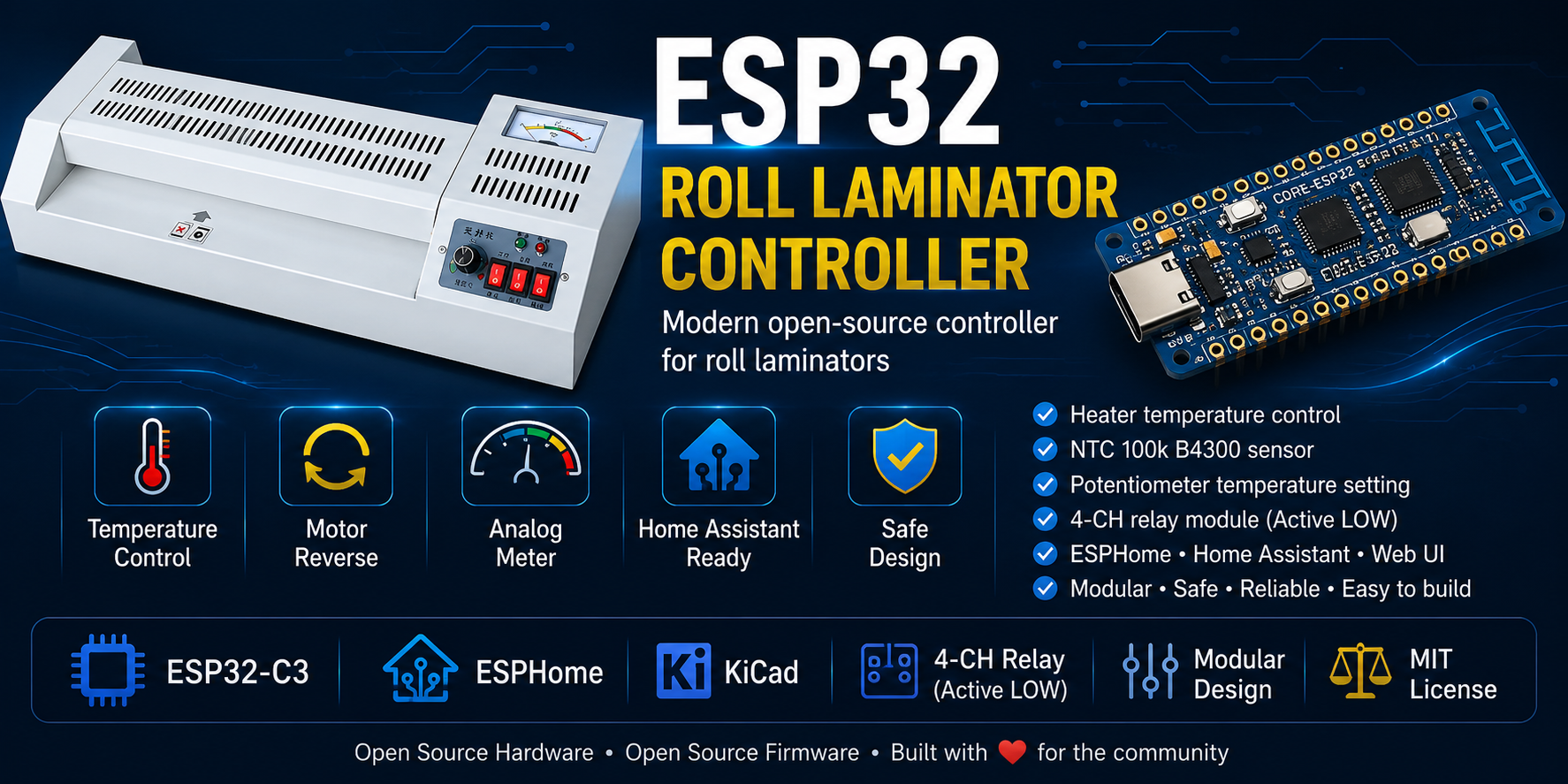
Modern replacement controller for inexpensive roll laminators based on ESP32-C3 and ESPHome.
The project replaces the original controller board with a fully programmable, modular, and repairable solution built from standard components.
Version: 1.0
✔ Hardware completed
✔ ESPHome firmware completed
✔ Control algorithms completed
✔ Preliminary temperature calibration completed
⏳ Fine temperature calibration and long-term testing remain.
The controller was designed with electrical safety as one of its primary goals.
Unlike the original controller board, all high-voltage (220 VAC) circuitry has been removed from the control electronics.
The ESP32 board, switches, potentiometer, LEDs, and temperature sensor operate exclusively from 3.3 V / 5 V.
The only part connected to mains voltage is the external 4-channel relay module, which switches:
This architecture significantly improves safety, simplifies debugging, and makes future repairs much easier.
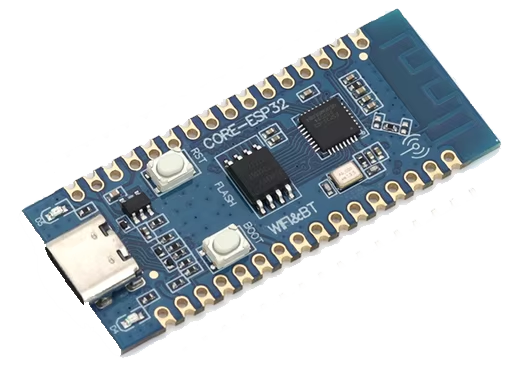
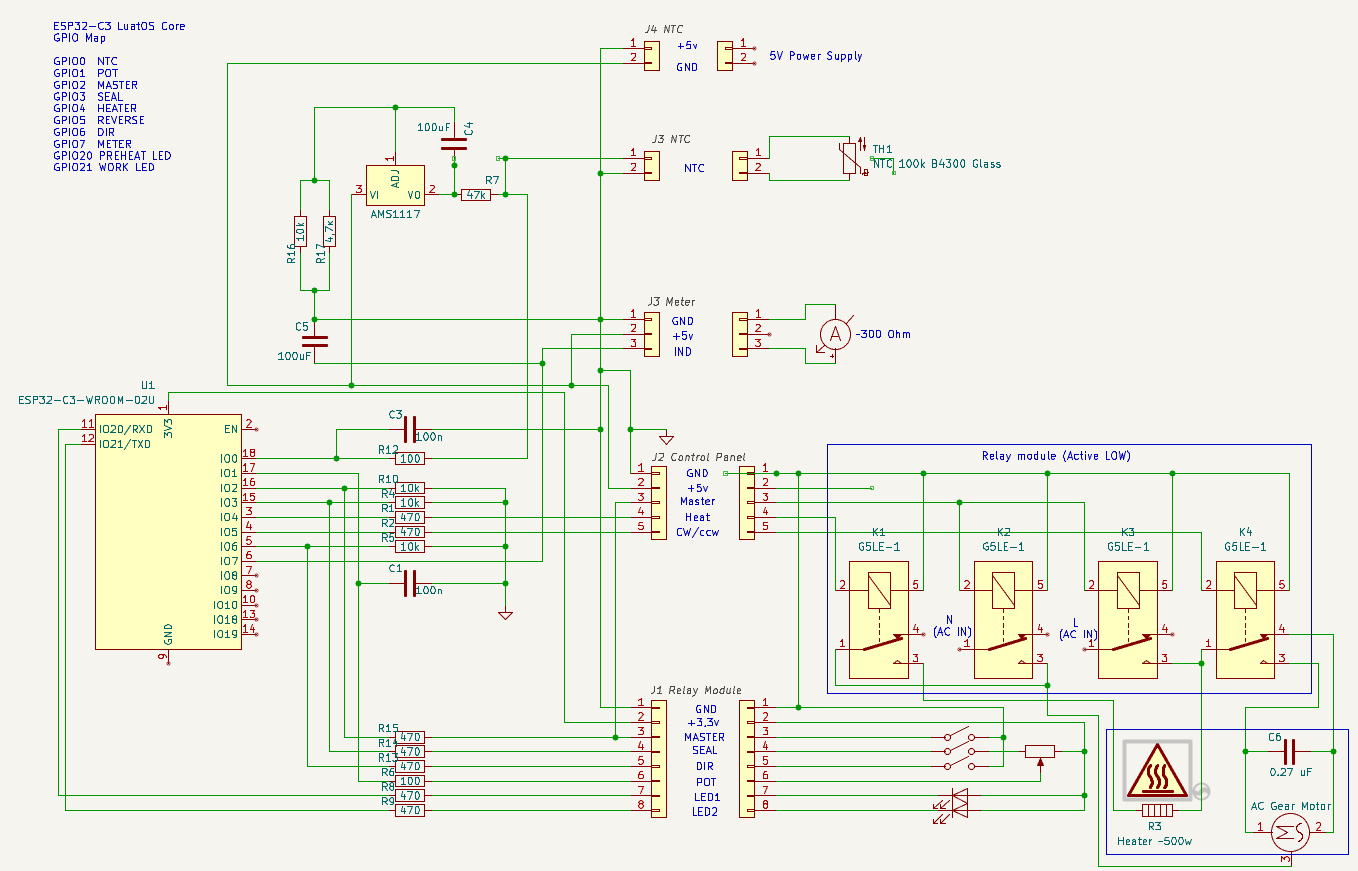 Controller:
Temperature sensor:
Voltage regulator:
Relay module:#
| GPIO | Function |
|---|---|
| GPIO0 | NTC temperature sensor |
| GPIO1 | Potentiometer |
| GPIO2 | MASTER switch |
| GPIO3 | SEAL switch |
| GPIO4 | Heater relay |
| GPIO5 | Reverse relay |
| GPIO6 | Direction switch |
| GPIO7 | Analog meter (PWM) |
| GPIO20 | PREHEAT LED |
| GPIO21 | WORK LED |
Unused GPIO:
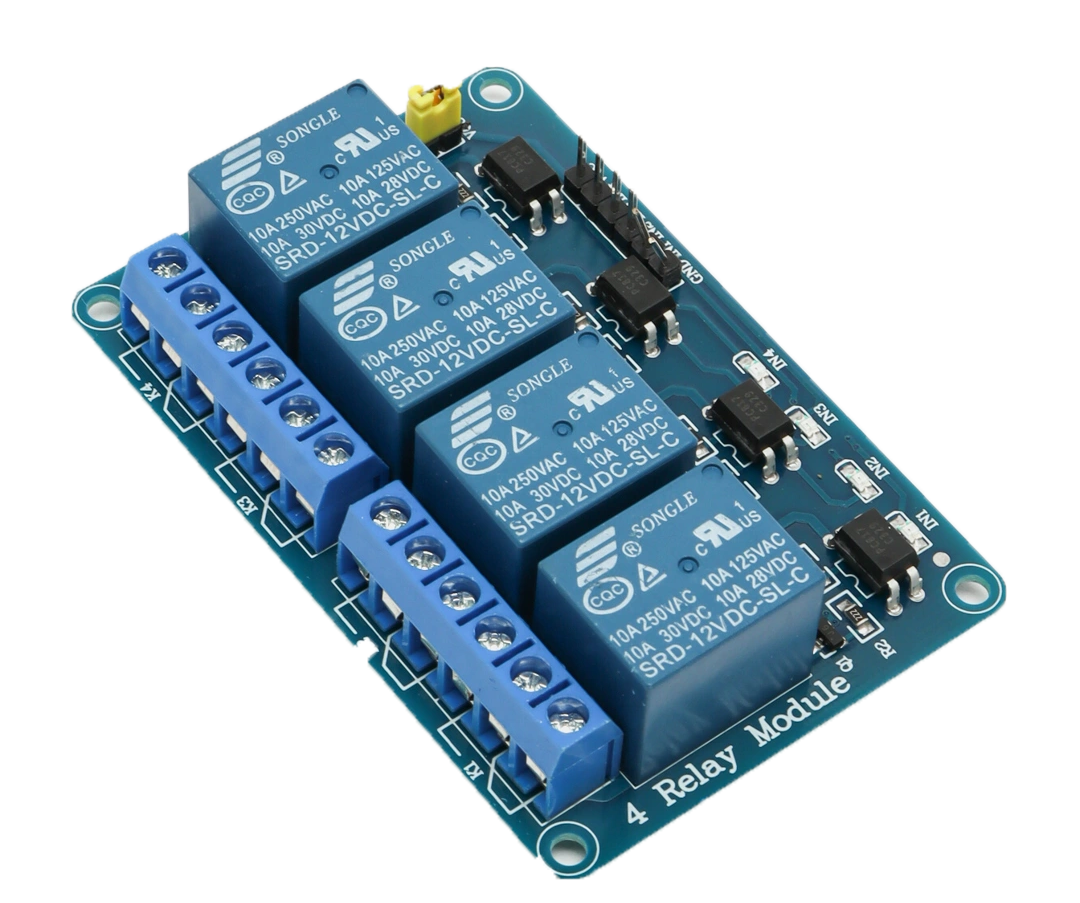
The project uses a standard 4-channel Active LOW relay module.
Logic:
ESPHome configuration:
inverted: truerestore_mode: ALWAYS_OFFThis guarantees that all relays remain OFF immediately after power-up or reset.
Firmware/
    ESPHome YAML

Hardware/
    Schematics
    PCB
    KiCad project

docs/
    Technical specification
    Calibration notes

Images/
    Photos
SchematicsThis project is released under the MIT License.
Feel free to use, modify and improve it.
| Qty | Value | Footprint | References |
|---|---|---|---|
| 7 | 470 | 1_Personal:R_0805_2012Metric | R6, R7, R8, R9, R10, R12, R13 |
| 4 | 10k | 1_Personal:R_0805_2012Metric | R3, R4, R5, R15 |
| 2 | 100 | 1_Personal:R_0805_2012Metric | R2, R11 |
| 2 | 100n | 1_Personal:C_Disc_D3.0mm_W2.0mm_P2.50mm | C1, C3 |
| 2 | 100uF | 1_Personal:CP_Radial_D5.0mm_P2.50mm | C2, C4 |
| 1 | 4,7к | 1_Personal:R_0805_2012Metric | R14 |
| 1 | 47k | 1_Personal:R_0805_2012Metric | R1 |
| 1 | AMS1117 | 1_Personal:Ams1117 module | U2 |
| 1 | Control Panel | Connector_Molex:Molex_SL_171971-0008_1x08_P2.54mm_Vertical | J5 |
| 1 | ESP32-C3 Dev Board | 1_Personal:ESP32-C3_LuatOS | U1 |
| 1 | J1 Power | 1_Personal:Molex_SL_171971-0002_1x02_P2.54mm_Vertical | J1 |
| 1 | J2 NTC | 1_Personal:Molex_SL_171971-0002_1x02_P2.54mm_Vertical | J2 |
| 1 | Meter | Connector_Molex:Molex_SL_171971-0003_1x03_P2.54mm_Vertical | J3 |
| 1 | Relay Module | Connector_Molex:Molex_SL_171971-0005_1x05_P2.54mm_Vertical | J4 |
AlessandroAU/Chorus32-ESP32LapTimer
This is an ESP32 port of the popular Chorus RF Laptimer


uli/basicengine-pcb
Schematics and PCB layout for the BASIC Engine home computer


MR-DOS/TDR_diploma_thesis
Time domain reflectometer. Includes Hardware, firmware and GUI in Octave. Also a diploma thesis.
26 parts, built around the AMS1117. The full list of its parts is on this page, with links to each part's symbol and footprint where PCBKit's library has them.
From the Mikrozaur/esp32-laminator-controller repository on GitHub, at the commit this page was made from: the board is hardware/KiCad_new/_restore_backup_2026-07-08T14-49-28-121/KiCad_new.kicad_pcb and its schematic hardware/KiCad/laminator.kicad_sch. PCBKit opens the board in the browser, with nothing to install.
Its repository publishes it under the MIT licence: you may reuse it on that licence's terms (keep the author's notice, and for a copyleft licence share your changes alike).