

4 layers118 × 117 mm
Cm4-robot
Twisted-Fields/acorn-robot-electronics
PCB hardware designs in KICAD for Acorn, the precision farming rover from Twisted Fields.
268 parts81

 ManicQuinn/SlimeVR-Candy1
Custom SlimeVR Trackers I am working on, Non-PCB Case design, optimized for being compact while using breakout boards and also have cable routing in mind so it won't affect the antenna signal. 3D files are designed in Fusion 360 as that is what I have the most experience with.
SlimePCB is an open-source printed circuit board by ManicQuinn, from the ManicQuinn/SlimeVR-Candy repository on GitHub, published under the GPL-3.0 licence. It is a 2-layer board of 60 × 26.2 mm with 9 parts on 31 nets, routed with 38 tracks and 5 vias.
It is built around the WEMOS D1 MINI and SS-12D10L5. Its parts include 3 ICs, 2 diodes, 1 resistor, 1 connector and 1 switch. It belongs with the radio and wireless boards and the ESP8266 boards of this library.
A Non-PCB case for SlimeVR trackers, over engineered and optimized for being compact. They're only 61.8mm(L)x60.5(W)x16.2mm(H) in size WITH strap loops, and only weigh about 50 grams with all the components inside and wired up(Including the battery I chose, your millage may vary).
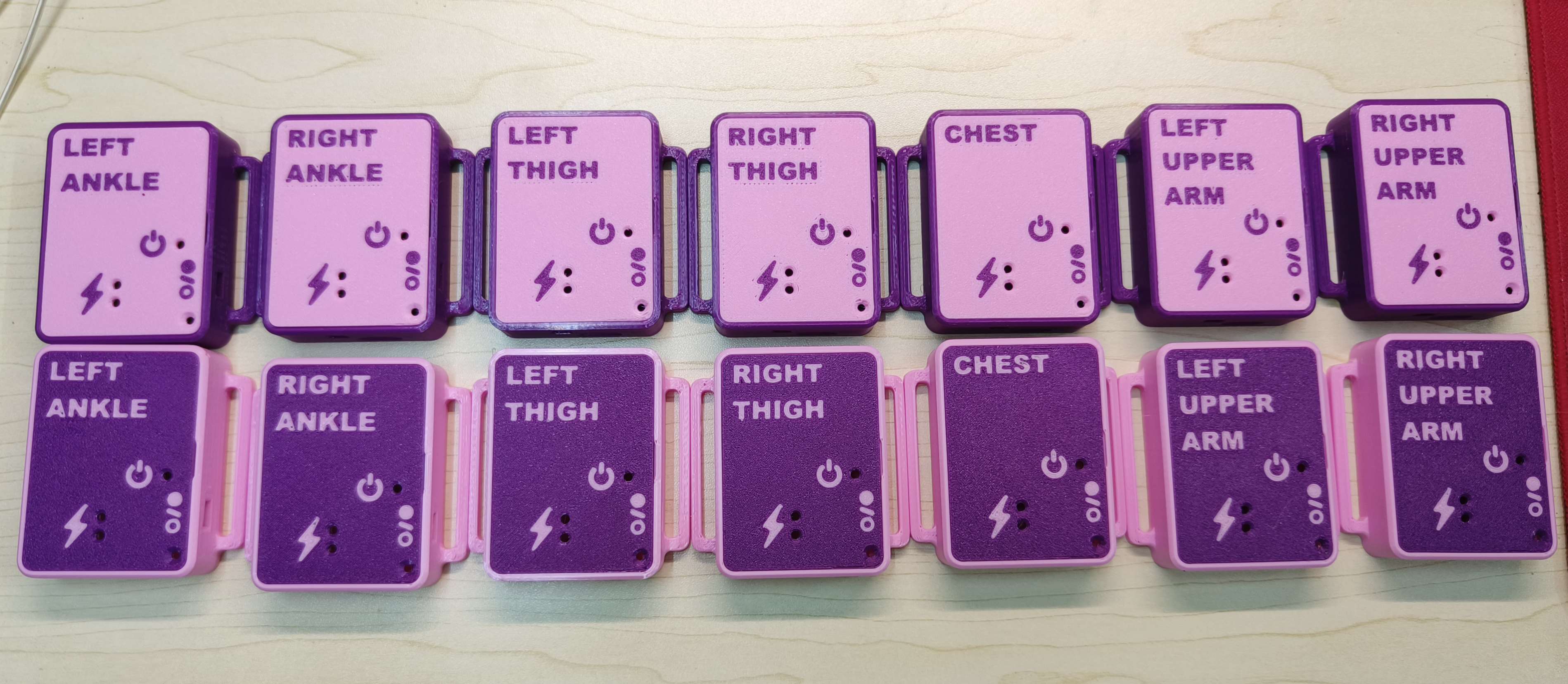
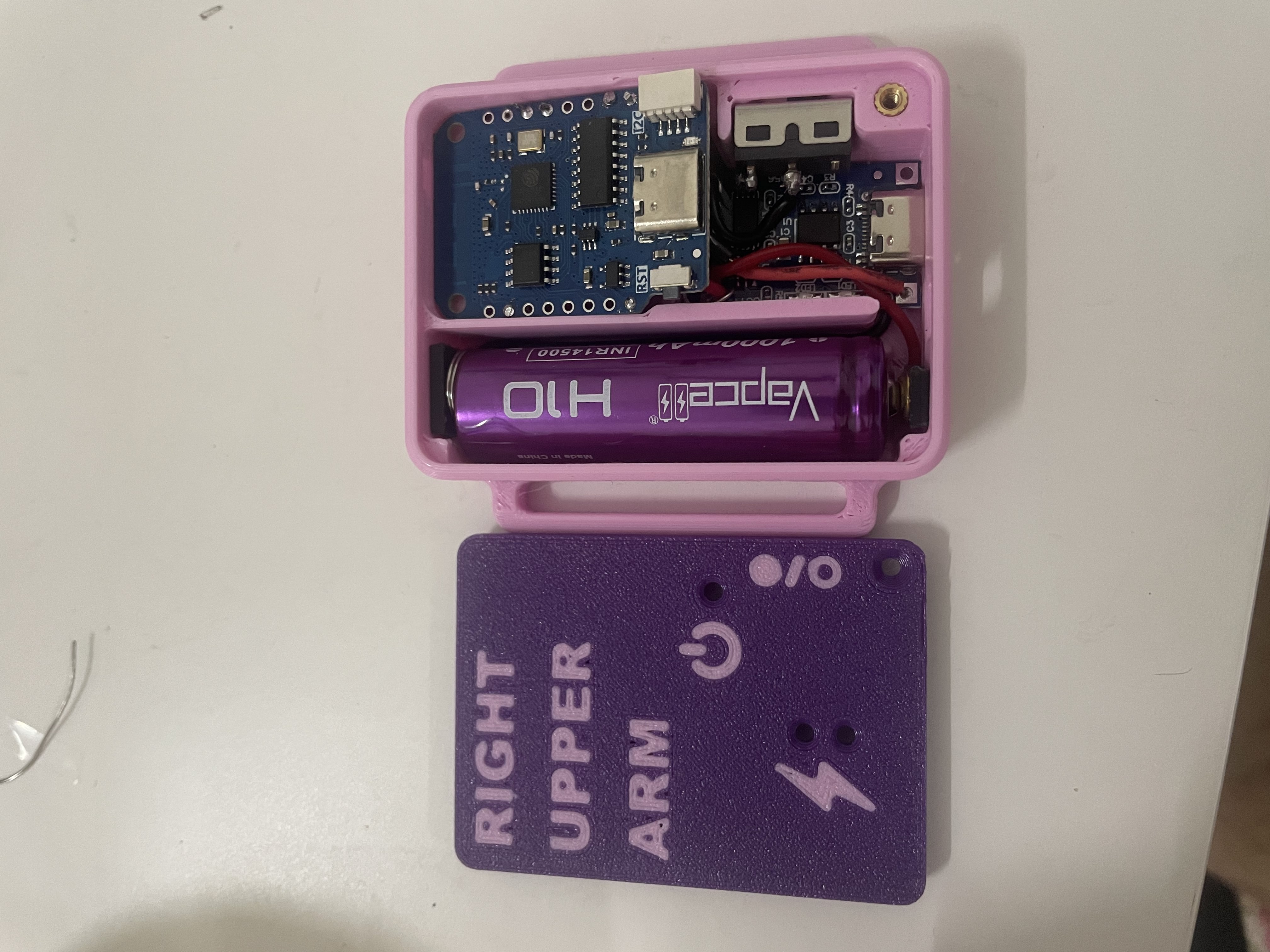
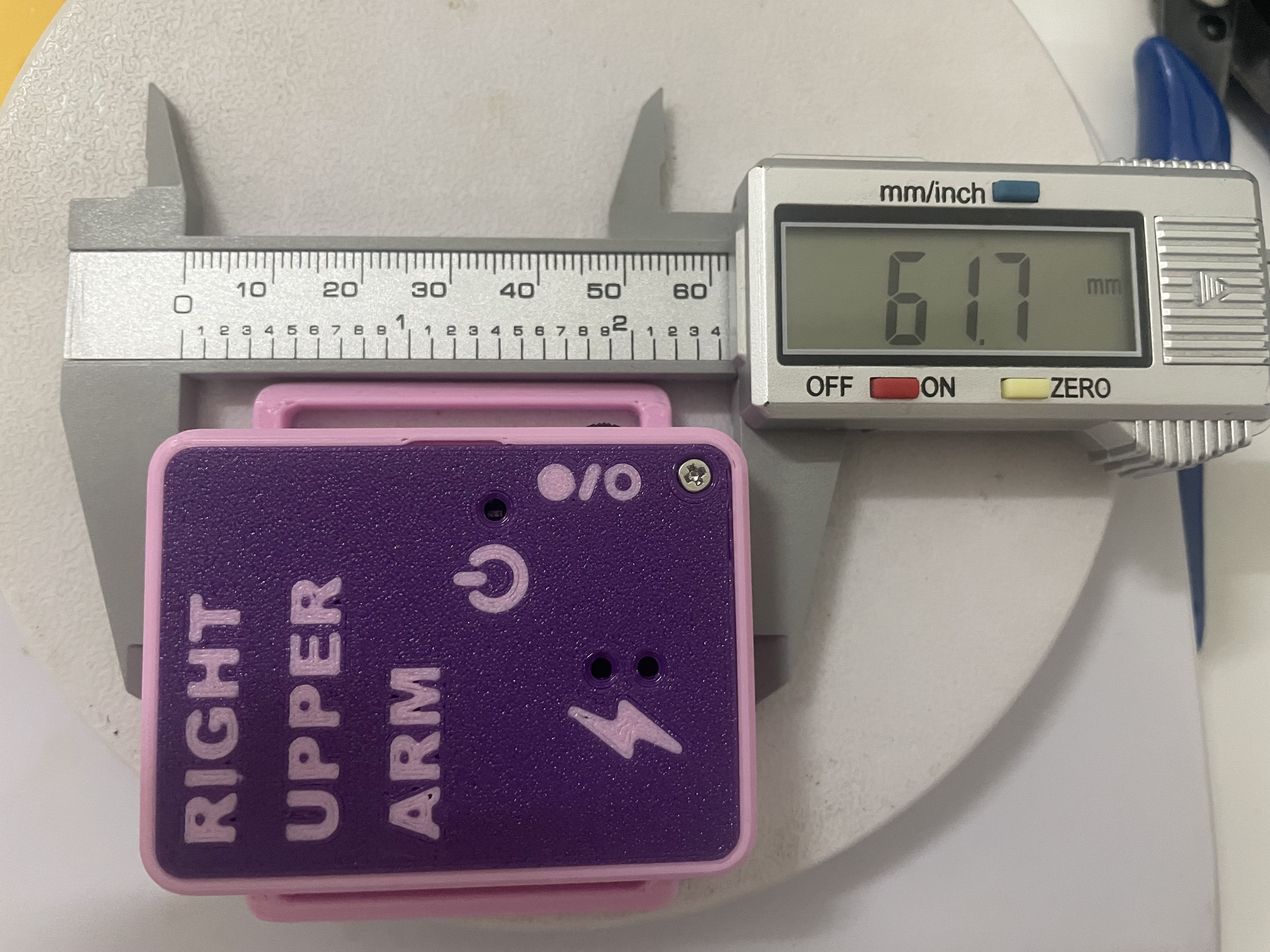
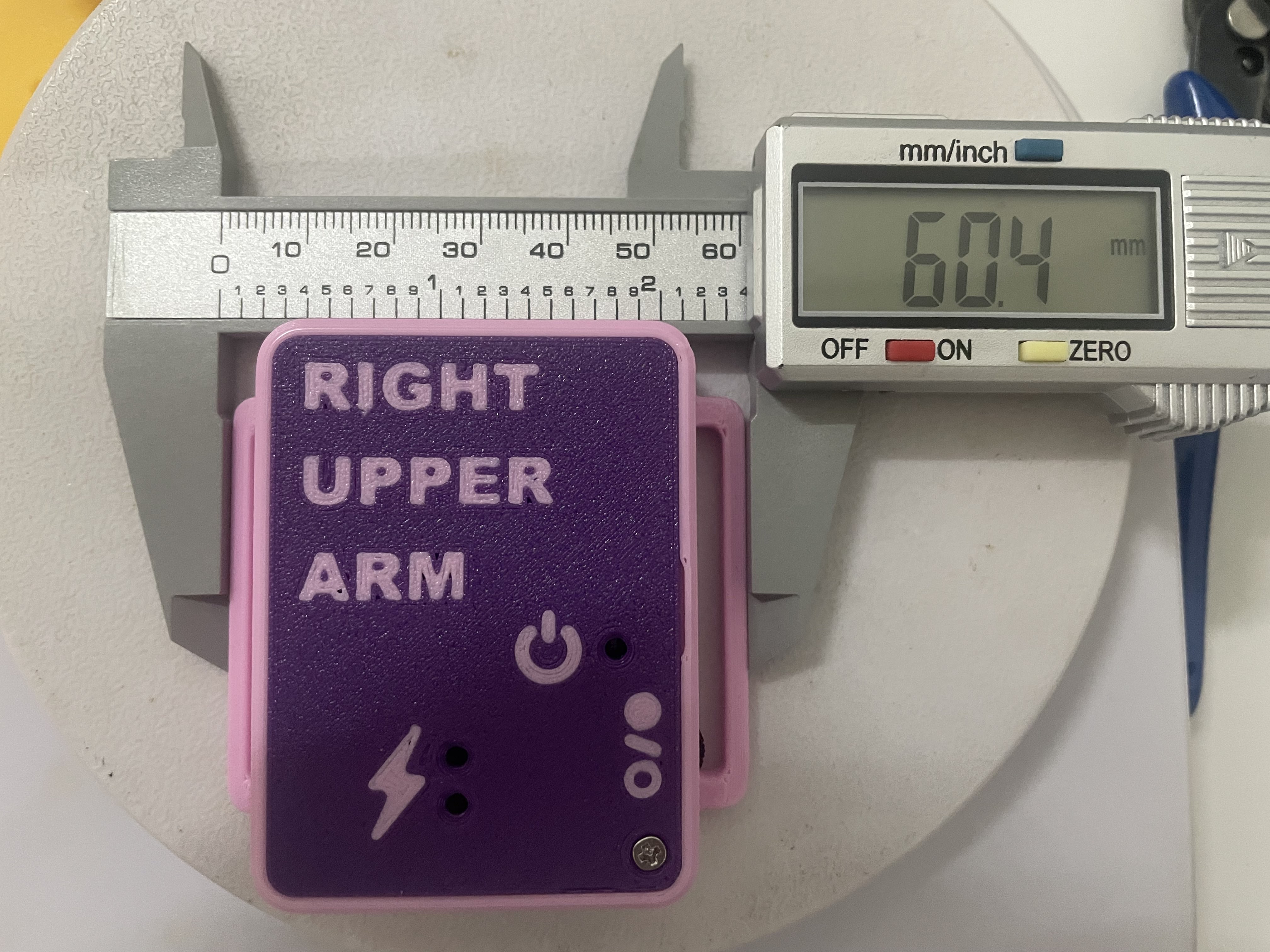
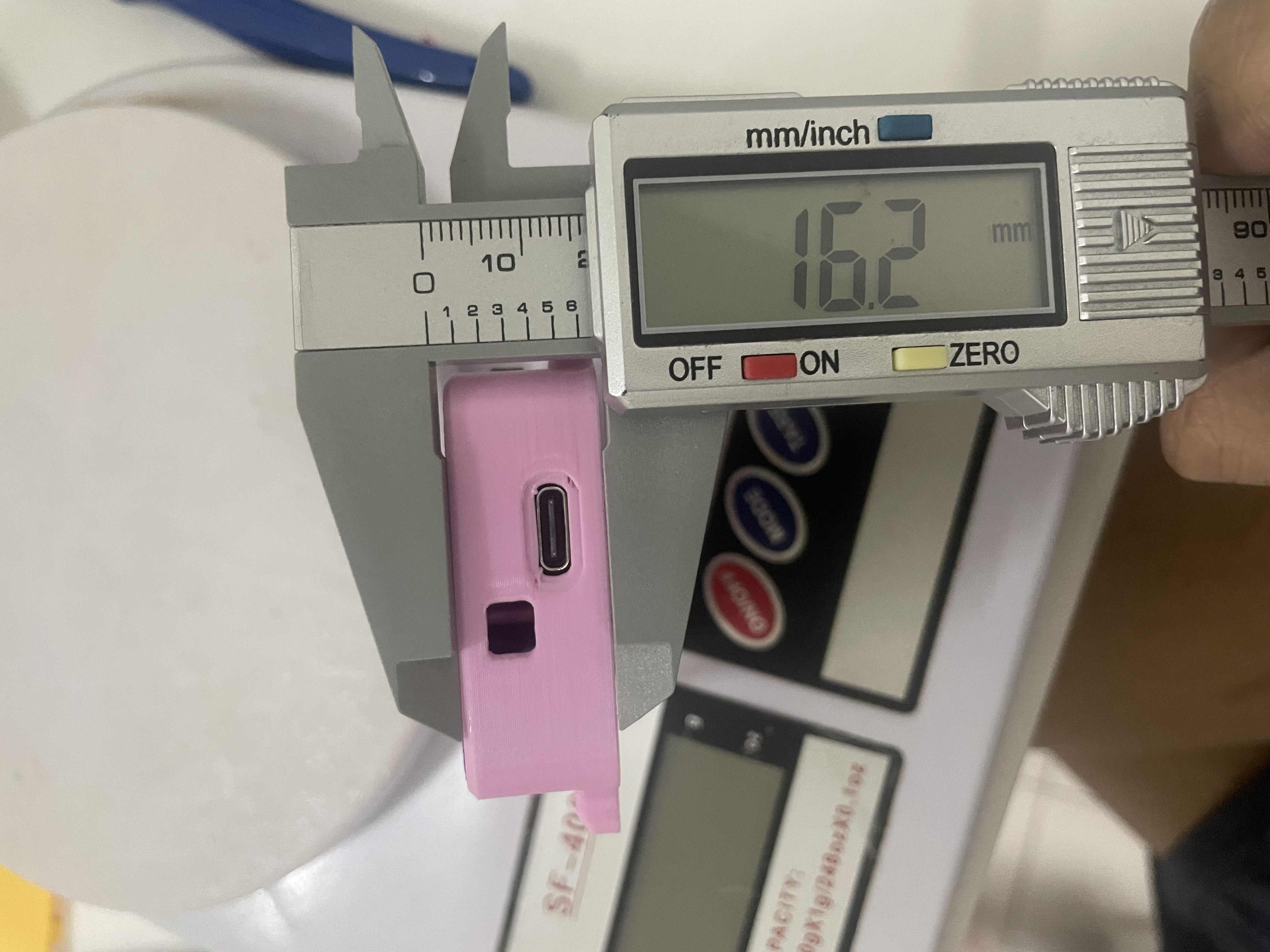
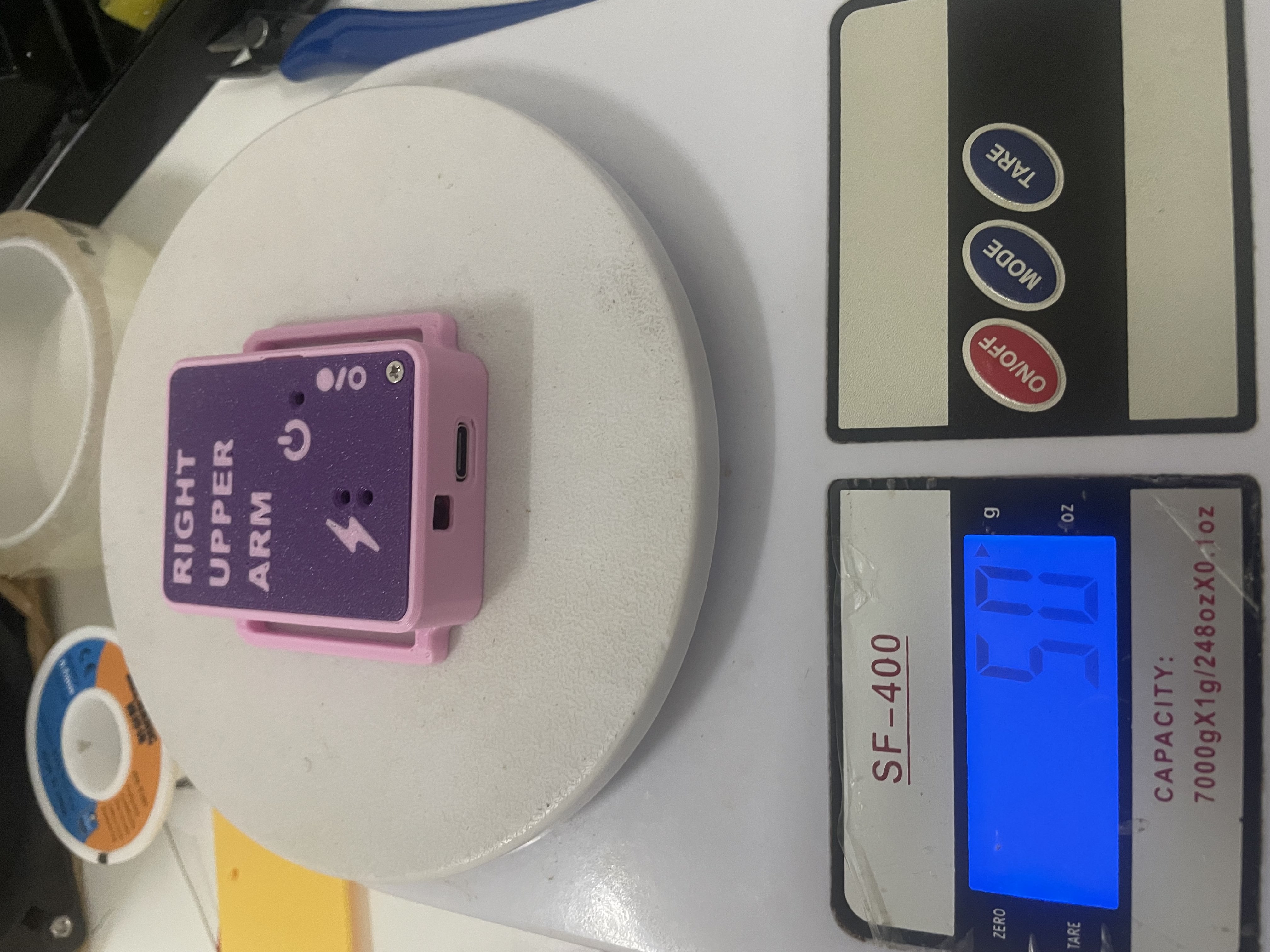
I've looked at every problem available to me at a technical level, from cable routing causing issues with the Wifi antenna, to a size problem when it comes to Non-PCB cases, the goal of this project was to be as optimized as I could. There were some issues I could not fix due to the design, and decided to compromise.
The issues are as follows:
Parts:
| Qty | Value | Footprint | References |
|---|---|---|---|
| 2 | 1N5817 | SlimeVRMotherBoard:DO-214AC | D1, D2 |
| 1 | 180K 1206 | Resistor_SMD:R_1206_3216Metric_Pad1.30x1.75mm_HandSolder | R1 |
| 1 | JST 5Pin XH 2.54mm | Connector_JST:JST_XH_S5B-XH-A_1x05_P2.50mm_Horizontal | J1 |
| 1 | SS12D10 | Switches:SS12D10 | SW1 |
| 1 | WeMos_D1_mini | Module:WEMOS_D1_mini_light | U1 |
| 1 | ~ | SlimeVRMotherBoard:TP4056-18650 | U3 |
| 1 | ~ | Module:BMI160 module | U2 |
| 1 | ~ | SlimeVRMotherBoard:Battery | BT1 |
Twisted-Fields/acorn-robot-electronics
PCB hardware designs in KICAD for Acorn, the precision farming rover from Twisted Fields.


dani9875/door_alarm_system
When a change is detected, the system transmits the event data through the local network to cloud services. The cloud then relays the information to a mobile application, alerting the property owner via a notification.

Froggy111/RBC-soccer-2025
software and hardware for team BotByWire, Robocup Junior Soccer Lightweight 2025

SmartHome-yourself/shys-collection
Kompakte Sammlung für ESPHome, Hardware-Boards, Home Assistant und Node-RED. Fokus: einfach, überschaubar, konsistente Ordner. Optional gibt's einen Validator, GitHub Action und einen Pre‑commit Hook.


nkitanov/iaq_board
IAQ Board is a DIY (Do-It-Yourself) device for measuring internal air quality

bitfixer/bf-romulator
Romulator - RAM/ROM replacement and debug for 6502 CPU systems
It measures 60 × 26.2 mm and has 2 copper layers, 1.6 mm thick.
9 parts, built around the WEMOS D1 MINI and SS-12D10L5. The full list of its parts is on this page, with links to each part's symbol and footprint where PCBKit's library has them.
From the ManicQuinn/SlimeVR-Candy repository on GitHub, at the commit this page was made from: the board is (WIP, Ignore) Kicad Files/SlimePCB.kicad_pcb and its schematic (WIP, Ignore) Kicad Files/SlimePCB.kicad_sch. PCBKit opens the board in the browser, with nothing to install.
Its repository publishes it under the GPL-3.0 licence: you may reuse it on that licence's terms (keep the author's notice, and for a copyleft licence share your changes alike).