4 layers203 × 116 mm
MOM1 model
JonathSpirit/GComputer_standard
This repository contain all homemade standards for the 8bits computer
9 parts3MIT

 JonathSpirit/GComputer_standard3
This repository contain all homemade standards for the 8bits computer
SPS1 model is an open-source printed circuit board by JonathSpirit, from the JonathSpirit/GComputer_standard repository on GitHub, published under the MIT licence. It is a 4-layer board of 133 × 93 mm with 5 parts on 95 nets.
It belongs with the retro computing and games and computers and single-board computers boards of this library.
Copyright (C) 2020 Guillaume Guillet
This repository contains all homemade standard essentially for my 8bits computer but can be applied for any other purpose.
All processor standards contain documentation with a description, mechanical detail, electrical detail and pins placement.
"Simple Processor Standard"
19.08.2020 SPS1 (revision 3) , documentation here , changelog here
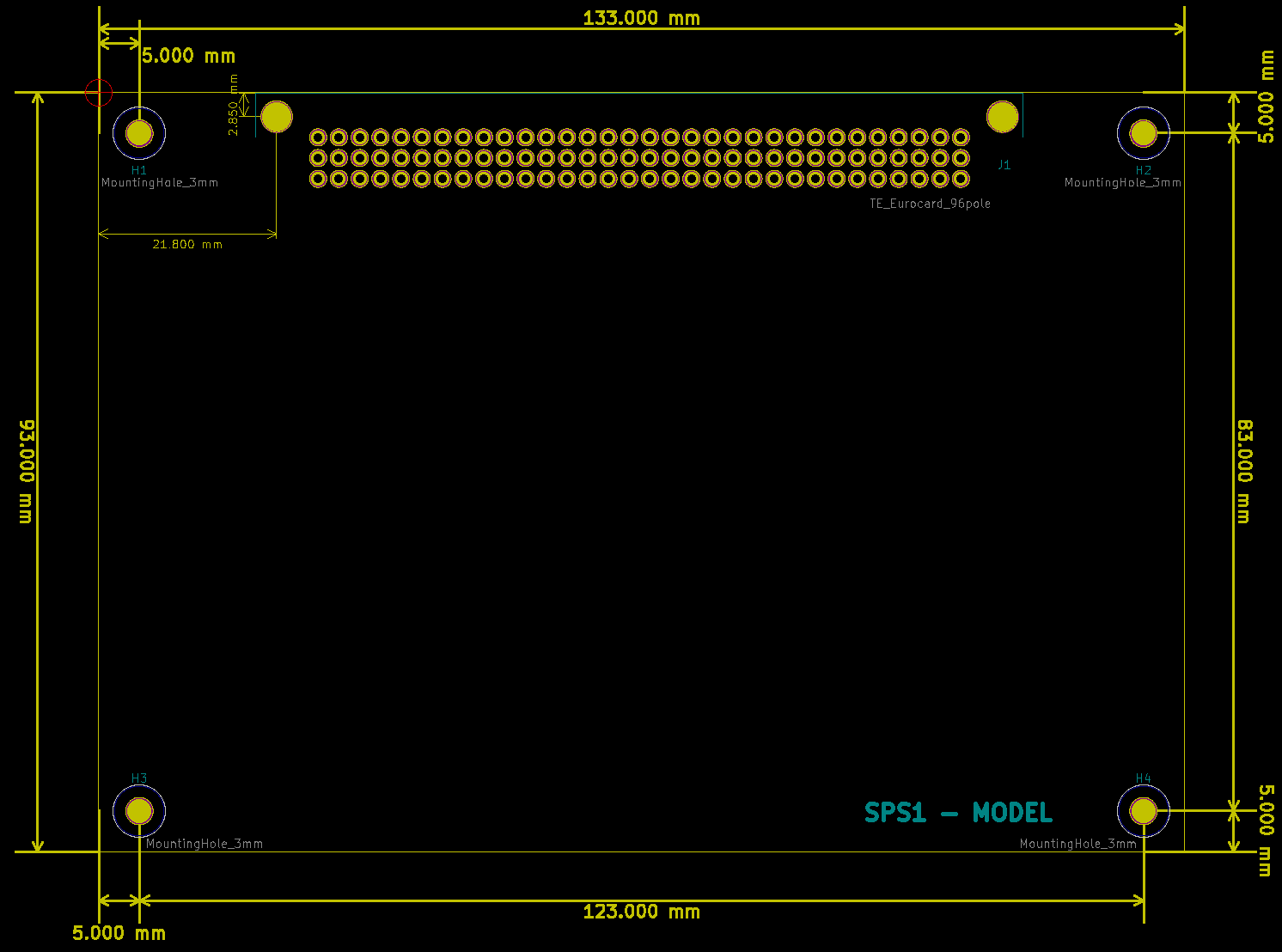
All motherboard standards contain documentation with a description and every model with compatible processor.
"Mother Of Motherboard"
28.09.2020 MOM1_basic (revision 2) , documentation here , changelog here
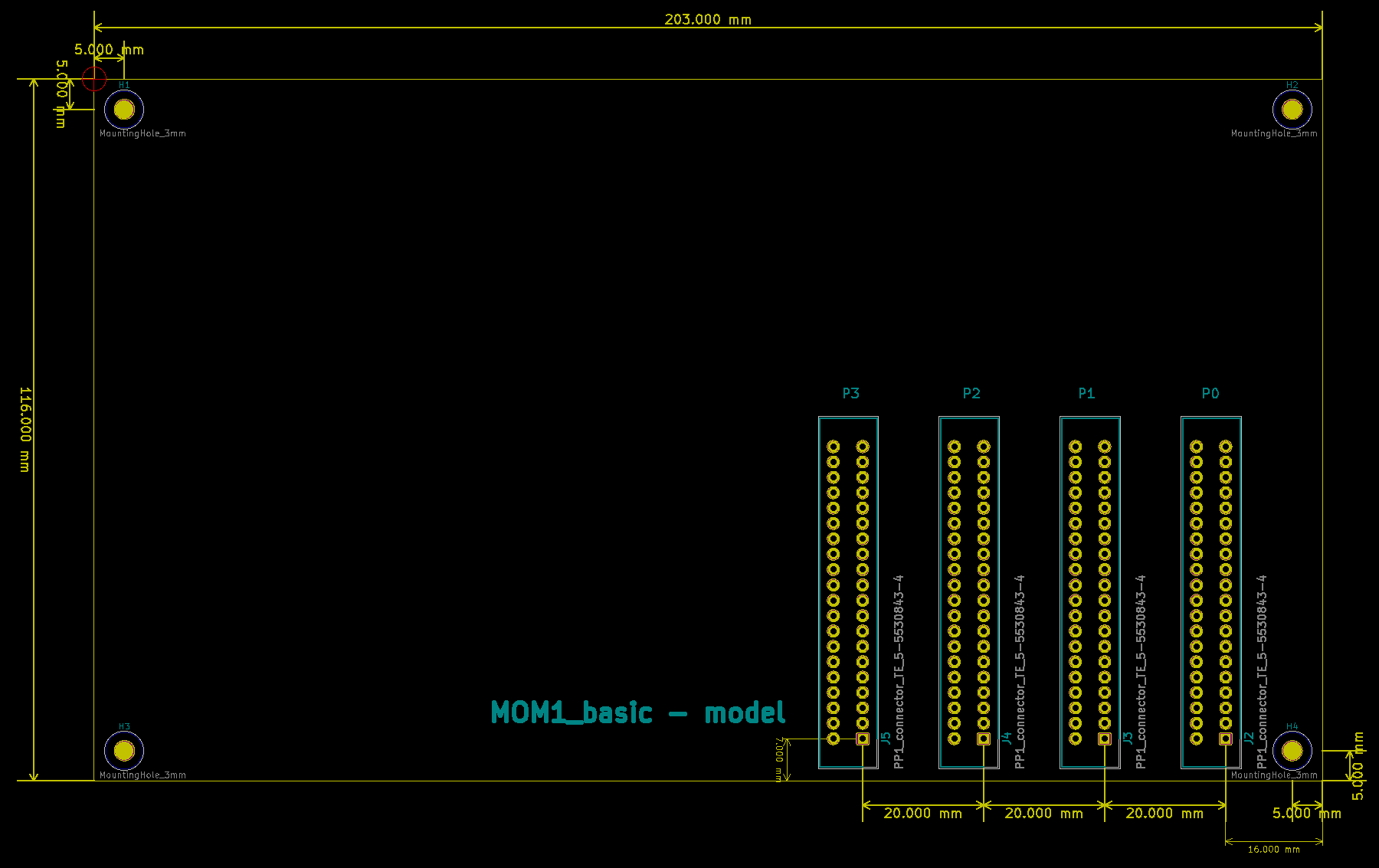
28.09.2020 MOM1_SPS1 (revision 2) , documentation here , changelog here
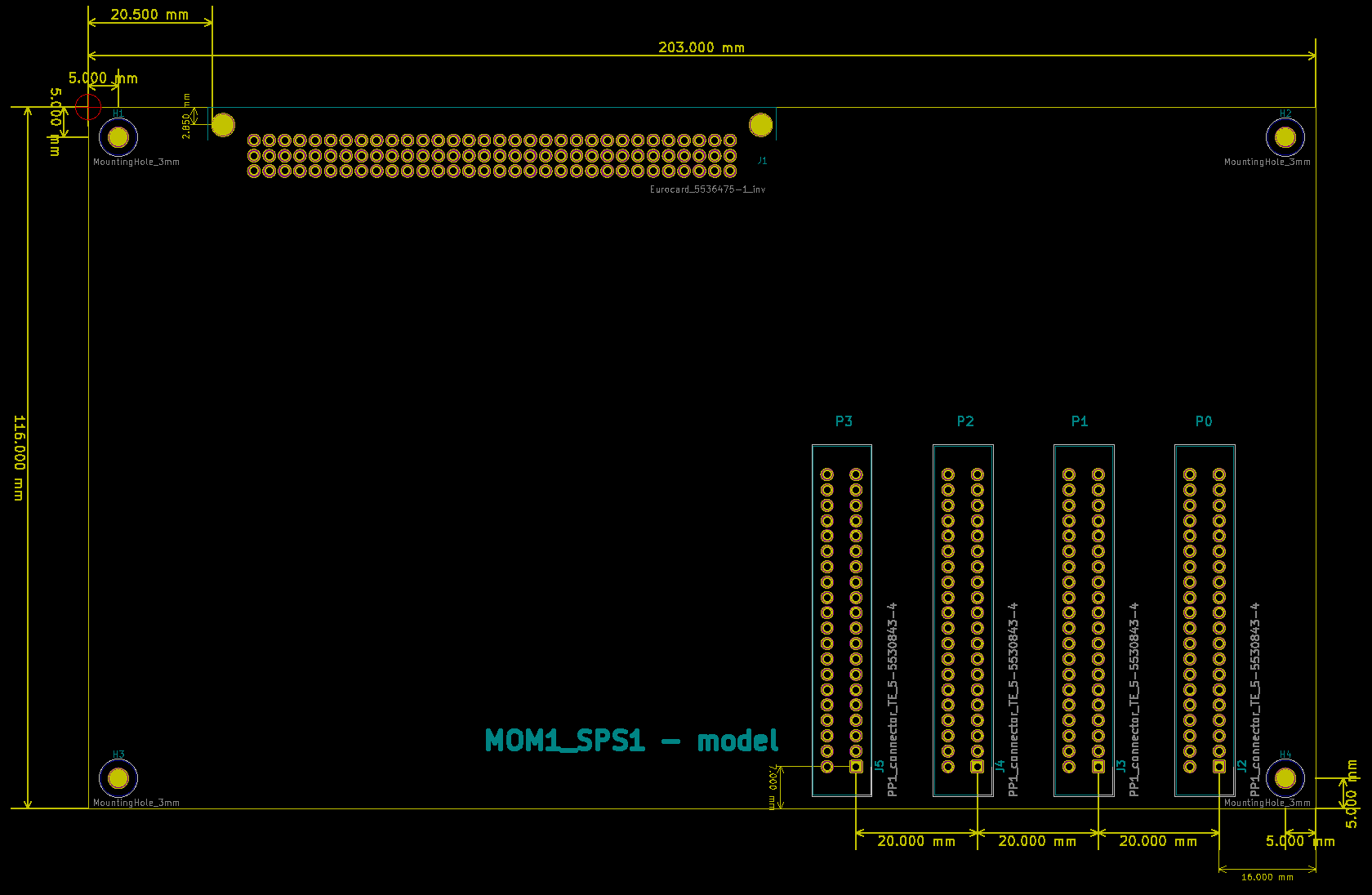
All memory standards contain documentation with a description, mechanical detail, electrical detail and pins placement.
"Memory module"
13.08.2020 MM1 (revision 1) , documentation here , changelog here
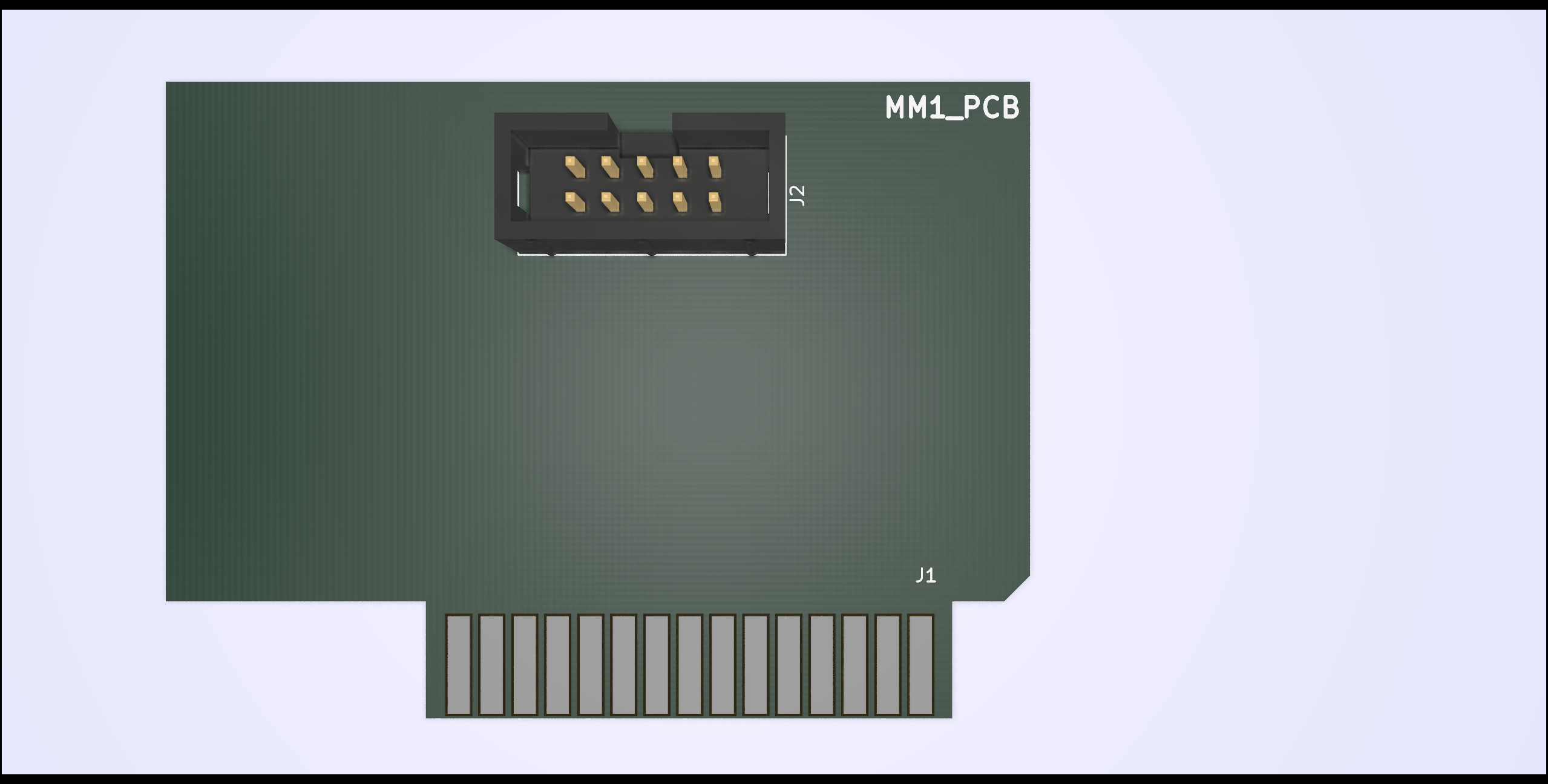
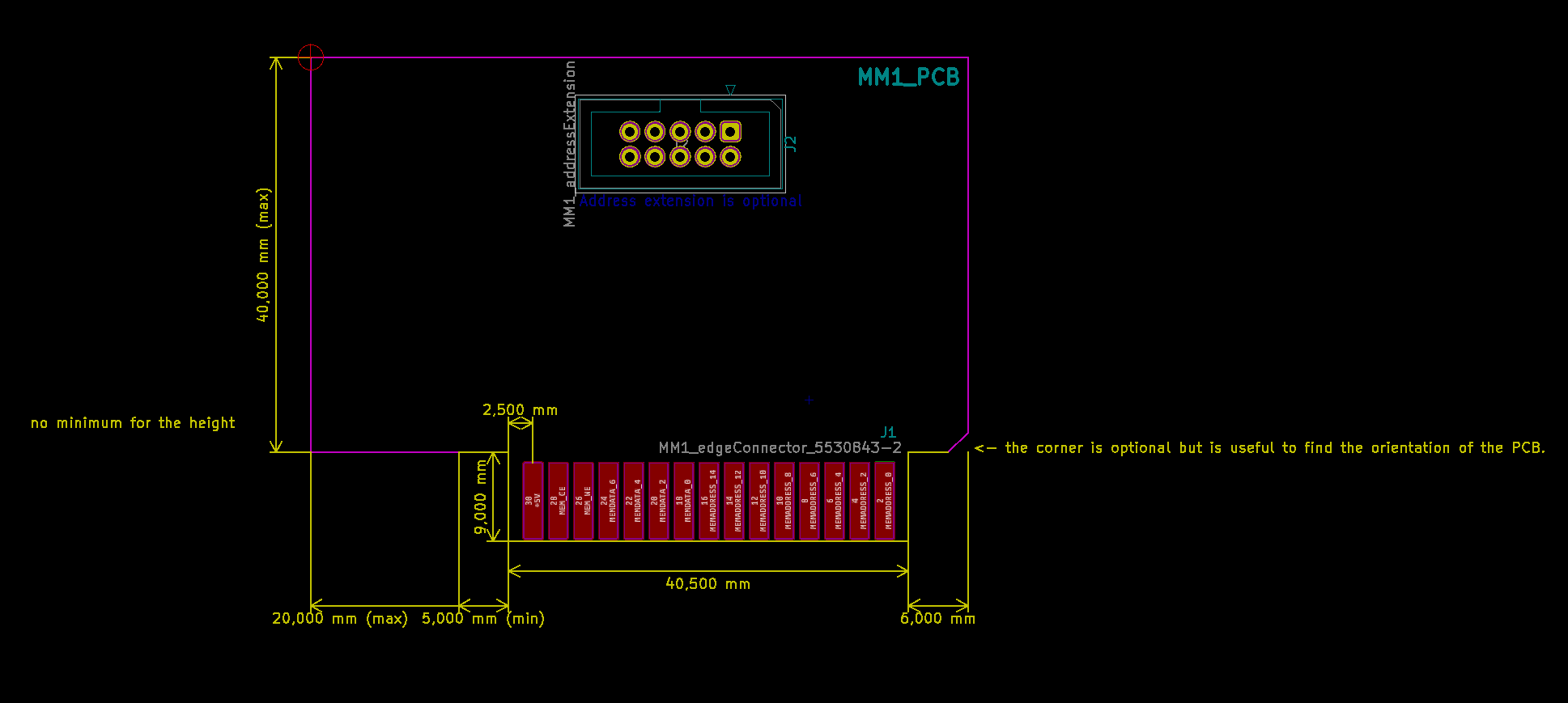
All pheripheral standards contain documentation with a description, mechanical detail, electrical detail and pins placement.
"Parallel peripheral"
24.09.2020 PP1 (revision 1) , documentation here , changelog here
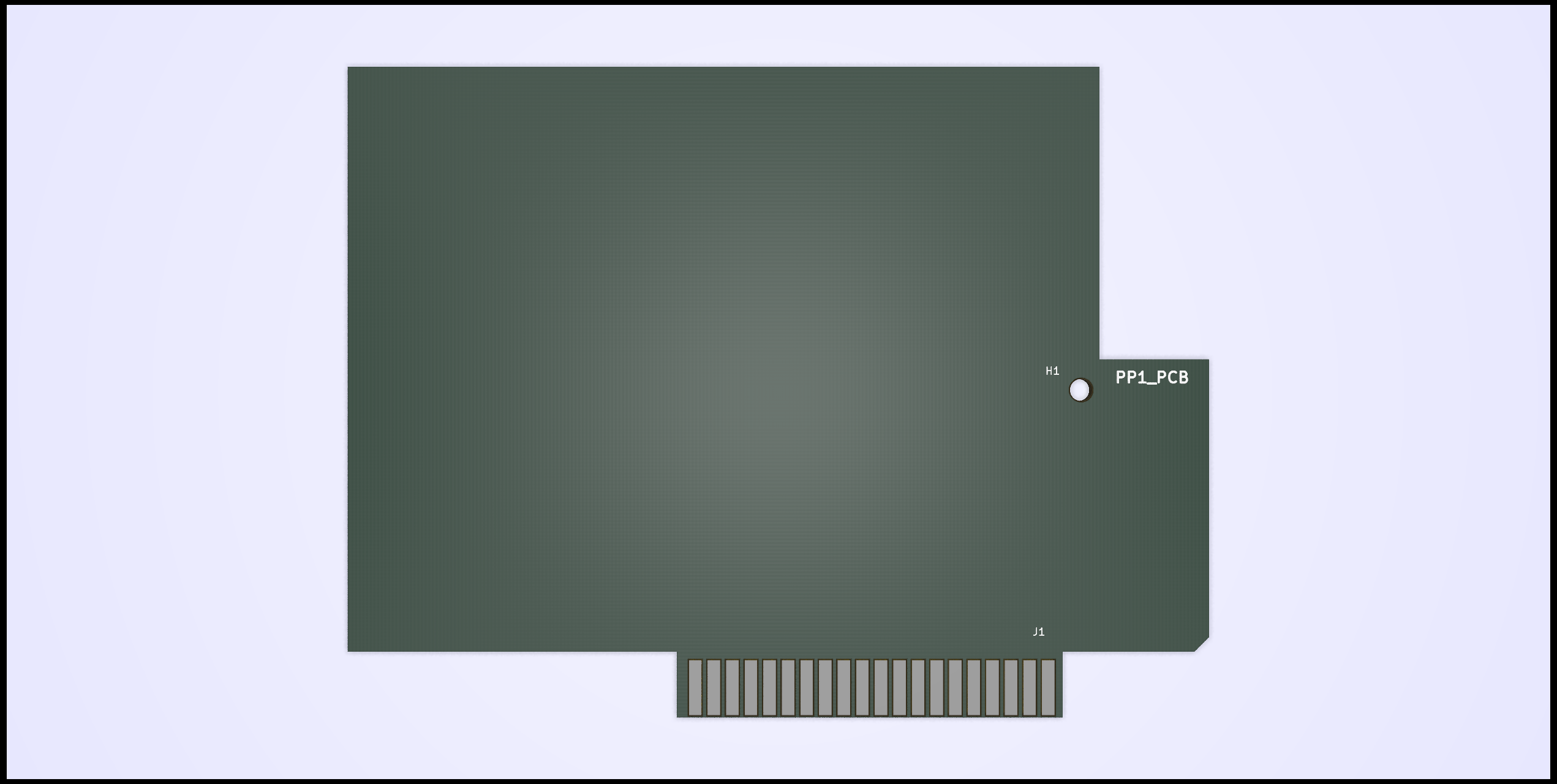
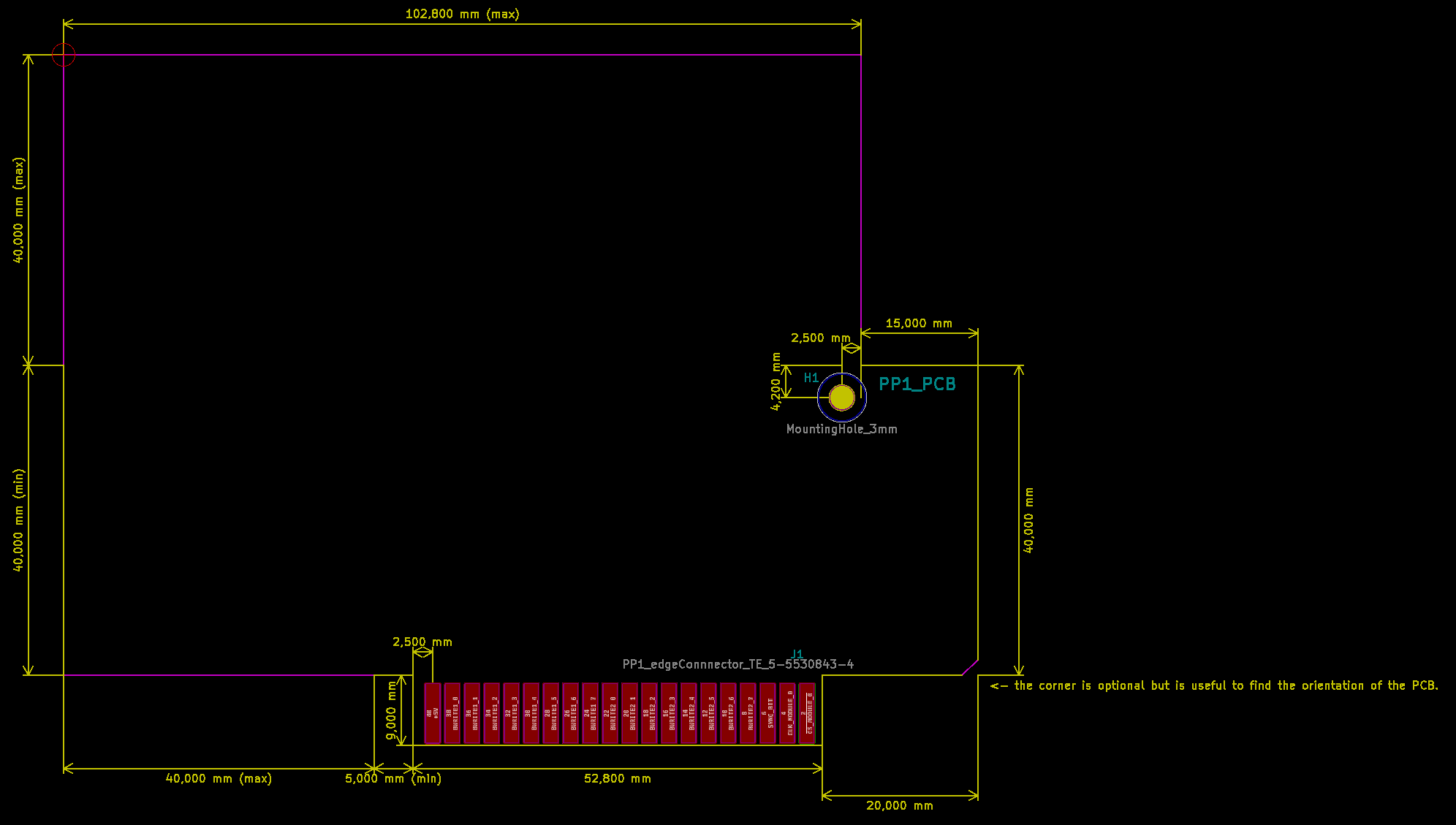
CodeG is a homemade binary/simple language to be used in a homemade processor like GP8B.
"CodeG_binary"
02.07.2020 CodeG_binary (revision 1)
The binary version is what the processor will read and execute.
"CodeG_simple"
02.07.2020 CodeG_simple (revision 1)
The simple version allows you to write and read code much more simply but must be compiled to be executed by the processor.
| Qty | Value | Footprint | References |
|---|---|---|---|
| 4 | MountingHole_3mm | MountingHole:MountingHole_3mm | H1, H2, H3, H4 |
| 1 | TE_Eurocard_96pole | Eurocard_5536475-1:Eurocard_5536475-1 | J1 |
JonathSpirit/GComputer_standard
This repository contain all homemade standards for the 8bits computer

JonathSpirit/GComputer_standard
This repository contain all homemade standards for the 8bits computer

JonathSpirit/GComputer_standard
This repository contain all homemade standards for the 8bits computer

JonathSpirit/GComputer_standard
This repository contain all homemade standards for the 8bits computer

JonathSpirit/GComputer_standard
This repository contain all homemade standards for the 8bits computer

JonathSpirit/GComputer_standard
This repository contain all homemade standards for the 8bits computer

hackclub/OnBoard
💡 Join 1,000 teenagers and make your first PCB with a $100 grant!


agranlund/raven
Homemade MC68060 + DSP56303 Atari-compatible computer. Hardware, firmware, and software stack

DRWJSCHMIDT/T41
This is the repository for the officially released V10, V11, and V12 versions of the T41 Software Defined Transceiver hardware and kits.

matthuszagh/fmcw
6GHz frequency-modulated continuous-wave radar with real-time range detection
It measures 133 × 93 mm and has 4 copper layers, 1.6 mm thick.
5 parts. The full list of its parts is on this page, with links to each part's symbol and footprint where PCBKit's library has them.
From the JonathSpirit/GComputer_standard repository on GitHub, at the commit this page was made from: the board is SPS1/SPS1_model/SPS1_model.kicad_pcb. PCBKit opens the board in the browser, with nothing to install.
Its repository publishes it under the MIT licence: you may reuse it on that licence's terms (keep the author's notice, and for a copyleft licence share your changes alike).