

2 layers51.2 × 24 mm
Zvukovka
t0mka14/Condenser-Soundcard
High gain USB soundcard with 5V power for headset condenser microphones
41 parts

 t0mka14/Condenser-Soundcard
High gain USB soundcard with 5V power for headset condenser microphones
Zvukovka panel is an open-source printed circuit board by t0mka14, from the t0mka14/Condenser-Soundcard repository on GitHub. It is a 2-layer board of 279.8 × 170 mm with 2,484 parts on 1,110 nets, routed with 6,390 tracks and 780 vias.
It is built around the LM2766M6 and PCM2912APJT. Its parts include 420 capacitors, 240 resistors, 90 ICs, 60 connectors and 30 diodes. It belongs with the audio and music boards of this library.
High gain USB soundcard with 5V power for headset condenser microphones. This repo contains Kicad design files for a USB soundcard using PCM2912. PCM2912 is one of a few publicly available USB audio codecs. It contains USB 2.0 FS, mic input with integrated optional 20db pre amp (sadly only hw controlled), L a R outputs. We use this soundcard in our team at FEE CTU to record patients with various neurodegenerative diseases (https://sami.fel.cvut.cz/).
Headworn condenser microphones need DC bias voltage to work properly. They contain JFET integrated into the microphone capsule, amplifying the signal from the electret element. The voltages have different ranges, depending on manufacturer, but they often include 5V. Since PCM2912 ouputs only 2.7V with 5V USB power, some modifications to the catalogue design were needed.
The first though was to take the USB power, filter it a bit and voala, you have 5V. That didn't work at all. Altought on the scope, the voltage seemed completely fine and reasonably clear, there was huge noise in the input audio. It turns out, the TI engineers use some technique to get rid of the digital USB noise and as a result AGND is not connected to GND. So don't mess with the grounds on the PCB!
Since the mic takes only around 200 uA of current, i decided to use charge pump and take that 2.7V from original mic bias and double it. This works fine and doesn't add any noise to the audio path. One thing they don't mention in the datasheet - the bias turns off when microphone is not in use,
Since we manufactured more than 300 of these, i made a 5x6 panel for the assembly using KiKit with custom mousebite positions. The project for that is in the folder "panel".
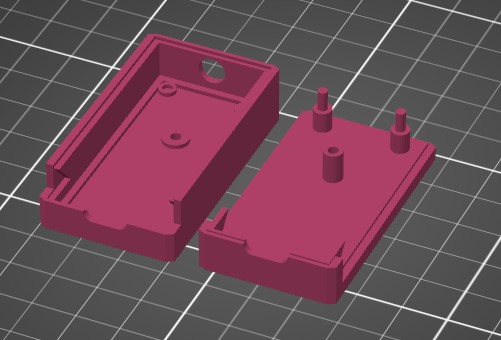
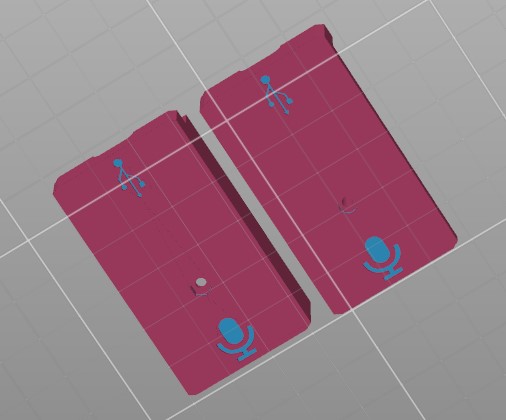
In the folder "case" the are stl files for 3D print as well as 3mf files for color print on Prusa multimaterial. The case is from two parts that "click" together. It holds kinda good just like that, but you can secure it using M2 screw (we do that).
Since we were originally wanted just to buy a finished solution, I measured frequency response of various USB soundcards available in the market.
Here is a frequency response measured using R&S UPV and Audacity. I used the UPV generator to input sine wave into the mic input and then measured DB using Audacity from 4s samples.
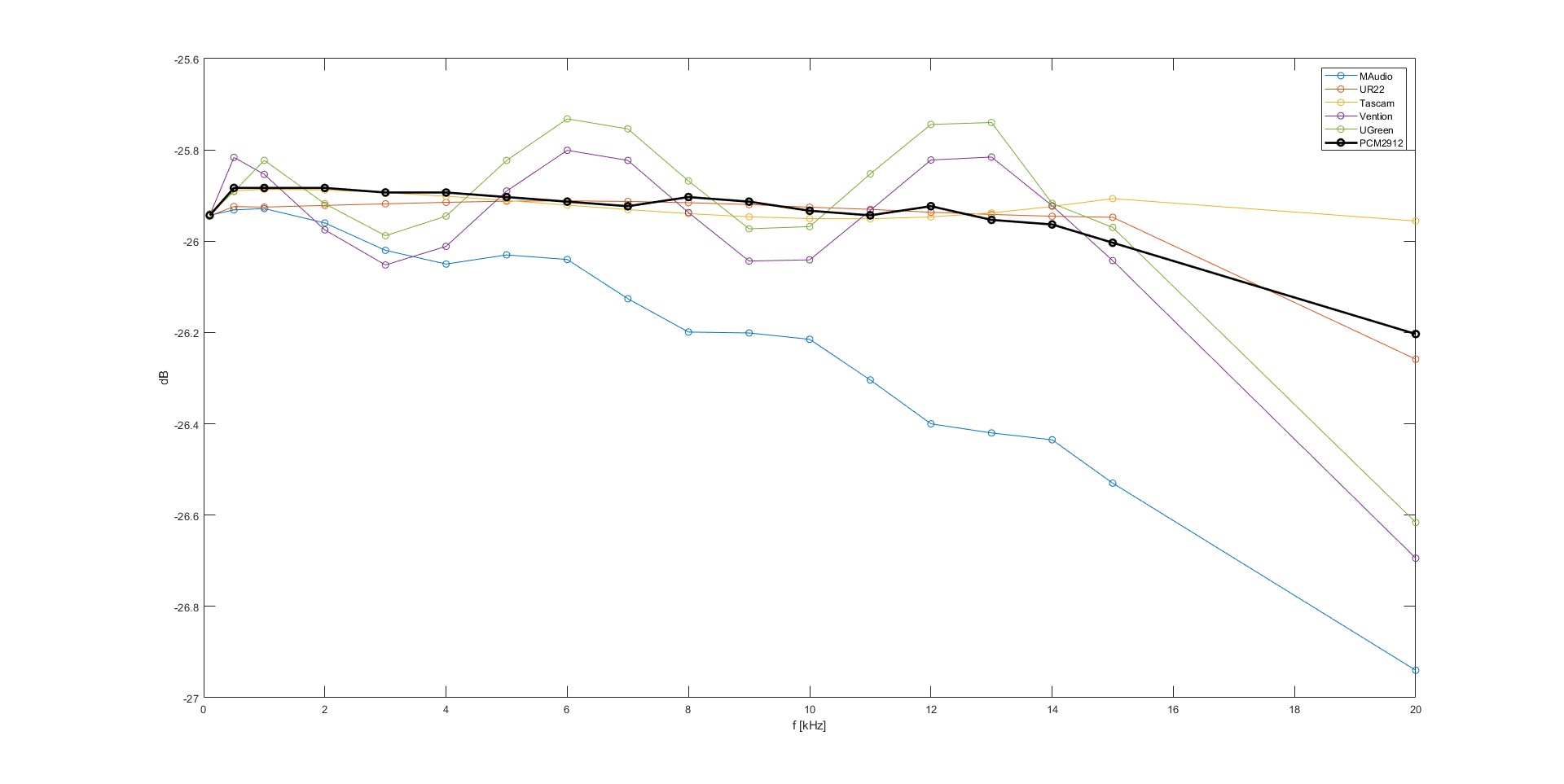 Since price for one of these PCM soundards is around 15$ i think it does quite good compared to 180$ Tascam DR-40X.
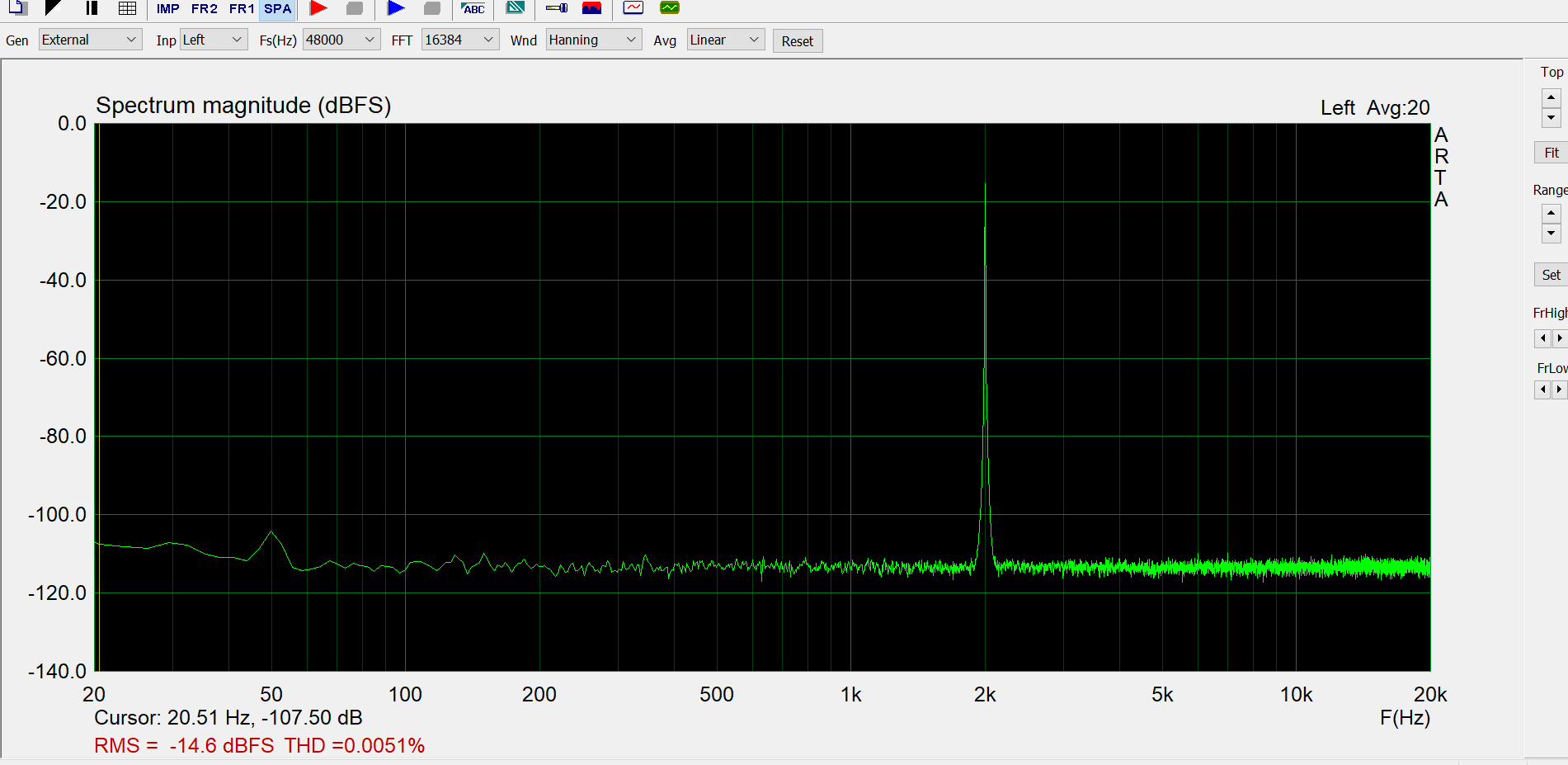
I also measured the amplitude spectrum using ARTA, there is PCM
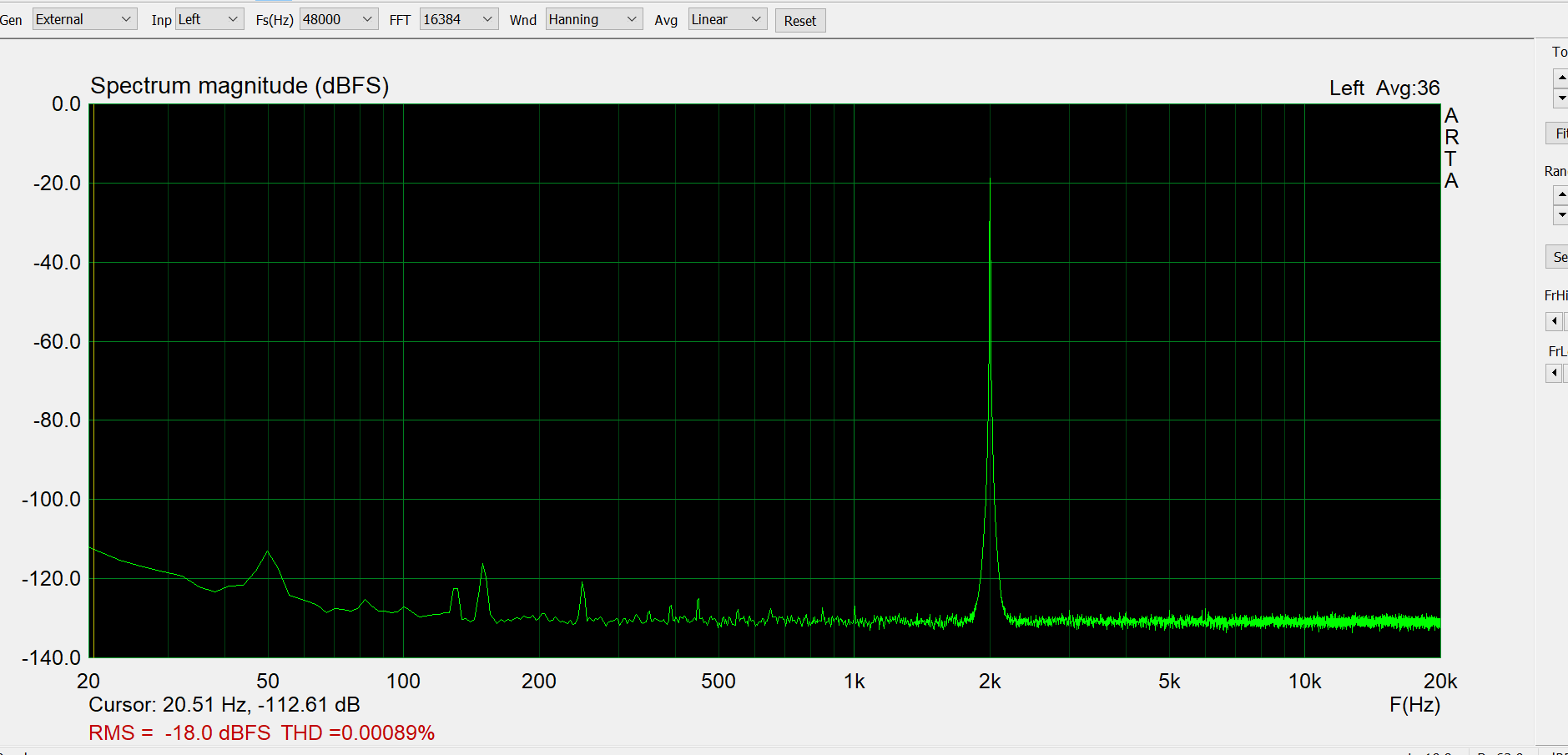 and the DR-40X for comparison.
| Qty | Value | Footprint | References |
|---|---|---|---|
| 180 | 1u | Capacitor_SMD:C_0805_2012Metric | C1, C1, C1, C1, C1, C1, C1, C1, C1, C1, C1, C1, C1, C1, C1, C1 +164 |
| 120 | 3.3u | Capacitor_SMD:C_0805_2012Metric | C10, C10, C10, C10, C10, C10, C10, C10, C10, C10, C10, C10, C10, C10, C10, C10 +104 |
| 90 | MountingHole_2.2mm_M2_DIN965 | MountingHole:MountingHole_2.2mm_M2_DIN965 | M1, M1, M1, M1, M1, M1, M1, M1, M1, M1, M1, M1, M1, M1, M1, M1 +74 |
| 60 | 22p | Capacitor_SMD:C_0805_2012Metric | C2, C2, C2, C2, C2, C2, C2, C2, C2, C2, C2, C2, C2, C2, C2, C2 +44 |
| 60 | 33 | Resistor_SMD:R_0805_2012Metric | R1, R1, R1, R1, R1, R1, R1, R1, R1, R1, R1, R1, R1, R1, R1, R1 +44 |
| 60 | 5k1 | Resistor_SMD:R_0805_2012Metric | R5, R5, R5, R5, R5, R5, R5, R5, R5, R5, R5, R5, R5, R5, R5, R5 +44 |
| 30 | 0.47u | Capacitor_SMD:C_0805_2012Metric | C9, C9, C9, C9, C9, C9, C9, C9, C9, C9, C9, C9, C9, C9, C9, C9 +14 |
| 30 | 1.5k | Resistor_SMD:R_0805_2012Metric | R3, R3, R3, R3, R3, R3, R3, R3, R3, R3, R3, R3, R3, R3, R3, R3 +14 |
| 30 | 100n | Capacitor_SMD:C_0805_2012Metric | C7, C7, C7, C7, C7, C7, C7, C7, C7, C7, C7, C7, C7, C7, C7, C7 +14 |
| 30 | 1M | Resistor_SMD:R_0805_2012Metric | R4, R4, R4, R4, R4, R4, R4, R4, R4, R4, R4, R4, R4, R4, R4, R4 +14 |
| 30 | 1u | zvukovka:SRP2012TMA | L1, L1, L1, L1, L1, L1, L1, L1, L1, L1, L1, L1, L1, L1, L1, L1 +14 |
| 30 | 5k | Resistor_SMD:R_0805_2012Metric | R6, R6, R6, R6, R6, R6, R6, R6, R6, R6, R6, R6, R6, R6, R6, R6 +14 |
| 30 | AudioJackShare | zvukovka_2:K3612A | U1, U1, U1, U1, U1, U1, U1, U1, U1, U1, U1, U1, U1, U1, U1, U1 +14 |
| 30 | Conn_01x02_Pin | Connector_PinHeader_2.54mm:PinHeader_1x02_P2.54mm_Vertical | J2, J2, J2, J2, J2, J2, J2, J2, J2, J2, J2, J2, J2, J2, J2, J2 +14 |
| 30 | Crystal_GND24 | Crystal:Crystal_SMD_7050-4Pin_7.0x5.0mm | Y2, Y2, Y2, Y2, Y2, Y2, Y2, Y2, Y2, Y2, Y2, Y2, Y2, Y2, Y2, Y2 +14 |
| 30 | D_Schottky | Diode_SMD:D_SMA | D1, D1, D1, D1, D1, D1, D1, D1, D1, D1, D1, D1, D1, D1, D1, D1 +14 |
| 30 | LM2766 | Package_TO_SOT_SMD:SOT-23-6 | U3, U3, U3, U3, U3, U3, U3, U3, U3, U3, U3, U3, U3, U3, U3, U3 +14 |
| 30 | PCM2912APJTR | zvukovka_2:TQFP-32_7x7mm_P0.8mm_netTie | U2, U2, U2, U2, U2, U2, U2, U2, U2, U2, U2, U2, U2, U2, U2, U2 +14 |
| 30 | R | Resistor_SMD:R_0805_2012Metric | R8, R8, R8, R8, R8, R8, R8, R8, R8, R8, R8, R8, R8, R8, R8, R8 +14 |
| 30 | USB_C_Receptacle_USB2.0 | zvukovka_2:Conn_USB_C_Socket_Molex_2171790001 | J1, J1, J1, J1, J1, J1, J1, J1, J1, J1, J1, J1, J1, J1, J1, J1 +14 |
The 990 most common of 2,484 parts.
t0mka14/Condenser-Soundcard
High gain USB soundcard with 5V power for headset condenser microphones


punkfab/pcb-corpus
235 real KiCad boards from open-source hardware repositories, prepared as a placement and routing benchmark

Peter-van-Tol/LITEXCNC-HUB75HAT
A PCB that turns the Colorlight 5A-75B into an easy to use LinuxCNC motion controller

WidRojas/PCB-Hardware-Projects
Repo containing all PCB files alongside short project descriptions


creekpld/x68k-ioboard
An IO-Expansion Prototype PCB Board for the Sharp X68000


rusefi/hw_microRusEfi
microRusEfi board for rusEfi ECU
It measures 279.8 × 170 mm and has 2 copper layers, 1.6 mm thick.
2,484 parts, built around the LM2766M6 and PCM2912APJT. The full list of its parts is on this page, with links to each part's symbol and footprint where PCBKit's library has them.
From the t0mka14/Condenser-Soundcard repository on GitHub, at the commit this page was made from: the board is zvukovka/panel/zvukovka_panel.kicad_pcb and its schematic zvukovka/zvukovka.kicad_sch. PCBKit opens the board in the browser, with nothing to install.
Its repository states no licence, so its author keeps all rights: ask t0mka14 before reusing the design.