2 layers57 × 55.2 mm
LogicAnalyzer
gusmanb/logicanalyzer
24 channel, 100Msps logic analyzer hardware and software
10 parts5.1kGPL-3.0

 sudevkuchhal/Full-Wave-Bridge-Rectifier-PCB1
Full Wave Bridge Rectifier PCB designed using KiCad.
Full Wave Bridge Rectifier PCB is an open-source printed circuit board by sudevkuchhal, from the sudevkuchhal/Full-Wave-Bridge-Rectifier-PCB repository on GitHub. It is a 2-layer board with 10 parts on 5 nets, routed with 24 tracks and 0 vias.
Its parts include 5 diodes, 2 resistors, 2 connectors and 1 capacitor. It belongs with the interfaces and adapters boards of this library.
Designed and fabricated a Full Wave Bridge Rectifier PCB using KiCad.
The circuit converts AC input into stable DC output using a diode bridge and filtering capacitor.
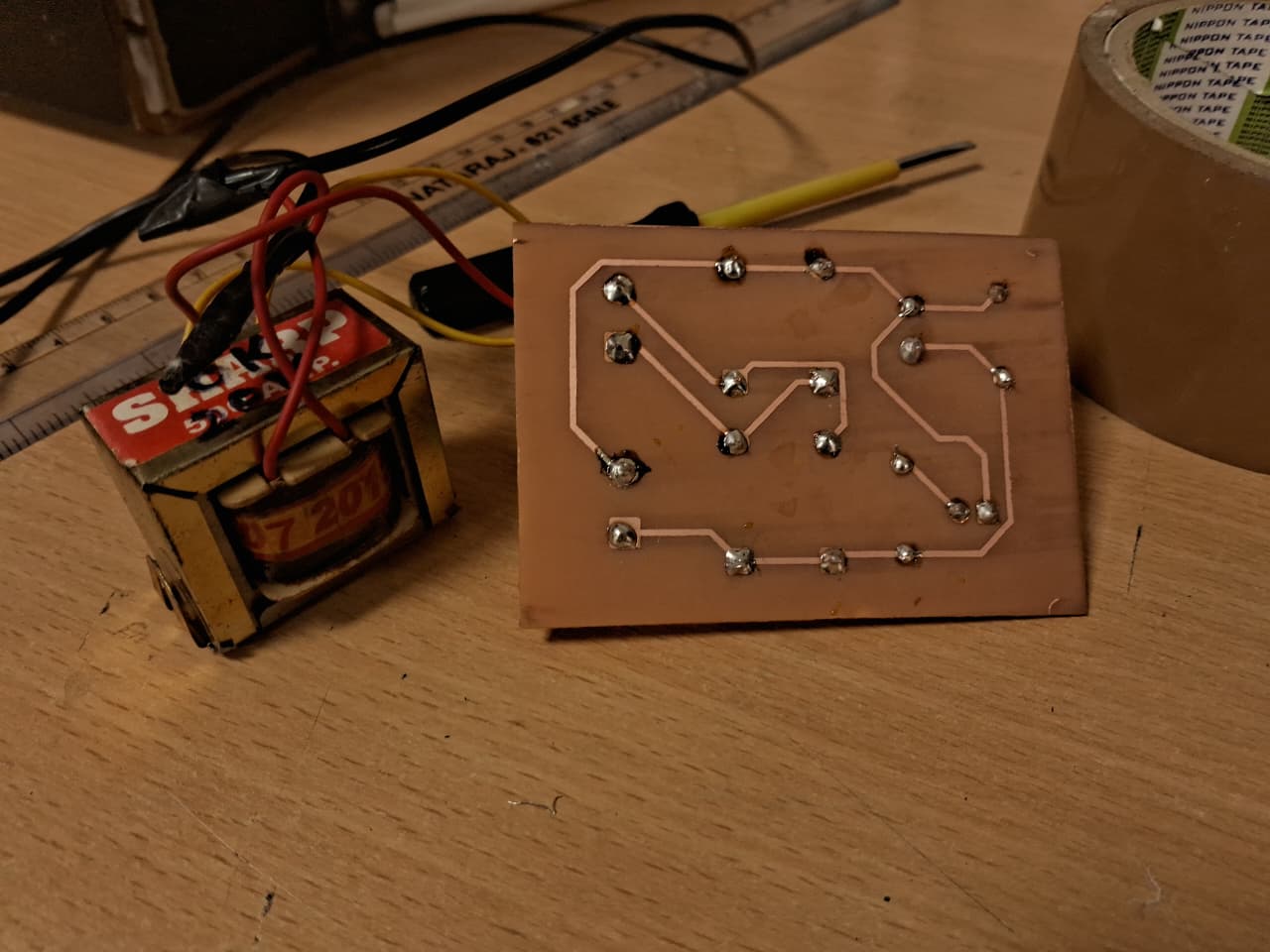
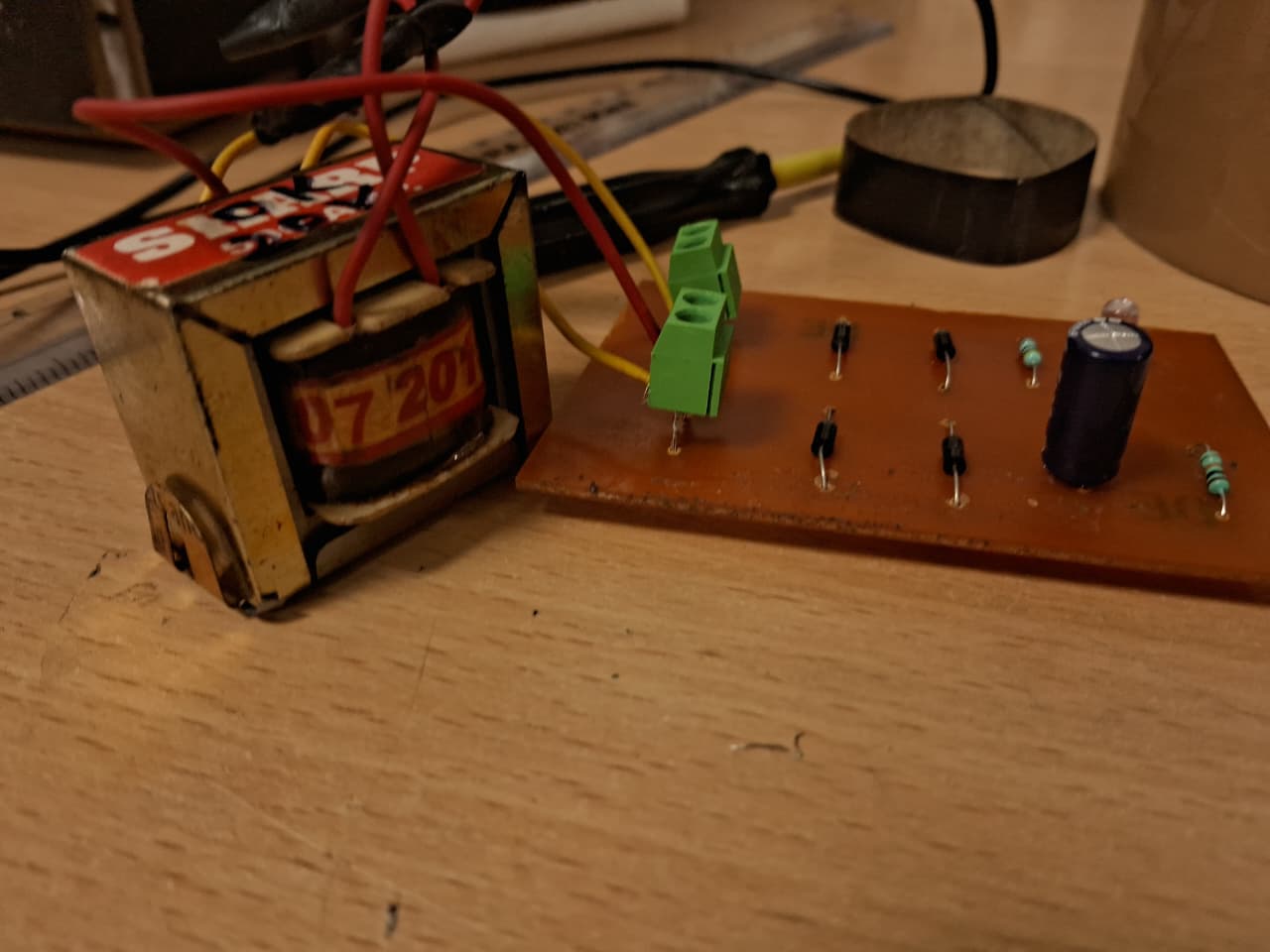
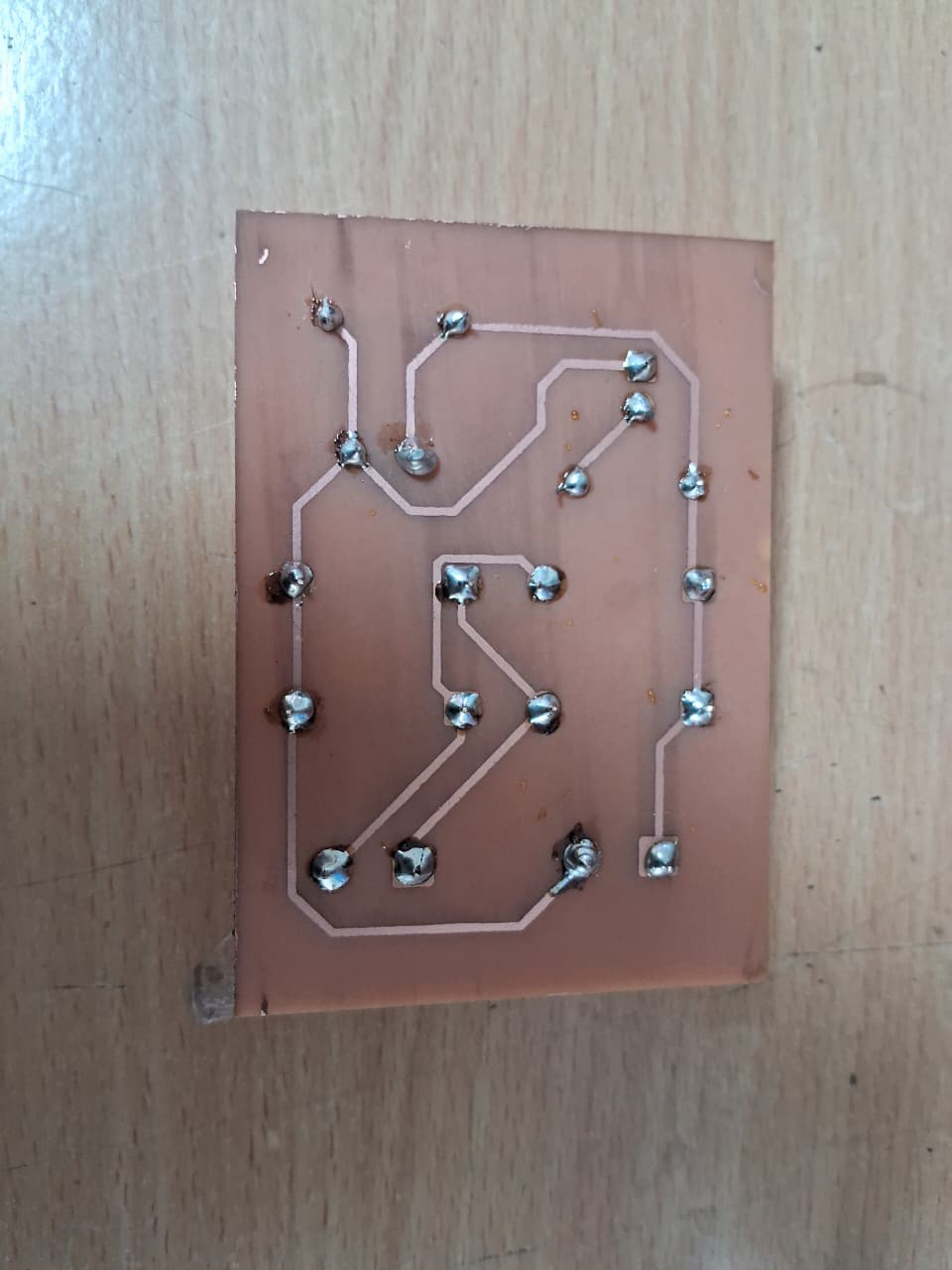
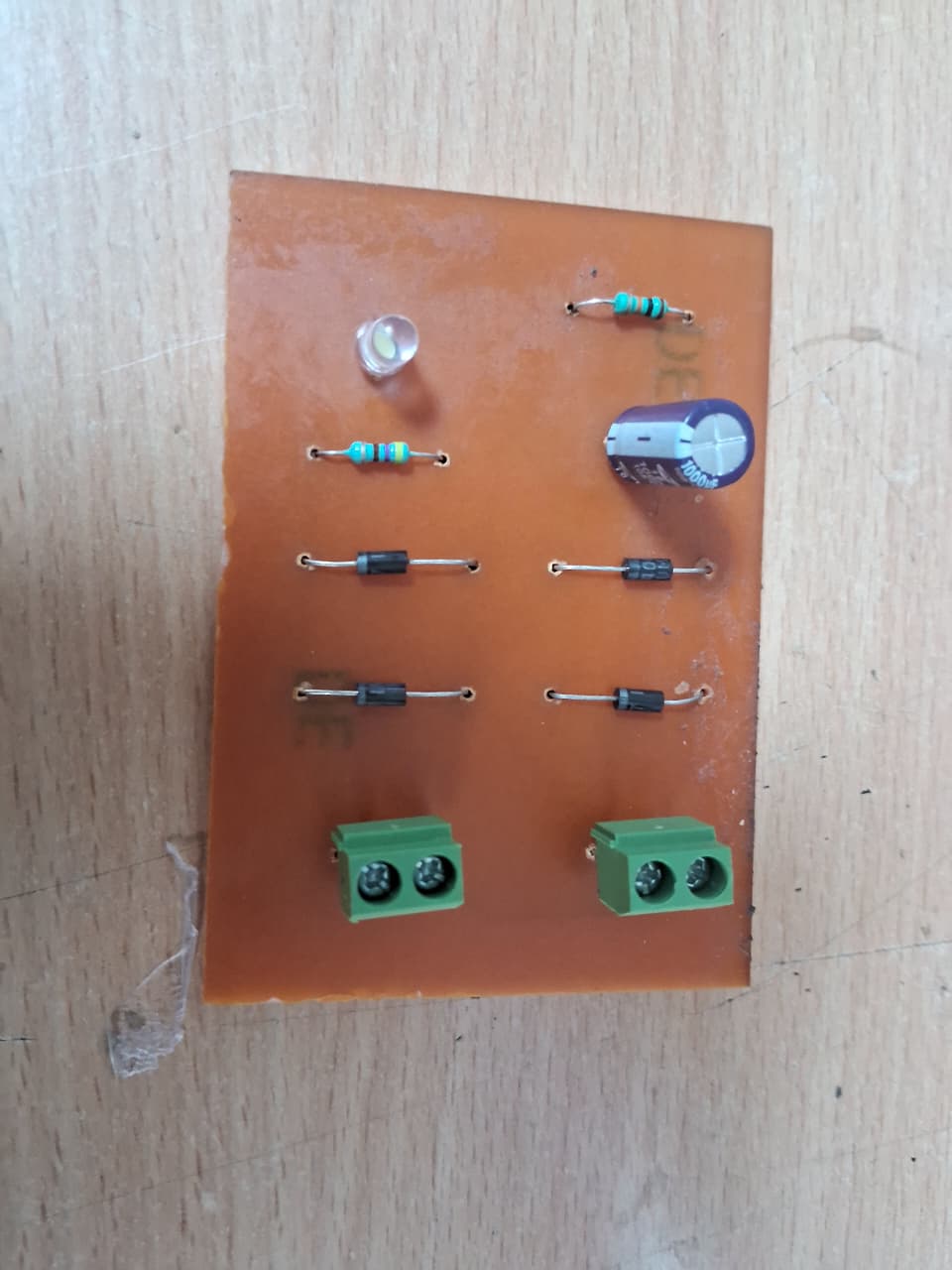
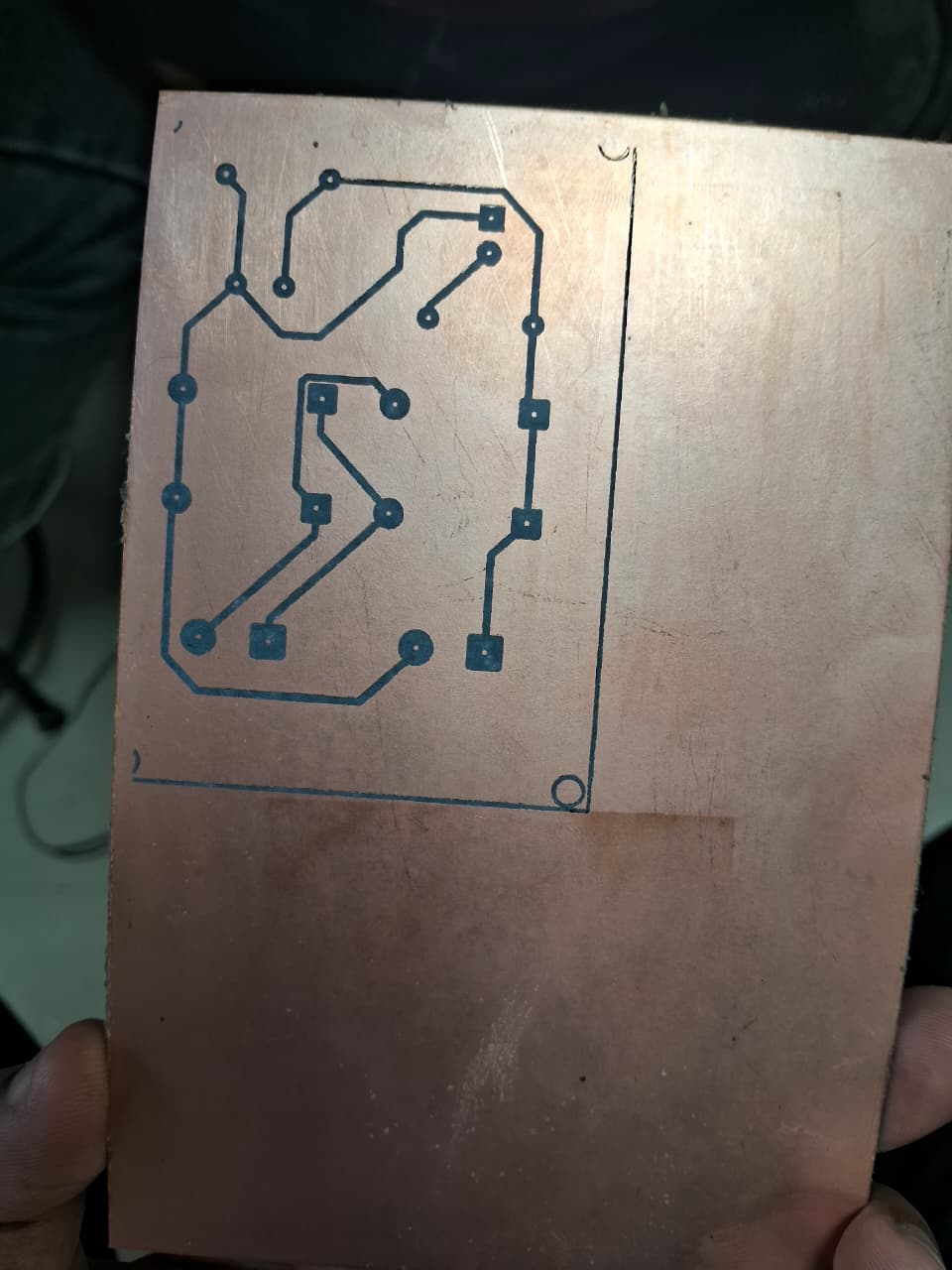
Successfully converted 12V AC input into stable DC output suitable for low-power electronic circuits.
| Qty | Value | Footprint | References |
|---|---|---|---|
| 4 | 1N4007 | Diode_THT:D_DO-41_SOD81_P10.16mm_Horizontal | D1, D2, D3, D4 |
| 2 | Screw_Terminal_01x02 | TerminalBlock_Phoenix:TerminalBlock_Phoenix_MKDS-1,5-2-5.08_1x02_P5.08mm_Horizontal | J1, J2 |
| 1 | 1000uf | Capacitor_THT:C_Radial_D8.0mm_H11.5mm_P3.50mm | C1 |
| 1 | 10k | Resistor_THT:R_Axial_DIN0207_L6.3mm_D2.5mm_P7.62mm_Horizontal | R2 |
| 1 | 2.2k | Resistor_THT:R_Axial_DIN0207_L6.3mm_D2.5mm_P7.62mm_Horizontal | R1 |
| 1 | LED | LED_THT:LED_D5.0mm | D5 |
gusmanb/logicanalyzer
24 channel, 100Msps logic analyzer hardware and software

byrantech/laptop
anyon_e, a highly integrated, high end, open source laptop. Attempt the impossible.

joeycastillo/Sensor-Watch
A board replacement for the classic Casio F-91W wristwatch


OLIMEX/OLINUXINO
OLINUXINO is Open Source / Open Hardware, low cost from EUR 24 Linux Industrial grade Single Board Computer capable to operate -25+85C

rusefi/rusefi
rusefi - GPL internal combustion engine control unit

VoronDesign/Voron-Hardware
Cool Hardware designed by the Voron Design group

hoglet67/RGBtoHDMI
Bare-metal Raspberry Pi project that provides pixel-perfect sampling of Retro Computer RGB/YUV video and conversion to HDMI
10 parts. The full list of its parts is on this page, with links to each part's symbol and footprint where PCBKit's library has them.
From the sudevkuchhal/Full-Wave-Bridge-Rectifier-PCB repository on GitHub, at the commit this page was made from: the board is .kicad_pcb and its schematic .kicad_sch. PCBKit opens the board in the browser, with nothing to install.
Its repository states no licence, so its author keeps all rights: ask sudevkuchhal before reusing the design.