

2 layers98.5 × 34 mm
Pulse LoRa
risejohan/2Bit
In this repo we can see some designs with free use for the community, 2 Bit electronic
86 parts17

 RetiaLLC/Nibble44
Open Source Nibble Release
Nibble v1 dual micro is an open-source printed circuit board by RetiaLLC, from the RetiaLLC/Nibble repository on GitHub, published under the MIT licence. It is a 4-layer board of 25 × 59 mm with 20 parts on 36 nets, routed with 139 tracks and 28 vias.
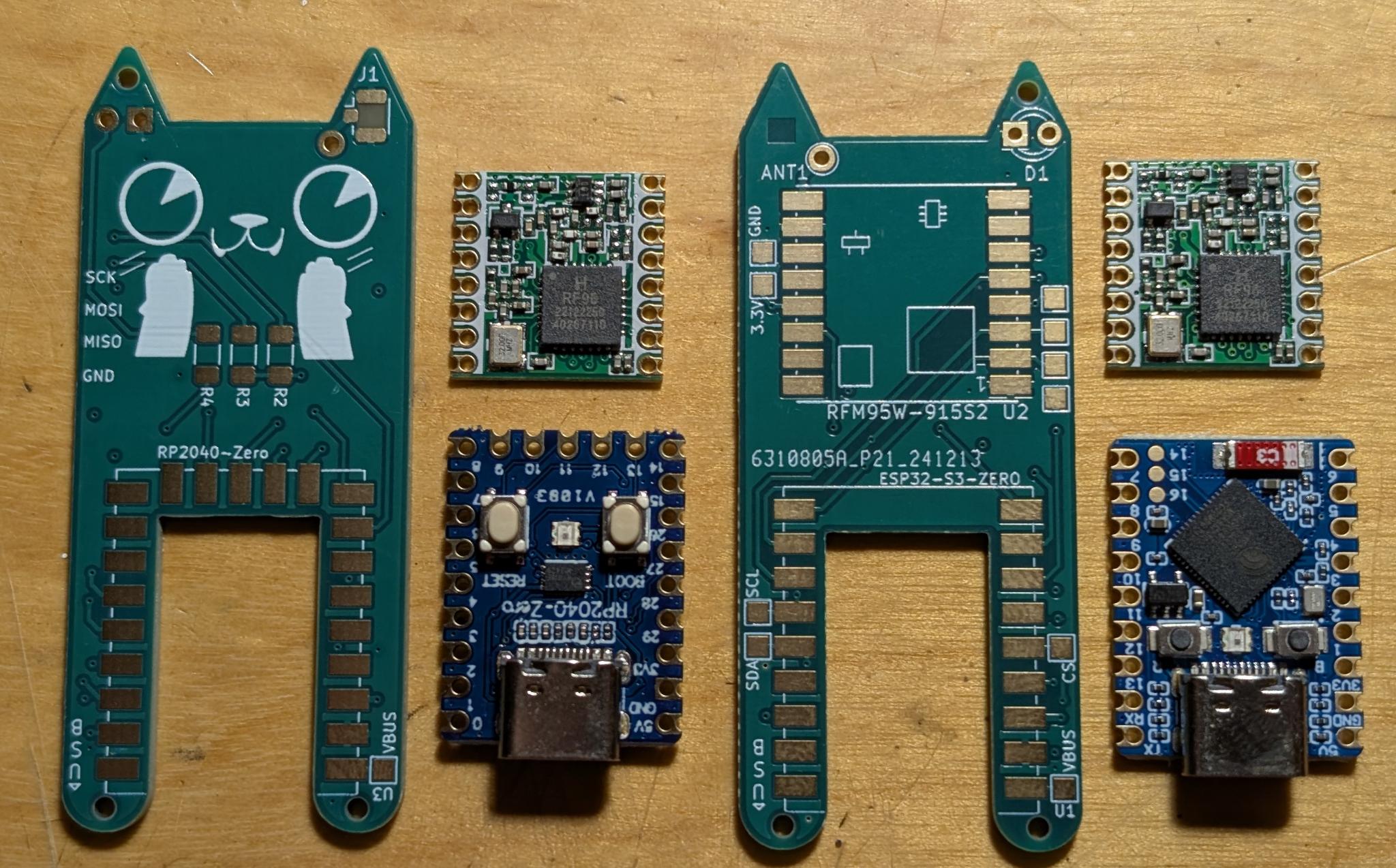
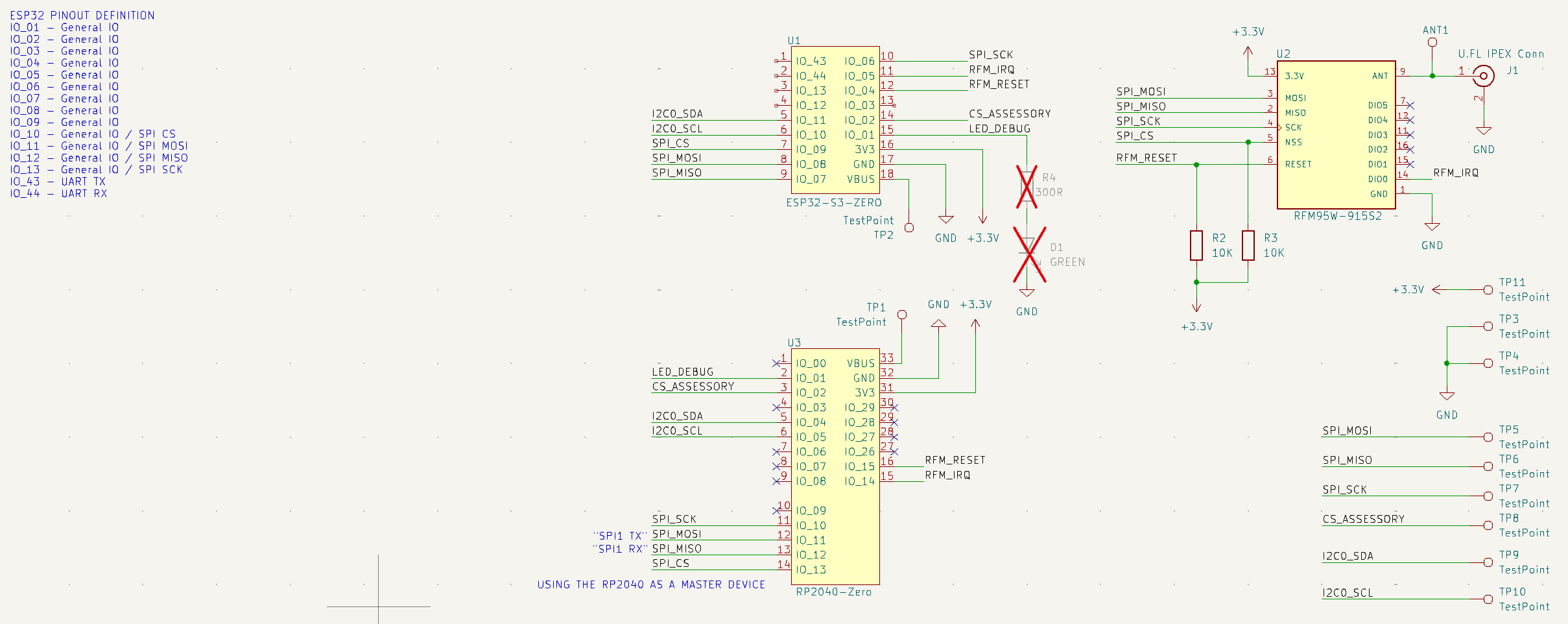
It is built around the RFM95W-915S2 and RP2040-ZERO. Its parts include 3 resistors, 3 ICs, 1 diode and 1 connector. It belongs with the ESP32 and RP2040 boards of this library.
Open Source Nibble Release
Follow the assembly guide here:
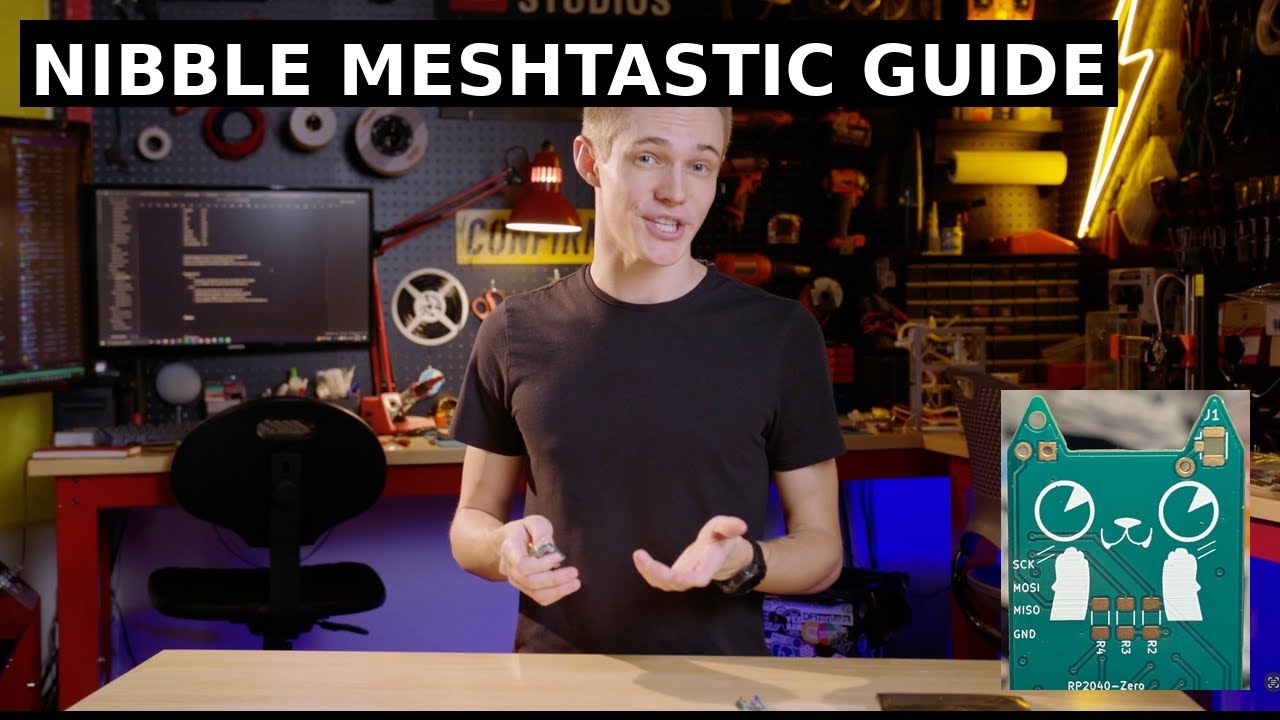
My talk on Meshtastic:
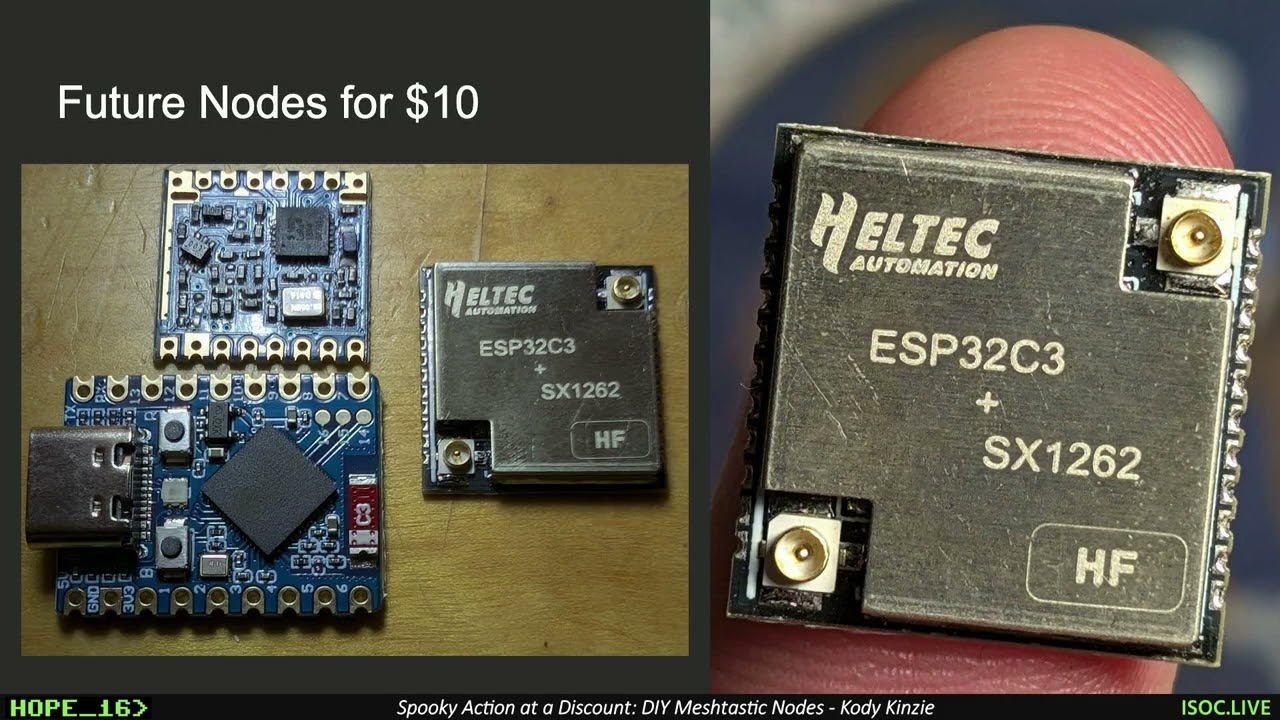
Meshtastic Config (compile your own firmware)
The Nibble variants are merged upstream in Meshtastic; our pinned, both-LEDs build lane is RetiaLLC/ScriptkittyMeshtastic:
RP2040: env nibble-rp2040 — workflow compile_rp2040_nibble.yaml
ESP32-S3: env nibble-esp32 — workflow compile_opensource_nibble_esp32s3.yaml
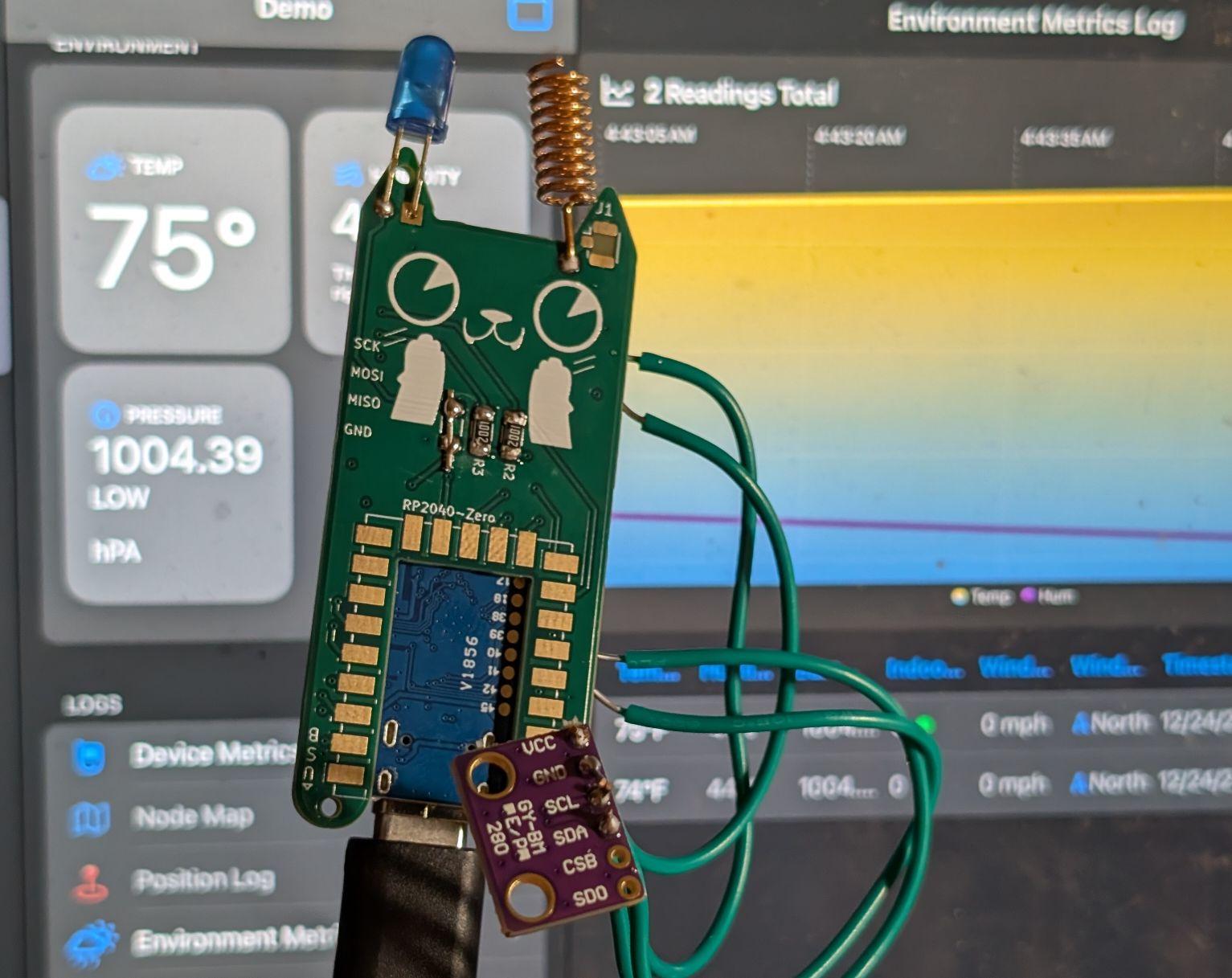
The Nibble is a small, open source LoRa radio node designed to be your first piece of off-grid infrastructure. It was created by Kody Kinzie and the Retia team (Zac Beran, Felix Orozco) for the 2024 Chaos Communication Congress in Germany and released as open hardware at the 2025 Hackers On Planet Earth conference.
Over 500 Nibbles have been made worldwide, and the design is shared here so you can build your own. The board is sized to fit inside a 1 inch PVC pipe, making it easy to weatherproof and deploy as a permanent or portable infrastructure node.
Tools required: soldering iron, solder, tweezers or pliers, and a laptop with USB-C cable.
⚠️ Important: Always connect an antenna before powering or transmitting. Running the board without one can permanently damage the radio.
Easiest: use the browser flasher at scriptkitty.sh — pick the Meshtastic — Open Source Nibble (RP2040) card and it walks you through the drag-and-drop.
Manual:
.uf2 from scriptkitty.sh (Download .uf2), or from the canonical build release: ScriptkittyMeshtastic releases (nibble-rp2040.zip → extract the .uf2).RPI-RP2..uf2 onto the drive. The board reboots automatically — both the ear LED and the onboard NeoPixel blink a heartbeat.Alternative firmware — MeshCore: the RP2040 Nibble also runs MeshCore, a lightweight off-grid mesh. Flash it from scriptkitty.sh (the MeshCore — Open Source Nibble (RP2040) card), or grab the .uf2 from the MeshCore release (hardware-verified — radio init + TX confirmed on a real Nibble). Same BOOTSEL drag-and-drop.
123456.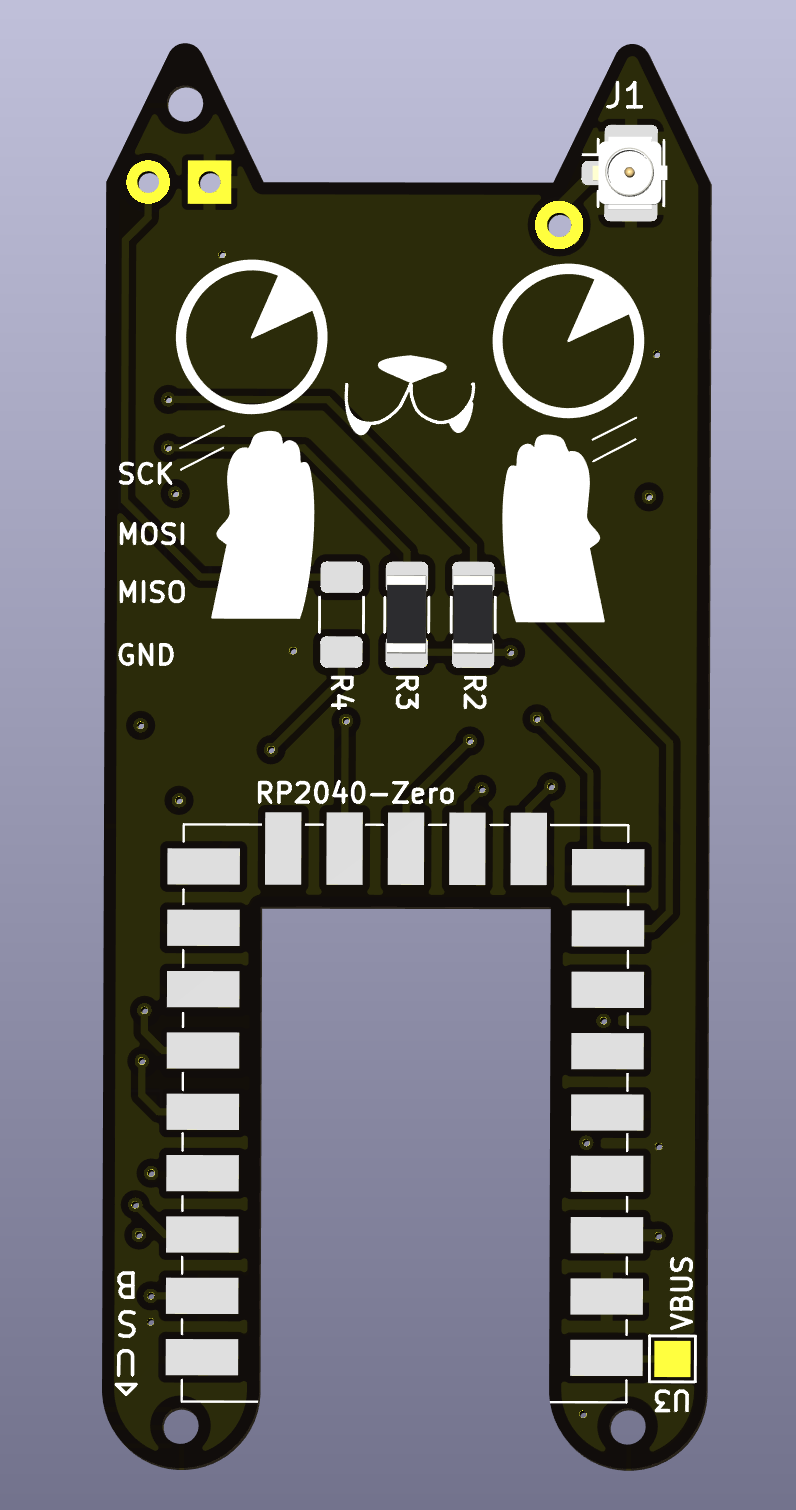
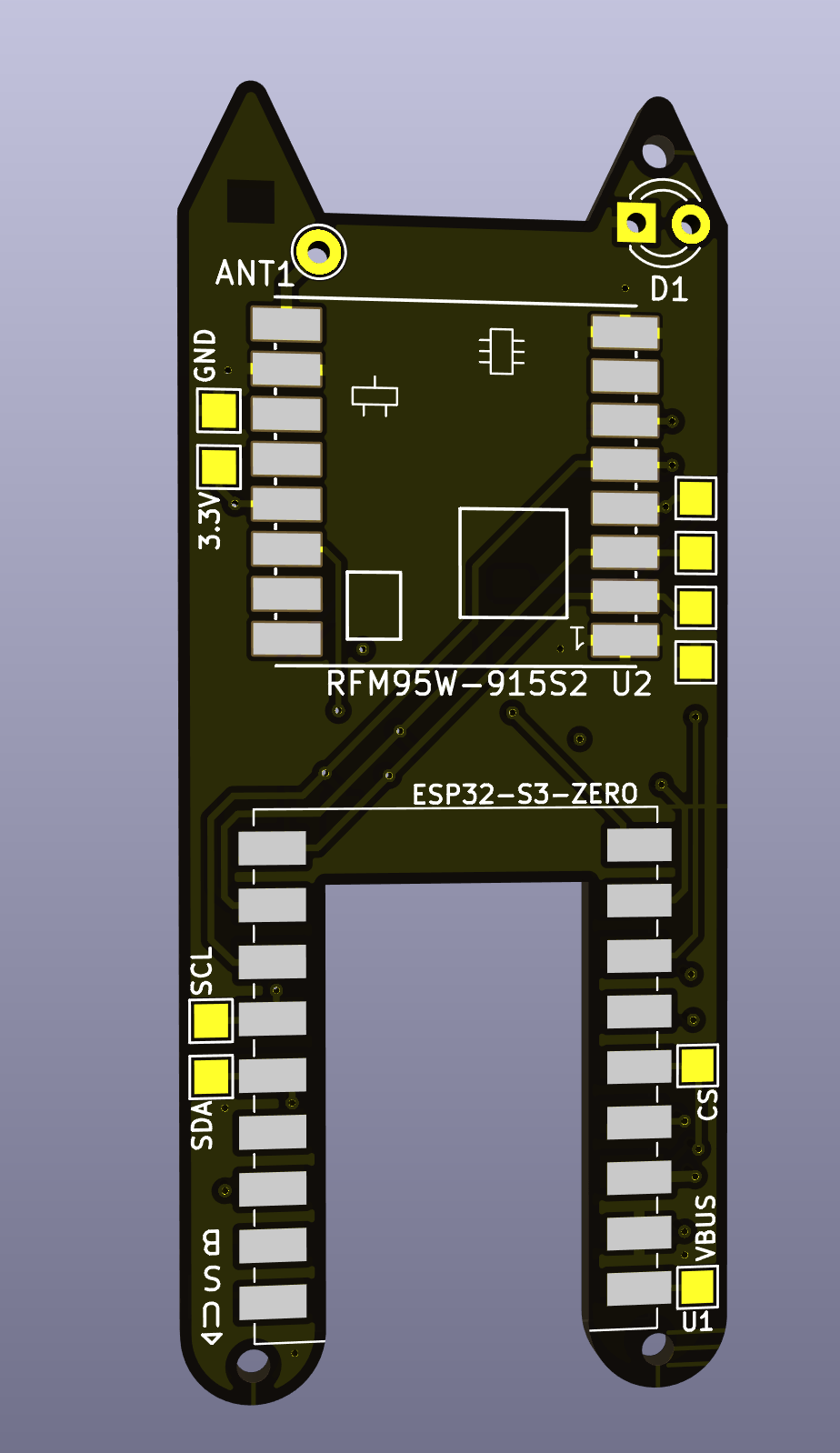
| Qty | Value | Footprint | References |
|---|---|---|---|
| 11 | TestPoint | TestPoint:TestPoint_Pad_1.5x1.5mm | TP1, TP2, TP3, TP4, TP5, TP6, TP7, TP8, TP9, TP10, TP11 |
| 2 | 10K | Resistor_SMD:R_1206_3216Metric_Pad1.30x1.75mm_HandSolder | R2, R3 |
| 1 | 300R | Resistor_SMD:R_1206_3216Metric_Pad1.30x1.75mm_HandSolder | R4 |
| 1 | ESP32-S3-ZERO | retia_component_library:waveshare_esp32_s3_smt&tht | U1 |
| 1 | GREEN | LED_THT:LED_D3.0mm | D1 |
| 1 | RFM95W-915S2 | retia_component_library:XCVR_RFM95W-915S2 | U2 |
| 1 | RP2040-Zero | retia_component_library:waveshare_rp2040_zero | U3 |
| 1 | TestPoint | TestPoint:TestPoint_THTPad_D2.0mm_Drill1.0mm | ANT1 |
| 1 | U.FL IPEX Conn | retia_component_library:LCSC_U.FL_Hirose_U.FL-R-SMT-1_Vertical | J1 |
It measures 25 × 59 mm and has 4 copper layers, 1.6 mm thick.
20 parts, built around the RFM95W-915S2 and RP2040-ZERO. The full list of its parts is on this page, with links to each part's symbol and footprint where PCBKit's library has them.
From the RetiaLLC/Nibble repository on GitHub, at the commit this page was made from: the board is open_sourced_nibble_v1_dual_micro/nibble_v1_dual_micro.kicad_pcb and its schematic open_sourced_nibble_v1_dual_micro/nibble_v1_dual_micro.kicad_sch. PCBKit opens the board in the browser, with nothing to install.
Its repository publishes it under the MIT licence: you may reuse it on that licence's terms (keep the author's notice, and for a copyleft licence share your changes alike).
risejohan/2Bit
In this repo we can see some designs with free use for the community, 2 Bit electronic


nasheed-x/aether
Aether is a versatile flight computer for testing flight hardware and software, focusing on sensor fusion to monitor rocket states and interface with on-board systems.

usfsoar/irec-avionics-payload-pcb
KiCad project for the PCB in the payload of SOAR's IREC Rocket

RetiaLLC/DefconBadge2026
Retia 2024 DEF CON badge (ESP32-S3): docs, pinouts, flashable firmware incl. DOOM and Meshtastic, examples, KiCad hardware sources

ElectronicCats/CatWAN_Farmer
CatWAN Farmer, a grower's water saving open source project with LoRa

brev-dev/another_esp8266_sensor_board
PCB layout and instructions for a multi-purpose esp8266 sensor device, with optional LORA connectivity.
