2 layers
Nrf bga
github-linguist/linguist
Language Savant. If your repository's language is being reported incorrectly, send us a pull request!
12 parts14kMIT
 openworkoutsystem/digital_weight_device49
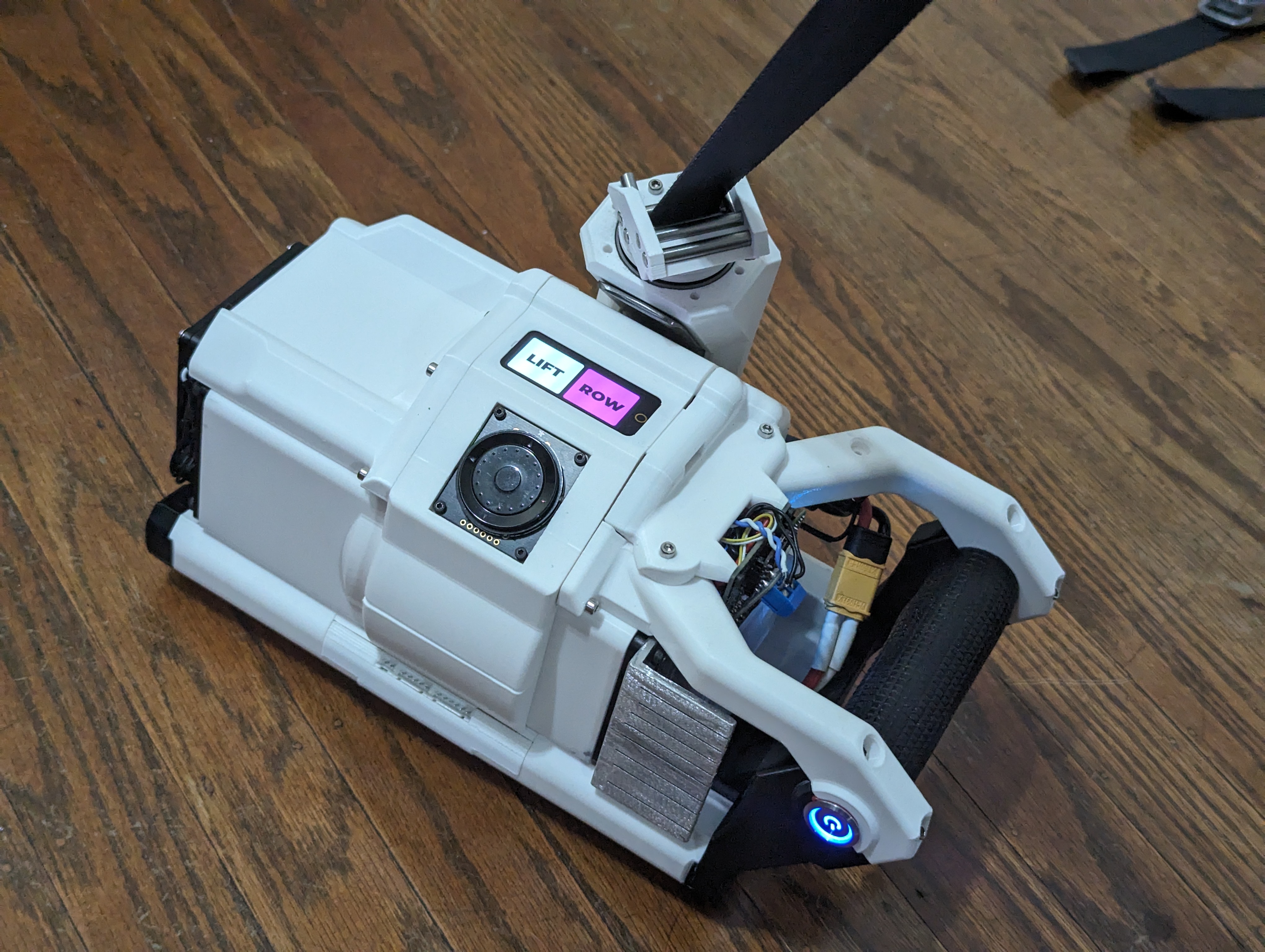
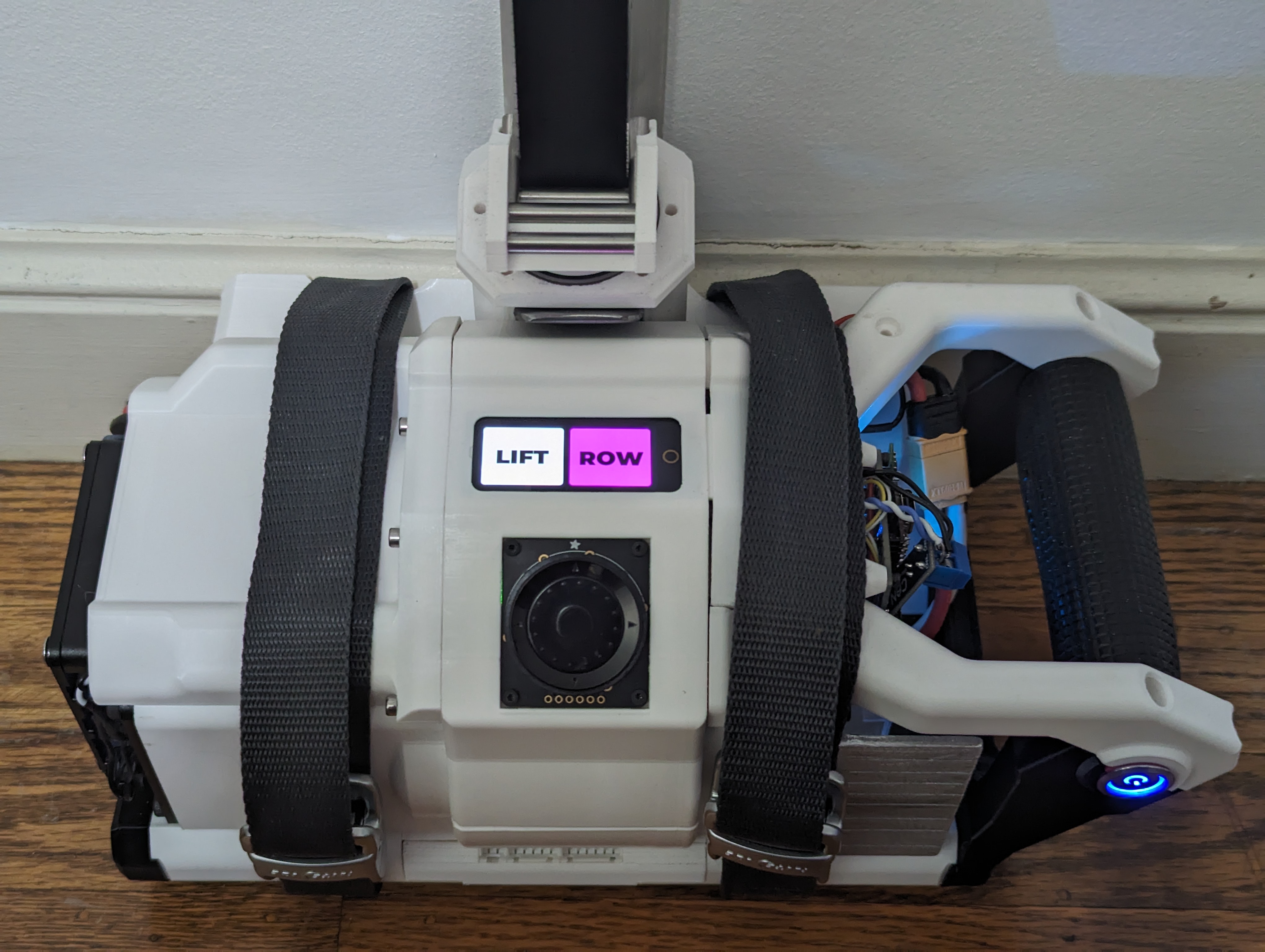
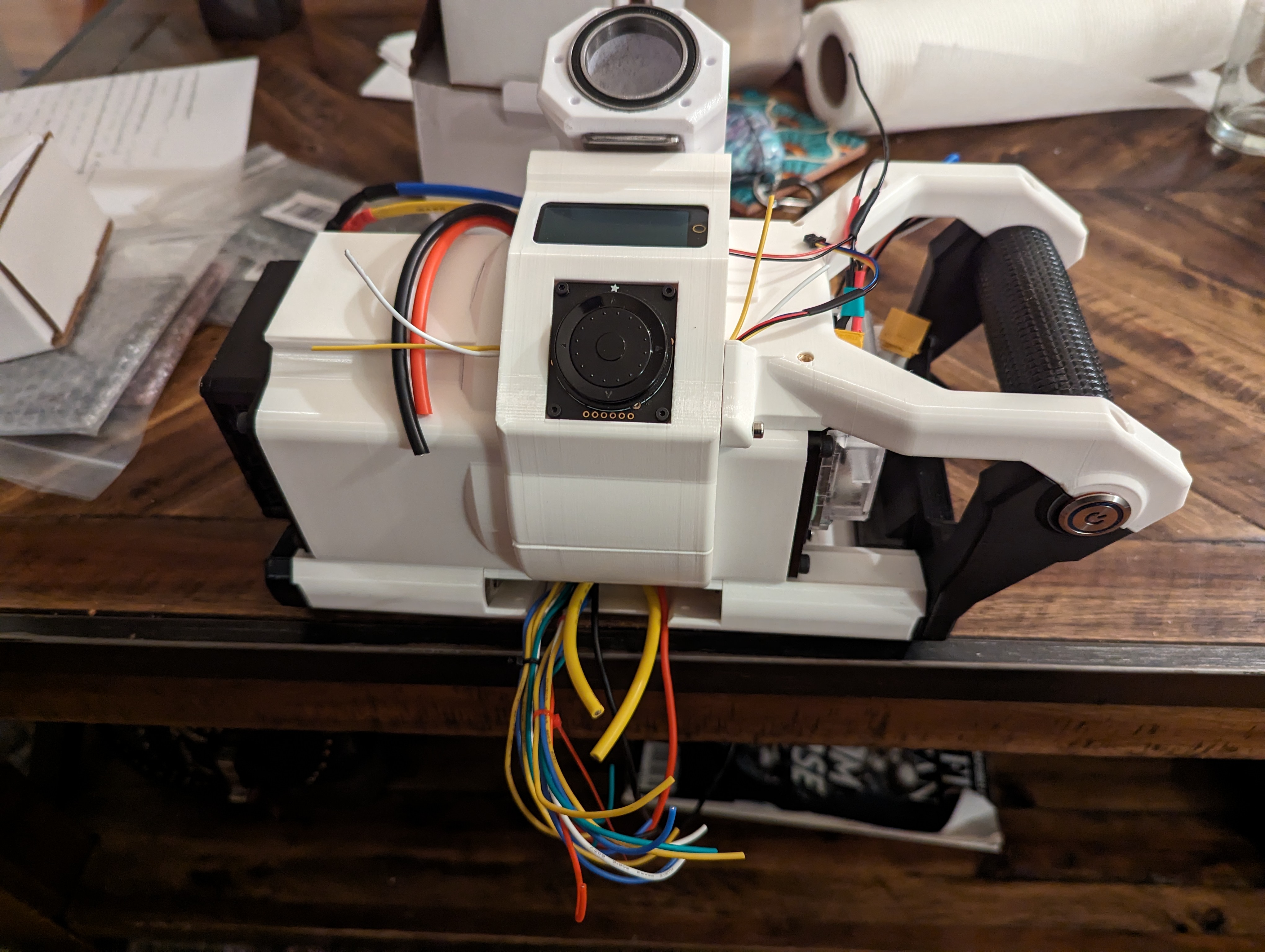
Open Workout System is an open-source community creating a high-fidelity smart health/fitness device dedicated to improving your fitness and health.
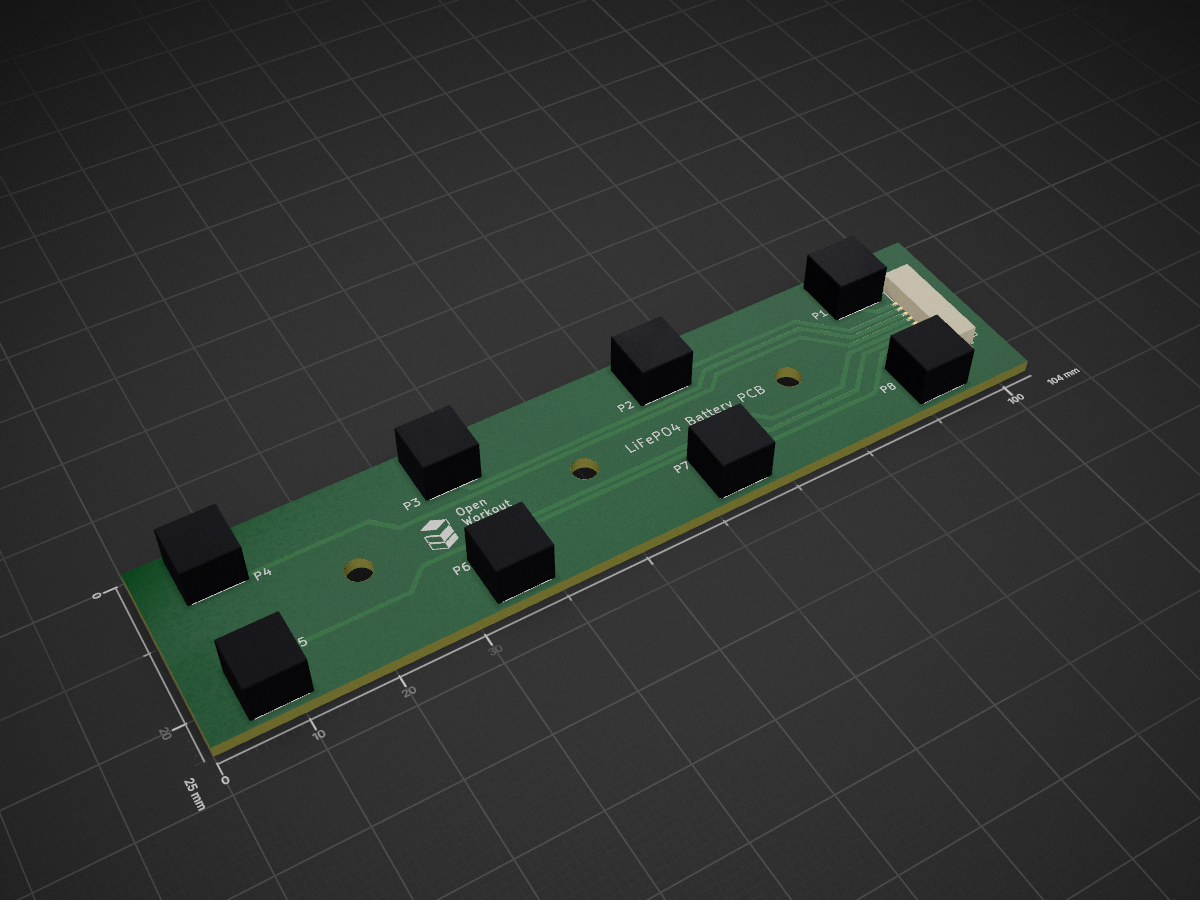
LiFePO4 PCB 25x100 is an open-source printed circuit board by openworkoutsystem, from the openworkoutsystem/digital_weight_device repository on GitHub, published under the MIT licence. It is a 2-layer board of 104 × 25 mm with 12 parts on 8 nets, routed with 44 tracks and 0 vias.
Open Workout System is an open-source community creating a high-fidelity smart health/fitness device dedicated to improving your fitness and health. Our primary goal is to develop cost-conscious, accessible, and safe workout systems that cater to a broad audience, from general fitness enthusiasts to individuals undergoing physical therapy. By leveraging open-source principles, we aim to foster a community of developers, fitness professionals, and users who can collaborate to continually improve and expand our solutions.

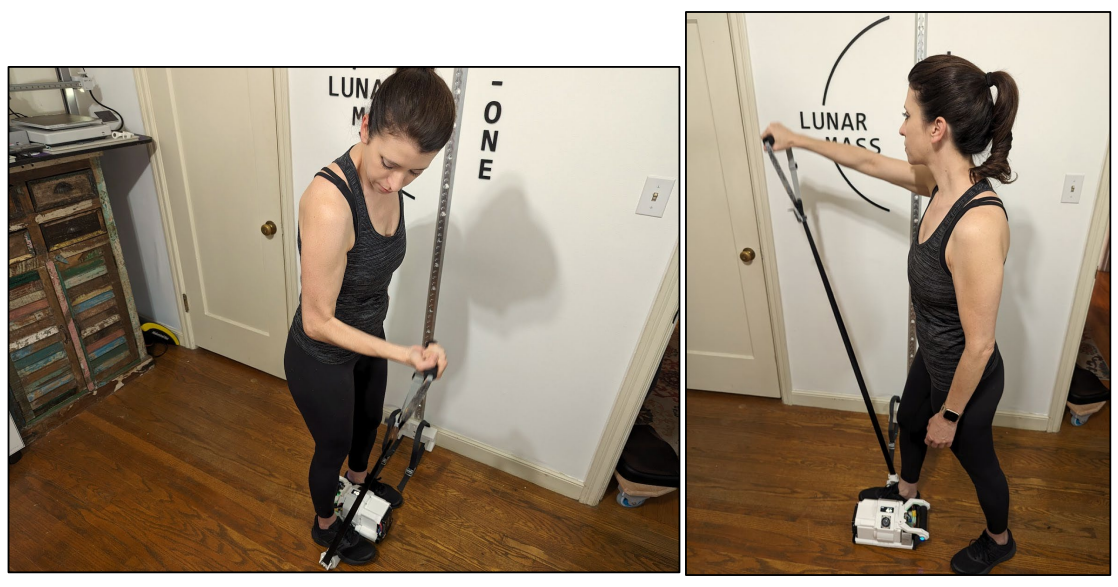
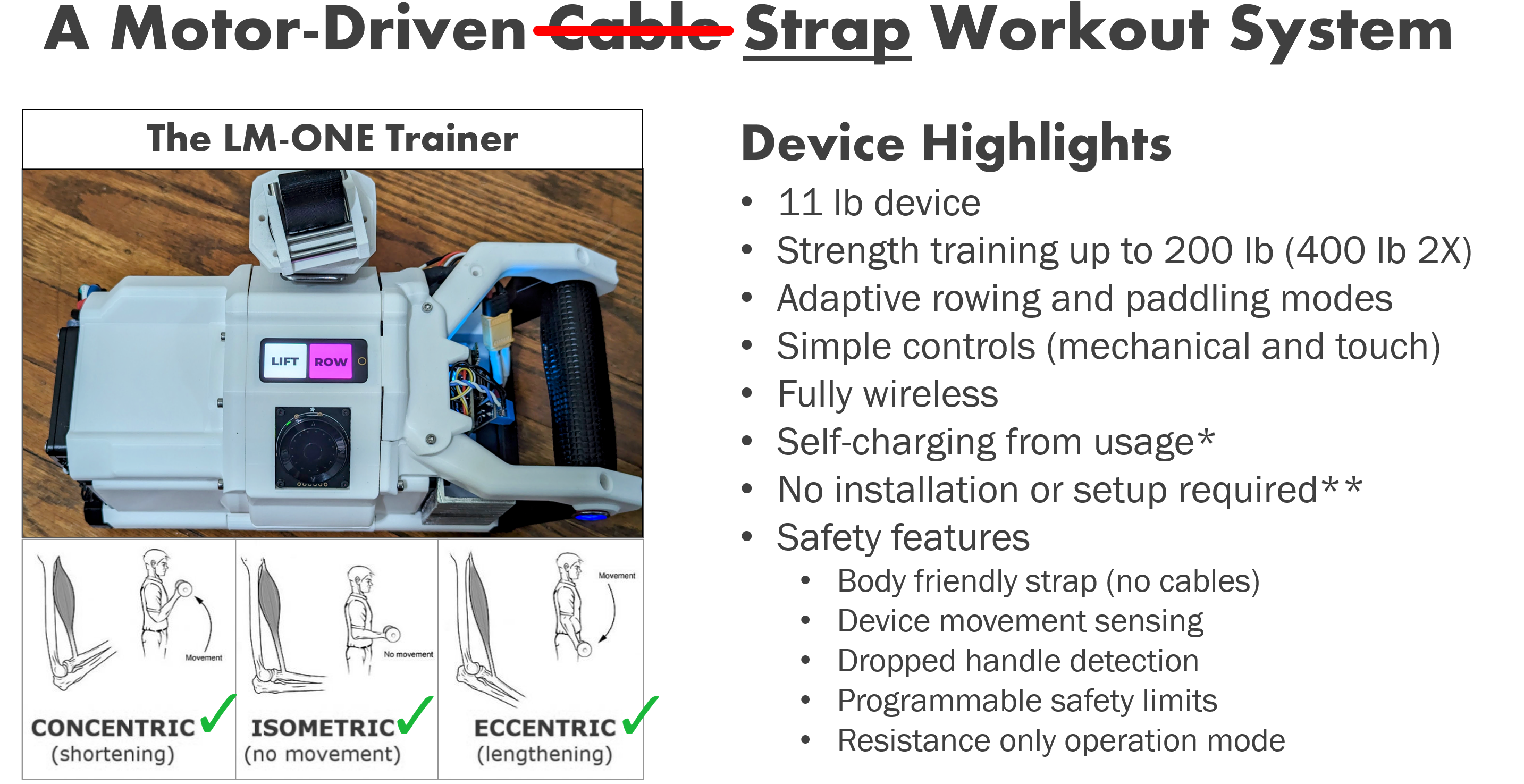
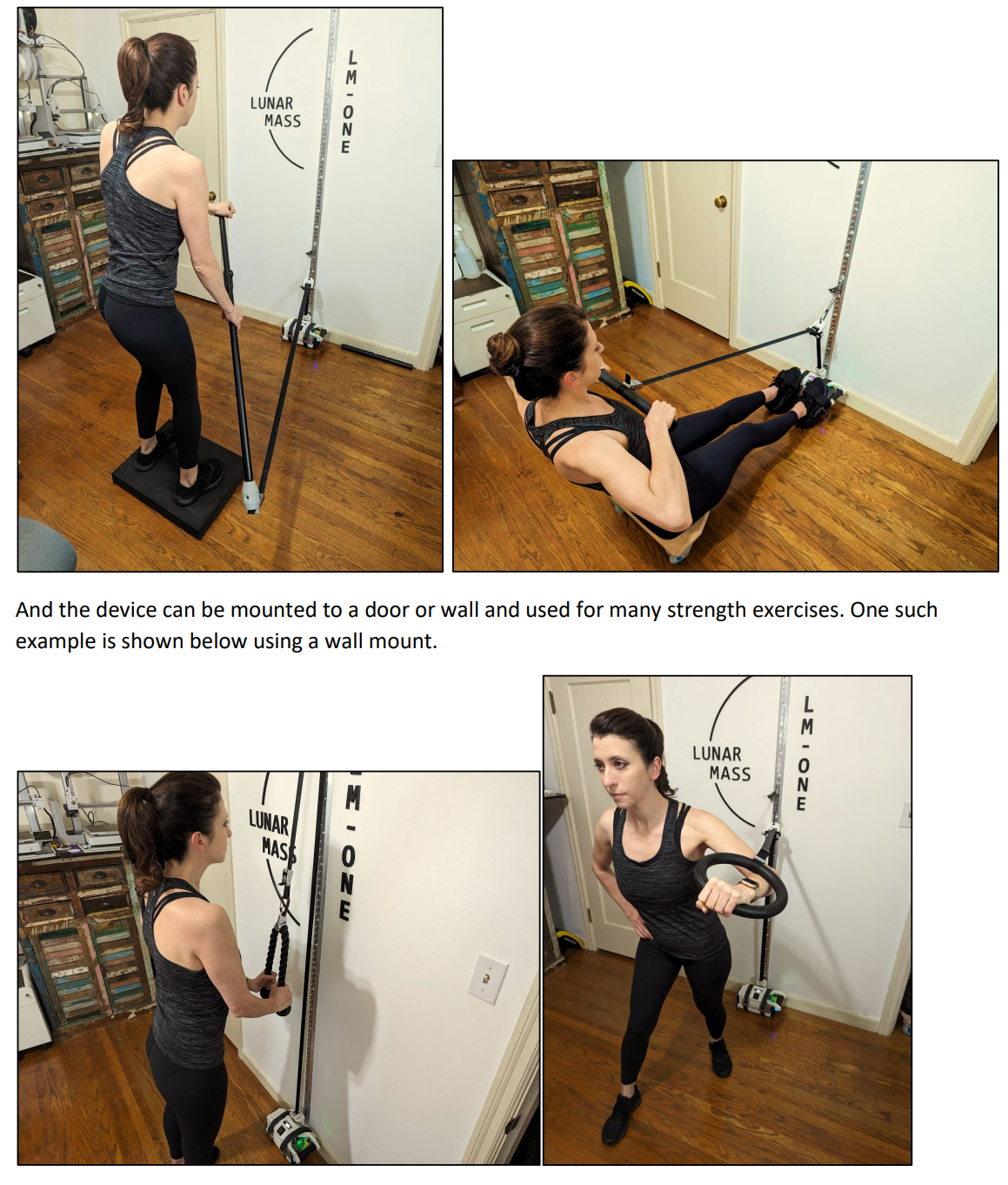
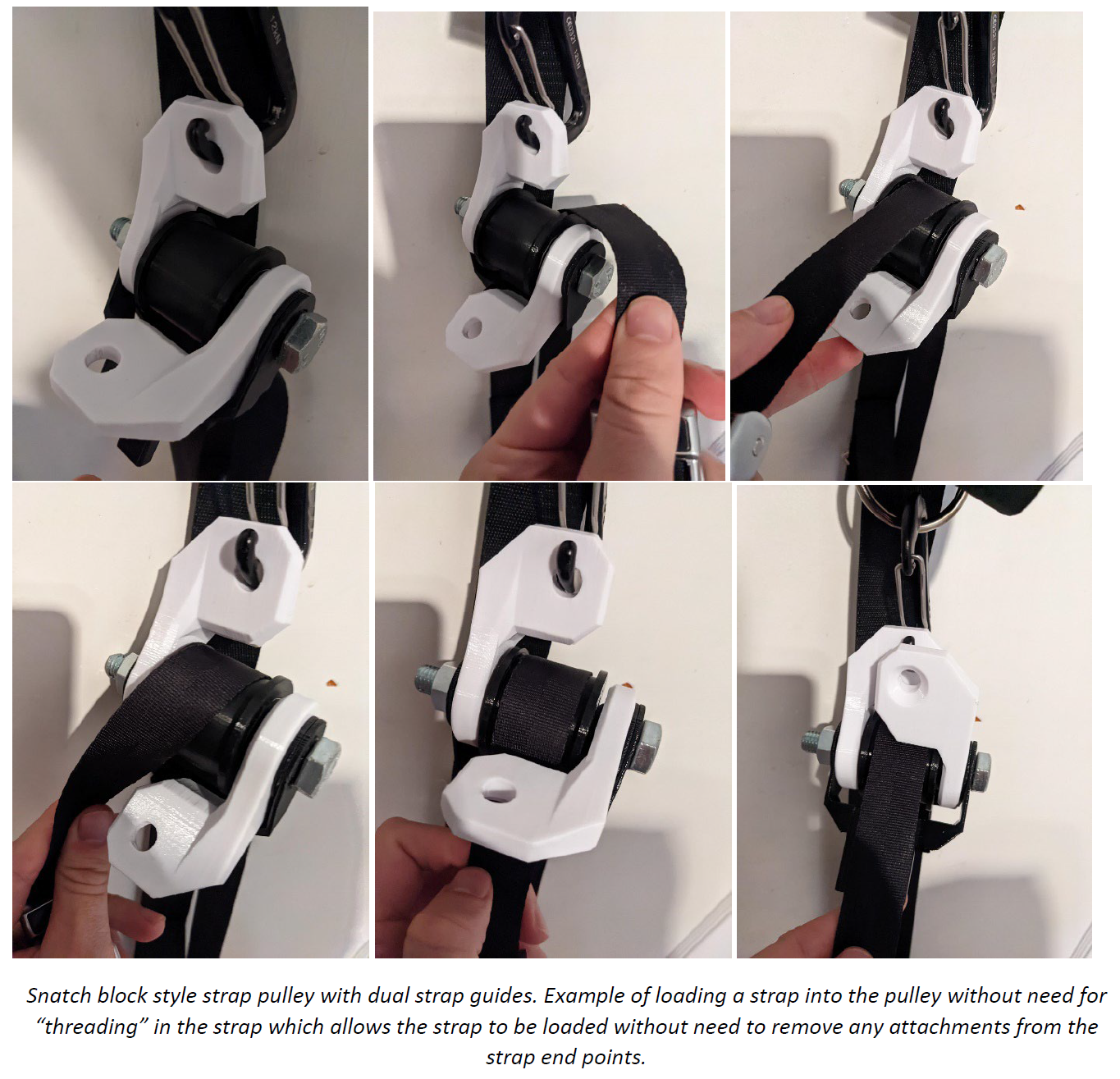
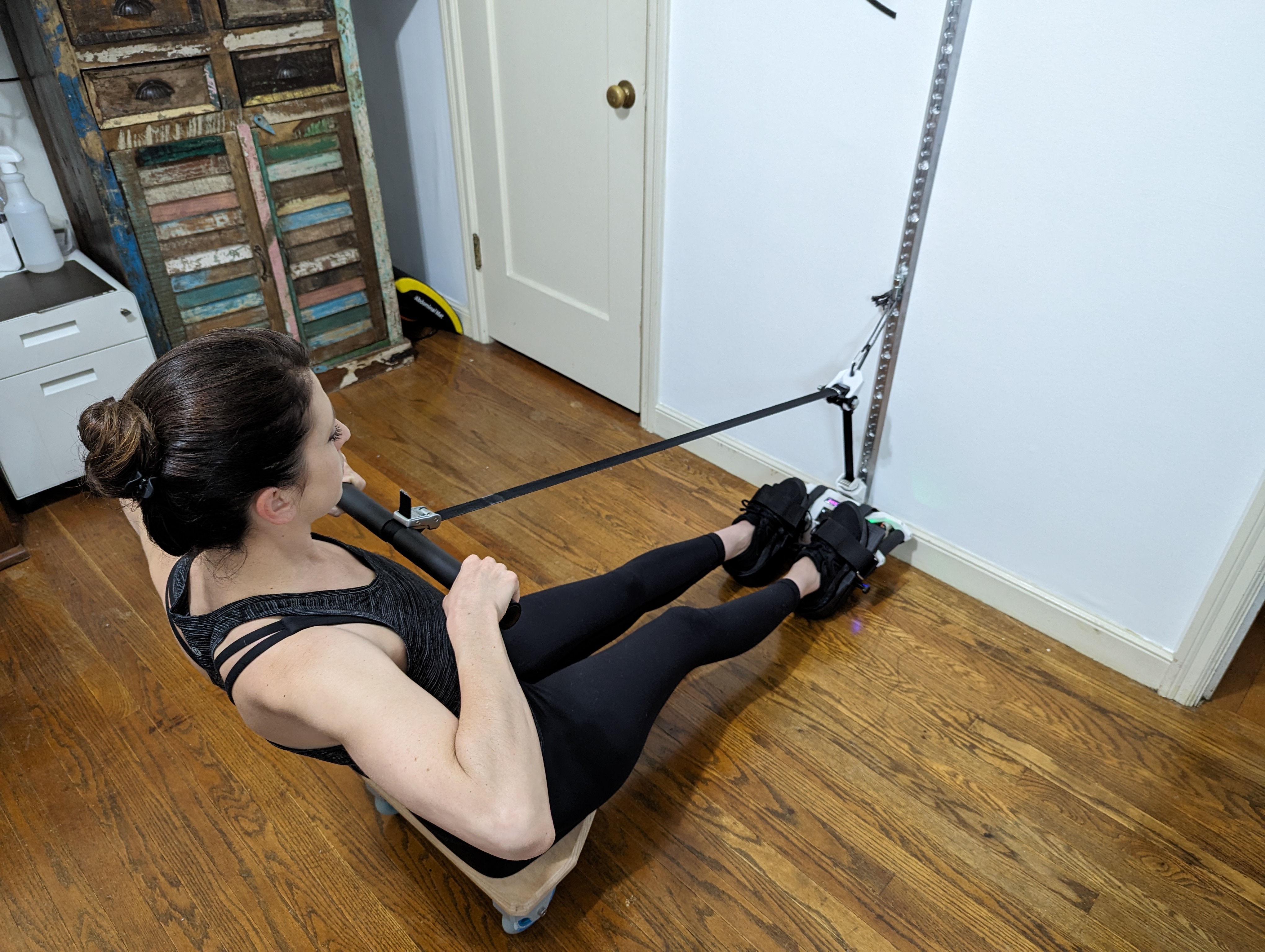
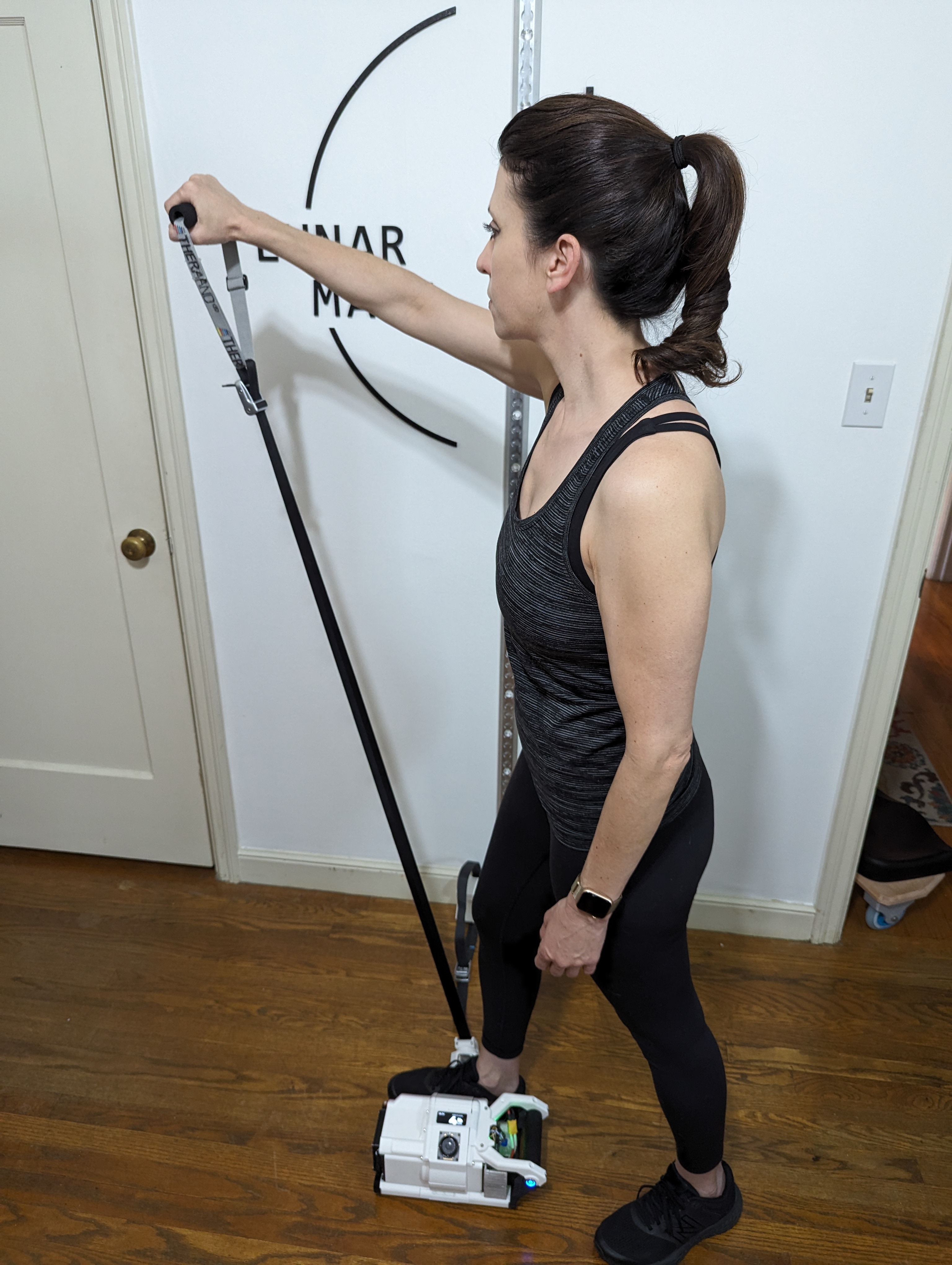
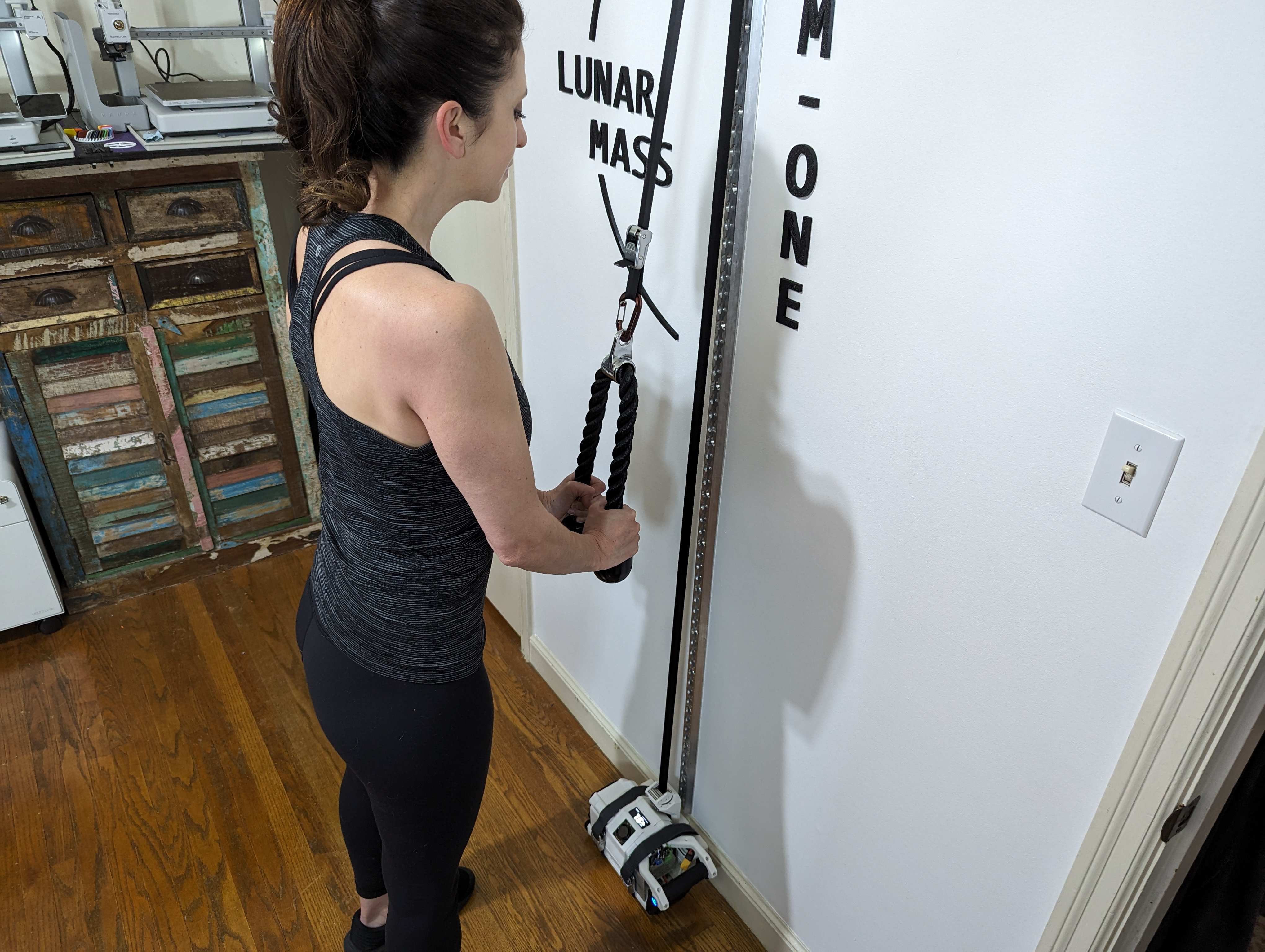
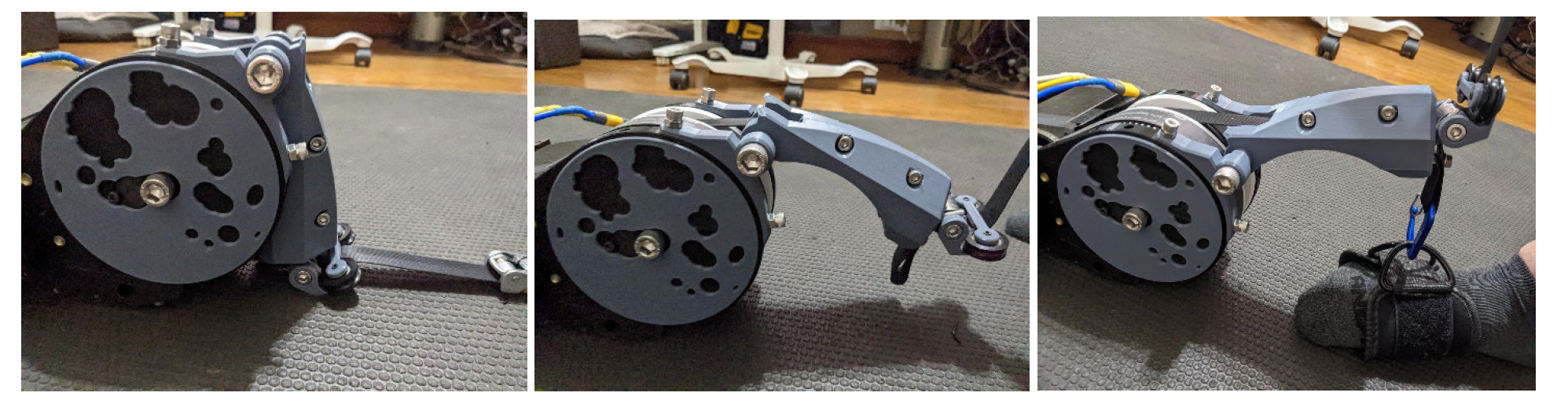
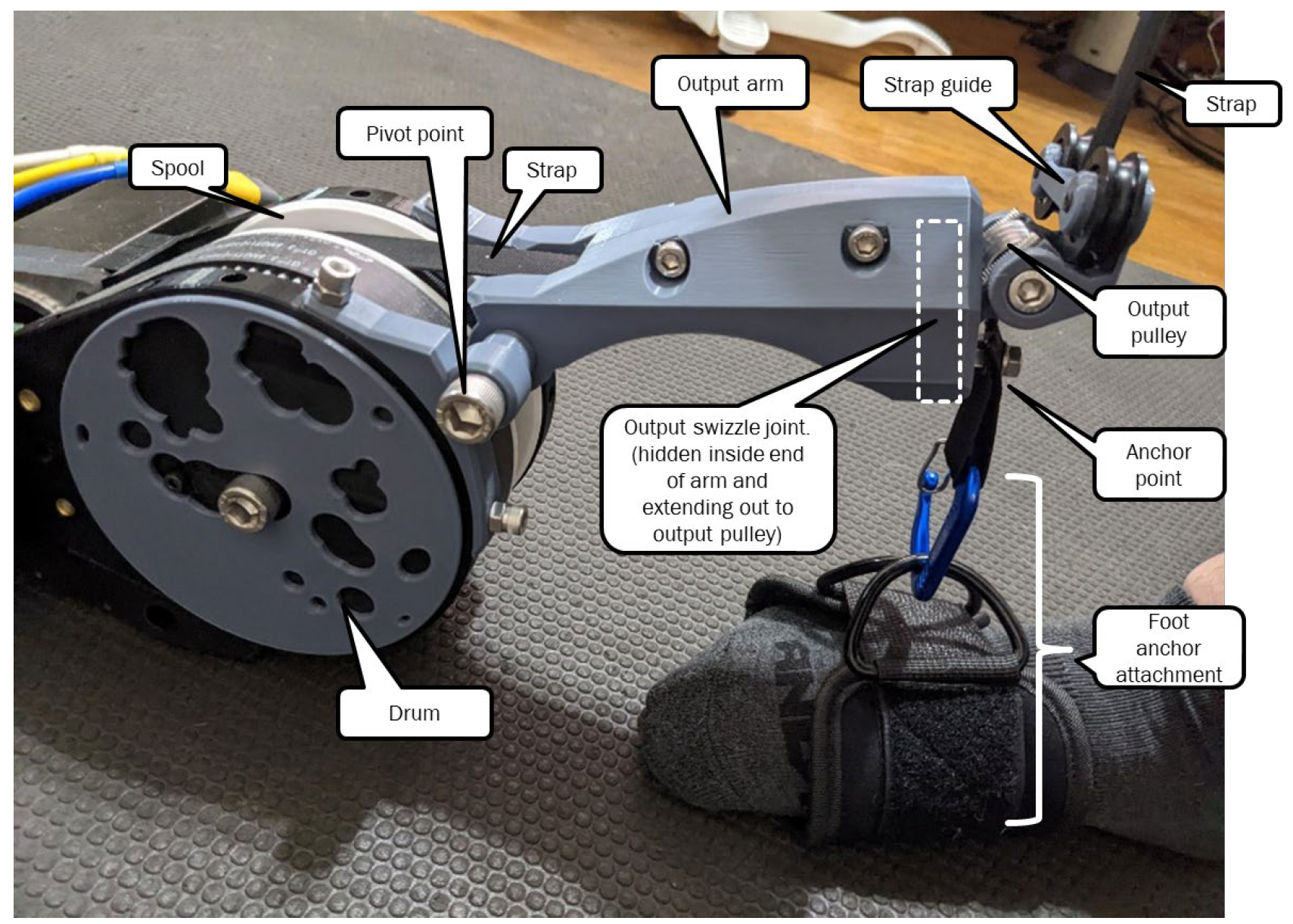
The ultra-compact BLDC motor-driven workout system is our core design focus, aimed at providing a comprehensive, safe, and affordable fitness solution. Traditional workout systems can be intimidating due to their size, complexity, and cost. Our system is ultra-compact and easy to use, ensuring it fits seamlessly into your life. The body-friendly strap enhances safety over a traditional cable system.
As an open-source project, we believe in the power of community and collaboration. By making our designs, code, and documentation freely available, we enable others to contribute to the project, helping to accelerate innovation and bring high-quality fitness solutions to more people. Our commitment to open source ensures transparency, adaptability, and continuous improvement.
Hardware is hard. We want to provide access to a fantastic and safe fitness device for others to build their creative ideas on! Our philosophy is that we make you better, you make us better, and we're all better for it. We know, like us, there are others with great ideas on how to improve their daily routines and unique needs.
We welcome contributions to our project! Whether it's code, hardware designs, documentation, or testing, your input is valuable. To get started please join our Discord Community --> Open Workout System Discord Server For more information, questions, or collaboration inquiries, please contact us at [aaron.willey+ows@gmail.com].
Safety is paramount in our design philosophy. Our Digital Weight Workout System includes features such as device movement sensing, dropped handle detection, and programmable safety limits to ensure a safe workout experience. The lower cost of entry allows a wider audience to access this advanced technology, promoting health and fitness across various demographics. Our goal is to provide a safer and more effective alternative to traditional free weights, reducing the risk of injury and making fitness accessible to all.
This project is licensed under the terms of the MIT license. See the LICENSE file for details.
| Qty | Value | Footprint | References |
|---|---|---|---|
| 8 | BattPad | Custom:BatteryPad_Edge | P1, P2, P3, P4, P5, P6, P7, P8 |
The 8 most common of 12 parts.
It measures 104 × 25 mm and has 2 copper layers, 1.6 mm thick.
12 parts. The full list of its parts is on this page, with links to each part's symbol and footprint where PCBKit's library has them.
From the openworkoutsystem/digital_weight_device repository on GitHub, at the commit this page was made from: the board is electrical/battery_pcb/LiFePO4_PCB_25x100/LiFePO4_PCB_25x100.kicad_pcb and its schematic electrical/battery_pcb/LiFePO4_PCB_25x100/LiFePO4_PCB_25x100.kicad_sch. PCBKit opens the board in the browser, with nothing to install.
Its repository publishes it under the MIT licence: you may reuse it on that licence's terms (keep the author's notice, and for a copyleft licence share your changes alike).
github-linguist/linguist
Language Savant. If your repository's language is being reported incorrectly, send us a pull request!


google/mozc-devices
Circuit diagrams and firmware source code for Gboard DIY keyboards


hackclub/OnBoard
💡 Join 1,000 teenagers and make your first PCB with a $100 grant!

VoronDesign/Voron-Tap
Tap is a nozzle-based z-probe for the V2 and Trident printer designs. The entire toolhead moves to trigger an optical switch. Tap offers many advantages:

stacksmashing/pico-tpmsniffer
A simple, very experimental TPM sniffer for LPC bus