2 layers54.6 × 68.6 mm

 mcubelab/gelslim114
LED Harness 3x2 GREEN is an open-source printed circuit board by mcubelab, from the mcubelab/gelslim repository on GitHub. It is a 2-layer board of 30.5 × 62.2 mm with 28 parts on 2 nets, routed with 196 tracks and 16 vias.
Its parts include 24 diodes and 4 connectors.
Note: The MCube Lab at MIT has closed and no longer distributes pre-made sensors by mail upon request. Consider the latest version GelSlim 4.0 at the University of Michigan's MMint Lab for an easier to reproduce version of the sensor.
Please follow the Hardware Quick Start Guide instructions to build your own sensor. The step-by-step resources found below are in the process of being updated.
Click on the pictures below for more information
| 3-D Printing | PCB Fabrication | Elastomer Fabrication | Assembly |
|---|---|---|---|
| [Image blocked: No description] | 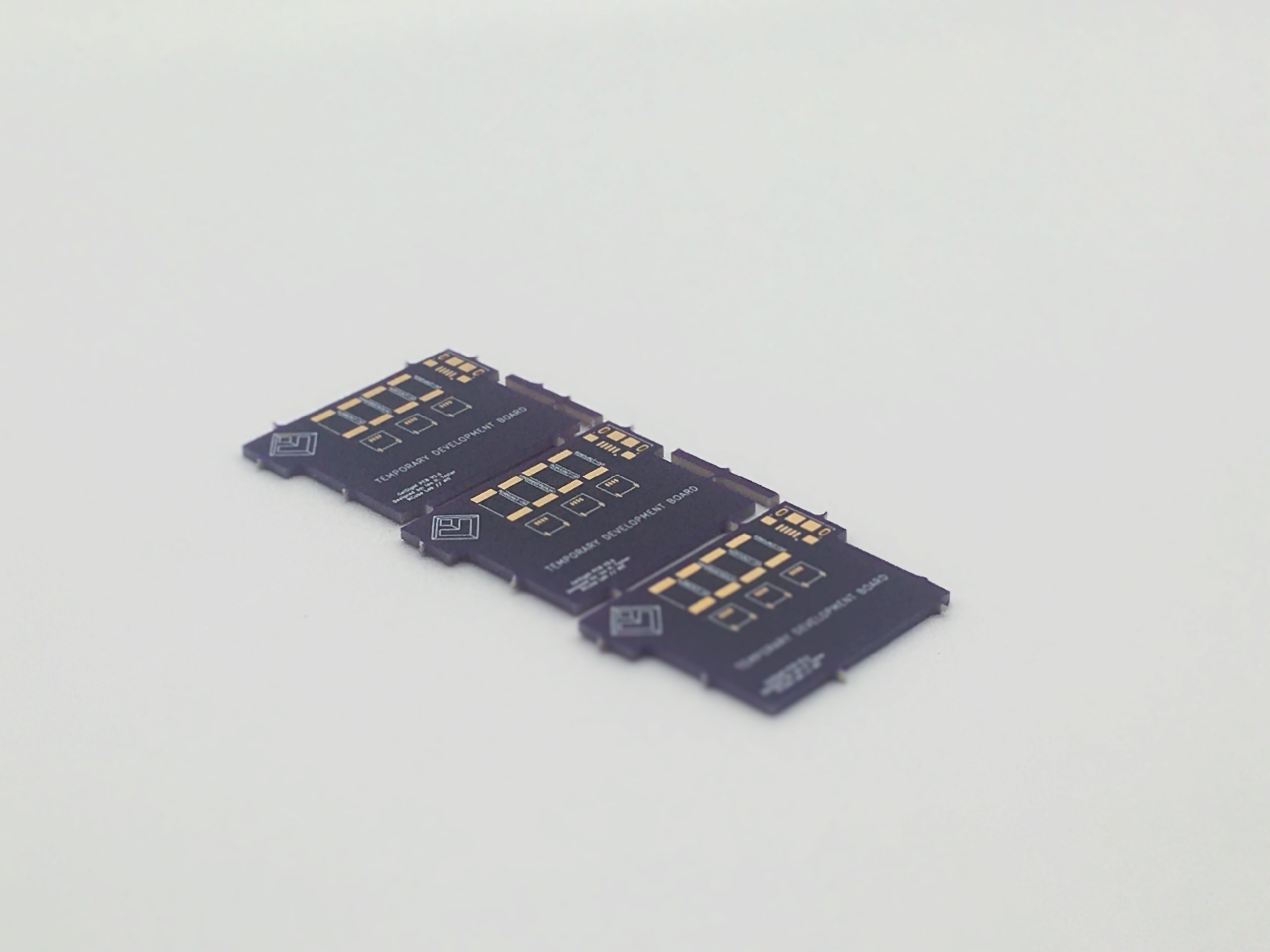 |  | 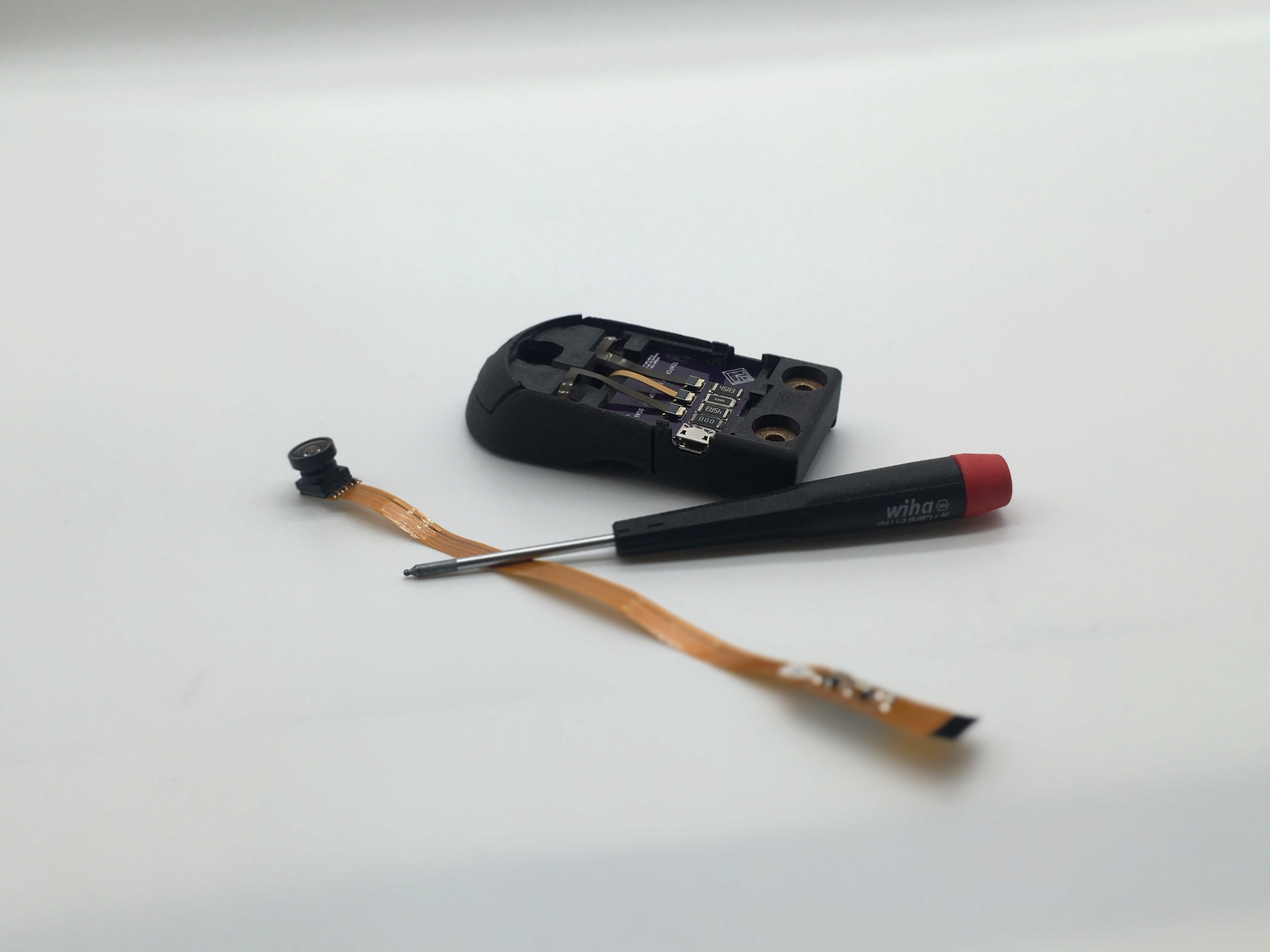 |
| Elastomer | Fasteners | Body | Shaping Lens |
|---|---|---|---|
 | 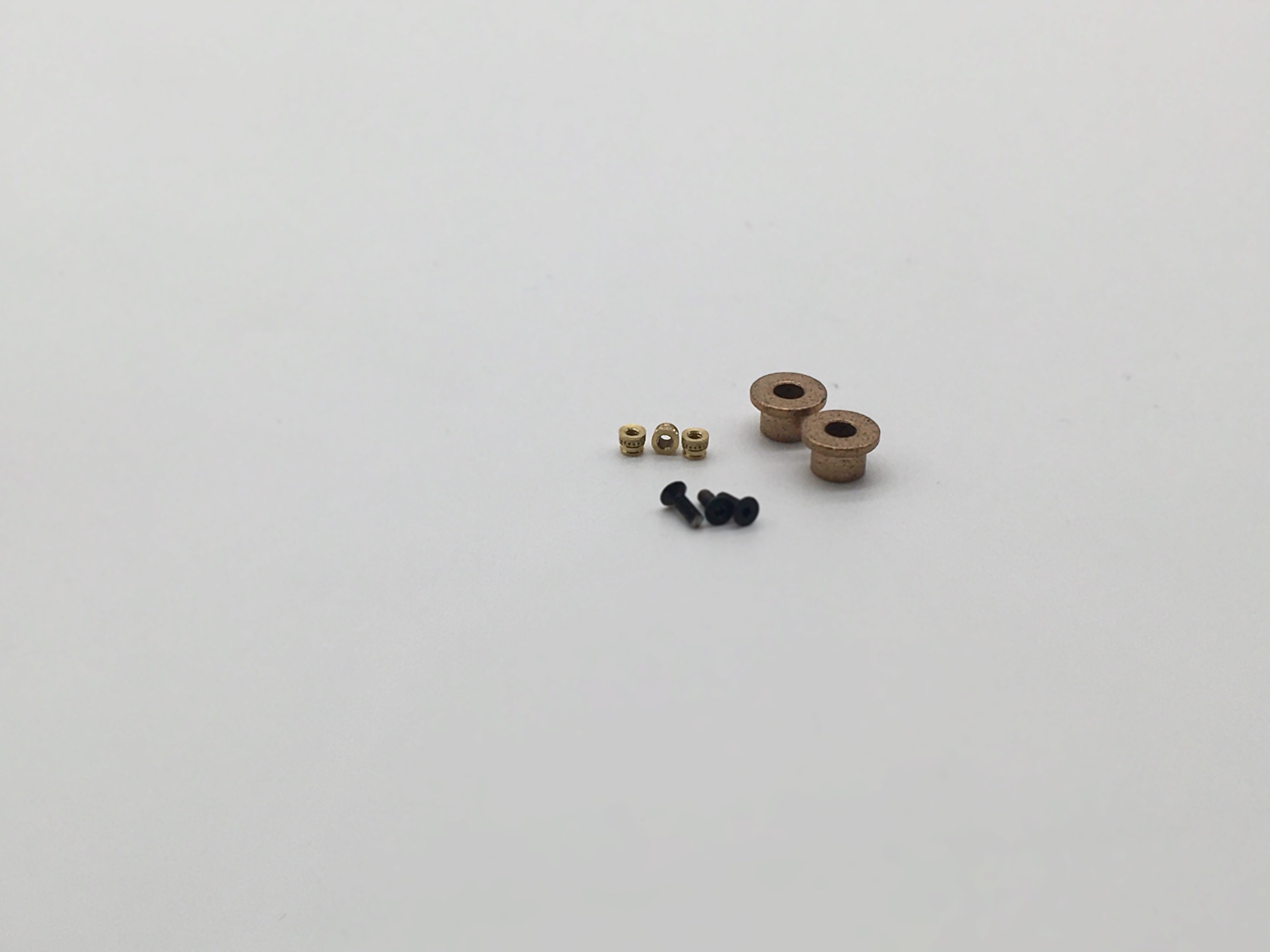 | 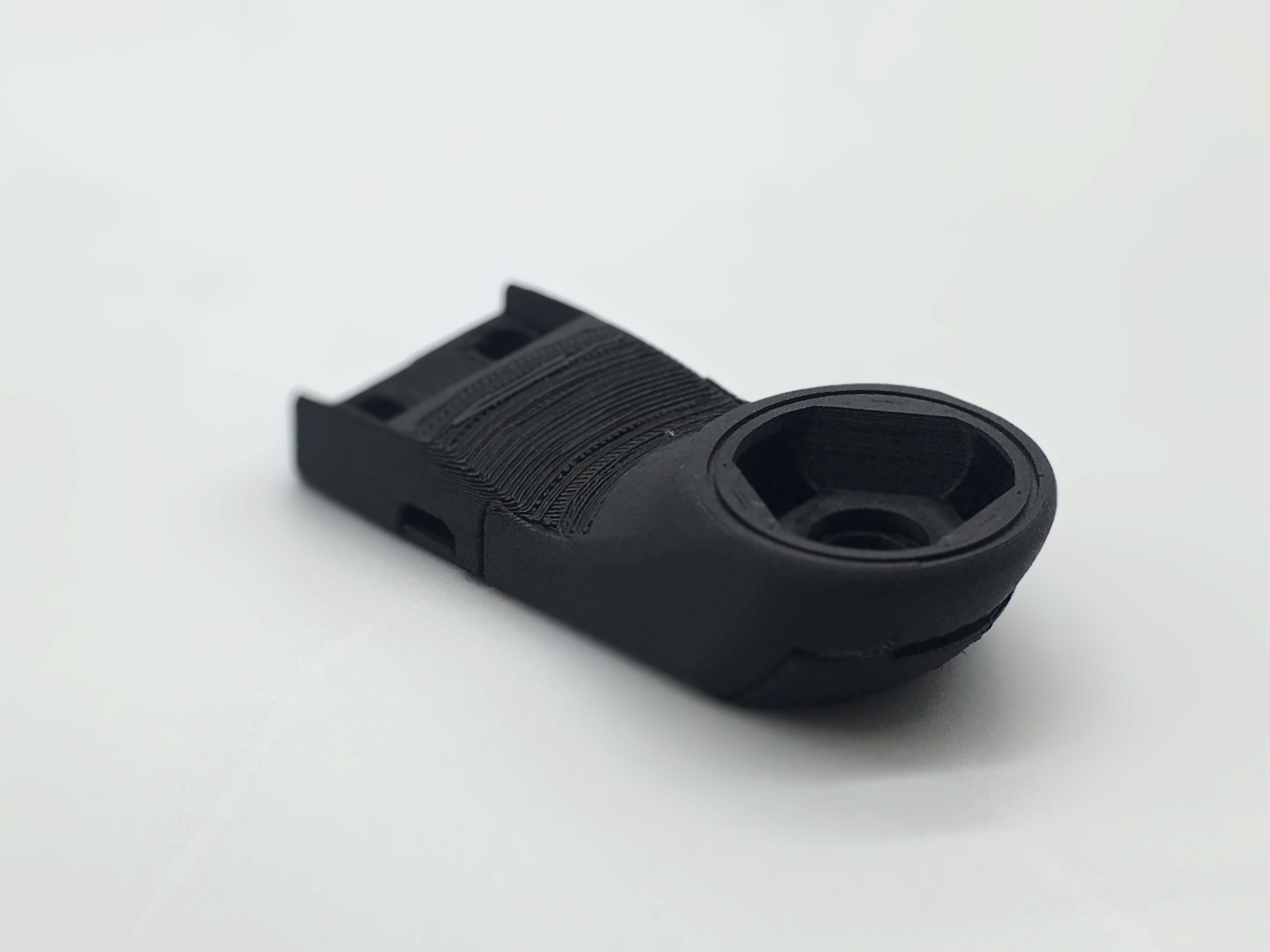 | 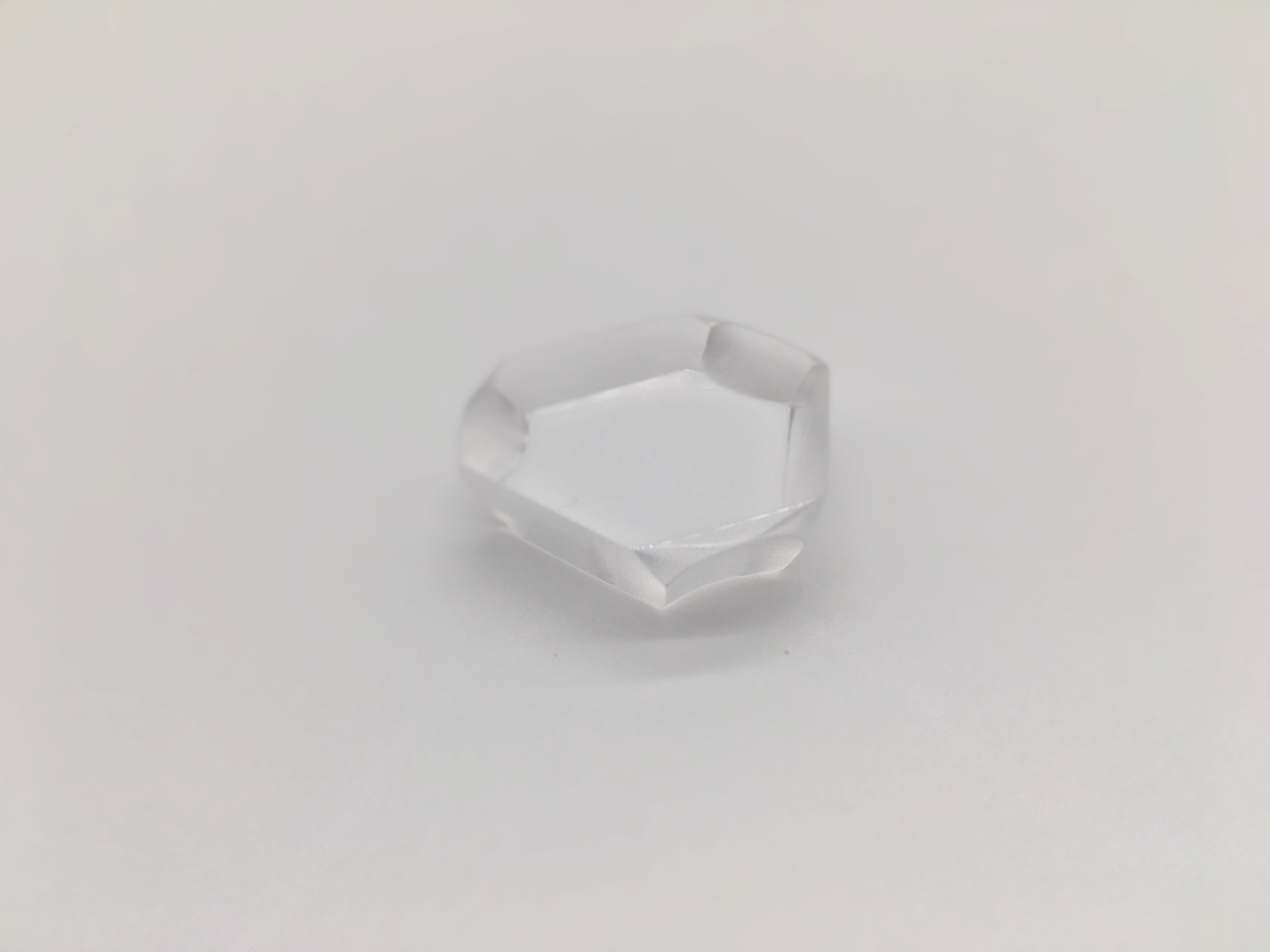 |
| LED Driver | LED Harness | Camera | Connectors and Adapters |
|---|---|---|---|
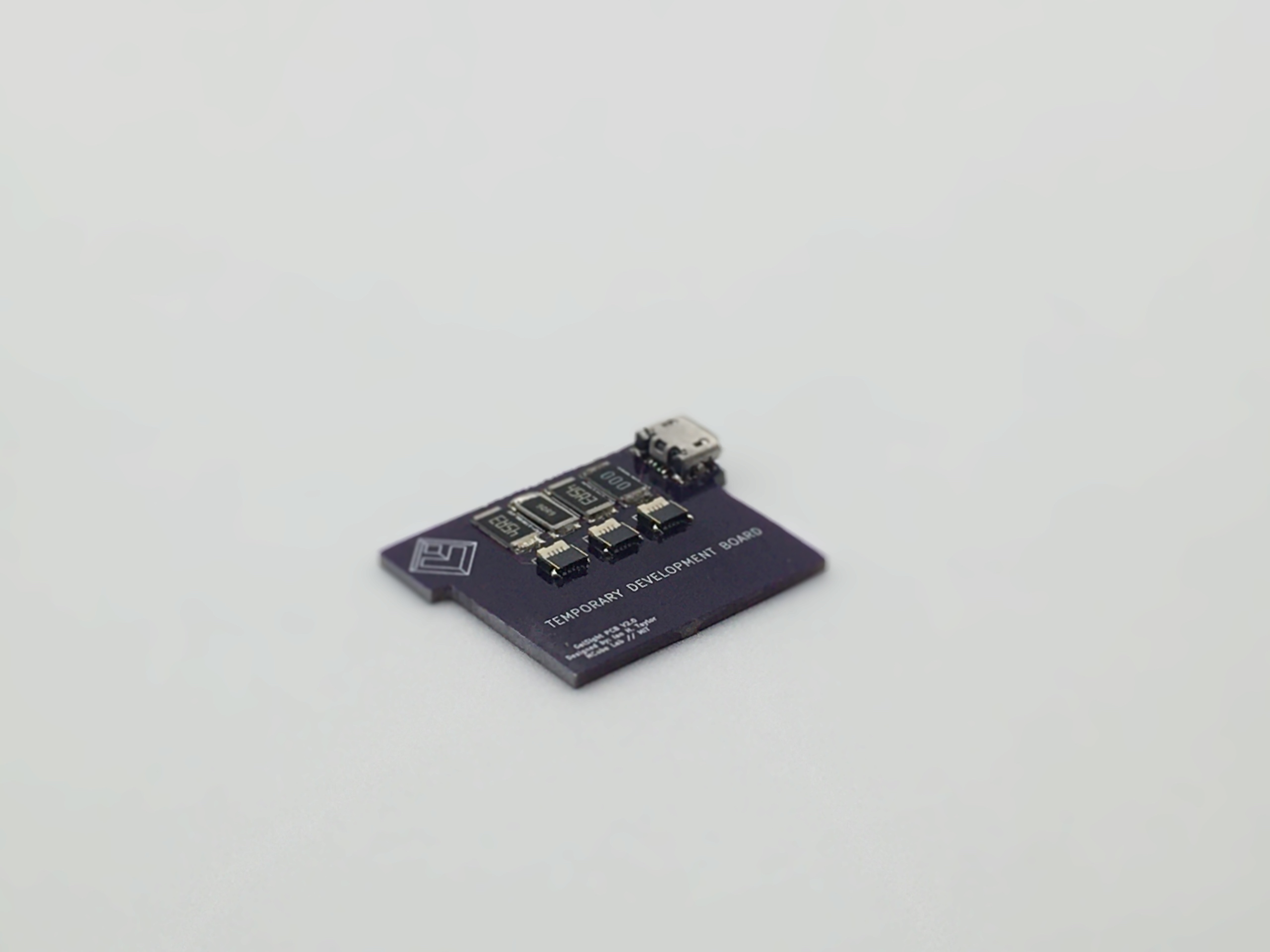 | 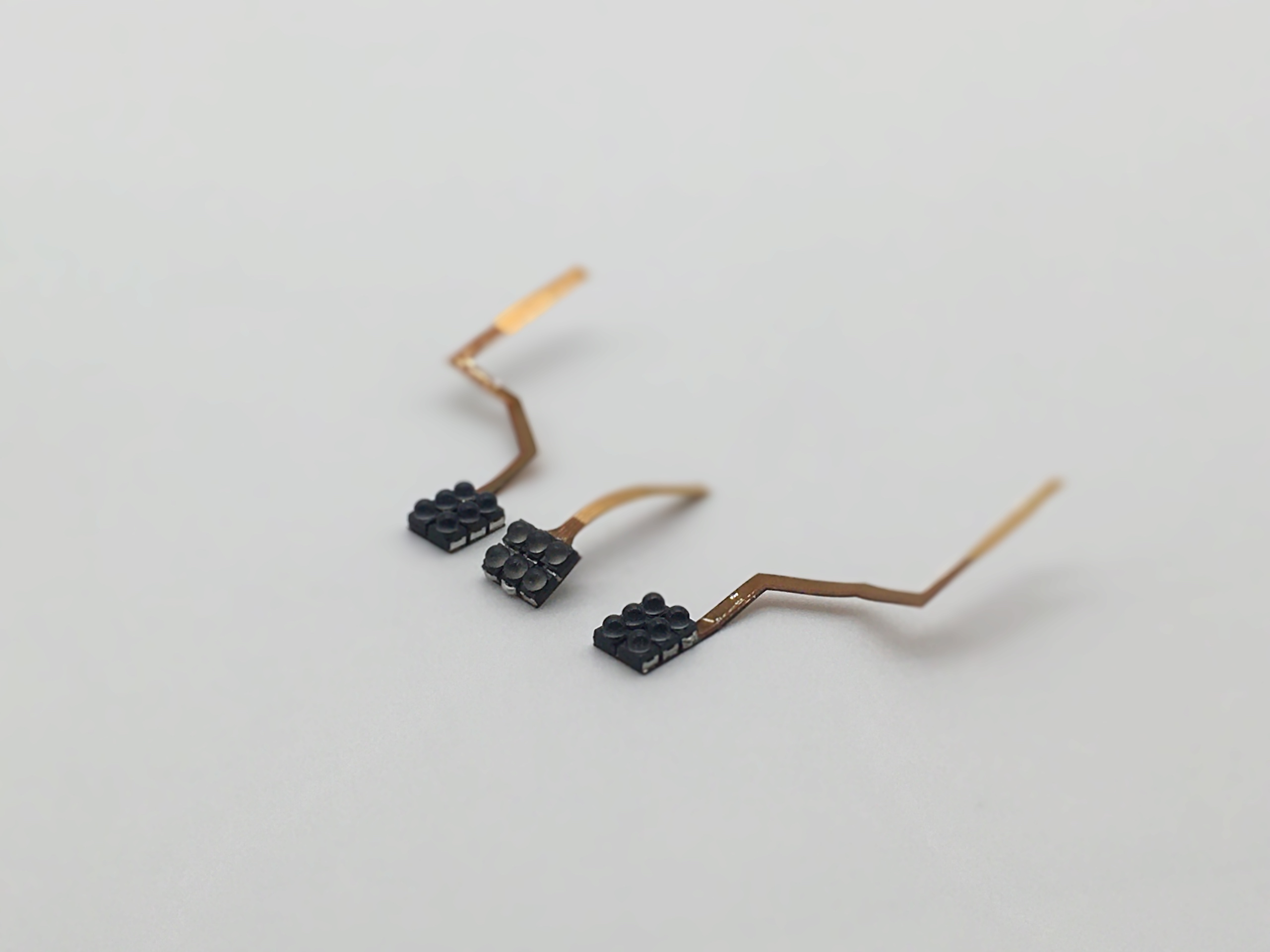 | 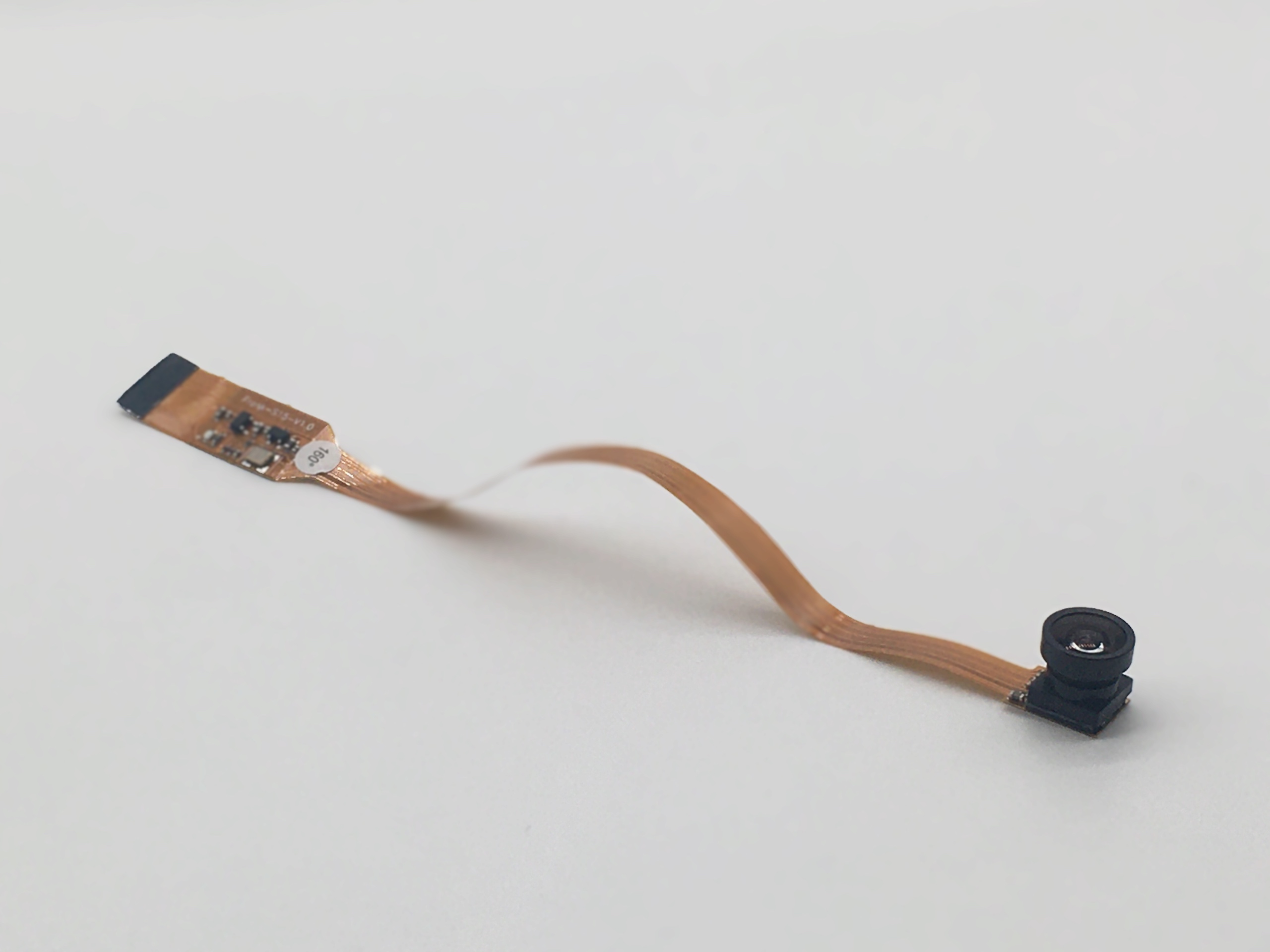 | 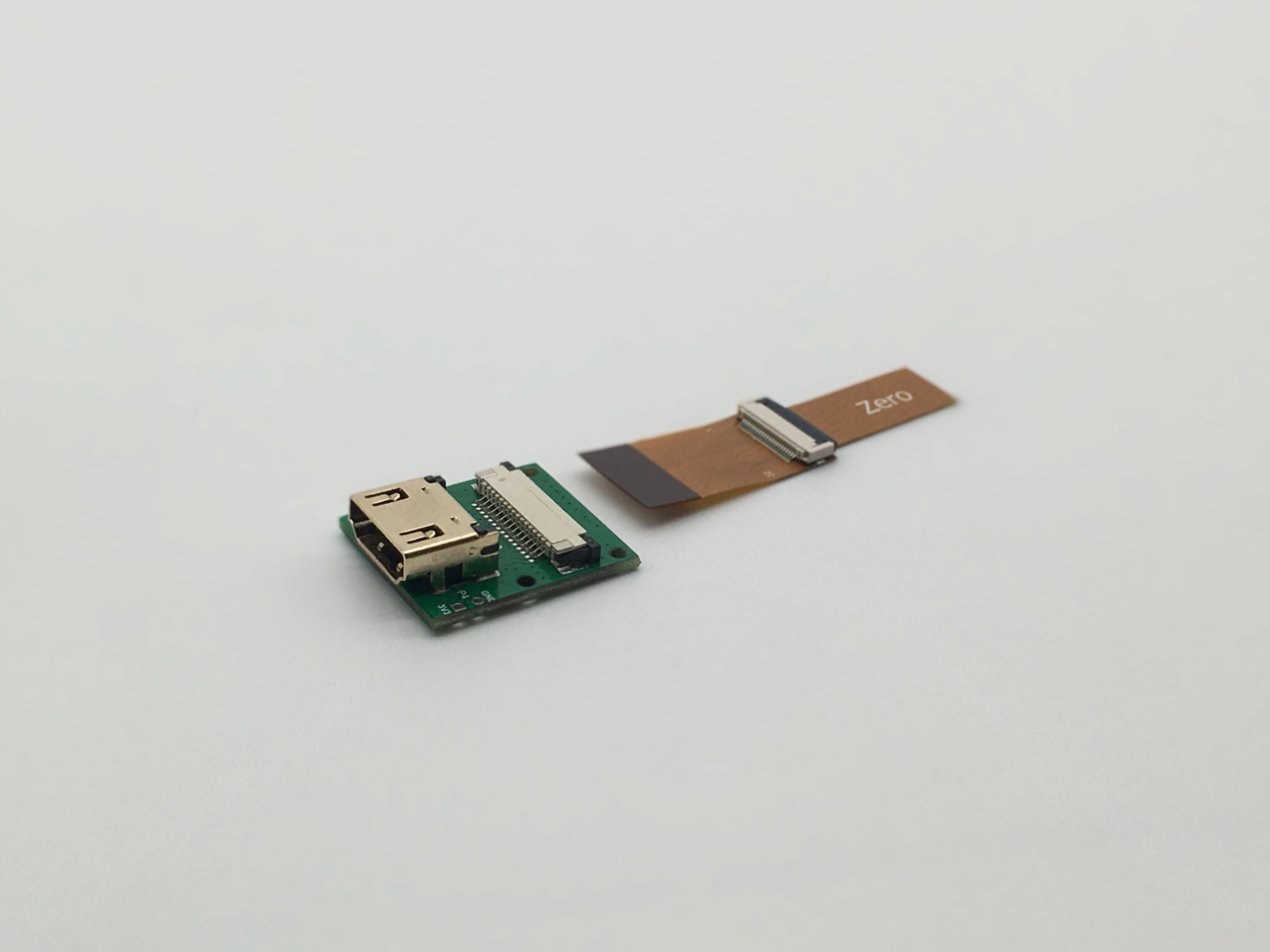 |
| Raspberry Pi | Dependencies | GUI | Calibration |
|---|---|---|---|
 |  |  |  |
| Mechanical Tools and Consumables | Electronics Components and Tools | Known Issues | Contributing |
|---|---|---|---|
 |  |  |  |
GelSlim 3.0 - Webpage
GelSlim 3.0 - Paper
GelSlim 3.0 - Demo
MCube Lab - YouTube Channel
This repo is under construction, the following files and folders are not present.
Ian Taylor
These design files are licensed under CC-by-NC, as found in the LICENSE file.
| Qty | Value | Footprint | References |
|---|---|---|---|
| 24 | LB_T64G-V1CA-59-Z | SamacSys_Parts:LEDM3528X210N | LED1, LED1, LED1, LED1, LED2, LED2, LED2, LED2, LED3, LED3, LED3, LED3, LED4, LED4, LED4, LED4 +8 |
| 4 | Conn_01x02_Male | GelSight LED:FFC_Male_1x02-1MP_P0.50m | J1, J1, J1, J1 |


joeycastillo/Sensor-Watch
A board replacement for the classic Casio F-91W wristwatch

TalismanDesign/PocketMage_PDA
An E-Ink PDA device using the ESP32 S3.

rusefi/rusefi
rusefi - GPL internal combustion engine control unit

hackclub/OnBoard
💡 Join 1,000 teenagers and make your first PCB with a $100 grant!

asterics/esp32_mouse_keyboard
ESP32 implementation for HID over GATT Keyboard and Mouse (Bluetooth Low Energy). Including serial API for external modules (similar to Adafruit EZKey HID)


Luos-io/luos_engine
Open-source and real-time orchestrator for cyber-physical-systems, to easily design, test and deploy embedded applications and digital twins.

Chrismettal/EleLab_v2
Cheap DIY lab system for hobbyists and the tinkering folk
It measures 30.5 × 62.2 mm and has 2 copper layers, 1.6 mm thick.
28 parts. The full list of its parts is on this page, with links to each part's symbol and footprint where PCBKit's library has them.
From the mcubelab/gelslim repository on GitHub, at the commit this page was made from: the board is Hardware/Electrical/LED Harness/GREEN/LED_Harness_3x2_GREEN.kicad_pcb. PCBKit opens the board in the browser, with nothing to install.
Its repository states no licence, so its author keeps all rights: ask mcubelab before reusing the design.