2 layers229.5 × 95.1 mm
Sweep high
davidphilipbarr/Sweep
Sweep - a small promicro based keyboard inspired by the Ferris.
55 parts2.1k

 lab64makerspace/LED-based-Gear
Equipment to study the optical control of protein function
Mouse led array is an open-source printed circuit board by lab64makerspace, from the lab64makerspace/LED-based-Gear repository on GitHub. It is a 2-layer board of 120 × 130 mm with 55 parts on 44 nets, routed with 470 tracks and 0 vias.
Equipment to help study the optical control of protein function
This repo contains the material to produce and use the devices used in the Cui Lab at Stanford for studying the optical control of protein function. You can learn more about their work here but briefly-
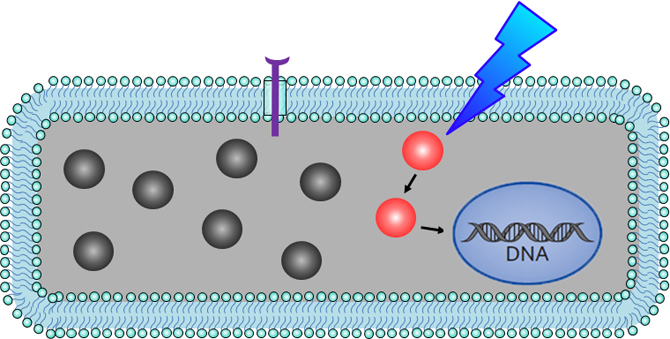
Cells constantly process environmental cues, such as growth factors, to make decisions on cell fate, e.g. survival, proliferation, differentiation, migration, and apoptosis. To ensure proper conversion of a specific environmental input into a distinct cellular output, the activation of intracellular signaling pathways is tightly regulated in space and time.
Compared with our understanding of the roles various proteins play in a multitude of cellular signaling pathways, much less is understood about how these temporal and spatial aspects affect cell behavior, largely due to the lack of effective tools to precisely regulate signaling pathways in space and time.
Our approach is to use light-gated protein-protein interaction systems to control the activation and inactivation of intracellular signaling pathways. This ability to optically control signaling pathways offers unprecedented precision in temporal and spatial dimensions.
Controllable illumination sources are required to work in conjuntion with the molecular tools used in the Cui Lab. Specifically, a light source with tunable intensity and on/off durations is desired for spatiotemporal control of the activation of these molecular tools in cells. Simple light sources are readily made using electronic prototyping techniques but there is a desire to gain more precise control of the illumination, so we (folks in lab64) have been helping produce the equipment described here.
lab64 is an electronics and systems makerspace located in the David Packard Electrical Engineering Building at Stanford. Occasionally we have the privilege of helping to build equipment to support some of the exciting research projects here on campus. This is one of those projects!
If you have questions about the hardware, firmware, or software described here, please send Steve Clark a note at steven DOT clark AT stanford DOT edu
If you have questions about the research, molecular tools, etc. please contact Professor Cui by sending a note to bcui AT stanford DOT edu
Thank you for your interest!
| Qty | Value | Footprint | References |
|---|---|---|---|
| 49 | LED | mouse led array:SST-10-B-B130-N450 | D1, D2, D10, D11, D12, D13, D14, D15, D16, D17, D18, D19, D20, D21, D22, D23 +33 |
| 4 | MountingHole | MountingHole:MountingHole_5mm | H3, H4, H5, H6 |
| 2 | MountingHole_Pad | mouse led array:z_MountPTH_3mm | H1, H2 |
It measures 120 × 130 mm and has 2 copper layers, 1.6 mm thick.
55 parts. The full list of its parts is on this page, with links to each part's symbol and footprint where PCBKit's library has them.
From the lab64makerspace/LED-based-Gear repository on GitHub, at the commit this page was made from: the board is OptoStim-mice/mouse led array/mouse led array.kicad_pcb. PCBKit opens the board in the browser, with nothing to install.
Its repository states no licence, so its author keeps all rights: ask lab64makerspace before reusing the design.
davidphilipbarr/Sweep
Sweep - a small promicro based keyboard inspired by the Ferris.

VoronDesign/Voron-Hardware
Cool Hardware designed by the Voron Design group

hackclub/OnBoard
💡 Join 1,000 teenagers and make your first PCB with a $100 grant!

lever-tech/flake
An open-source, wireless, split ergonomic keyboard designed to be productive, healthy, and enjoyable. [formerly Anywhy Flake]

jes/scamp-cpu
A homebrew 16-bit CPU with a homebrew Unix-like-ish operating system.

CRImier/MyKiCad
My KiCad boards. Can't be bothered uploading individually anymore, so here you go.

rgoulter/keyboard-labs
Repo with my PCB designs and keyboard firmware

dcpedit/dissatisfaction30
To get the PCB manufactured, upload dissat-pcb.zip to JLCPCB, select your desired PCB color while keeping all the other default options, and place your order (minimum 5).