2 layers47.6 × 27.3 mm
 kir486680/Open-Science-Bot9
Open-Science Electrochemistry Bot
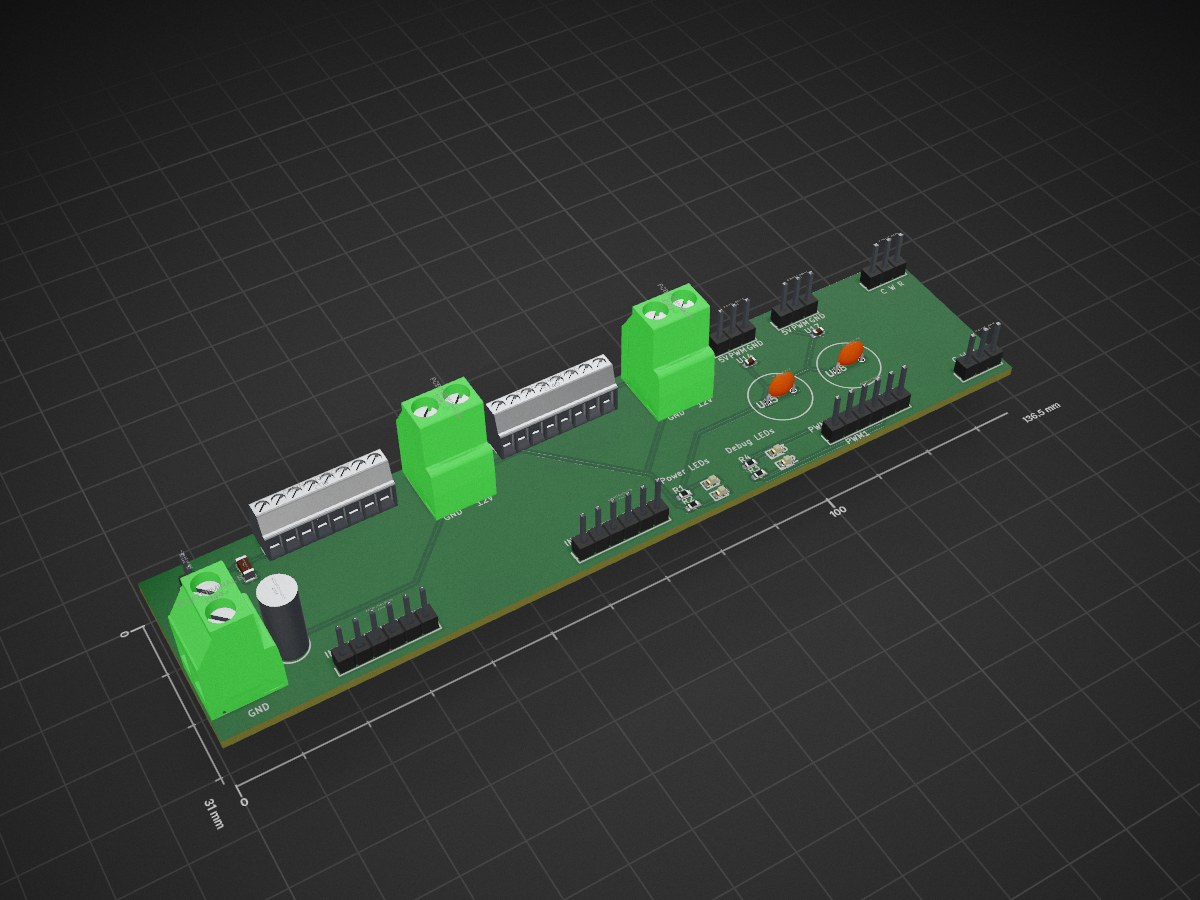
Sdl breakout is an open-source printed circuit board by kir486680, from the kir486680/Open-Science-Bot repository on GitHub. It is a 2-layer board of 136.5 × 31 mm with 27 parts on 28 nets, routed with 151 tracks and 0 vias.
Its parts include 23 ICs and 4 resistors. It belongs with the interfaces and adapters boards of this library.
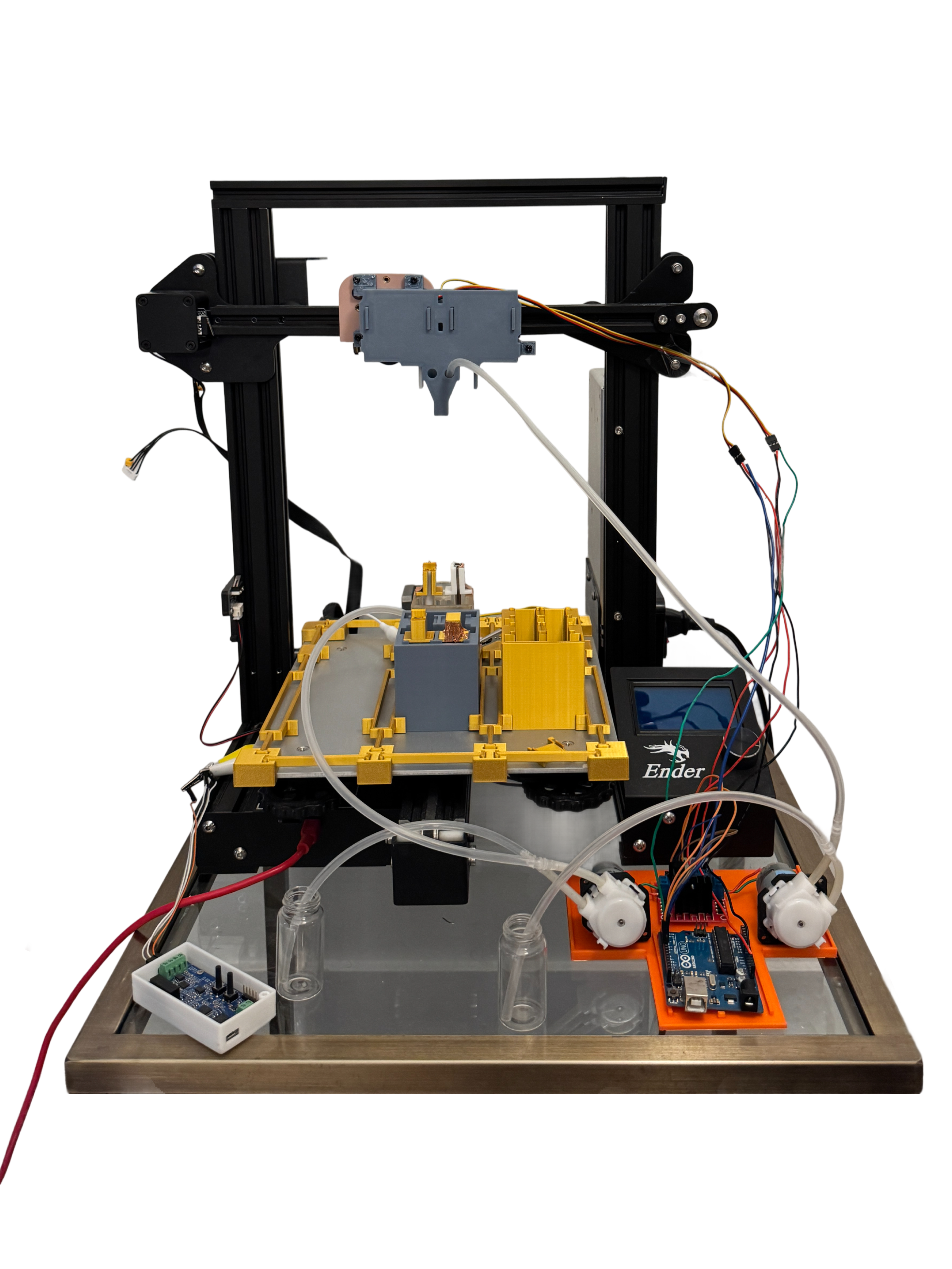 Figure 1: Complete setup of the robot
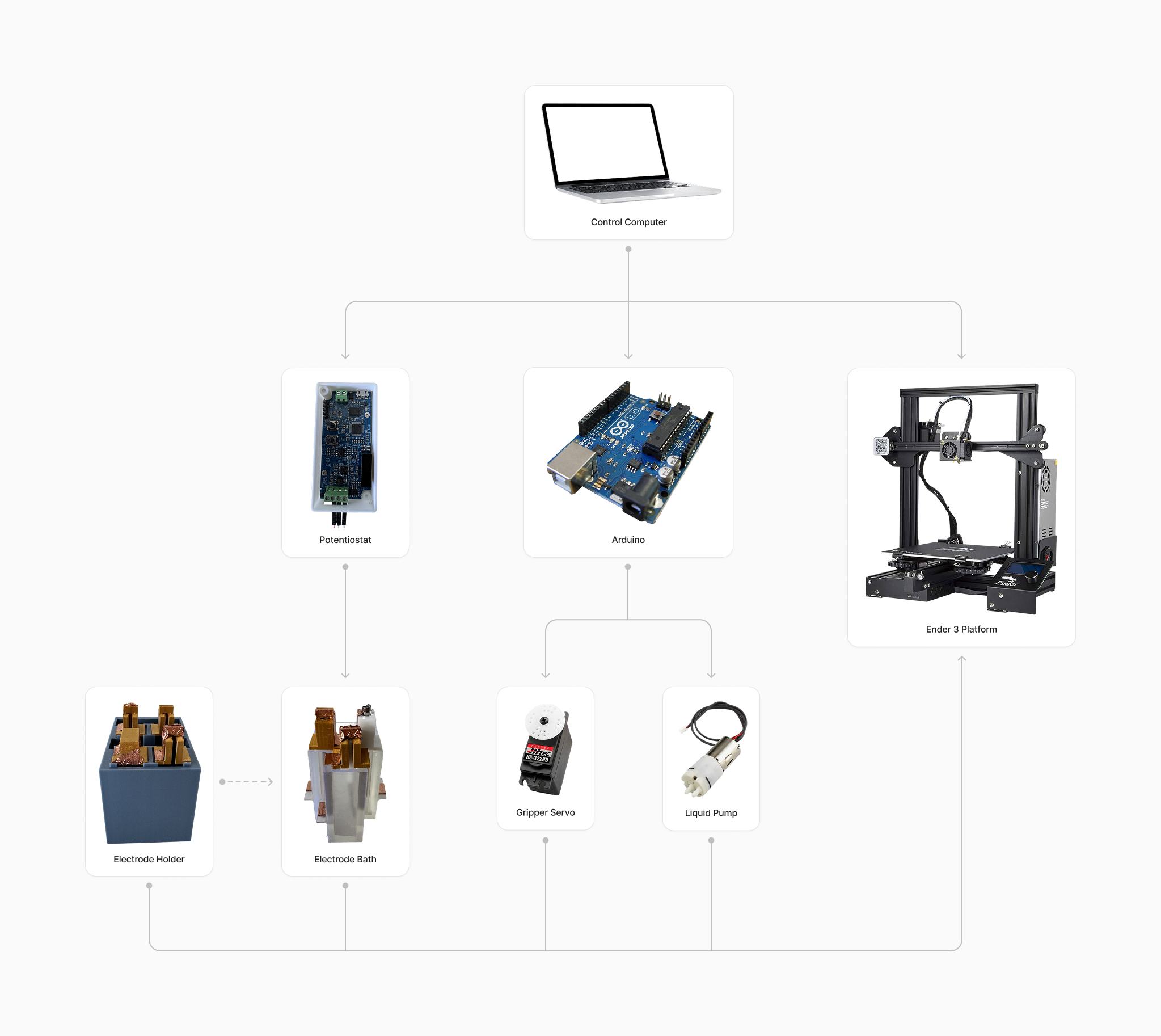 Figure 2: Schematic diagram of the robot's key components
Automated electrochemical testing system that combines a modified 3D printer with electrochemical measurement capabilities. The purpose of this robot is to enable high-throughput electrochemical research under $400.
The system features:
Important: If you are using Ender 3 Pro gantry, power on the 3D printer gantry first, then connect the USB cable. Othwerwise the homing is not guaranteed to succeed.
devices.jsonExamples of data collected by the system:
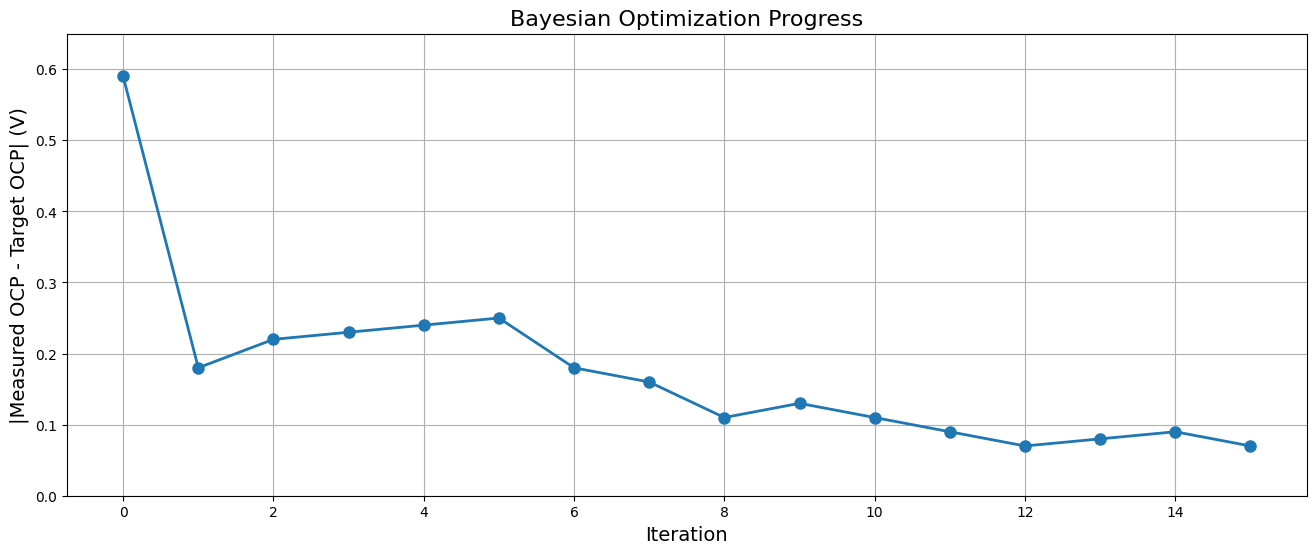 Figure 7: Bayesian optimization progress showing error convergence for target potential of -0.1V
The optimization process iteratively adjusts vinegar concentration while measuring the resulting potential difference, converging on the optimal conditions with minimal experimental trials.
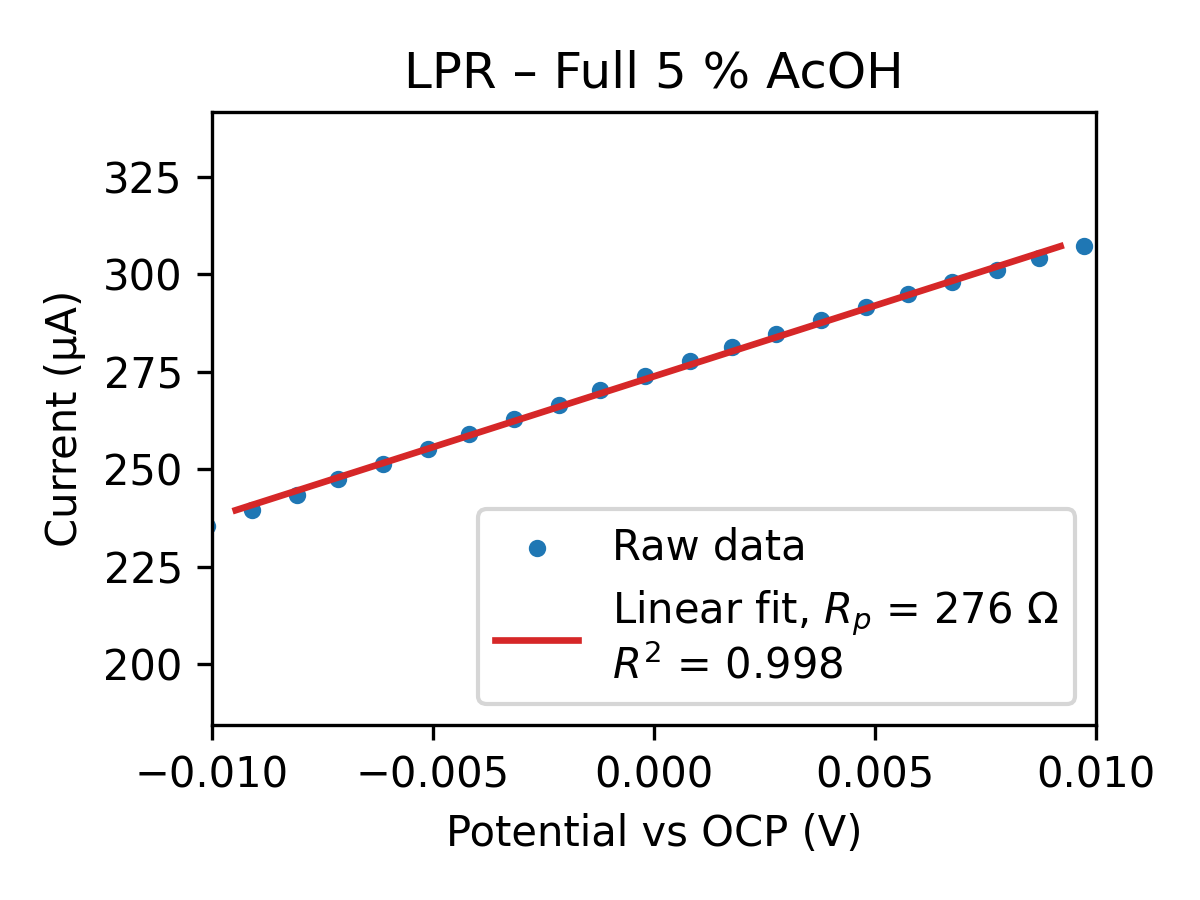 Figure 5: LPR measurement in full 5% Acetic Acid (Rp = 276 Ω)
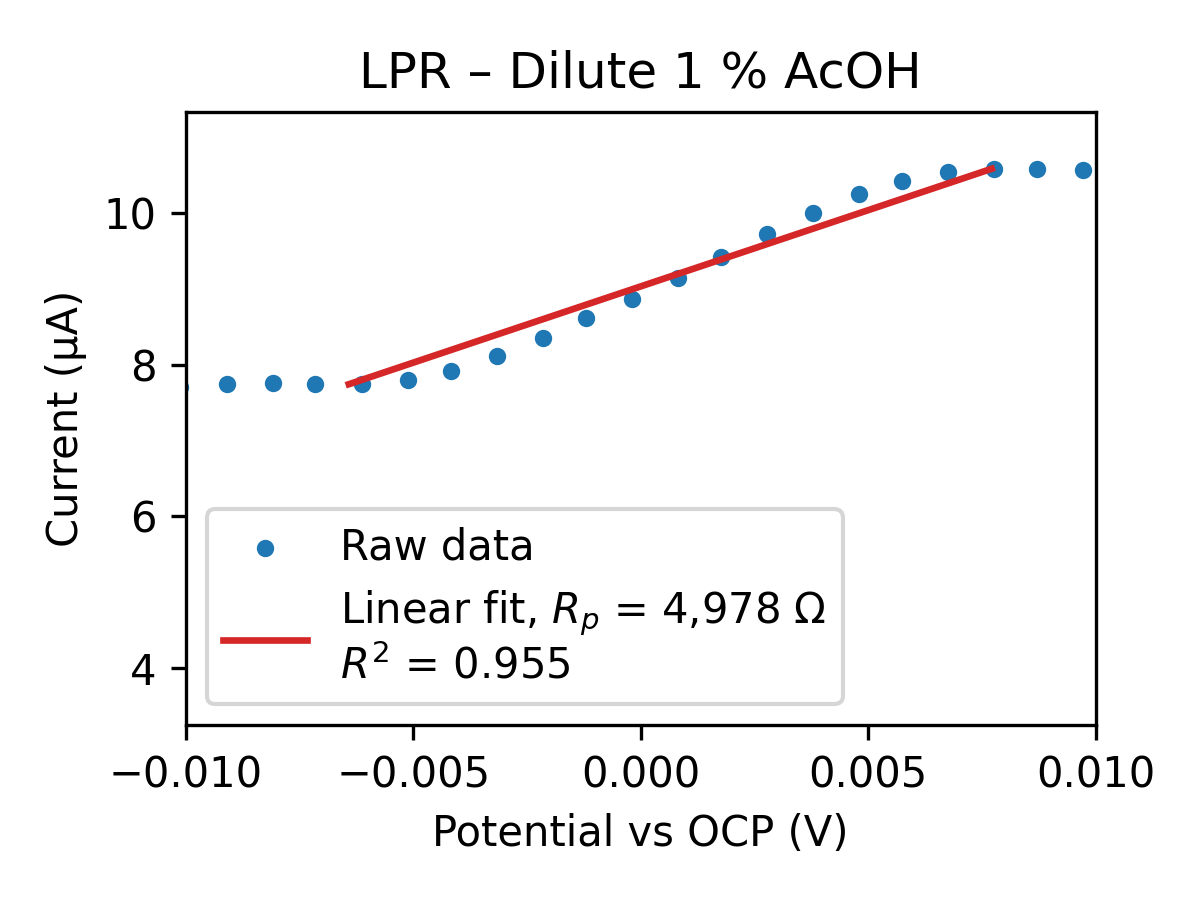 Figure 6: LPR measurement in dilute 1% Acetic Acid (Rp = 4,978 Ω)
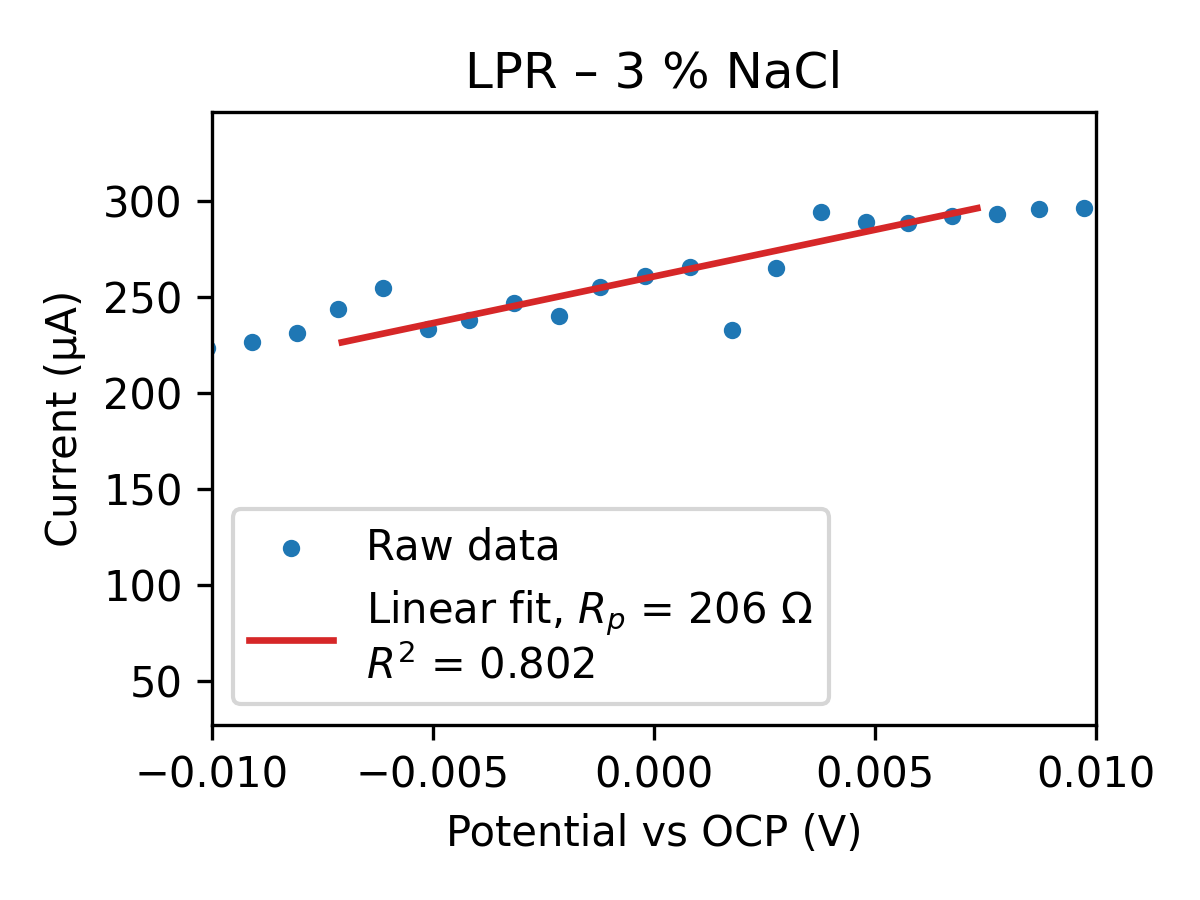 Figure 3: LPR measurement in 3% NaCl solution (Rp = 206 Ω)
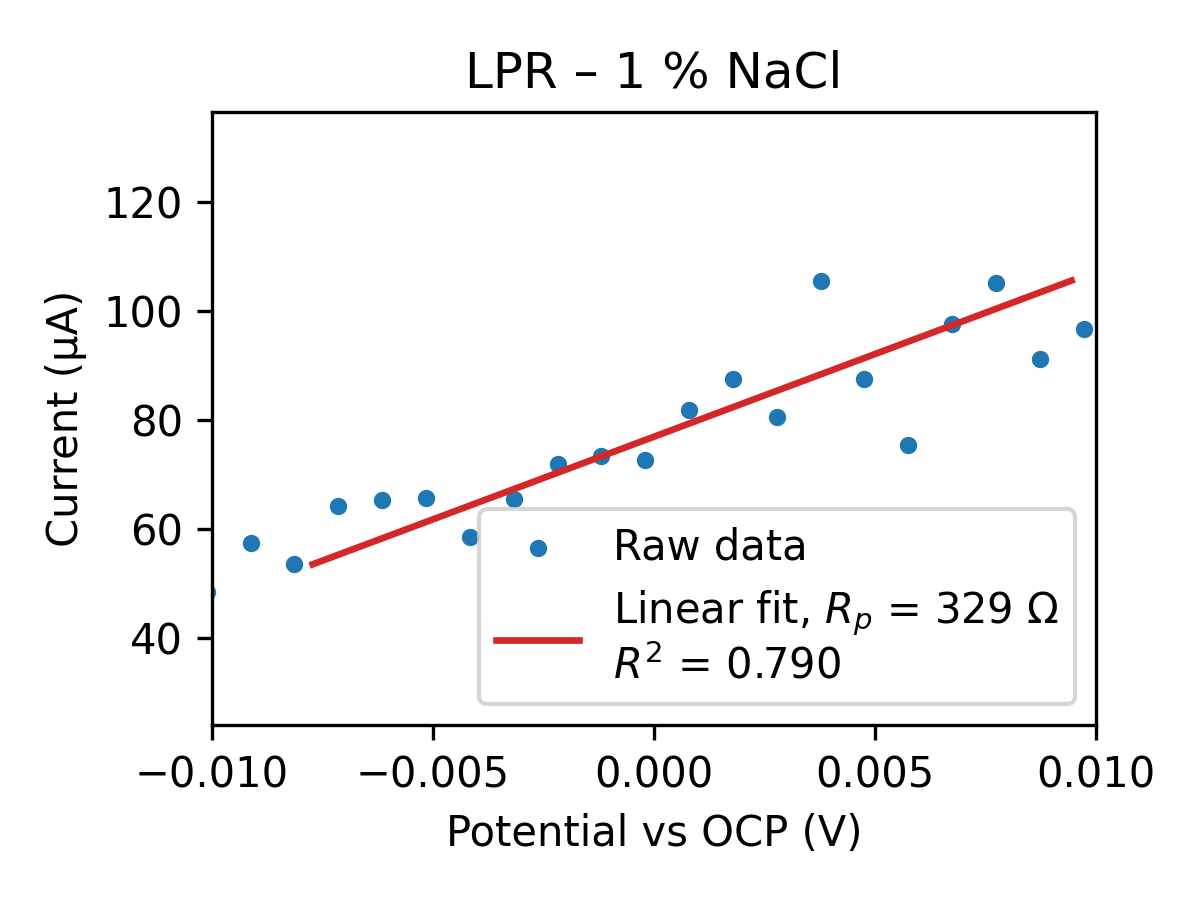 Figure 4: LPR measurement in 1% NaCl solution (Rp = 329 Ω)
| Qty | Value | Footprint | References |
|---|---|---|---|
| 4 | CONN HEADER VERT 3POS 2.54MM | lib:HDRV3W64P0X254_1X3_762X250X952P | U13, U16, U20, U21 |
| 4 | Wurth Elektronik WL-SMCW 520 nm Green LED, 1608 (0603) Clear SMD package | lib:LEDC1608X80N | U5, U6, U22, U23 |
| 3 | 100mW Thick Film Resistors 75V ±100ppm/℃ ±1% 390Ω 0603 Chip Resistor - Surface Mount ROHS | lib:R0603 | R1, R3, R4 |
| 3 | CONN HEADER VERT 6POS 2.54MM | lib:HDRV6W64P0X254_1X6_1524X250X952P | U7, U10, U19 |
| 3 | PCB terminal block, nominal current: 13.5 A, rated voltage (III/2): 400 V, nominal cross section: 1.5 mm?, Number of potentials: 2, Number of rows: 1, Number of positions per row: 2, product range: MKDSN 1,5, pitch: 5.08 mm, connection method: Screw connection with tension sleeve, mounting: Wave soldering, conductor/PCB connection direction: 0 ?, color: green, Pin layout: Linear pinning, Solder pin [P]: 3.5 mm, type of packaging: packed in cardboard | lib:1729128 | U3, U9, U12 |
| 2 | Conn Unshrouded Header HDR 8 POS 2.54mm Solder ST Thru-Hole | lib:HDRV8W64P0X254_1X8_2032X250X888P | U8, U11 |
| 2 | Nichicon 470F 25V dc Aluminium Electrolytic Capacitor, Through Hole 10 (Dia.) x 16mm +105C 10mm 5mm | lib:CAPPRD500W60D1025H1750 | U15, U18 |
| 2 | SMD Comm X7R, Ceramic, 0.1 uF, 20%, 50 VDC, 125 VDC, 125C, -55C, X7R, SMD, MLCC, Temperature Stable, Class II, 2.5 % , 5 GOhms, 7.3 mg, 0603, 1.6mm, 0.8mm, 0.8mm, 0.7mm, 0.35mm, 4000, 78 Weeks, 80 | lib:C0603 | U14, U17 |
| 1 | 100mW Thick Film Resistors 75V ±100ppm/℃ ±1% 1.8kΩ 0603 Chip Resistor - Surface Mount ROHS | lib:R0603 | R2 |
| 1 | CONN HEADER VERT 2POS 2.54MM | lib:HDRV2W64P0X254_1X2_508X250X850P | U4 |
| 1 | Cap Ceramic 10uF 16V X7R 10% Pad SMD 1206 125C T/R | lib:CAPC3216X180N | U2 |
| 1 | Rubycon 100uF 25 V dc Aluminium Electrolytic Capacitor, YXJ Series 5000h 5 Dia. x 11mm | lib:CAPPRD200W50D550H1250 | U1 |

hackclub/OnBoard
💡 Join 1,000 teenagers and make your first PCB with a $100 grant!


CRImier/MyKiCad
My KiCad boards. Can't be bothered uploading individually anymore, so here you go.

pjgpetecodes/pico-streamdeck
This project is an OBS Controller using a Raspberry Pi Pico and CircuitPython.

freeDSP/freeDSP-aurora
freeDSP ADAU1452 with 8 analog input, 8 analog outputs, S/P-DIF I/O, ADAT I/O, USB Audio Class2, WiFi, Bluetooth

ugcs/ddc
Drone Show Software is software designed for drone shows, allowing flight path planning as well as control of dozens of drones simultaneously in a synchronized manner.
It measures 136.5 × 31 mm and has 2 copper layers, 1.6 mm thick.
27 parts. The full list of its parts is on this page, with links to each part's symbol and footprint where PCBKit's library has them.
From the kir486680/Open-Science-Bot repository on GitHub, at the commit this page was made from: the board is Electrical/KiCadPCB/sdl_breakout.kicad_pcb and its schematic Electrical/AtopilePCB/87606-408LF/elec/layout/default/87606_408lf.kicad_sch. PCBKit opens the board in the browser, with nothing to install.
Its repository states no licence, so its author keeps all rights: ask kir486680 before reusing the design.