2 layers37 × 19 mm
Passive rpi hub75-adapter
hzeller/rpi-rgb-led-matrix
Controlling up to three chains of 64x64, 32x32, 16x32 or similar RGB LED displays using Raspberry Pi GPIO
2 parts4.4kGPL-2.0

 hyrodium/display-auto-rotator1
Rotate display with Raspberry Pi Pico and accelaration sensor
Display auto rotator is an open-source printed circuit board by hyrodium, from the hyrodium/display-auto-rotator repository on GitHub, published under the MIT licence. It is a 2-layer board of 22.5 × 110.8 mm with 2 parts on 36 nets, routed with 12 tracks and 0 vias.
It belongs with the lEDs and displays boards and the RP2040 boards of this library.
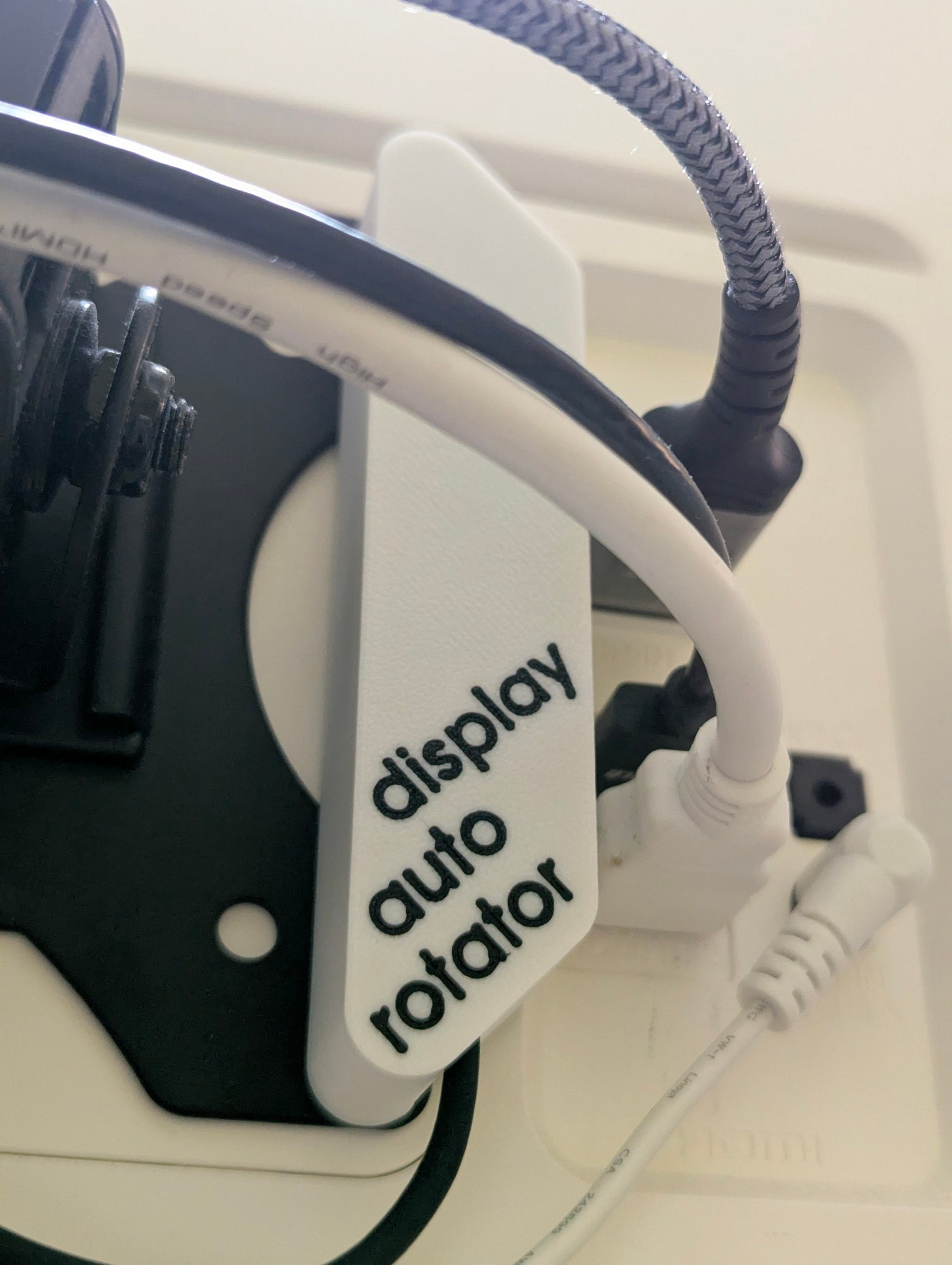
Rotate display automatically!
graph LR
  ACC["Accelaration sensor MMA7361LC"]
  PICO["Raspberry Pi Pico as HID keyboard"]
  PC["PC (Linux)"]
  ACC -->|Analog signal| PICO
  PICO -->|"hotkey to run xrandr"| PC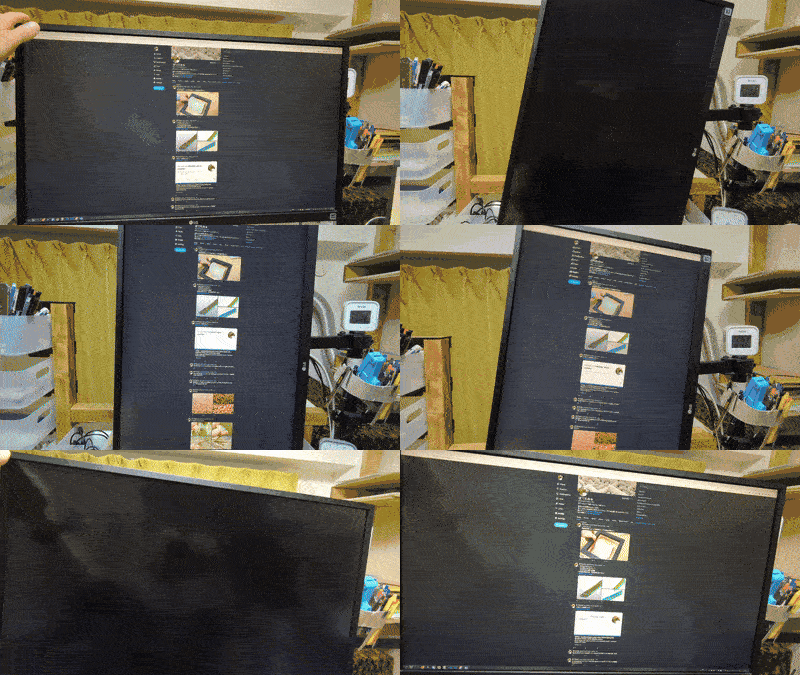
See more at https://bsky.app/profile/hyrodium.bsky.social/post/3ln6qdv3mbs2j.
For example, you can setup the hotkeys like this in KDE Plasma environment.
Meta+Ctrl+Home: xrandr --output DP-0 --rotate leftMeta+Ctrl+End: xrandr --output DP-0 --rotate rightMeta+Ctrl+Up: xrandr --output DP-0 --rotate normal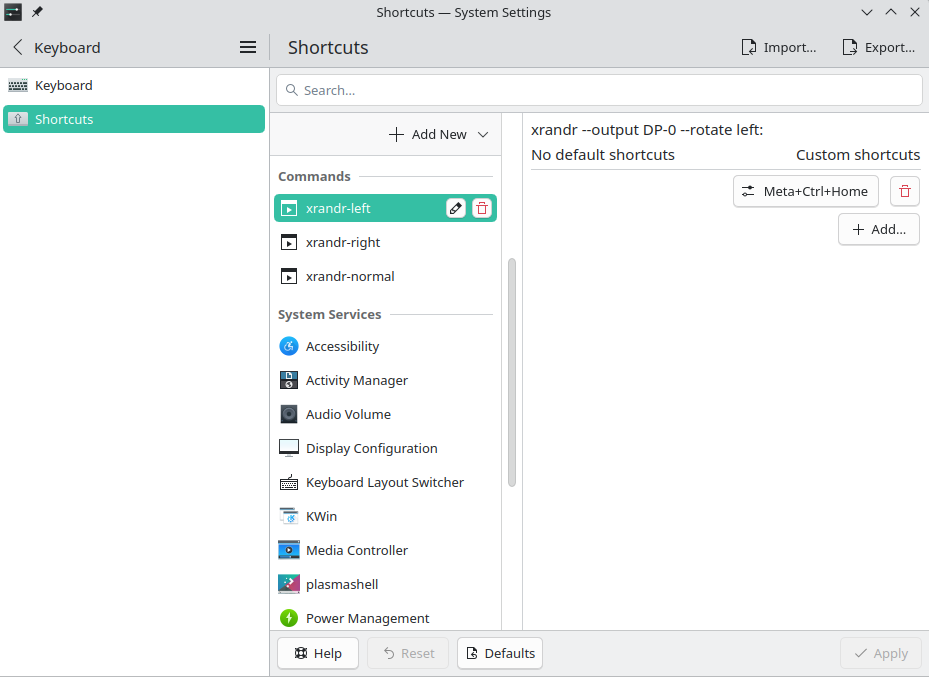
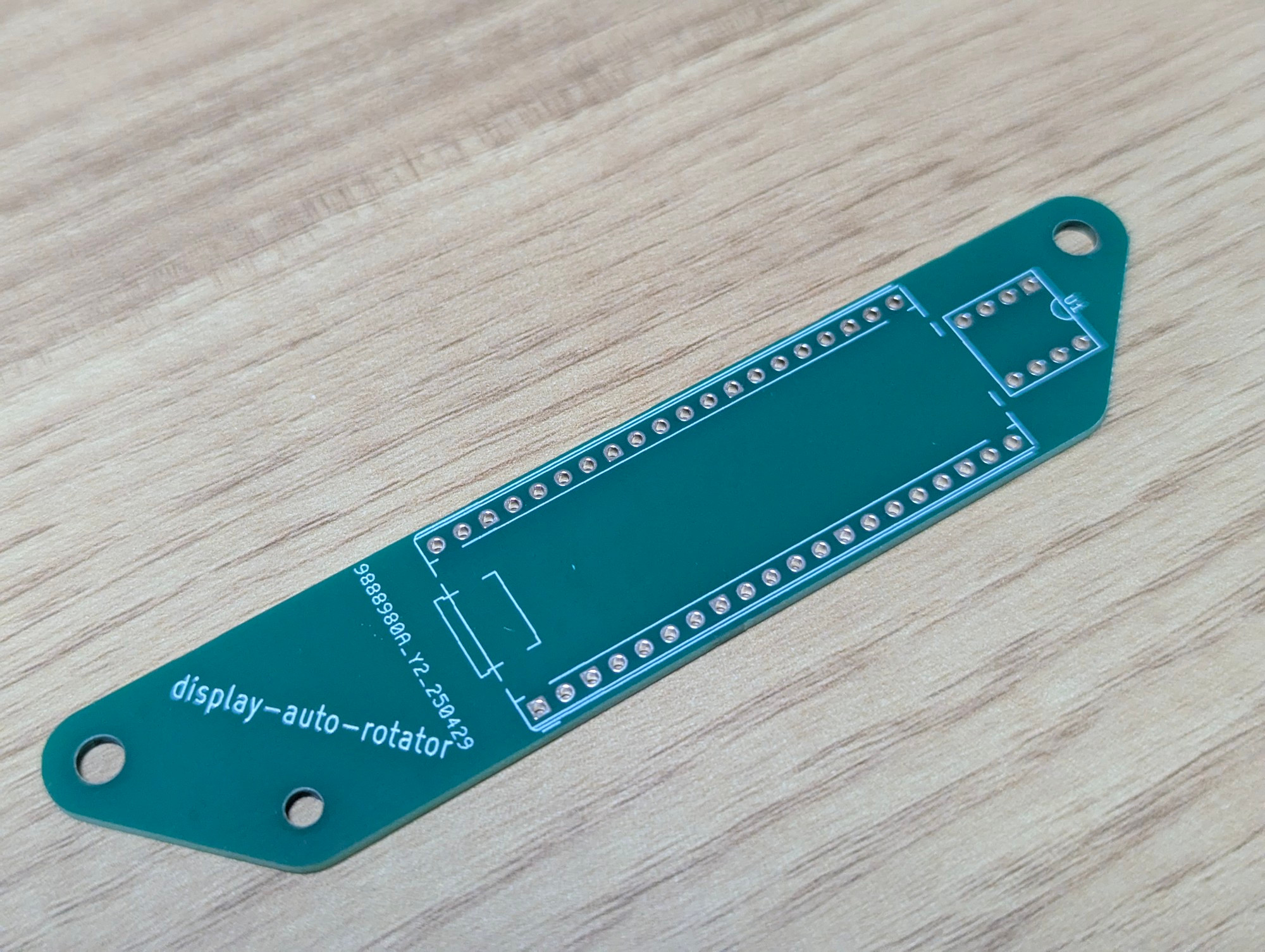
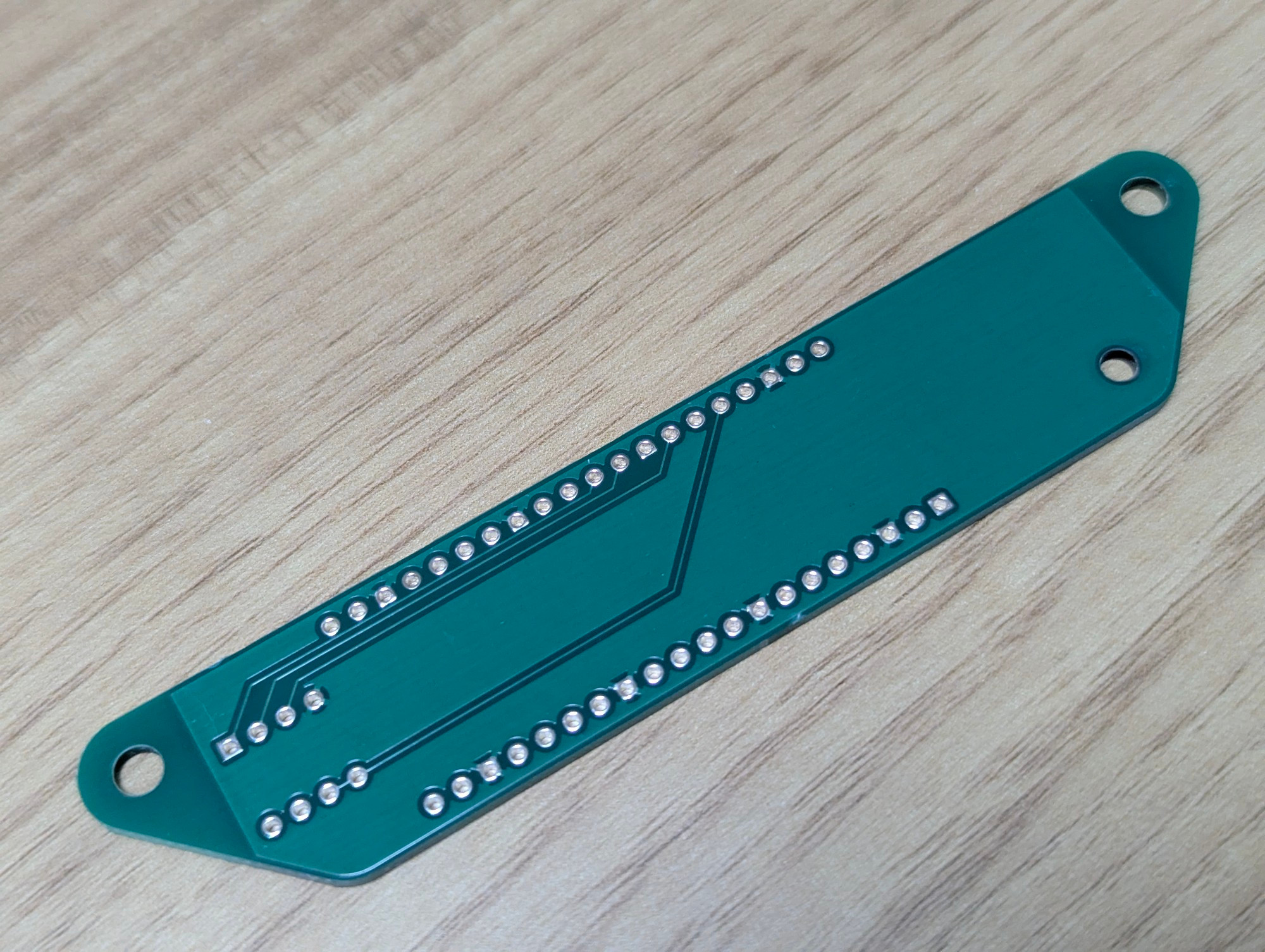
Print STL files in display-auto-rotator_3dp directory.
https://www.thingiverse.com/thing:7035134
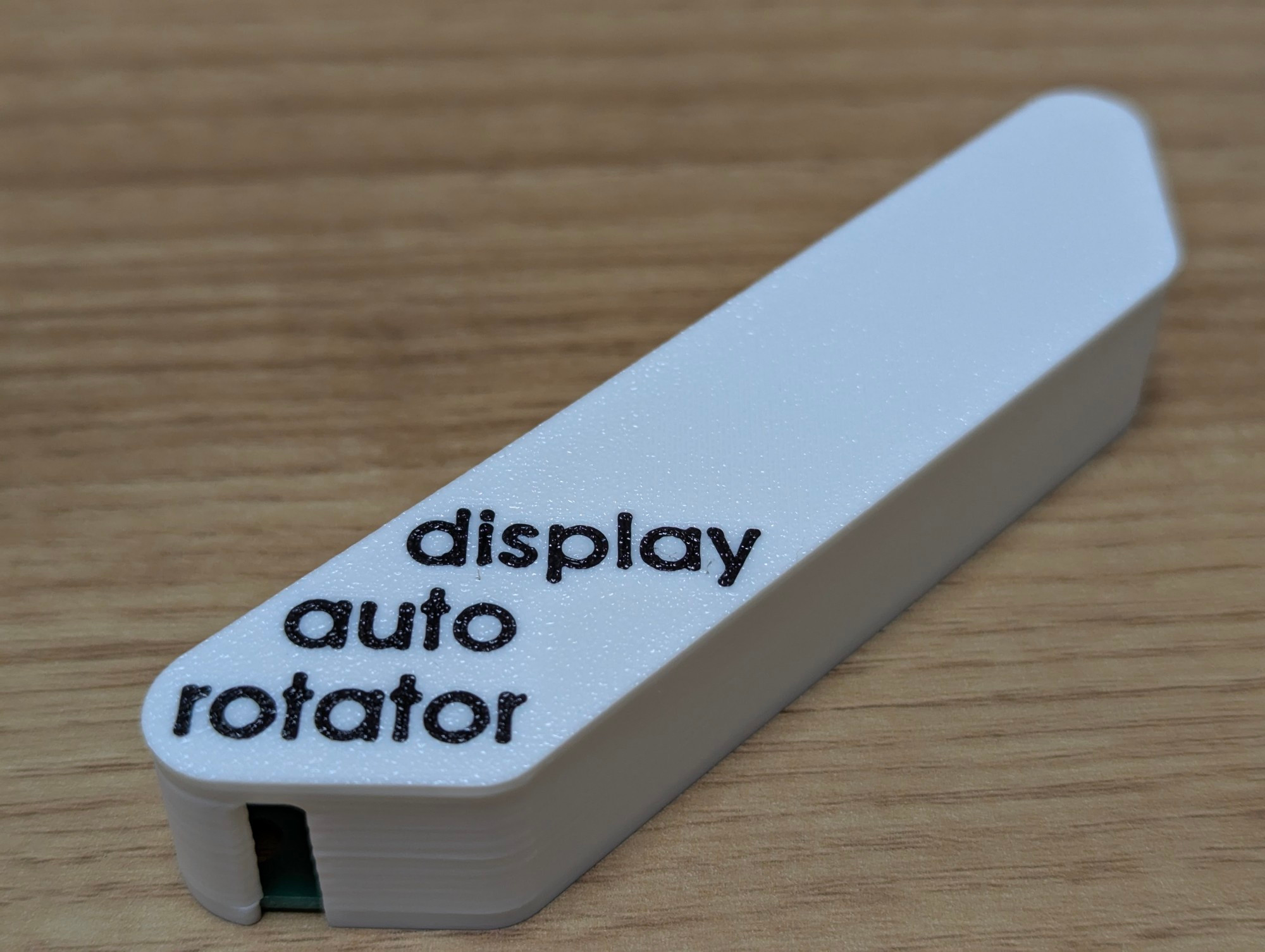
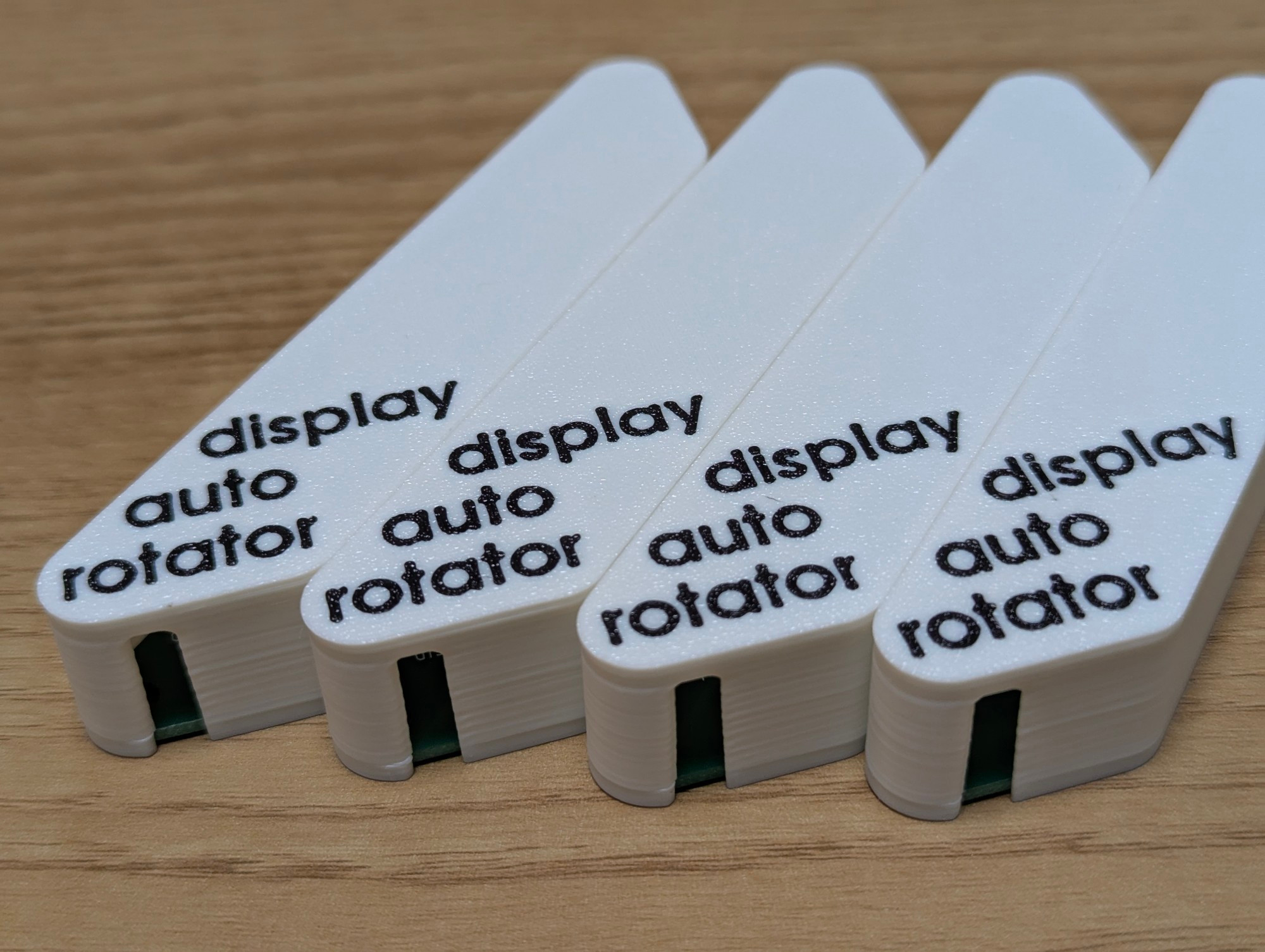
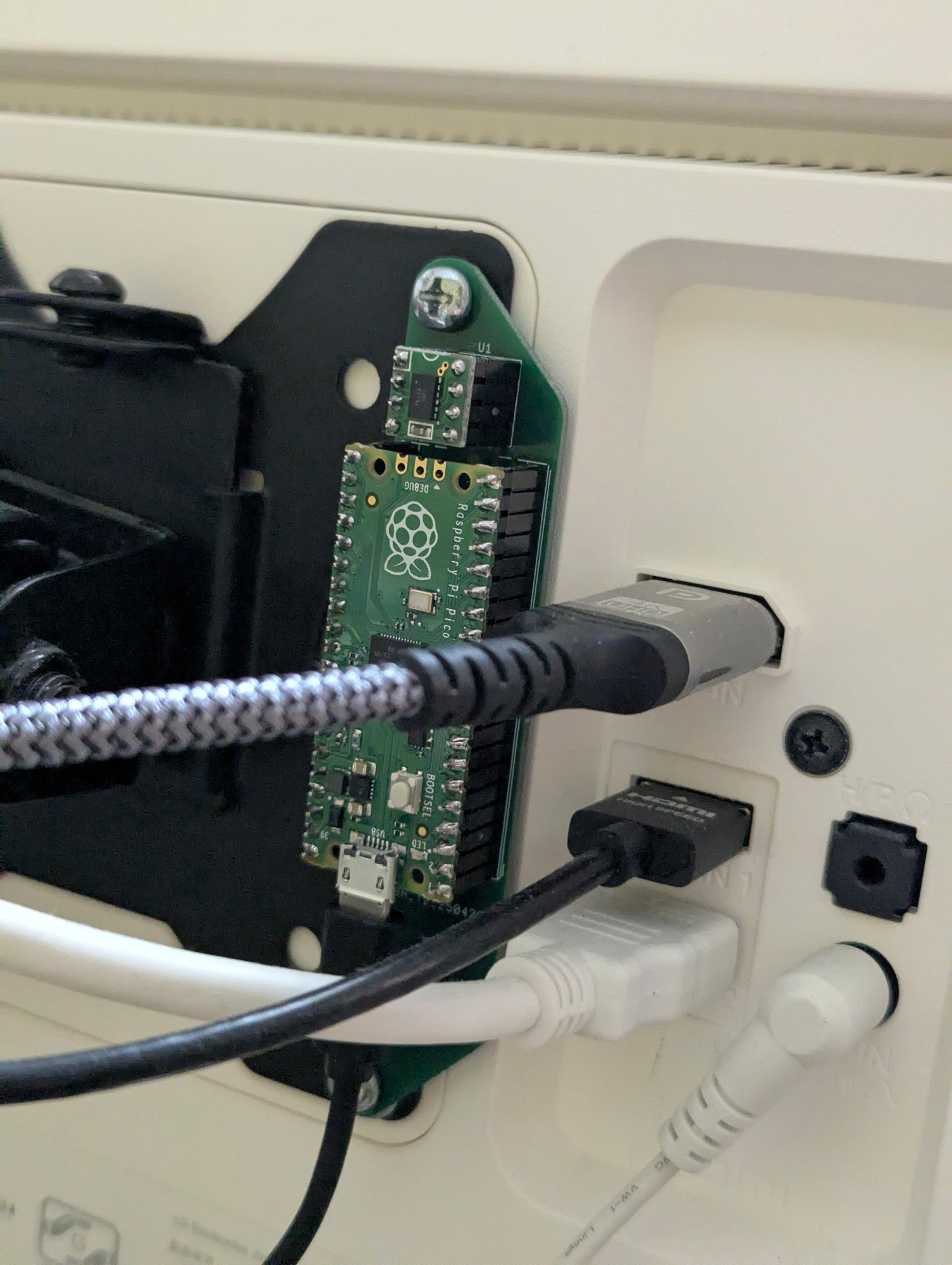
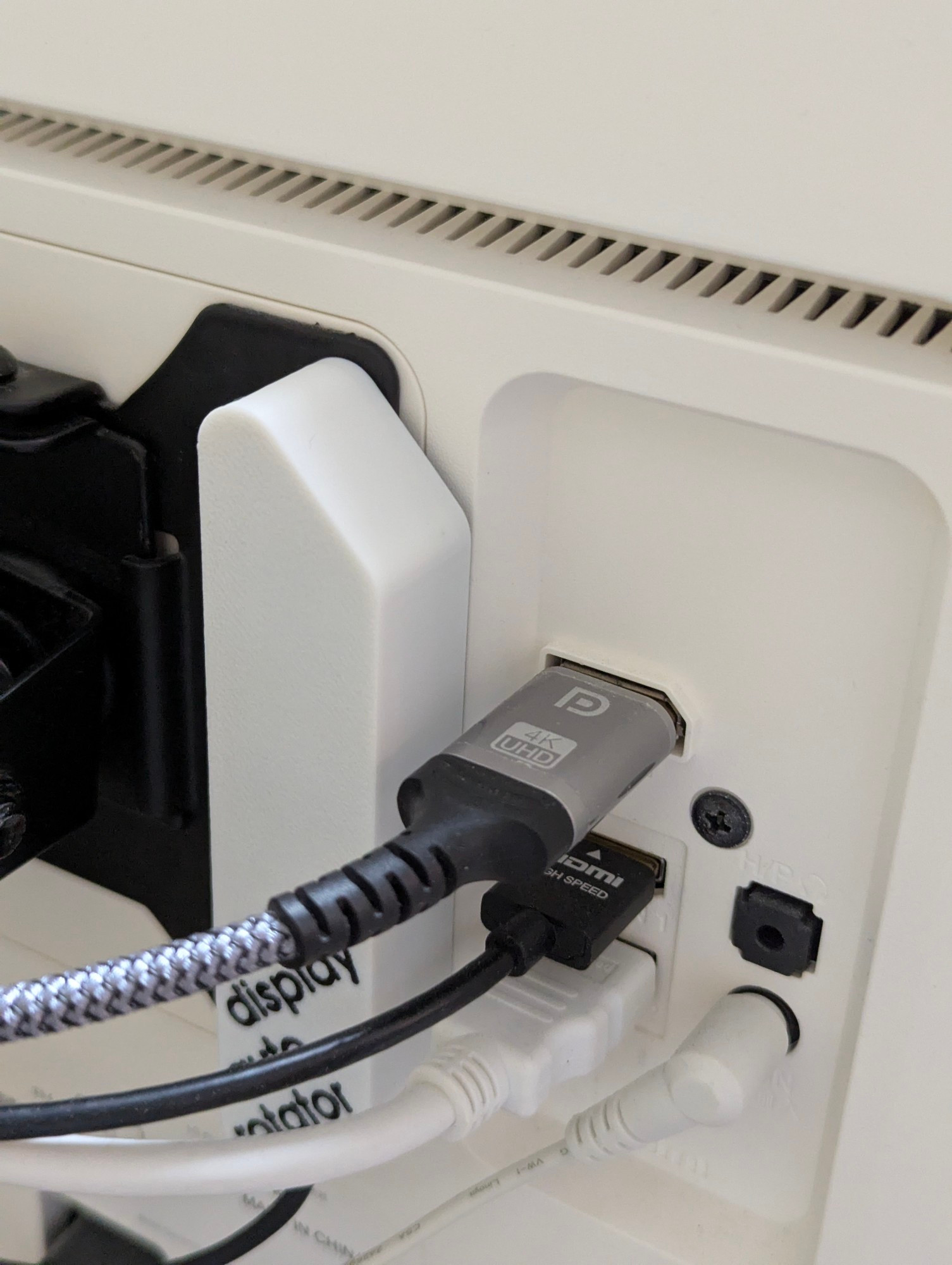
CIRCUITPY/lib/adafruit_hid
CIRCUITPY/code.py
CIRCUITPY/boot.py
| Qty | Value | Footprint | References |
|---|---|---|---|
| 1 | RaspberryPi_Pico | Module:RaspberryPi_Pico_Common_THT | A1 |
| 1 | ~ | MyLibrary:MMA7361LC_module | U1 |
hzeller/rpi-rgb-led-matrix
Controlling up to three chains of 64x64, 32x32, 16x32 or similar RGB LED displays using Raspberry Pi GPIO


adamws/kicad-kbplacer
KiCad plugin for automatic keyboard's key placement and routing

Luos-io/luos_engine
Open-source and real-time orchestrator for cyber-physical-systems, to easily design, test and deploy embedded applications and digital twins.

NVNTLabs/switch2-SDEX2M2
Micro SD Express to M.2 NVME Adapter for Nintendo Switch 2

BlueSCSI/BlueSCSI-v2
BlueSCSI v2/Ultra - an open source, open hardware, SCSI emulator using the Pi Pico PR2040 and Pico 2 RP2350

ohmtech-rdi/eurorack-blocks
Software to Hardware Prototyping for Eurorack using C++, Max/Gen~ or Faust

It measures 22.5 × 110.8 mm and has 2 copper layers, 1.6 mm thick.
2 parts. The full list of its parts is on this page, with links to each part's symbol and footprint where PCBKit's library has them.
From the hyrodium/display-auto-rotator repository on GitHub, at the commit this page was made from: the board is display-auto-rotator_pcb/display-auto-rotator.kicad_pcb and its schematic display-auto-rotator_pcb/display-auto-rotator.kicad_sch. PCBKit opens the board in the browser, with nothing to install.
Its repository publishes it under the MIT licence: you may reuse it on that licence's terms (keep the author's notice, and for a copyleft licence share your changes alike).