2 layers26.2 × 34.6 mm

 dotmote/sapflow6
Opensource Sapflow
D32 sapflow rtc is an open-source printed circuit board by dotmote, from the dotmote/sapflow repository on GitHub. It is a 2-layer board of 25.6 × 77.8 mm with 4 parts on 35 nets, routed with 39 tracks and 6 vias.
It belongs with the radio and wireless boards of this library.
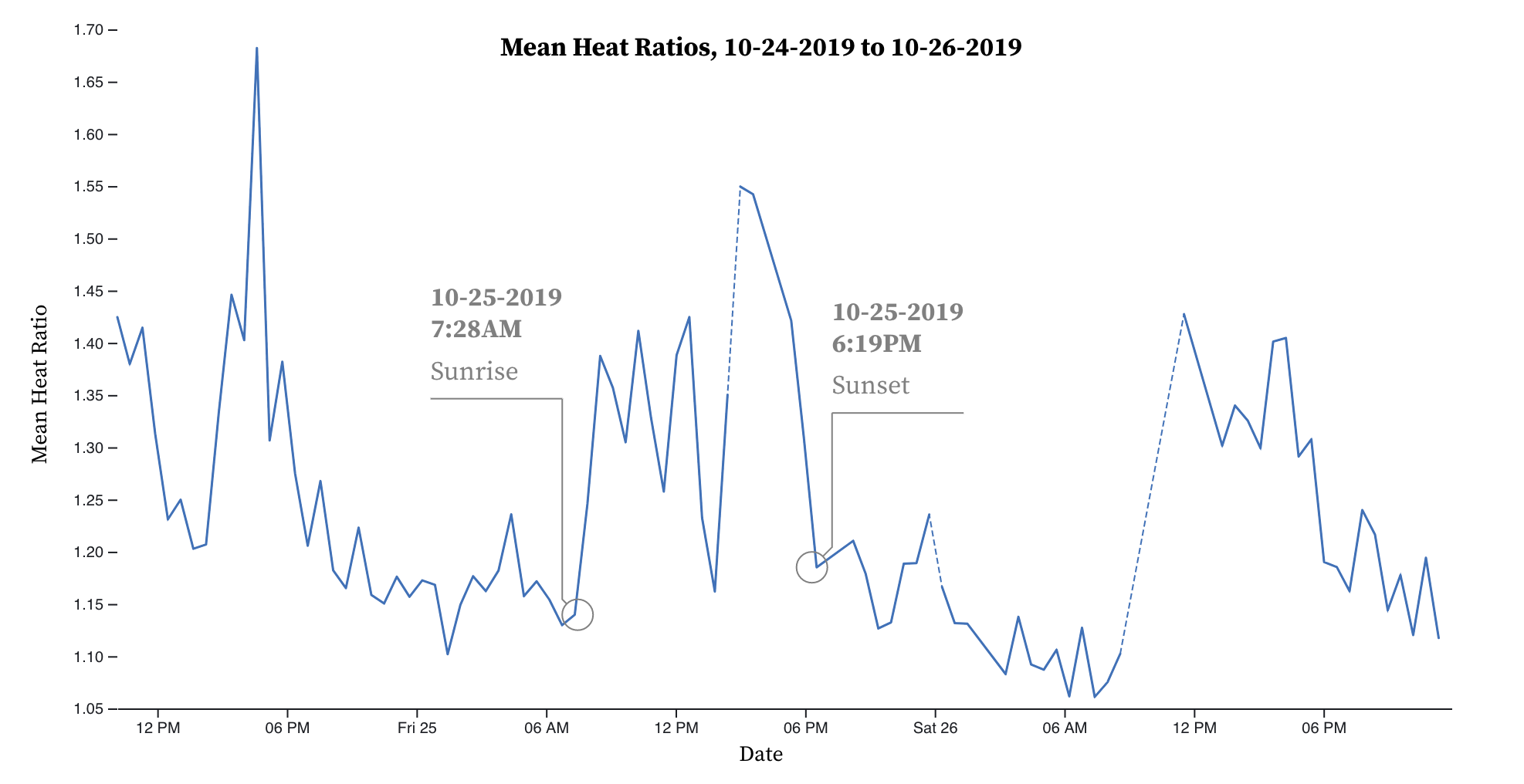
So you want to measure sapflow in plants? You and me both, buddy. The goal of this project is to create an open-source, accurate, robust, low-cost, and low-power system to help answer the age-old question: "How is my plant doing?"
Take a look at the hardware and software sections below for instructions on what you'll need to set up your own system and join in on improving the project.
First, you'll need a way to measure and record the temperature at two specific points (equidistant from a central heating element) along the stem of your plant:
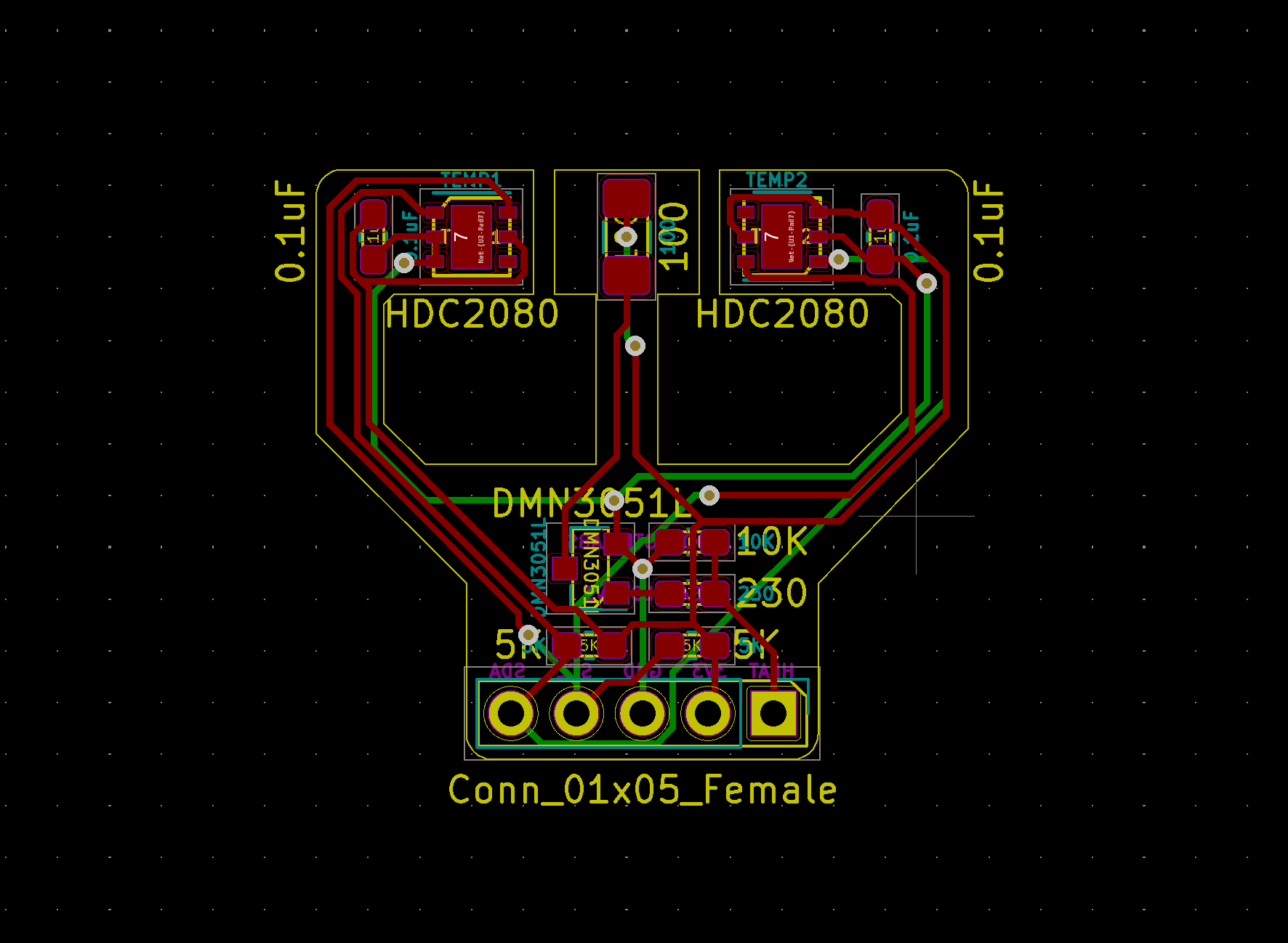
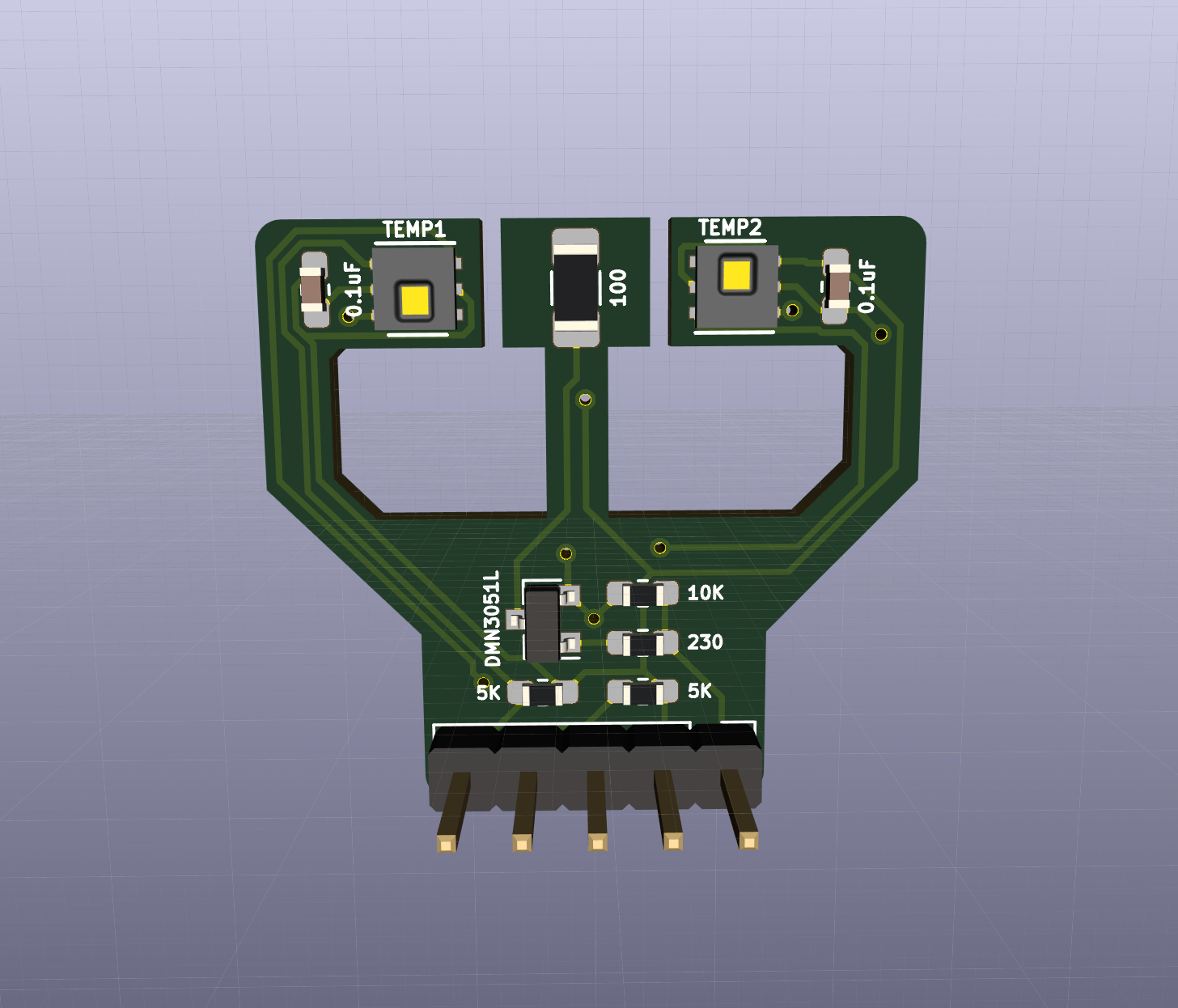
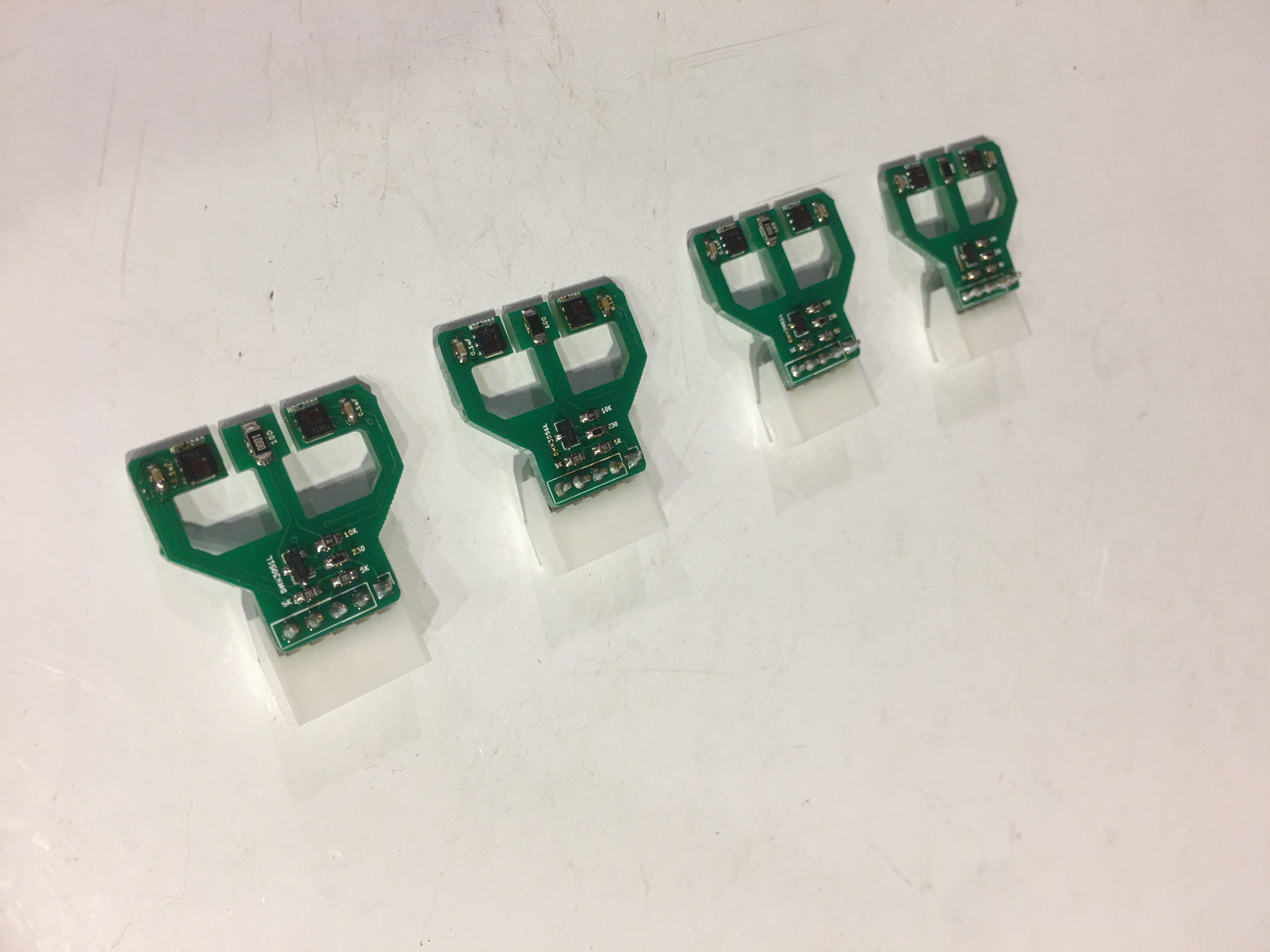
To build the gauge, you'll need: (1) the PCB; and (2) the components.
See here for the KiCad PCB files. Follow the directions from your favorite PCB fabrication service (e.g., OSHPark, JLCPCB, Seeed Studio, etc.), and order your desired quantity of PCBs.
See here for the parts list. Go to your favorite electronic components distributor (e.g., Digikey, Arrow, Mouser, etc.) and order your desired quantity of components.
Second, you'll need a microcontroller that has an available GPIO pin (3.3V to 5V) and can communicate via I2C. We've found the ESP32 (specifically, the LOLIN D32 Pro dev board) to be great for rapid prototyping with its relatively large onboard RAM, built-in WiFi, and low cost. For field experiments, it might make more sense to use a board with more low-power optimizations.
To reduce wiring, you might want to use a shield to interface your microcontroller with the sapflow gauge connector. See here for our shield design for the D32 Pro.
You'll need software running on your microcontroller to read data from the connected sapflow gauge. See here for the Arduino code we used for the D32 Pro.
If you're using microcontrollers with WiFi connectivity, it's very convenient to have all of the data streaming into a single place. We like using a Raspberry Pi as an MQTT broker, collecting data points from all of the networked sensor devices. See here for more info.
Visualize your hard-earned data with this Observable notebook.
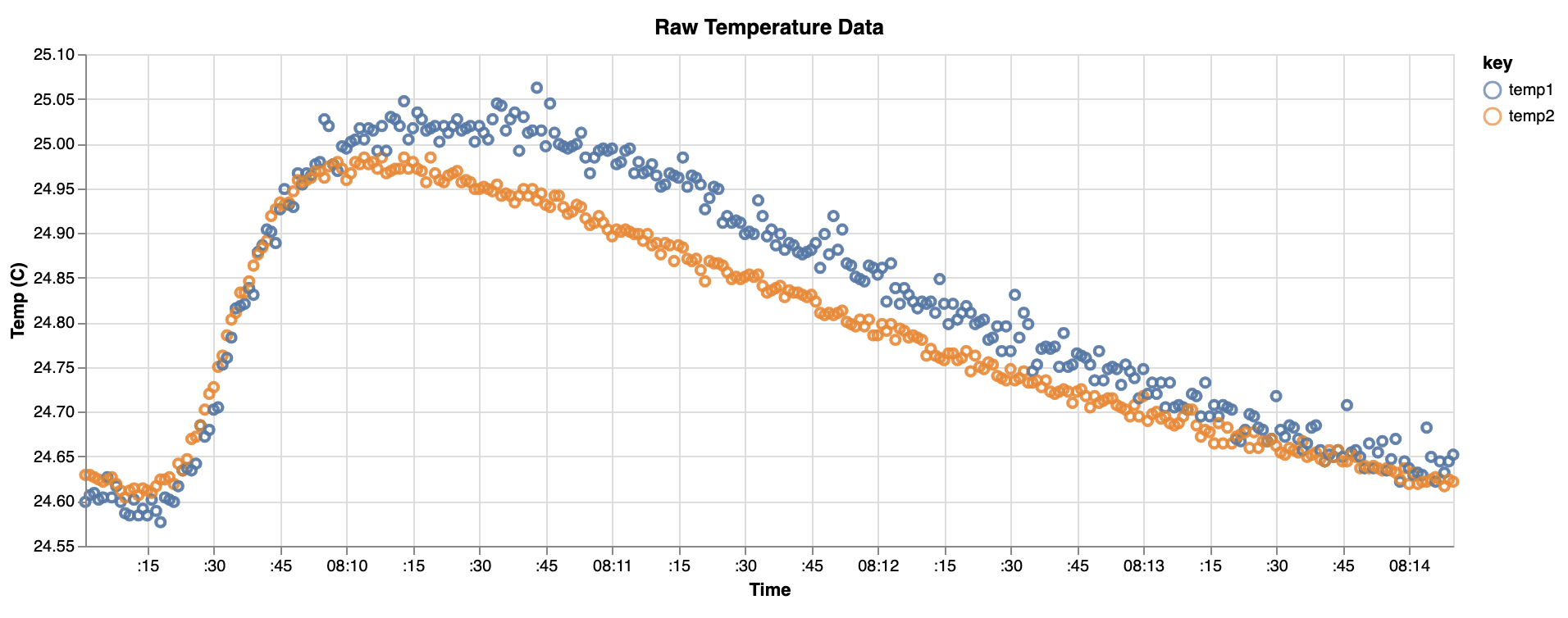
Raw data:
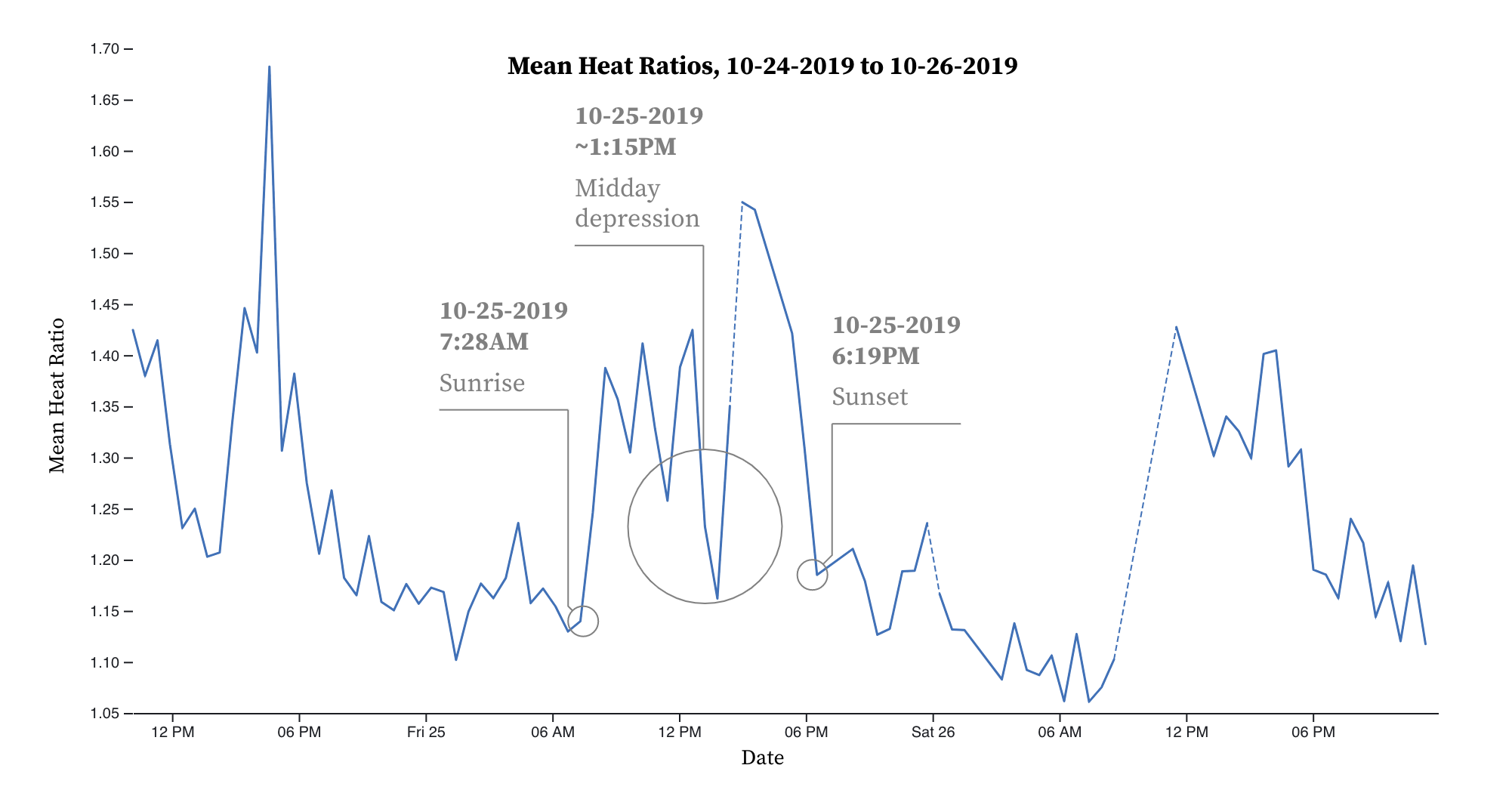
After processing:
We've stood on the shoulders of countless giants in working on this project. Below is a non-exhaustive list of the many previous efforts that we drew heavily from (let us know who we've missed and we'll make sure to add them):
| Qty | Value | Footprint | References |
|---|---|---|---|
| 1 | adafruit_ds3231 | adafruit:adafruit_ds3231 | U4 |
| 1 | d32_pro | wemos_d32:d32_pro | U2 |
| 1 | sapflow_gauge_5_pin | Connector_JST:JST_EH_S5B-EH_1x05_P2.50mm_Horizontal | SAPFLOW GAUGE |
| 1 | soil_moisture_4_pin | Connector_PinSocket_2.54mm:PinSocket_1x04_P2.54mm_Horizontal | SOIL MOISTURE |

joypad-ai/joypad-os
Universal controller firmware for building adapters, dongles, and custom controllers.


hackclub/OnBoard
💡 Join 1,000 teenagers and make your first PCB with a $100 grant!

tardate/LittleArduinoProjects
a collection of "Little Electronic & Arduino Projects", most involving electronics or an Arduino in one way or another!

drandyhaas/KiCadRoutingTools
A set of Python/Rust tools to aid routing in KiCad

osy/XG_Mobile_Station
Open source eGPU dock for ROG Ally and ROG Flow

Luos-io/luos_engine
Open-source and real-time orchestrator for cyber-physical-systems, to easily design, test and deploy embedded applications and digital twins.

NVNTLabs/switch2-SDEX2M2
Micro SD Express to M.2 NVME Adapter for Nintendo Switch 2
It measures 25.6 × 77.8 mm and has 2 copper layers, 1.6 mm thick.
4 parts. The full list of its parts is on this page, with links to each part's symbol and footprint where PCBKit's library has them.
From the dotmote/sapflow repository on GitHub, at the commit this page was made from: the board is hardware/microcontroller_shield/d32_pro/kicad/d32_sapflow_rtc/d32_sapflow_rtc.kicad_pcb. PCBKit opens the board in the browser, with nothing to install.
Its repository states no licence, so its author keeps all rights: ask dotmote before reusing the design.