

2 layers
Nrf bga
github-linguist/linguist
Language Savant. If your repository's language is being reported incorrectly, send us a pull request!
12 parts14kMIT

To read Hoymiles inverters there is a nice project called OpenDTU which uses an ESP32 to talk to them.
OpenDTU is an open-source printed circuit board by dokuhn, from the dokuhn/openDTU-BreakoutBoard repository on GitHub. It is a 2-layer board of 50 × 50 mm with 12 parts on 36 nets, routed with 58 tracks and 101 vias.
Its parts include 2 ICs and 1 capacitor. It belongs with the ESP32 boards of this library.


To read Hoymiles inverters there is a nice project called OpenDTU which uses an ESP32 to talk to them.
To extend this project with a hardware component this small KiCAD board was created. With it it should be possible for the not experienced in soldering person to build an own OpenDTU easier. But also the possibility to add further ideas, like temperature sensors, display etc.. In a second step it is also possible to design a board with all the necessary components on it directly.
The first batch of 10 pieces is partially built and tested. Further tests will follow. Extensions of the board will be maintained in a second branch.
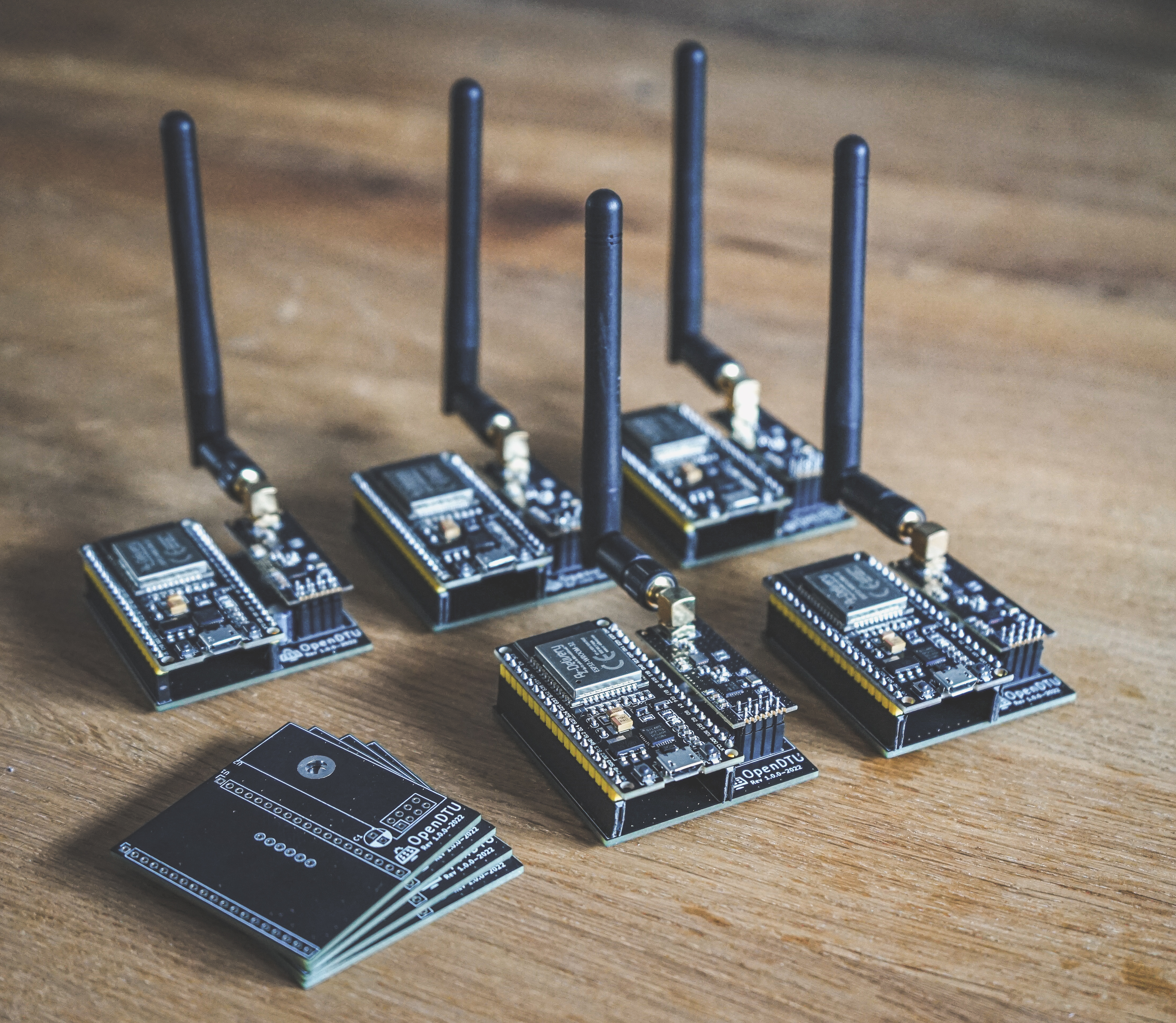
As you can see I am in the process of developing a SMT/SMD variant. To support the first 10-25 prototype boards you are welcome to make a donation. This donation should be used to compensate the material costs for components, boards and consumables (soldering paste, etc.). Through my membership in the Linux User Group Saar e.V. you support more than just me, you also support our community in similar creative and technical projects in the open source and open hardware domain.
-PayPal: 
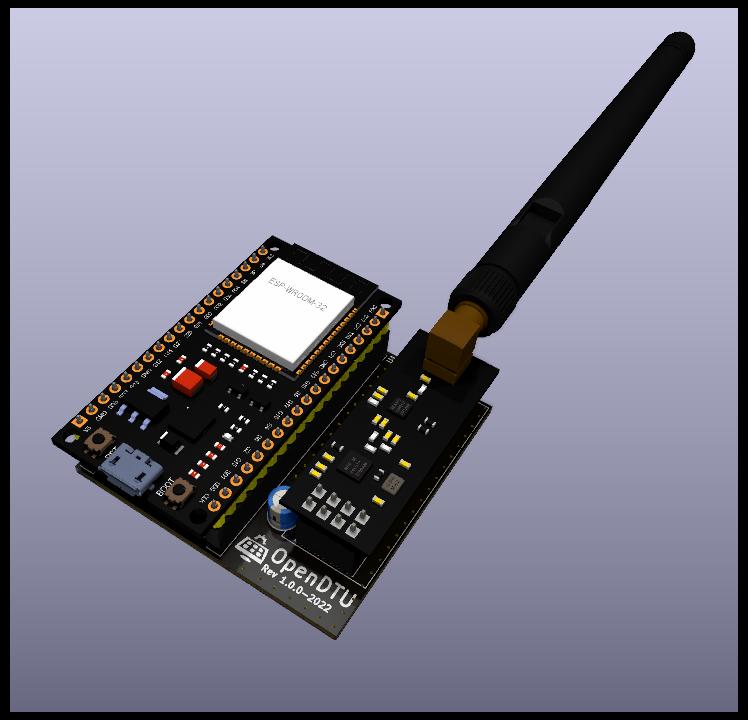
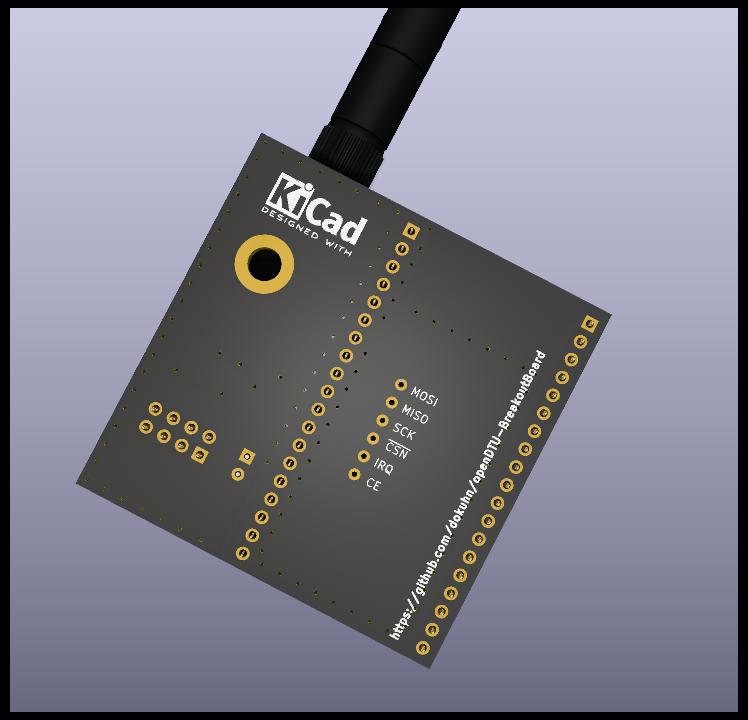
As described in the previous section, extensions or development stages are maintained in a separate branch. This section is to show exemplarily where the current developments are. Currently a SMD/SMT variant of the board is designed (see picture with the first placement). The SMT will make the board much smaller of course, so it will fit into small cases. All needed components for operation will be on the board.

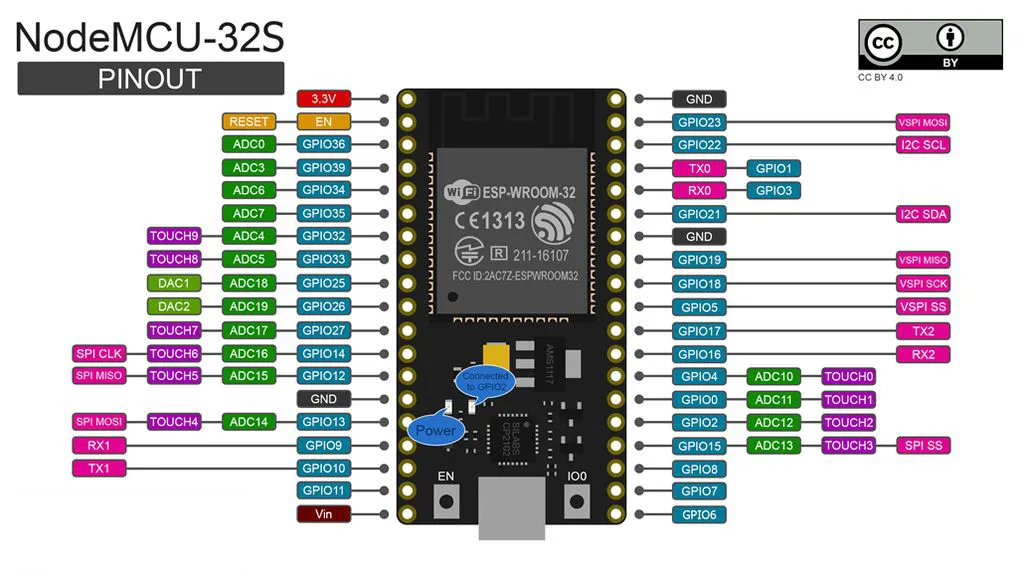
In principle, the hardware recommended here has been used in this project. Unfortunately there are many different variants, especially in the MCU boards, so that you must be very careful that your board is pin-compatible with the following figure.
As you can see in the graphics above, an electrolytic capacitor is placed between the two boards. This capacitor should be as close as possible to the NRF24L01+ radio board. The size of the capacity should not be larger than 100 uF, typically capacity like 10uF or 22uF are recommended. This also corresponds to the typical capacity in the AP1117 datasheets (keep in mind that the noboard capacity of the ESP32 board has to be added). The voltage stability has to be higher than 3.3V, so all common 5V, 6.3V, 6.5V, 10V, 25V or even 50V are more than enough.
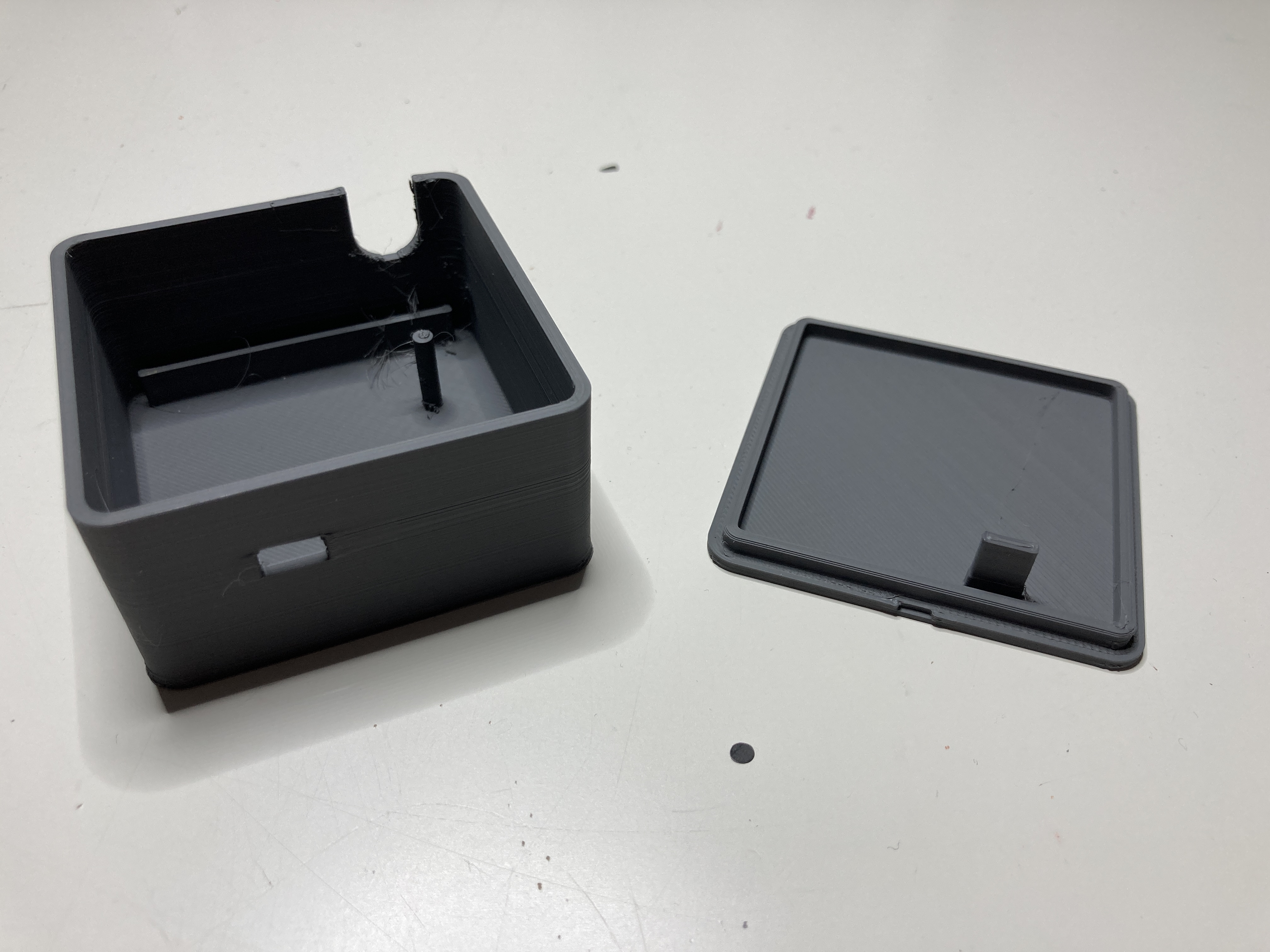
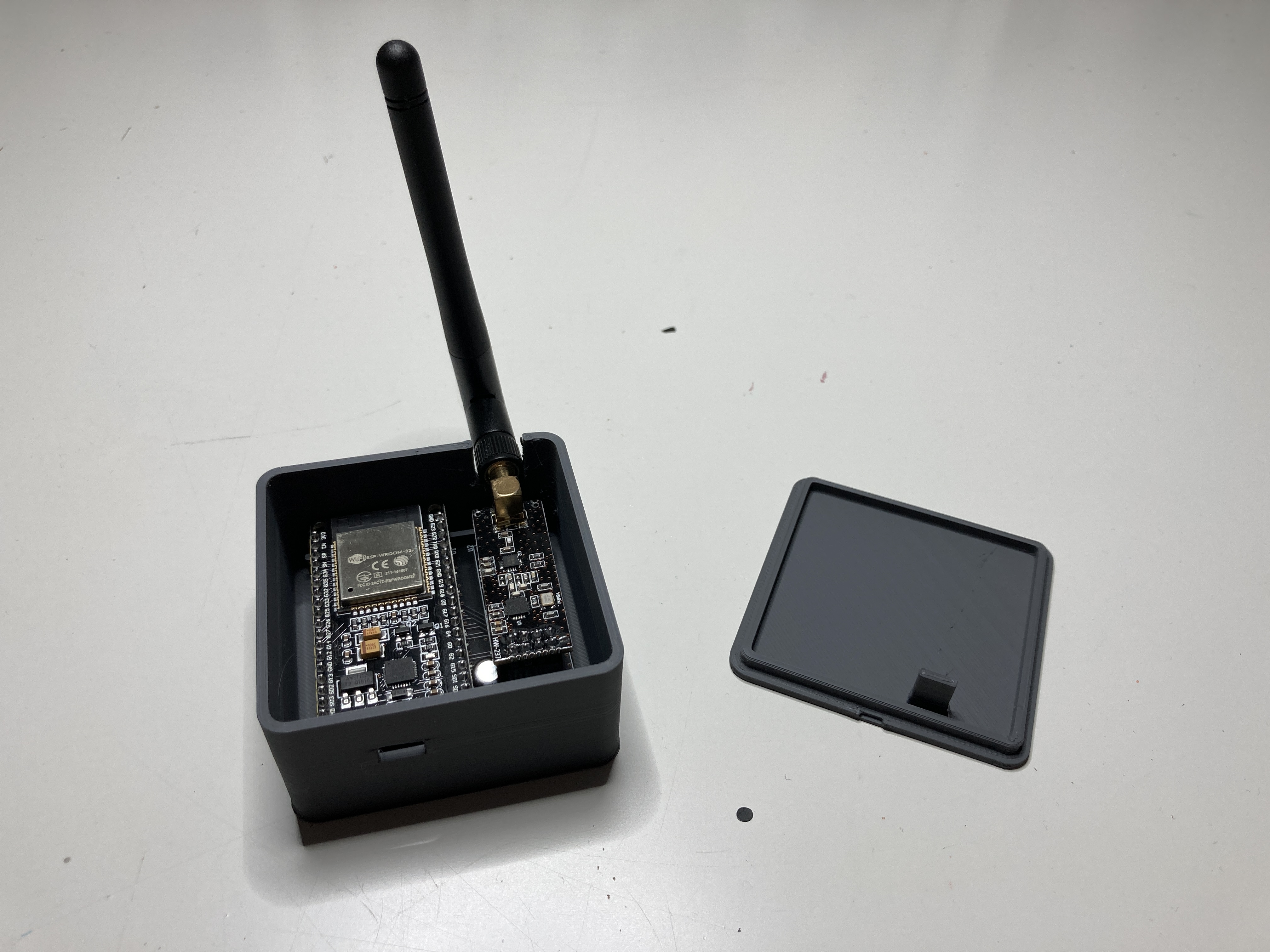
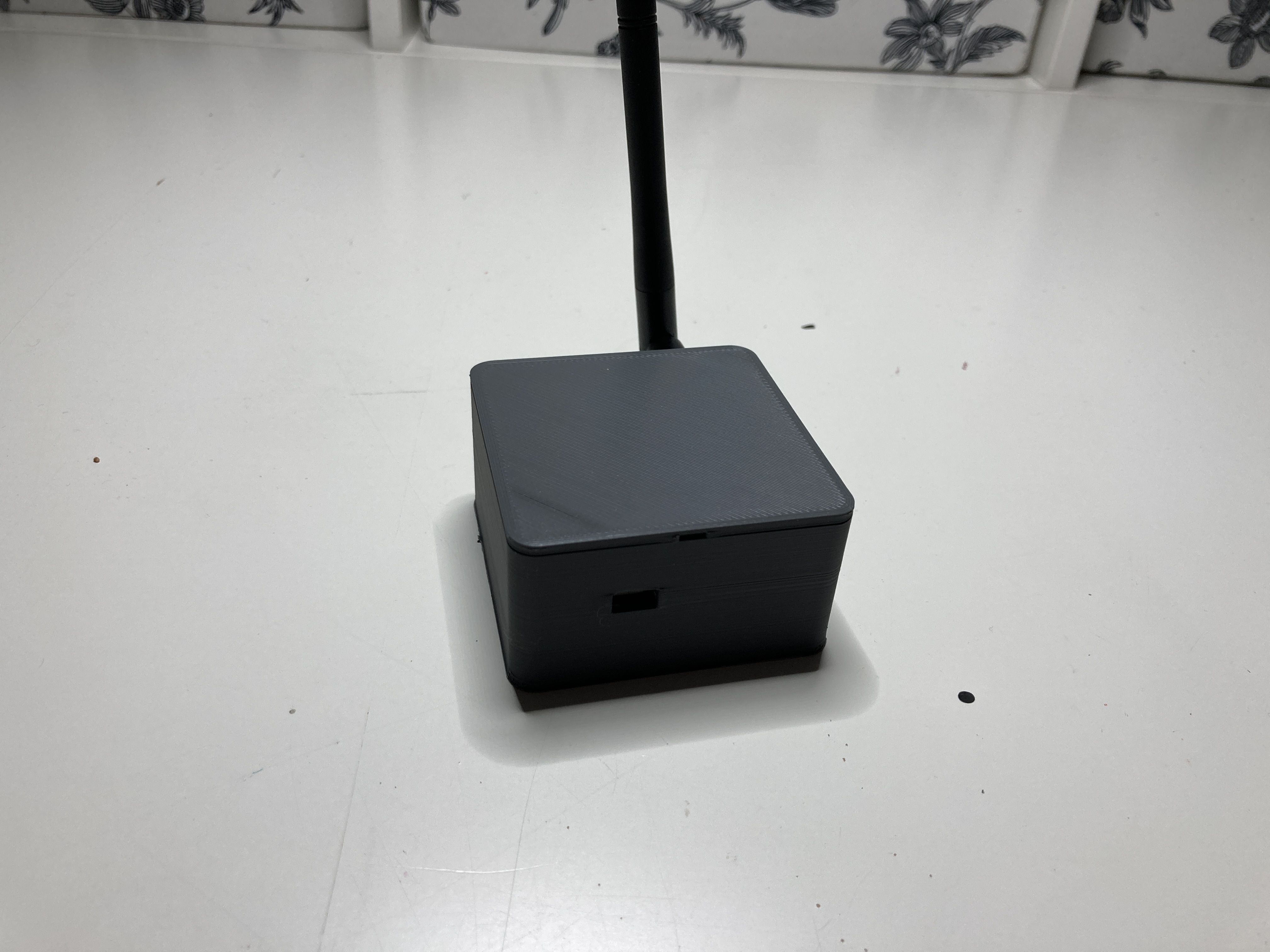
This work is licensed under a Creative Commons Attribution-NonCommercial-ShareAlike 4.0 International License.

| Qty | Value | Footprint | References |
|---|---|---|---|
| 6 | TestPoint | TestPoint:TestPoint_THTPad_D1.5mm_Drill0.7mm | TP1, TP2, TP3, TP4, TP5, TP6 |
| 1 | 10uF | Capacitor_THT:CP_Radial_D5.0mm_P2.50mm | C1 |
| 1 | ESP32NodeMCU | ESP32-NodeMCU_WROOM_32:ESP32-NodeMCU_WROOM_32 | U1 |
| 1 | LOGO | OpenDTU_logo:OpenDTU | G*** |
| 1 | NRF24L01+PA+LNA_Breakout | nRF24L01+PA+LNA_Breakout:nRF24L01+PA+LNA_Breakout | U2 |
The 10 most common of 12 parts.
github-linguist/linguist
Language Savant. If your repository's language is being reported incorrectly, send us a pull request!


google/mozc-devices
Circuit diagrams and firmware source code for Gboard DIY keyboards


hackclub/OnBoard
💡 Join 1,000 teenagers and make your first PCB with a $100 grant!

VoronDesign/Voron-Tap
Tap is a nozzle-based z-probe for the V2 and Trident printer designs. The entire toolhead moves to trigger an optical switch. Tap offers many advantages:

stacksmashing/pico-tpmsniffer
A simple, very experimental TPM sniffer for LPC bus
It measures 50 × 50 mm and has 2 copper layers, 1.6 mm thick.
12 parts. The full list of its parts is on this page, with links to each part's symbol and footprint where PCBKit's library has them.
From the dokuhn/openDTU-BreakoutBoard repository on GitHub, at the commit this page was made from: the board is KiCad/openDTU.kicad_pcb and its schematic KiCad/openDTU.kicad_sch. PCBKit opens the board in the browser, with nothing to install.
Its repository states no licence, so its author keeps all rights: ask dokuhn before reusing the design.