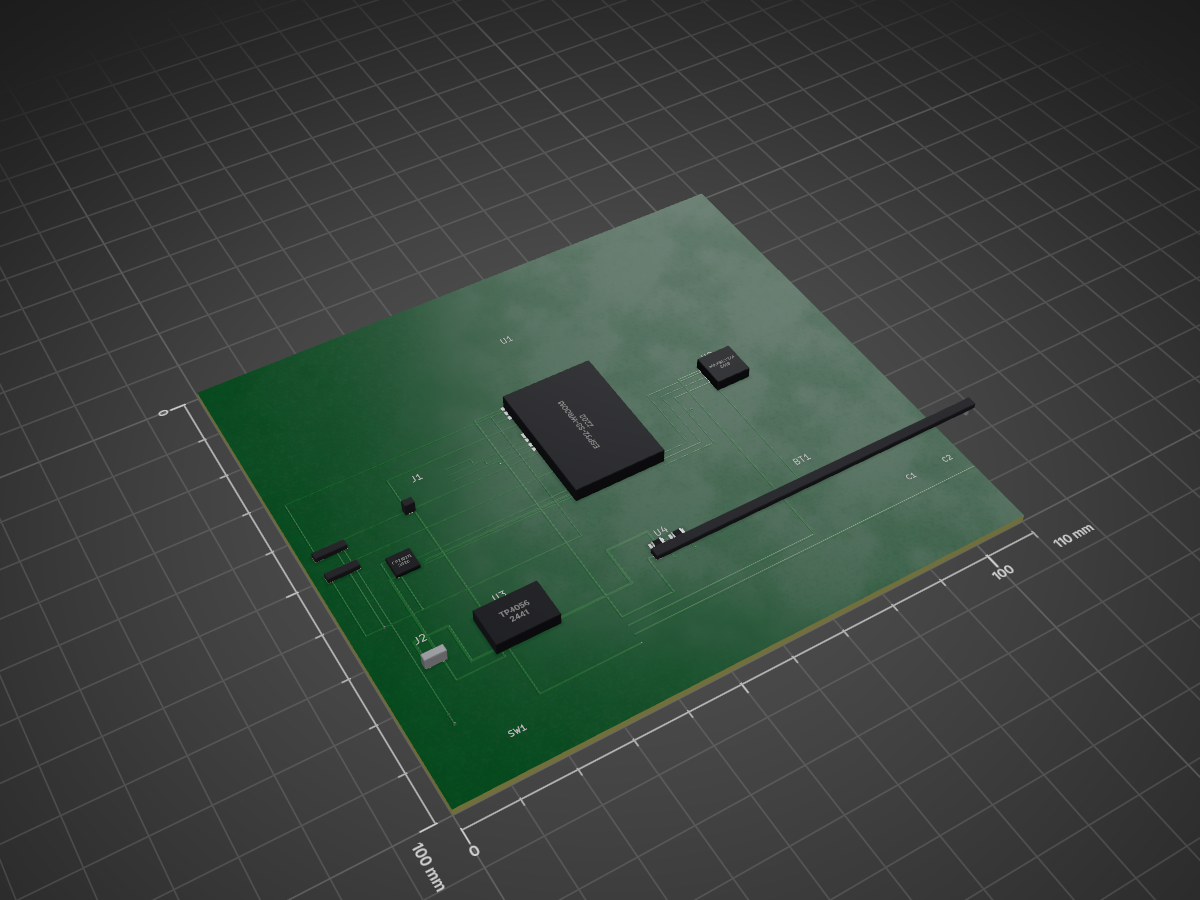
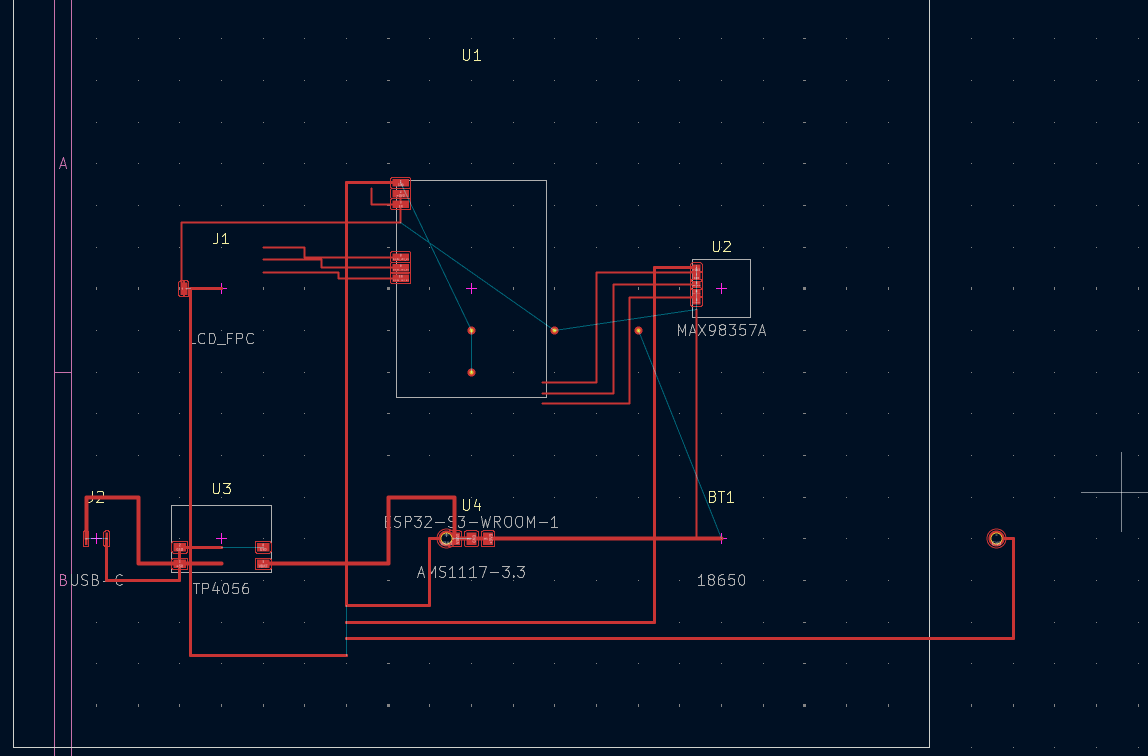
PidginTranslator is an open-source printed circuit board by DevMubarak1, from the DevMubarak1/PidginTranslator repository on GitHub, published under the MIT licence. It is a 2-layer board of 110 × 100 mm with 14 parts on 12 nets, routed with 103 tracks and 17 vias.
It is built around the CP2102N-EK, ESP32-S3-WROOM-1-N8 and AMS1117-3.3, with the TP4056 among its other parts. Its parts include 5 ICs, 4 capacitors, 2 connectors and 2 switches. It belongs with the ESP32 boards of this library.
Handheld translator for Nigerian languages. No internet needed for common phrases, YarnGPT for everything else.
A pocket-sized translation device built specifically for communication gaps in Nigeria. Supports English, Nigerian Pidgin, Yoruba, and Igbo with offline phrase database and online AI backup.
The Problem
Try using Google Translate in a Nigerian market. First, you need internet (good luck). Second, it doesn't understand "How much be this?" or "I no fit pay dat price." Third, reading translations off your phone while negotiating looks sketchy.
Tourists, expats, and even Nigerians traveling between language regions need something that:
Works offline for common phrases
Understands Nigerian context and slang
Fits in your pocket
Has audio playback (not everyone can read)
Doesn't require pulling out an expensive phone
Hardware Design
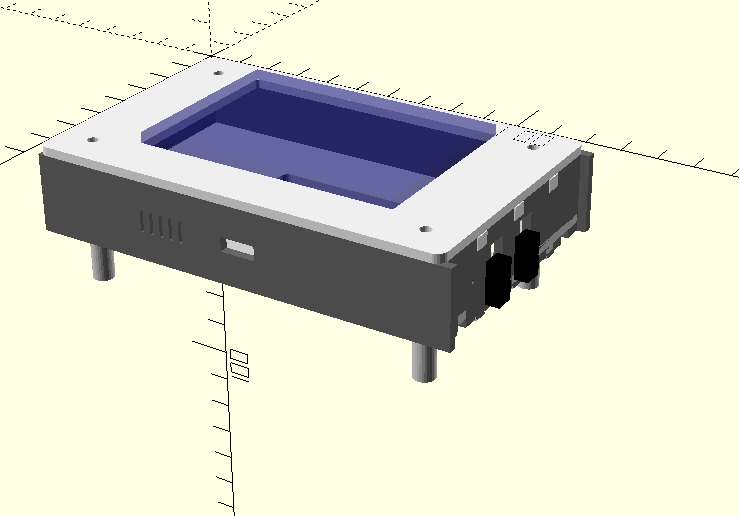
3D Enclosure
PCB Layout
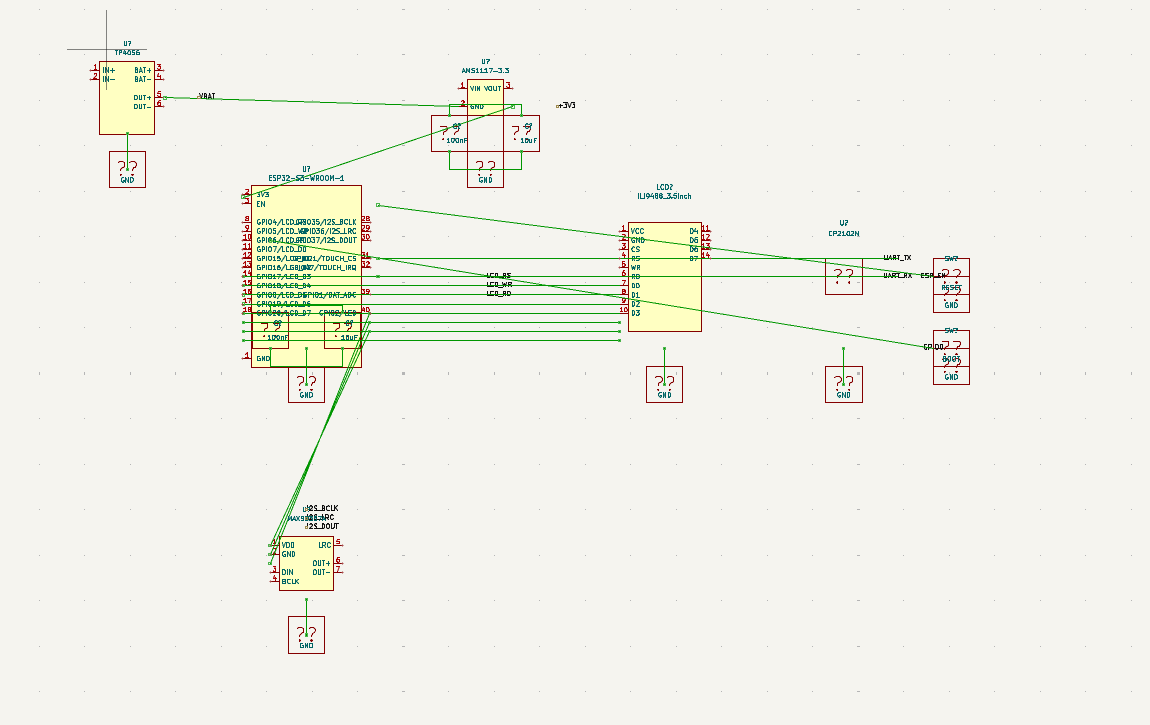
Schematics
Features
3.5" Touchscreen - Tap to select language and phrase
Native Audio - Hear the translation pronounced correctly
Offline Database - 5,000+ common phrases work without internet
YarnGPT Integration - Connect to WiFi for complex translations
Dual Mode - Offline-first, online when needed
Long Battery Life - 12+ hours usage (3000mAh)
How It Works
Offline Mode (Default)
Select source language (English/Pidgin/Yoruba/Igbo)
Browse categories: Greetings, Shopping, Directions, Food, etc.
Tap a phrase to hear native speaker pronunciation
Online Mode (WiFi)
Type or speak custom phrase
Device connects to YarnGPT API for context-aware translation
It measures 110 × 100 mm and has 2 copper layers, 1.6 mm thick.
What parts does the PidginTranslator use?
14 parts, built around the CP2102N-EK, ESP32-S3-WROOM-1-N8, AMS1117-3.3 and TP4056. The full list of its parts is on this page, with links to each part's symbol and footprint where PCBKit's library has them.
Where can I download the PidginTranslator KiCad files?
From the DevMubarak1/PidginTranslator repository on GitHub, at the commit this page was made from: the board is hardware/pcb/pidgin_translator.kicad_pcb and its schematic hardware/schematics/main-board.kicad_sch. PCBKit opens the board in the browser, with nothing to install.
Can I use the PidginTranslator design in my own project?
Its repository publishes it under the MIT licence: you may reuse it on that licence's terms (keep the author's notice, and for a copyleft licence share your changes alike).
An open-source ESP32-S3-based smartwatch with RTC, I2C display, buzzer, LEDs, and battery monitoring. Designed using KiCad, it features a compact PCB layout, Li-Po battery support, and USB charging
An open-source phone that can operate without GSM or LTE coverage. Utilising LoRa modulation and mesh networking to enable long range "off-grid" communication
openSTM32 board using STM32F4 LQFP64 package. This board designed to perform base control for SLAM and Navigation.There are also many availabe connectors that meet many other application requirements.