
2 layers18.5 × 11.1 mm
Switch
byrantech/laptop
anyon_e, a highly integrated, high end, open source laptop. Attempt the impossible.
6 parts4.3kMIT

This repository contains the documentation and design package for E-01 Drive, a hardware platform built to make PID tuning easier on real systems.
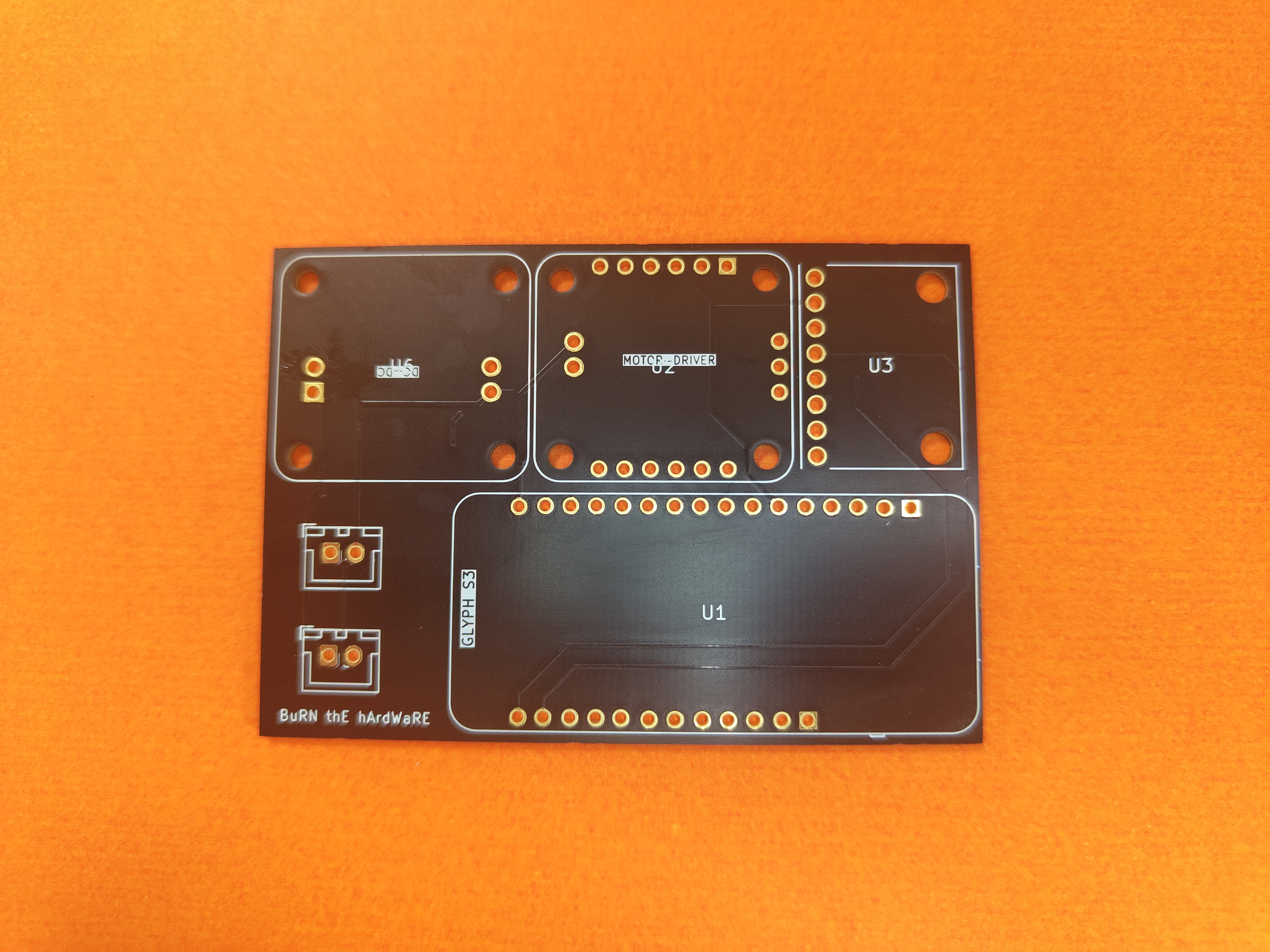
E-01 Drive is an open-source printed circuit board by BuRN-thE-hArdWaRE, from the BuRN-thE-hArdWaRE/burn-the-hardware.github.io repository on GitHub. It is a 2-layer board of 70.3 × 48.9 mm with 6 parts on 12 nets, routed with 104 tracks and 3 vias.
It belongs with the robots and motor control boards of this library.
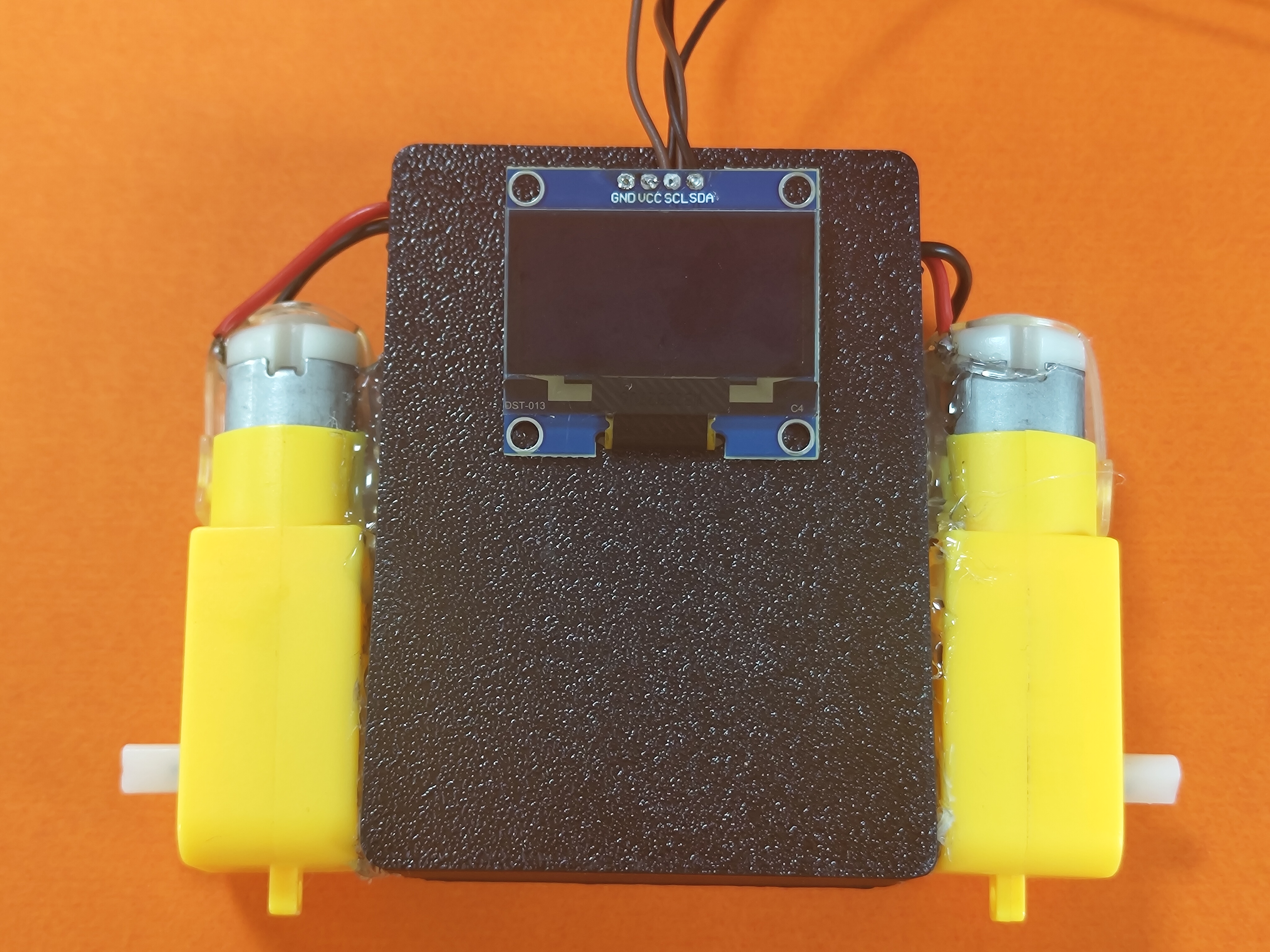
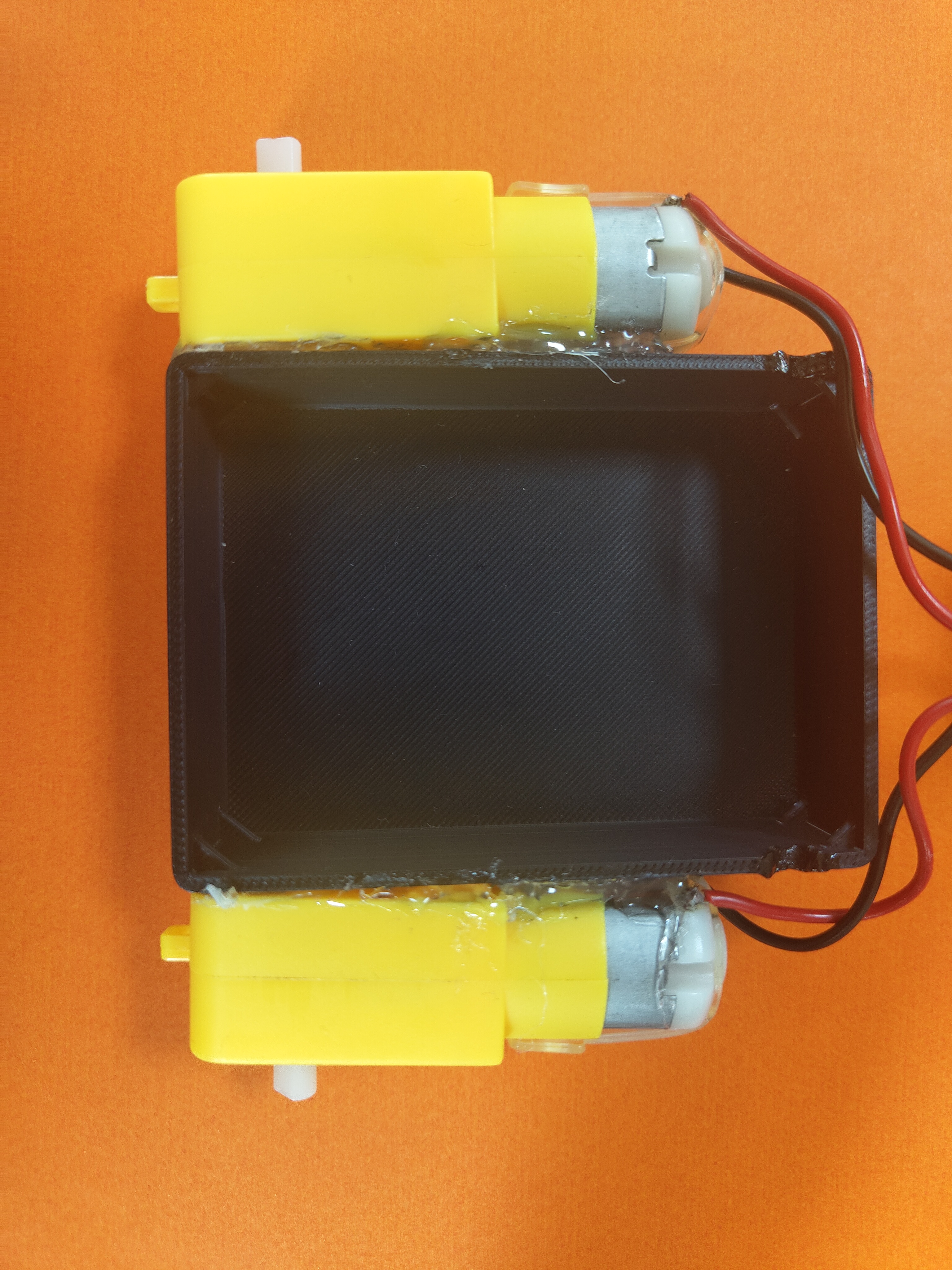
This repository contains the documentation and design package for E-01 Drive, a hardware platform built to make PID tuning easier on real systems. The current prototype is a compact self-balancing robot style control platform built around an ESP32-S3, MPU-6050, motor driver, OLED, battery power stage, custom PCB, and mechanical chassis.
E-01 Drive: AI-Assisted PID Tuning Platform for a Self-Balancing Robot
PID controllers are widely used in robotics and embedded systems, but tuning them on real hardware is still difficult. In most student and prototype projects, tuning is done by manual trial-and-error. This wastes time, increases instability during testing, and makes it hard to reach a reliable operating point quickly.
For a self-balancing robot, the problem becomes even harder because small changes in gains can produce oscillation, overshoot, or immediate failure. A practical system is needed that can reduce the effort of selecting good PID gains while still working on real hardware.
The objective of E-01 Drive is to simplify and accelerate PID tuning by combining:
The project aims to reduce manual tuning effort while improving repeatability, speed of iteration, and clarity during testing.
The project builds on the following common approaches already used in control engineering and robotics:
Within this project itself, an earlier software approach attempted TD3-based reinforcement learning for automatic PID tuning across simulated systems, but it did not produce reliable enough results for deployment on the real robot.
Existing PID tuning approaches still leave several gaps for student-built real hardware systems:
This gap creates a need for a practical platform that combines real hardware experimentation with a smarter iterative tuning process.
The novelty of E-01 Drive is the combination of:
Rather than treating PID tuning as a one-time manual setup step, the project treats tuning as an iterative data-driven workflow with both offline and online phases. This makes the prototype different from a simple balancing bot or a standard fixed-gain controller demo.
E-01 Drive is a compact embedded hardware platform designed to evaluate and improve PID tuning on a real robotic system. The prototype uses:
The control workflow is built around a self-balancing robot use case. The robot measures tilt and motion, applies PID control through the motors, and records system behavior. An external tuning service can then analyze the response and suggest better gain values. This creates a tighter loop between observation, tuning, testing, and retesting.
| Component | Purpose |
|---|---|
| ESP32-S3 board | Main microcontroller and control execution |
| MPU-6050 IMU | Tilt and motion feedback |
| Motor driver module | Drives the left and right DC motors |
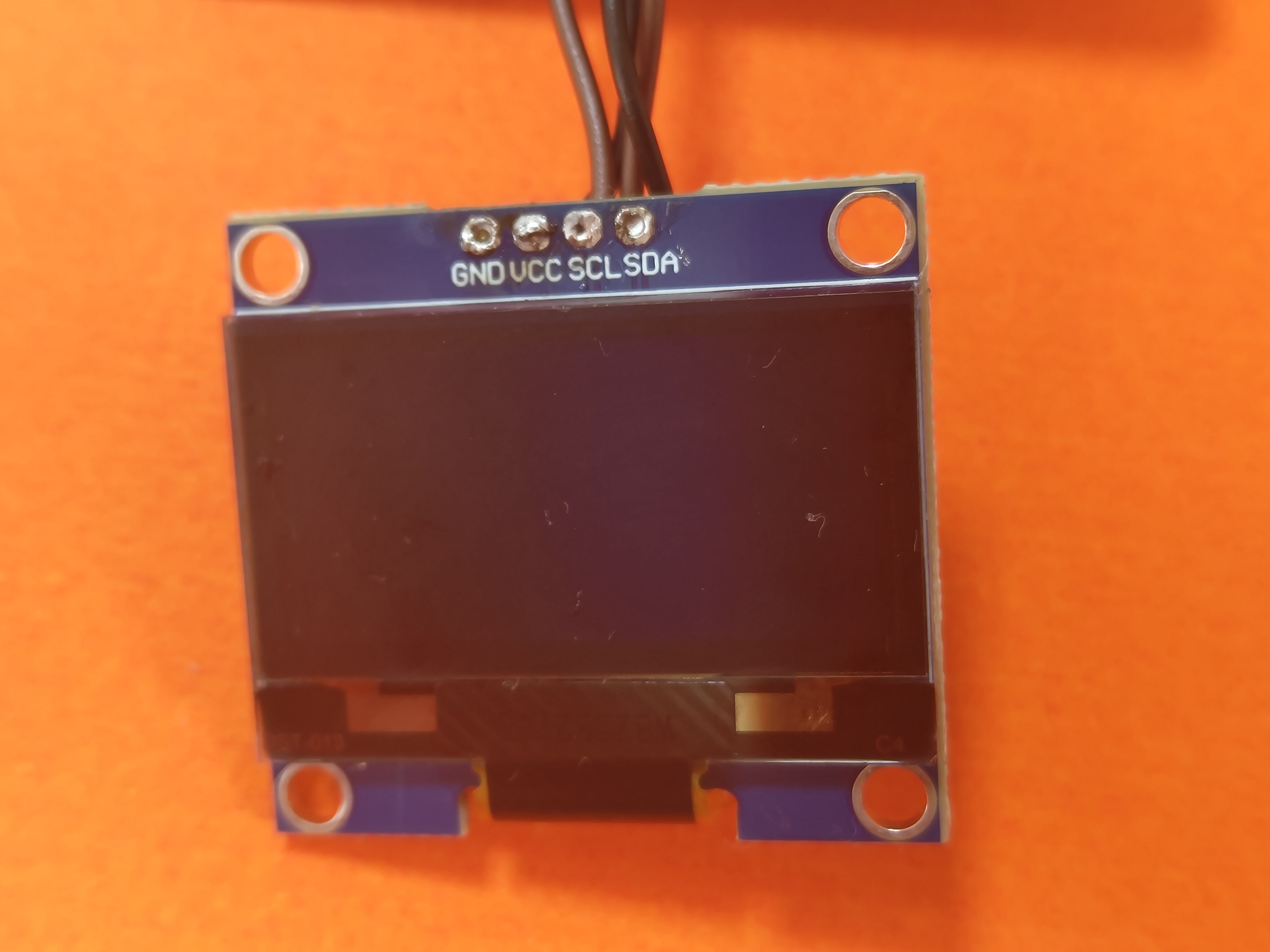
| OLED display | Local status and tuning output |
| DC-DC converter | Voltage regulation |
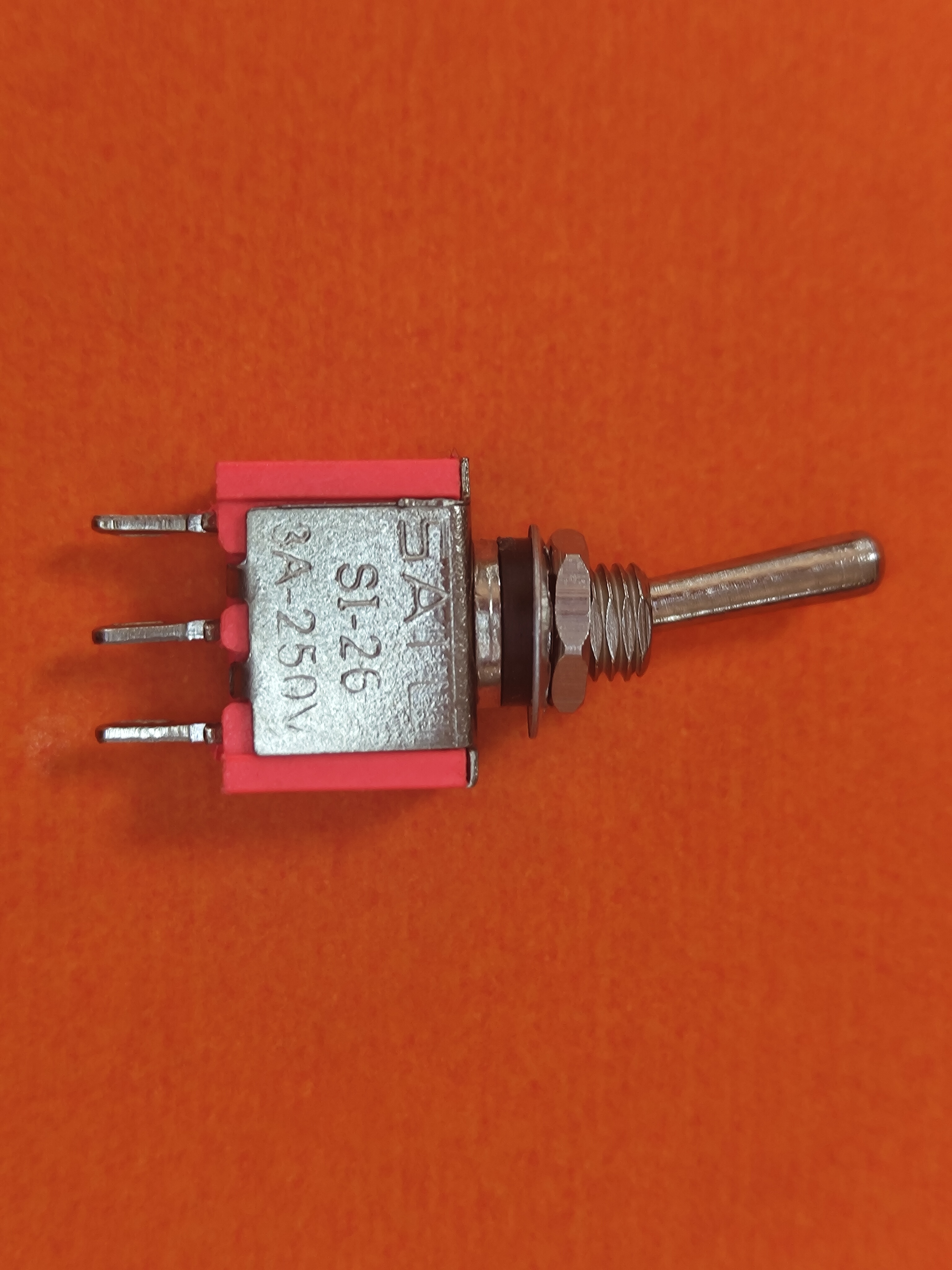
| Toggle switch | Power control |
| 3.7V 1200mAh battery | Portable power source |
| Two TT gear motors | Actuation |
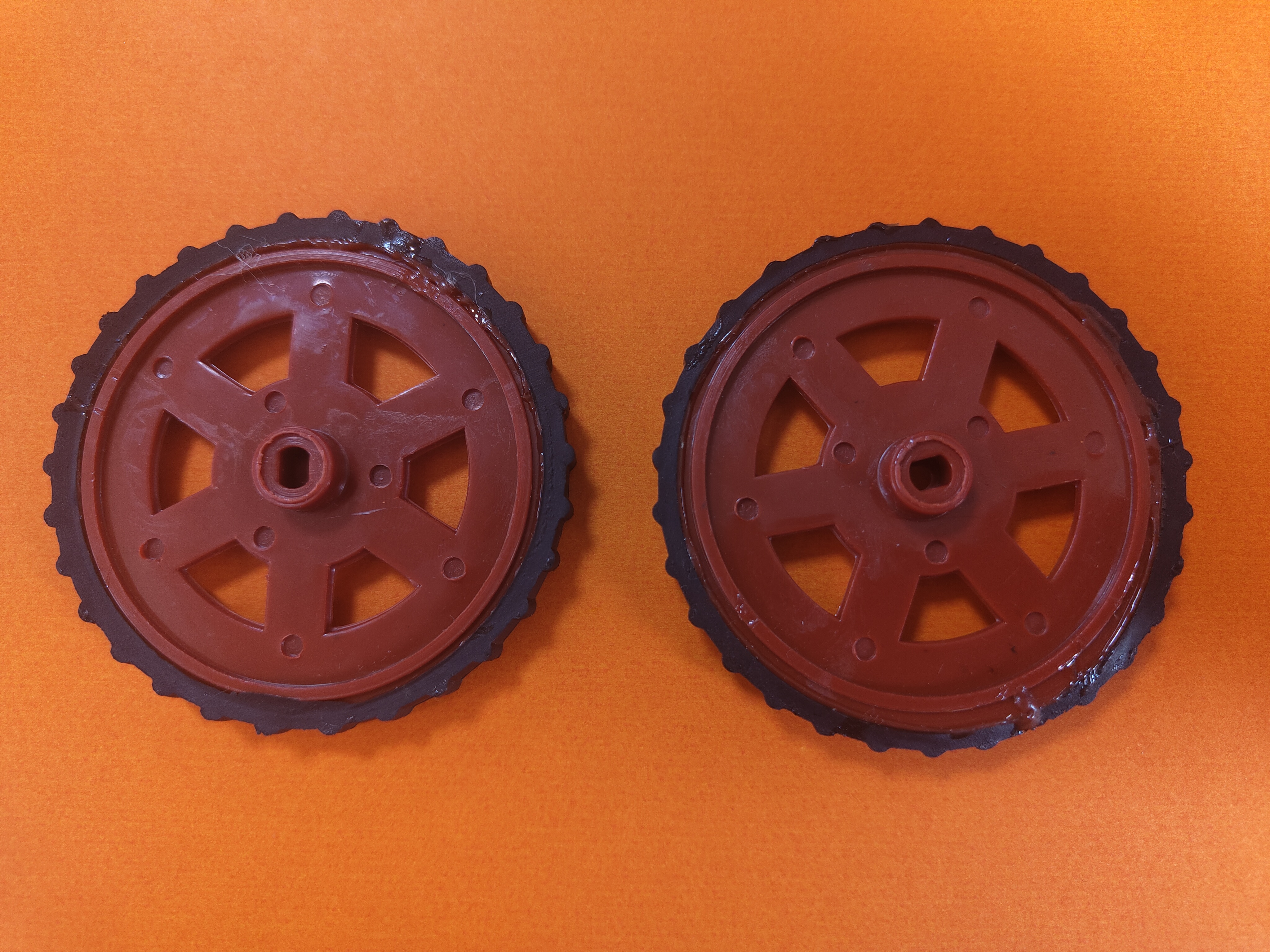
| Two wheels | Locomotion and balance support |
| Custom PCB | Interconnect and integration platform |
| Mechanical chassis/body | Prototype structure |
| Software / Tool | Purpose |
|---|---|
| KiCad 9 | Schematic and PCB design |
| Gerber export tools | Manufacturing output generation |
| FastAPI | Backend service for tuning workflow |
| Cloud LLM tuner | Gain recommendation and adaptive tuning logic |
| SvelteKit website repo | Public project presentation and documentation |
| STEP / STL / GLB exports | 3D model sharing and fabrication references |
The project methodology combines hardware design, embedded control, and AI-assisted tuning:
The broader tuning concept is divided into:
Offline tuning: structured initial tuning using exploratory runs and recorded results.Online tuning: adaptive updates based on new disturbances or live system behavior.The current project workflow can be described as:
The software architecture currently described for the tuning engine includes:
/init_session/answer_questions/send_results/accept/start_adaptive/breachThese endpoints represent the offline and adaptive tuning phases of the project.
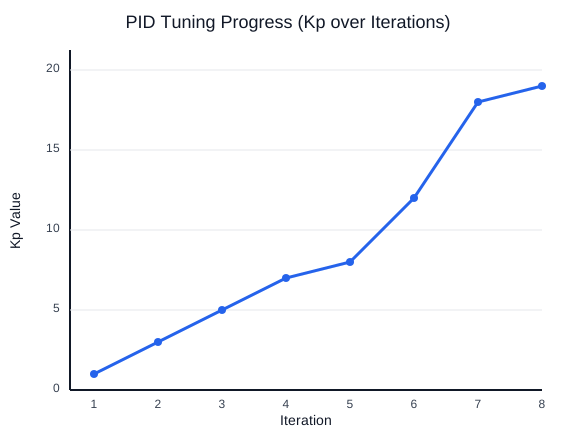
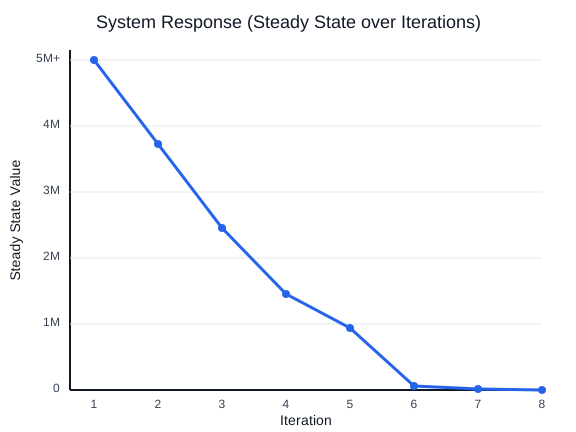
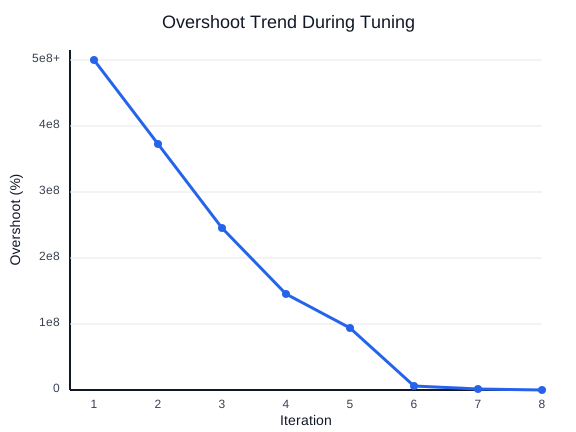
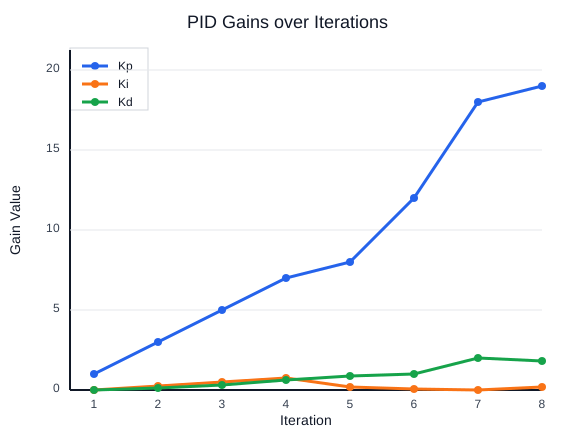
The following graphs summarize the tuning behavior shared for this project. These repository assets were recreated from the graph screenshots provided during documentation so they can be embedded directly in the public README.
Software demo video file available locally: 2026-04-12 14-31-13.mkv
Important note: the provided video file is approximately 177 MB, which exceeds GitHub's normal 100 MB file-size limit for repository commits. To complete the final submission cleanly, this video should be uploaded to a public hosting platform such as YouTube or Google Drive, and that public link should be placed here before judging.
Public repository: BuRN-thE-hArdWaRE/burn-the-hardware.github.io
Note: the current schematic file exists in the repository, but it is still largely incomplete and should be finished for a fully reproducible hardware submission.
Important note: actual firmware source files were not present in the local workspace provided for this update. This repository now includes the firmware architecture description, but the embedded source code should still be added if you want the submission to include the full software implementation.
These files provide the current 3D representation of the mechanical and hardware package available in the workspace.
The current tuning architecture is based on a hybrid control workflow:
An earlier TD3 reinforcement learning approach was explored and later abandoned due to unreliable performance for real-world deployment. The current approach uses a cloud LLM with a FastAPI-based session workflow for offline and online gain adjustment.
Additional firmware notes are available in firmware/README.md.
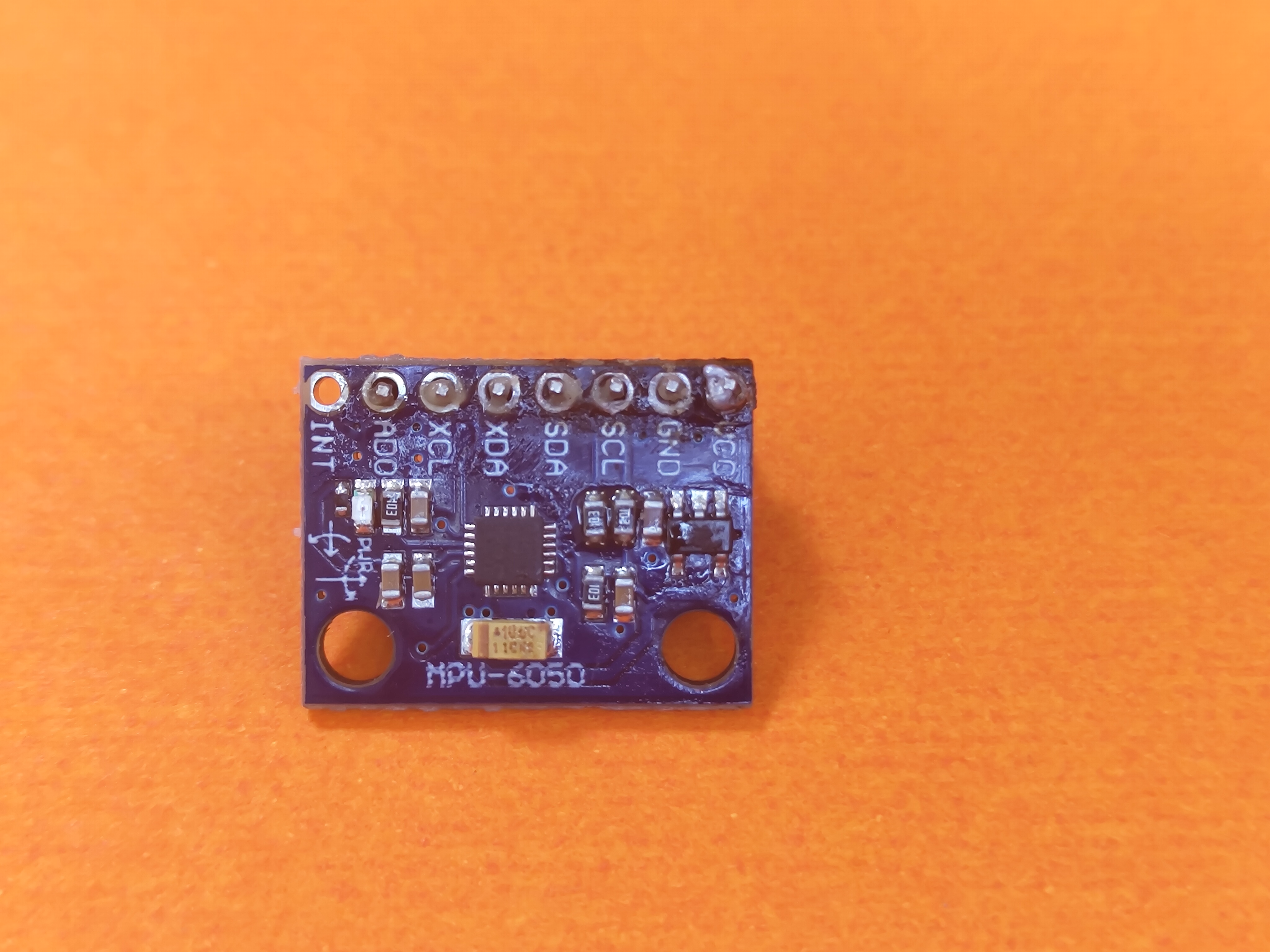
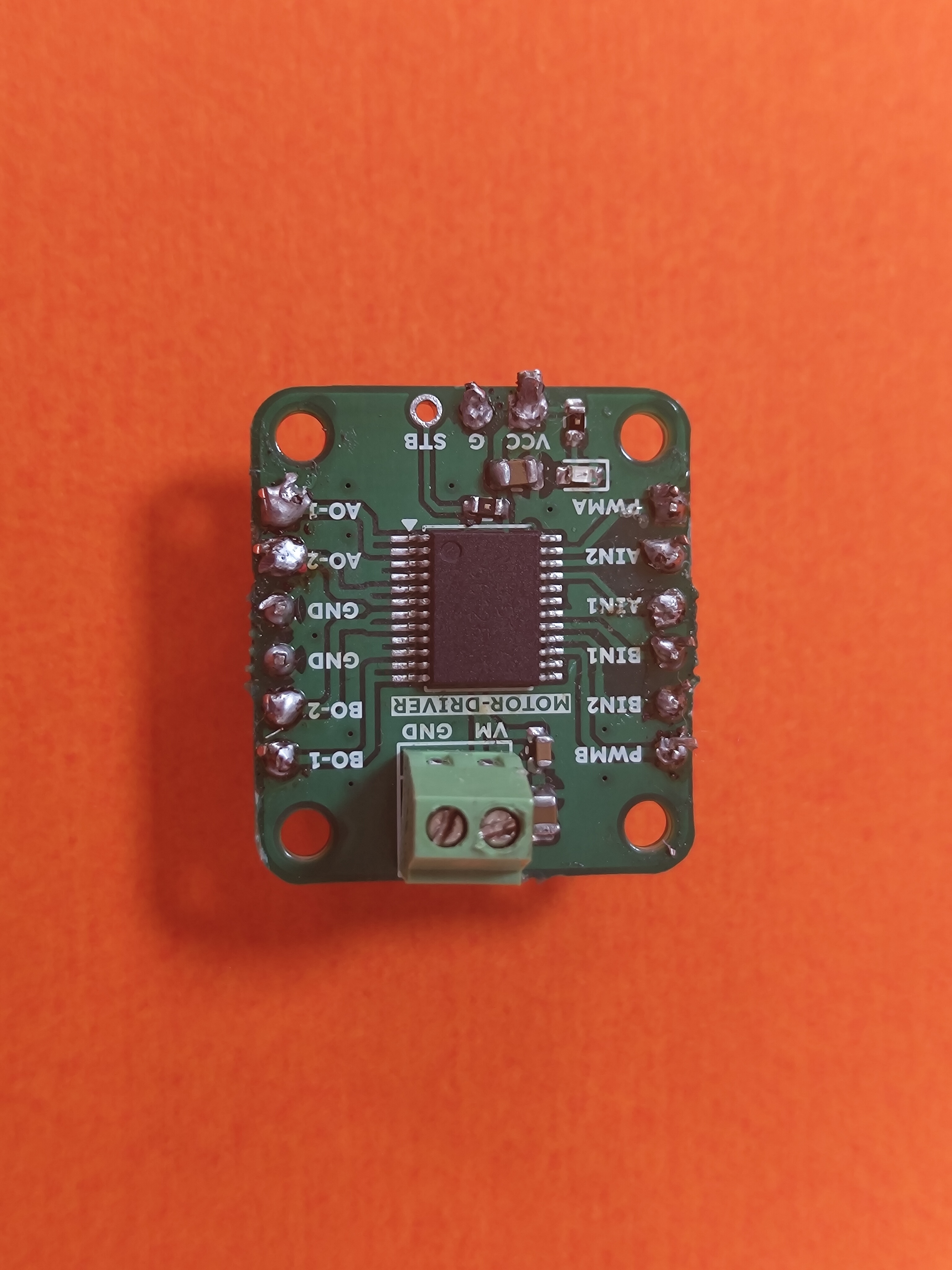
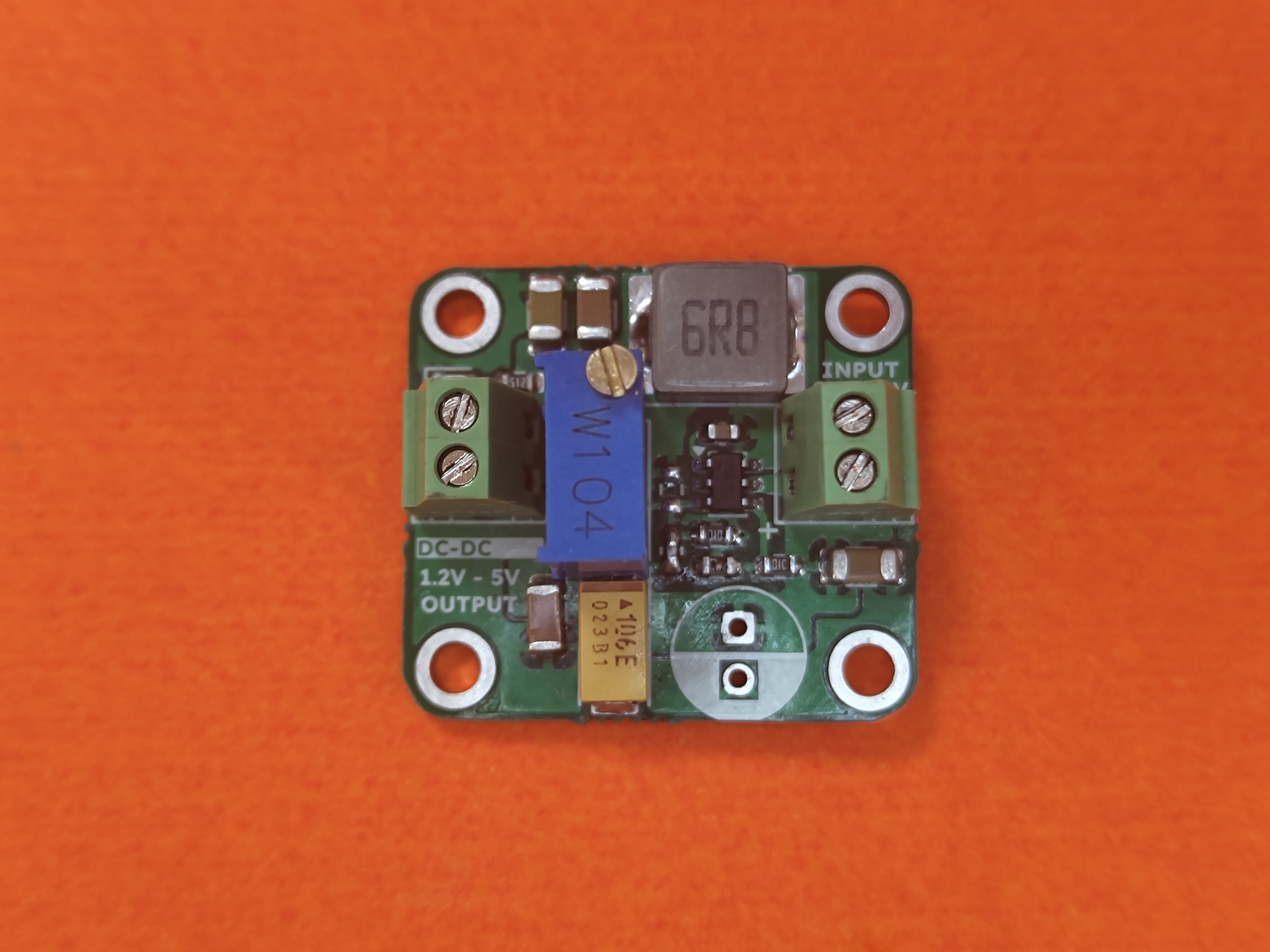
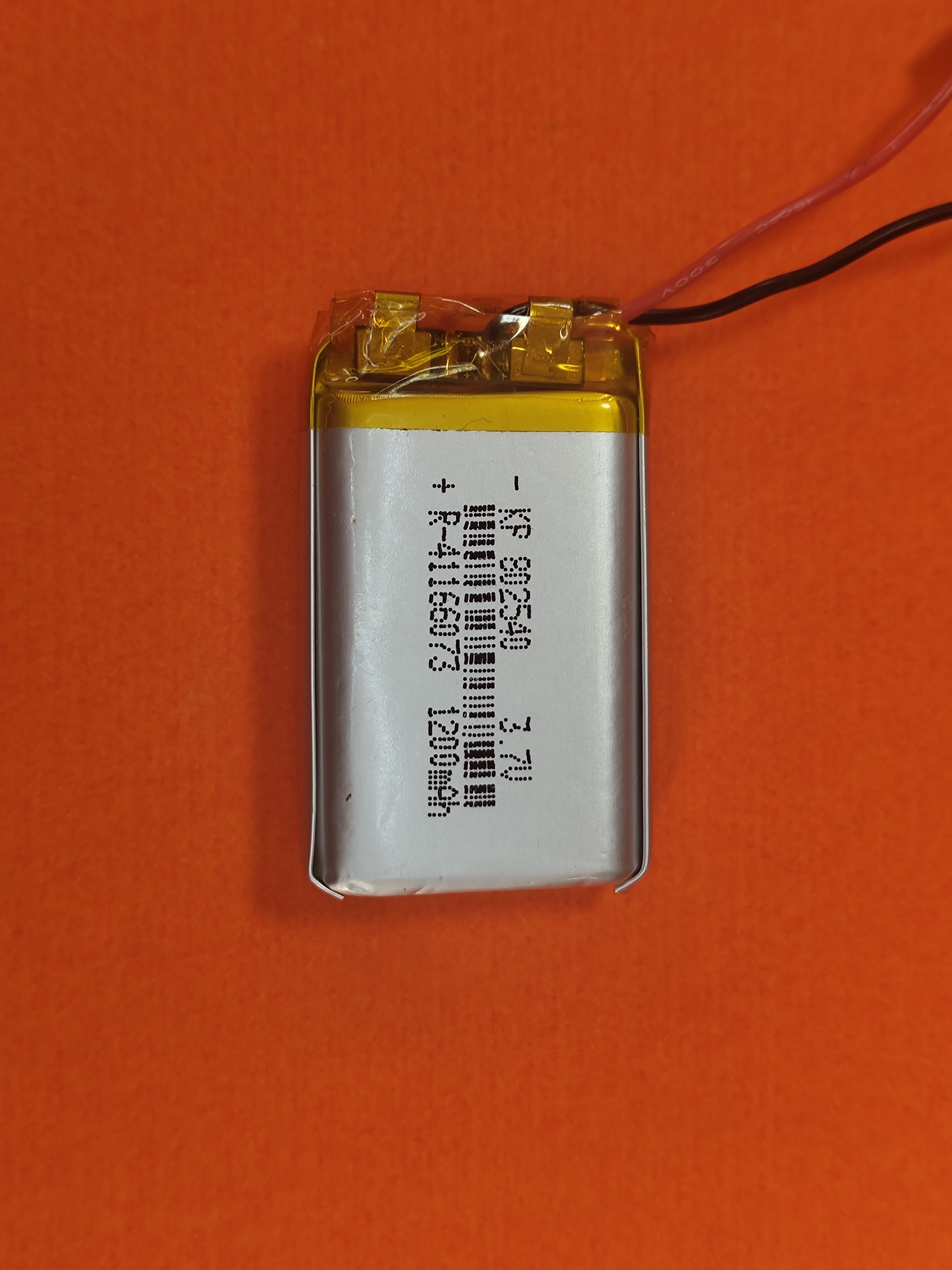
| Qty | Value | Footprint | References |
|---|---|---|---|
| 1 | U1 | glyph-s3 | U1 |
| 1 | U2 | gmod-motor-driver | U2 |
| 1 | U3 | mpu_6050 | U3 |
| 1 | U4 | JST_XH_B2B-XH-A_1x02_P2.50mm_Vertical | U4 |
| 1 | U5 | JST_XH_B2B-XH-A_1x02_P2.50mm_Vertical | U5 |
| 1 | U6 | gmod-dc-dc | U6 |
byrantech/laptop
anyon_e, a highly integrated, high end, open source laptop. Attempt the impossible.


Jcparkyn/dpoint
Open-source digital stylus using camera tracking and inertial measurements

VoronDesign/Voron-Hardware
Cool Hardware designed by the Voron Design group

hoglet67/RGBtoHDMI
Bare-metal Raspberry Pi project that provides pixel-perfect sampling of Retro Computer RGB/YUV video and conversion to HDMI

hackclub/OnBoard
💡 Join 1,000 teenagers and make your first PCB with a $100 grant!

Luos-io/luos_engine
Open-source and real-time orchestrator for cyber-physical-systems, to easily design, test and deploy embedded applications and digital twins.

It measures 70.3 × 48.9 mm and has 2 copper layers, 1.6 mm thick.
6 parts. The full list of its parts is on this page, with links to each part's symbol and footprint where PCBKit's library has them.
From the BuRN-thE-hArdWaRE/burn-the-hardware.github.io repository on GitHub, at the commit this page was made from: the board is hardware/kicad/E-01 Drive.kicad_pcb and its schematic hardware/kicad/E-01 Drive.kicad_sch. PCBKit opens the board in the browser, with nothing to install.
Its repository states no licence, so its author keeps all rights: ask BuRN-thE-hArdWaRE before reusing the design.