2 layers55.6 × 57.2 mm

 benconnor1972/BODAQS9
Bicycle Open Data Acquisition System
BODAQS A8 board v1 0 is an open-source printed circuit board by benconnor1972, from the benconnor1972/BODAQS repository on GitHub. It is a 4-layer board of 51 × 77 mm with 120 parts on 104 nets, routed with 1,019 tracks and 200 vias.
It is built around the ESP32-S3-MINI-1-N8, ADS1220IRVAR and BQ25185DLHR, with the DFE252012P-1R0M=P2, DT1042-04SO-7(UMW) and HS96L03W2C03 among its other parts. Its parts include 51 resistors, 34 capacitors, 13 ICs, 8 switches and 6 connectors. It belongs with the ESP32 boards of this library.


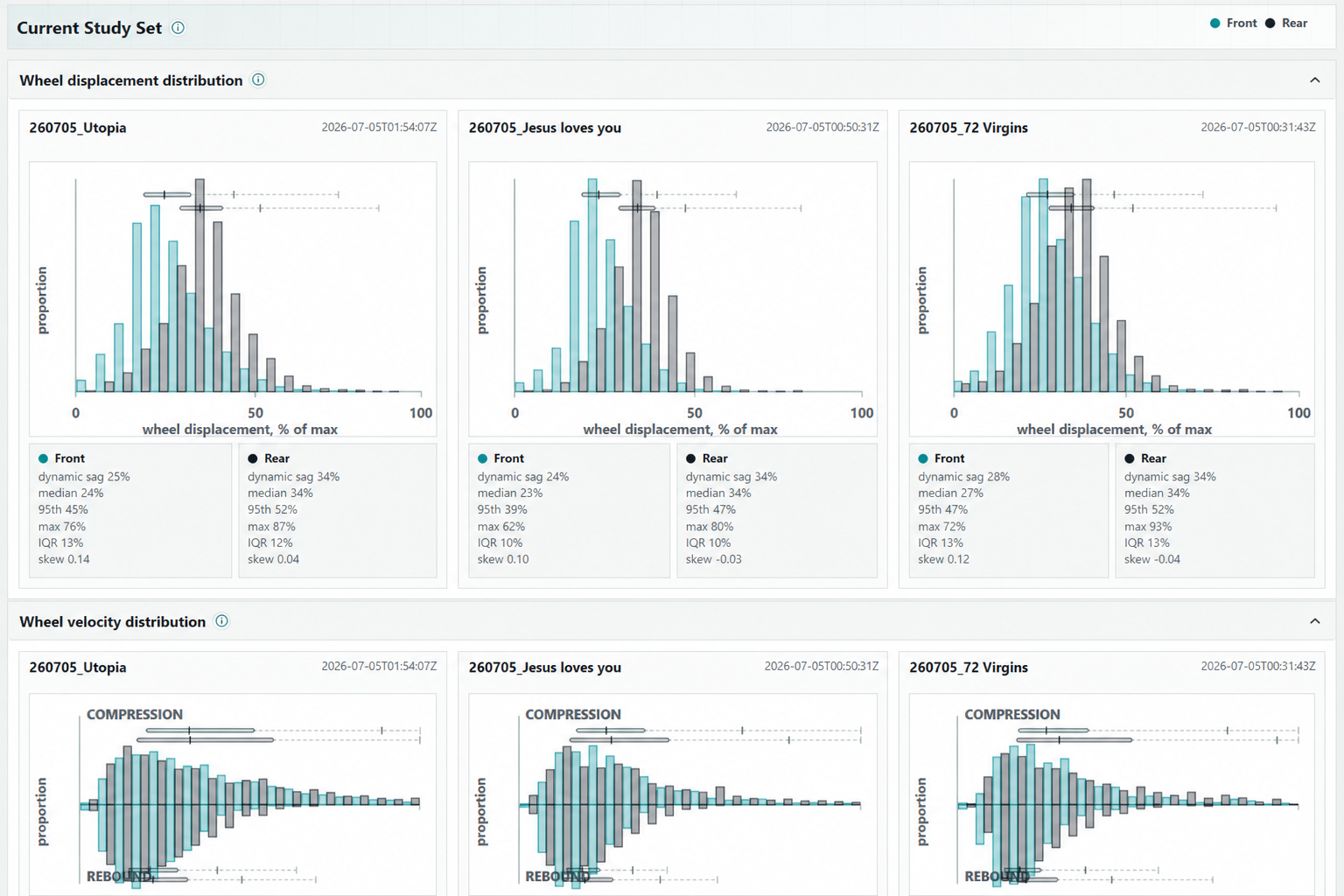
|
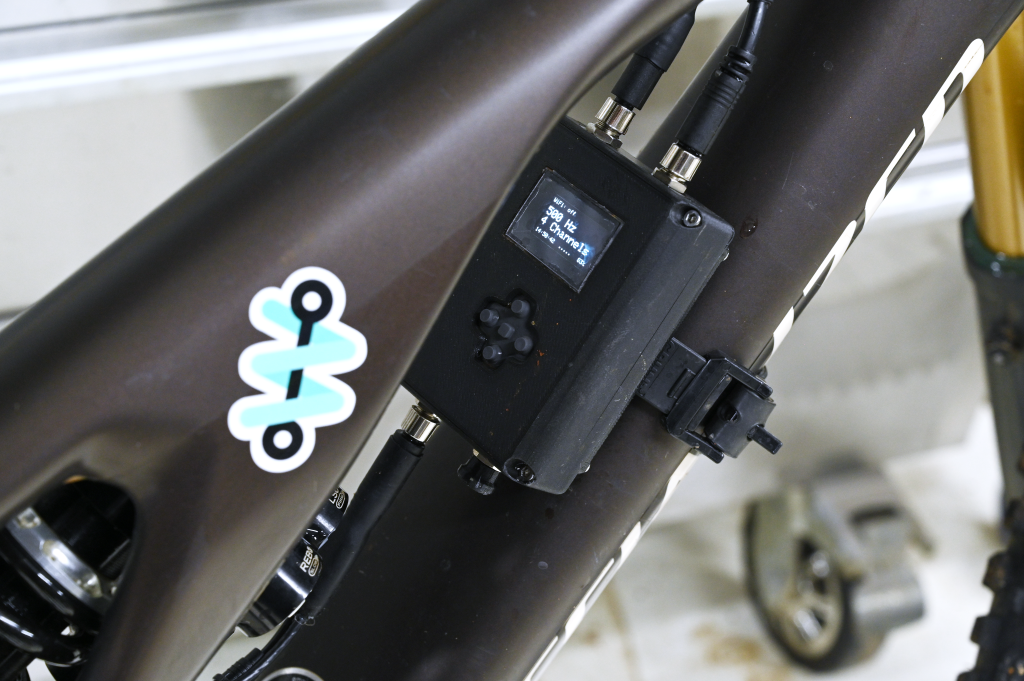
|
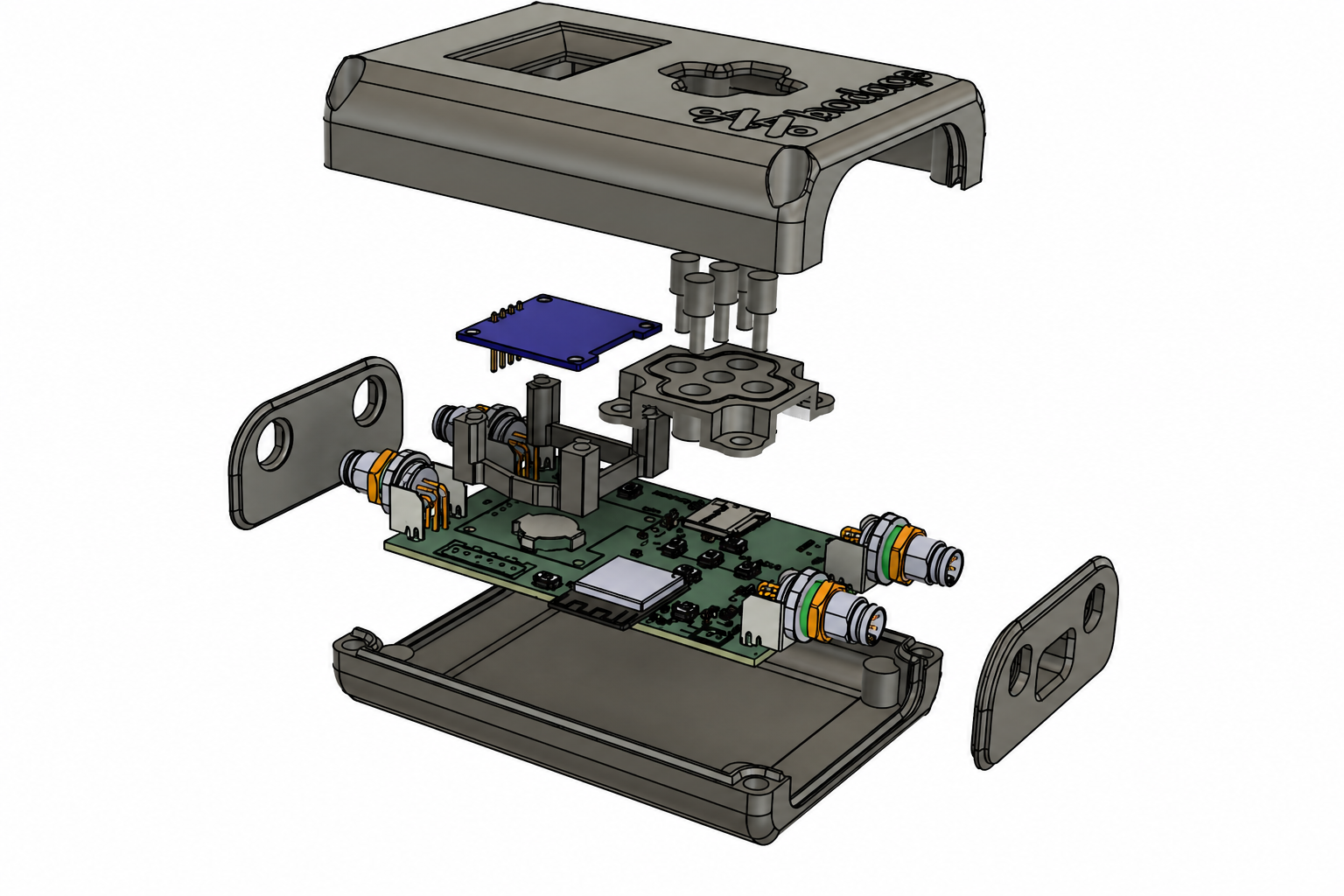
|
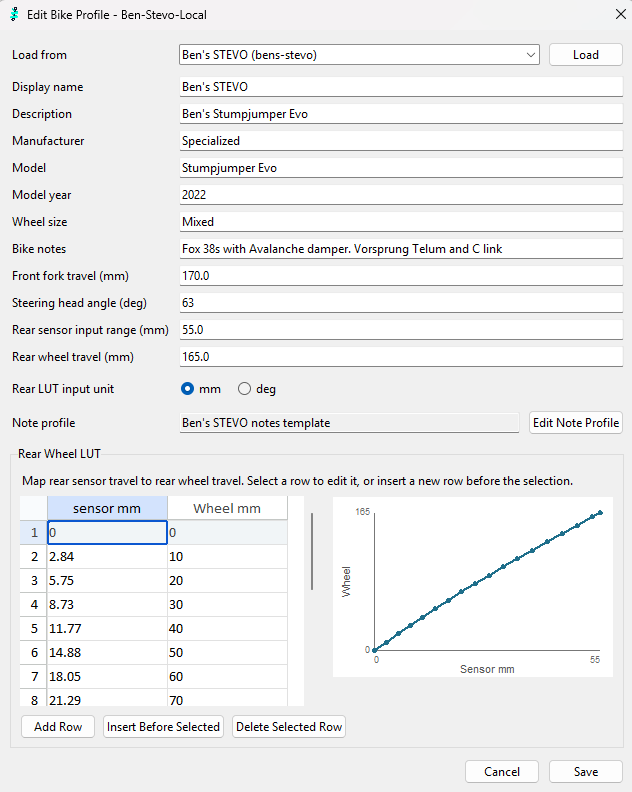
|
Current releases here
BODAQS (Bicycle open data acquisition system) is an open-source, build-it-yourself data collection and analysis system for mountain bikes, designed to be accessible to anyone with some DIY skills and a curiosity about what their bike is actually doing.
Data acquisition is ubiquitous in motorsport, and it's making its way into mountain-bike racing too. But for the engineering-minded (or budget-constrained), the choice is often between costly professional systems or consumer tools that keep the underlying data hidden.
BODAQS aims to offer an alternative: hardware that can be built with basic soldering skills using widely available parts; software with deep functionality and a structure designed for long-term expansion; and analysis built on powerful, free tools — alongside mounting and mechanical designs that can be 3D printed at home or produced at low cost.
The project provides open designs for the hardware, software, analysis tools, and mechanical parts needed to collect and analyze mountain-bike data. It follows a build-it-yourself ethos, emphasising simplicity and low cost without compromising functionality.
For most riders, suspension setup is a vibe-based, iterative guessing game: adjust a click, do a run, wonder if that made things better or just 'different', repeat to exhaustion.
At the sharp end of gravity racing, teams with the budget chase these problems using data - but at a high cost. A few consumer products - notably Shockwiz, now owned by SRAM - have bridged the gap with a product that can provide meaningful suspension insight for most riders and be set up in under twenty minutes. But ShockWiz is a closed system: the algorithm is proprietary, the data never leaves the device, and if you run a coil shock, you're out of luck.
For the rider who wants to go deeper, wants to do more with the data, or whose coil setup isn't supported,the choice has been: trust a black box, go all in on professional equipment, or go without.
The BODAQS logger is a compact, hackable, open-source data logger you build yourself from widely available components using basic soldering skills and a 3D printer. It records inputs from suspension and other sensors, at up to 1000Hz, and stores the data as standard CSV files readable by almost anything. The device can connect to wifi to allow settings to be edited or log files downloaded using any device with a web browser.
A small OLED screen and keypad make it simple to use, and an optional handlebar-mounted button lets you tag moments of interest mid-ride — a heavy landing, a sketchy section — so they're easy to find later.
The full design is open: PCB schematics and layouts, firmware, case, sensor mounts and more are all available to build, hack, and improve. There's a full bill of materials, build guide and advice on where to purchase the parts required.
Recording data is an engineering problem. Deciding what it means is the harder part, and the part that actually matters for tuning.
The BODAQS software comprises two main components:
BODAQS is designed to scale with the user — in both the build, and the analysis.
If you're new to data acquisition, the hardware guide walks you through assembling the logger, and you'll have something real to look at after your first ride with a couple of sensors - or even just one.
If you're a top-end rider, mechanic or suspension shop with your own battle-tested ideas on how a bike should be set up, you'll have something you can use to test out and validate your own ideas and work, race faster, or to add value to your customers.
If you're a tinkerer, engineer, developer, data scientist or uncategorised nerd, you can contribute to the project. Code, designs, ideas, feedback - it's all welcome.
TL;DR: we've got a pretty usable first-generation system that runs from end to end: From sourcing and building your logger to analyzing your runs. There's still lots to do, but we think it can add value for most people in its current state.
What we're working on:
This project exists for many reasons but three specific precursors stand out:
BODAQS is maintained by Ben Connor.
Contact: benconnor1972@gmail.com
Official release and code-signing responsibilities are described in the Code Signing Policy.
| Qty | Value | Footprint | References |
|---|---|---|---|
| 13 | 10k | Resistor_SMD:R_0402_1005Metric | R1, R4, R11, R13, R15, R22, R25, R26, R27, R28, R29, R30, R31 |
| 12 | 100nF | Capacitor_SMD:C_0402_1005Metric | C1, C7, C10, C14, C15, C16, C18, C20, C29, C30, C31, C32 |
| 10 | 47R | Resistor_SMD:R_0402_1005Metric | R40, R41, R42, R43, R44, R45, R46, R47, R48, R49 |
| 8 | 100R | Resistor_SMD:R_0402_1005Metric | R32, R33, R34, R35, R36, R37, R38, R39 |
| 8 | 10nF | Capacitor_SMD:C_0402_1005Metric | C21, C22, C23, C24, C25, C26, C27, C28 |
| 8 | TS-1088-AR02016 | BODAQS_master_library:SW-SMD_L3.9-W3.0-P4.45 | SW1, SW2, SW3, SW4, SW5, SW6, SW7, SW8 |
| 6 | 4.7k | Resistor_SMD:R_0402_1005Metric | R3, R5, R7, R8, R18, R19 |
| 4 | 1uF | Capacitor_SMD:C_0402_1005Metric | C6, C11, C33, C34 |
| 3 | 10uF | Capacitor_SMD:C_0805_2012Metric | C9, C17, C19 |
| 3 | 200k | Resistor_SMD:R_0402_1005Metric | R20, R21, R23 |
| 2 | 2.2uF | Capacitor_SMD:C_0603_1608Metric | C12, C13 |
| 2 | 22 | Resistor_SMD:R_0402_1005Metric | R9, R10 |
| 2 | 22uF | Capacitor_SMD:C_0603_1608Metric | C2, C8 |
| 2 | 47k | Resistor_SMD:R_0402_1005Metric | R2, R6 |
| 2 | 5.1k | Resistor_SMD:R_0402_1005Metric | R50, R51 |
| 2 | ADS1220IRVAR | BODAQS_master_library:VQFN-16_L3.5-W3.5-P0.50-BL-EP2.1 | U10, U11 |
| 2 | Red | LED_SMD:LED_0603_1608Metric | D1, D2 |
| 1 | 1.0uF | Capacitor_SMD:C_0402_1005Metric | C3 |
| 1 | 1040310811 | BODAQS_master_library:SIM-SMD_8P-1040310811 | SIM1 |
| 1 | 133k | Resistor_SMD:R_0402_1005Metric | R24 |
| 1 | 18k | Resistor_SMD:R_0402_1005Metric | R16 |
| 1 | 1k | Resistor_SMD:R_0402_1005Metric | R17 |
| 1 | 4.7uF | Capacitor_SMD:C_0402_1005Metric | C4 |
| 1 | 47uF | Capacitor_SMD:C_0805_2012Metric | C5 |
| 1 | 511k | Resistor_SMD:R_0402_1005Metric | R12 |
| 1 | 91k | Resistor_SMD:R_0402_1005Metric | R14 |
| 1 | Analog0123 | BODAQS_master_library:AMPHENOL_M8AS-06PMMR-SF8001 | J3 |
| 1 | Analog4567 | BODAQS_master_library:AMPHENOL_M8AS-06PMMR-SF8001 | J4 |
| 1 | BQ25185DLHR | BODAQS_master_library:WSON-10_L2.2-W2.0-P0.40-BL-EP_TI_DLH0010A | U5 |
| 1 | Bar and UART | BODAQS_master_library:AMPHENOL_M8AS-06PMMR-SF8001 | J5 |
| 1 | Battery | BODAQS_master_library:CONN-TH_B2B-PH-K-S | CN1 |
| 1 | DFE252012P-1R0M=P2 | BODAQS_master_library:L1008 | U2 |
| 1 | DMG2301L | Package_TO_SOT_SMD:SOT-23 | Q1 |
| 1 | DT1042-04SO | BODAQS_master_library:SOT-23-6_L2.9-W1.6-P0.95-LS2.8-BR | U12 |
| 1 | ESP32-S3-MINI | RF_Module:ESP32-S2-MINI-1 | U1 |
| 1 | HS96L03W2C03 | BODAQS_master_library:OLED-TH_L27.8-W27.2-P2.54_C9900033791 | U9 |
| 1 | I2C | BODAQS_master_library:AMPHENOL_M8AS-06PMMR-SF8001 | J2 |
| 1 | MAX17048G+T10 | BODAQS_master_library:TDFN-8_L2.0-W2.0-P0.50-BL-EP1.2 | U3 |
| 1 | MPZ1608S601ATA00 | BODAQS_master_library:L0603 | L1 |
| 1 | MY-1220-01 | easyeda2kicad:BAT-TH_MY-1220-01 | BT1 |
| 1 | NetTie_2 | NetTie:NetTie-2_SMD_Pad0.5mm | NT1 |
| 1 | RV-3028-C7 | Package_SON:MicroCrystal_C7_SON-8_1.5x3.2mm_P0.9mm | U8 |
| 1 | SPI breakout | Connector_JST:JST_XA_B06B-XASK-1_1x06_P2.50mm_Vertical | J1 |
| 1 | TPS2553DBVR | BODAQS_master_library:SOT-23-6_L2.9-W1.6-P0.95-LS2.8-BR | U7 |
| 1 | TPS631000DRLR | BODAQS_master_library:SOT-583-8_L2.1-W1.2-P0.50-LS1.6-BL | U4 |
| 1 | TPS7A2030PDBVR | BODAQS_master_library:TSOT-23-5_L2.9-W1.6-P0.95-LS2.8-BR | U6 |
| 1 | USB4085-GF-A_C7095263 | BODAQS_master_library:USC-C-SMD_USB4085-GF-A | USB1 |
| 1 | XC6193A103ER-G | BODAQS_master_library:XC6193AA05ERG | IC1 |
It measures 51 × 77 mm and has 4 copper layers, 1.6 mm thick.
120 parts, built around the ESP32-S3-MINI-1-N8, ADS1220IRVAR, BQ25185DLHR and DFE252012P-1R0M=P2. The full list of its parts is on this page, with links to each part's symbol and footprint where PCBKit's library has them.
From the benconnor1972/BODAQS repository on GitHub, at the commit this page was made from: the board is hardware/bodaqs-a8/v1_0/design/BODAQS_A8_board_v1_0.kicad_pcb and its schematic hardware/bodaqs-a8/v1_0/design/Analog_inputs.kicad_sch. PCBKit opens the board in the browser, with nothing to install.
Its repository states no licence, so its author keeps all rights: ask benconnor1972 before reusing the design.


wildjames/smart_compass
The product is going to be something similar to the compass in the Pirates of the Caribbean.

balu-16/SeedGrant_Safety
Personal-safety project: Expo / React Native client + FastAPI + PostgreSQL (Supabase) backend + React admin portal.


Guiimartinho/bike-powermeter
Medidor de potência para bicicleta, aberto do extensômetro ao pod: torque por ponte de classe transdutor no braço do pedivela, BLE Cycling Power e ANT+ Bicycle Power. Firmware Zephyr, placa e case gerados por programa.

