2 layers25.7 × 22.1 mm

 atctwo/assorted-breakouts6
Some small breakout boards designed in KiCad
Pcie friend 2 is an open-source printed circuit board by atctwo, from the atctwo/assorted-breakouts repository on GitHub. It is a 2-layer board of 61.1 × 47.4 mm with 6 parts on 58 nets, routed with 418 tracks and 23 vias.
It belongs with the interfaces and adapters and microcontroller boards boards of this library.
This is a collection of small breakout boards for small devices that I made with KiCad
time_bug) [blocked]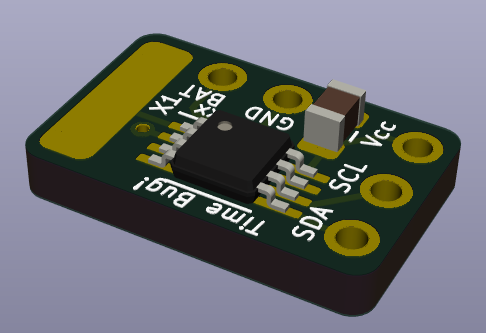
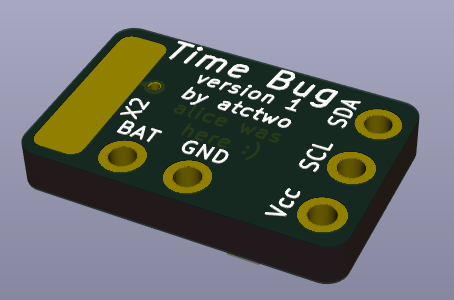
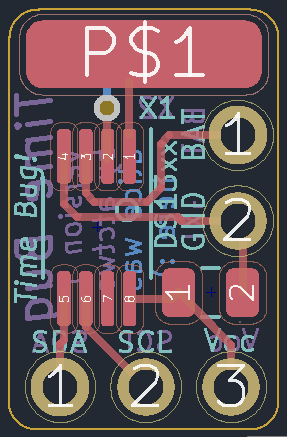
This is a breakout for the DS13xx series of RTC chips, with a MSOP-8 package (eg: DS1307, DS1308, DS1337, DS1338, DS1339, DS1341, DS1342, DS1371). This won't work with the DS1302 or DS1347. The board is designed to work with chips with the following pinout:
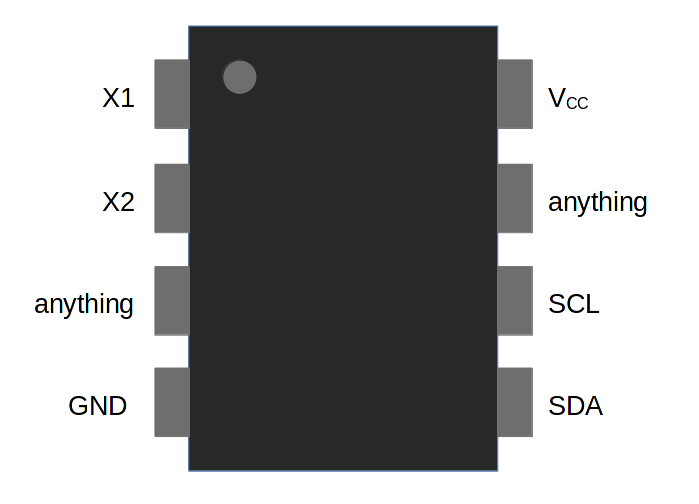
The two pads at the top of the board are connected to the crystal pins of the DS13xx (X1 and X2). The board is designed such that the crystal can be placed beside the PCB, and the pins of the crystal are bent at 90°, so they can be soldered to the pads on the PCB. The capacitor is a decoulping capacitor, and should be 0.1µF (look at the datasheet to see if there is a better capacitance for that chip).
pcie_friend_2) [blocked]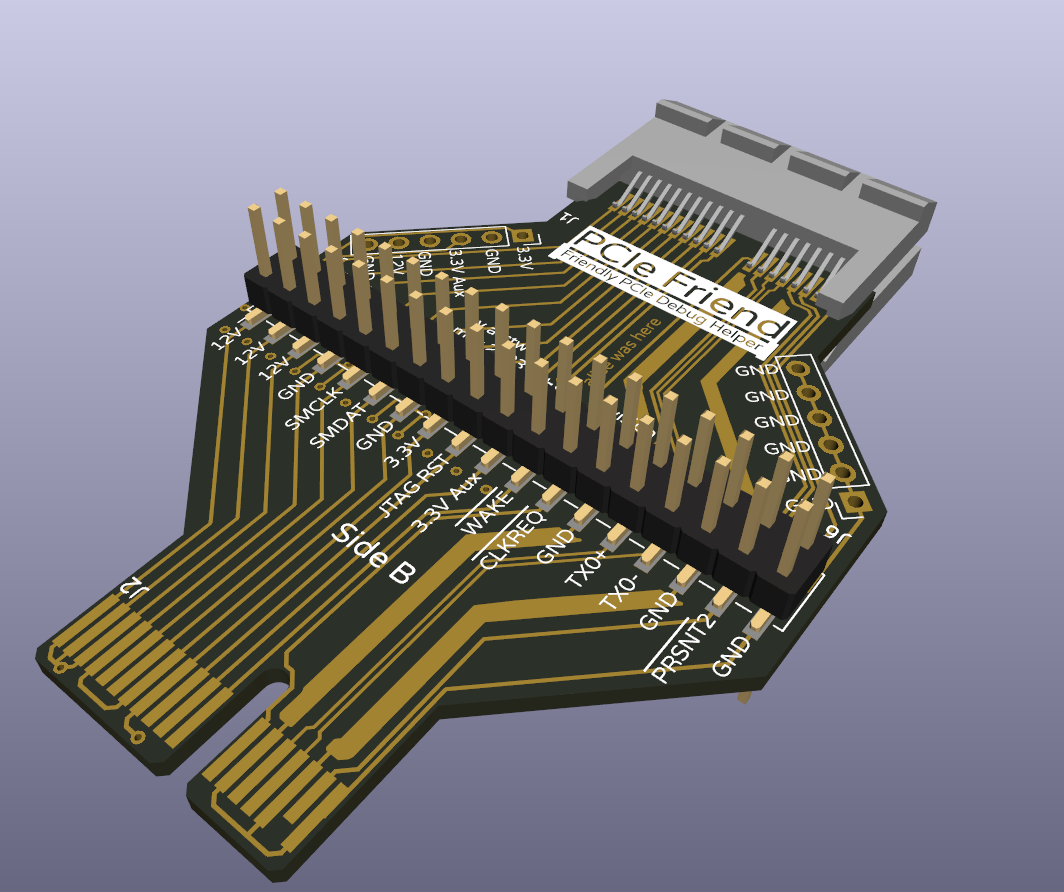
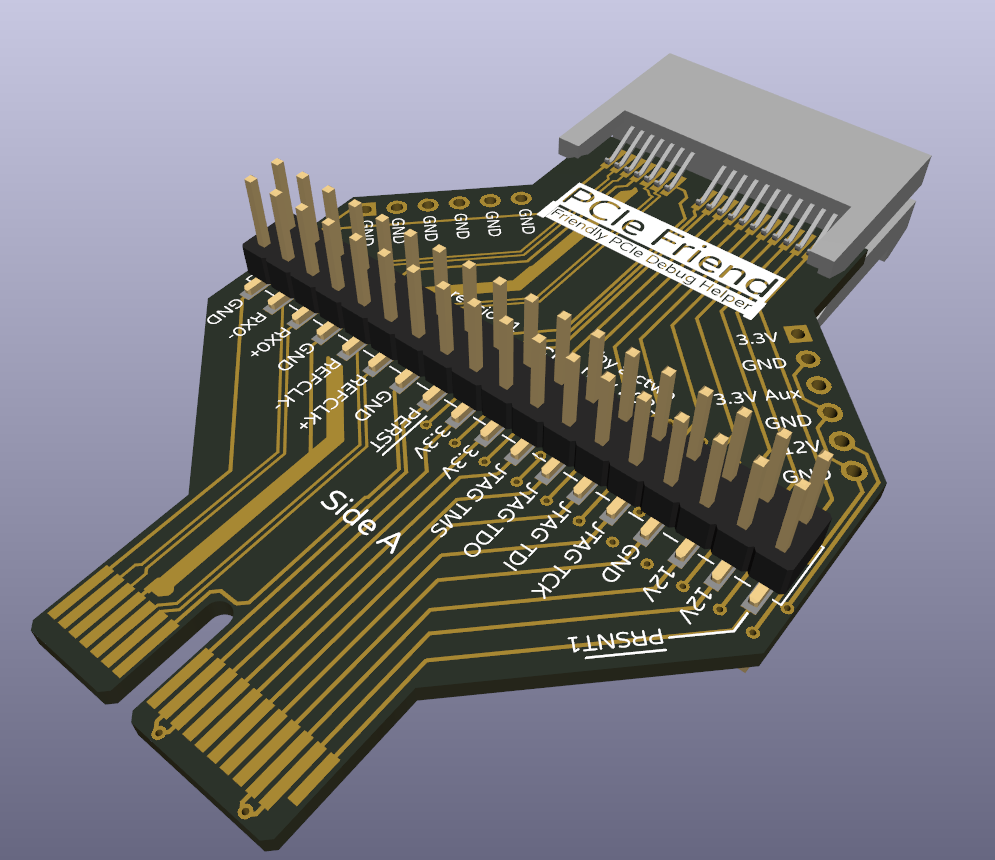
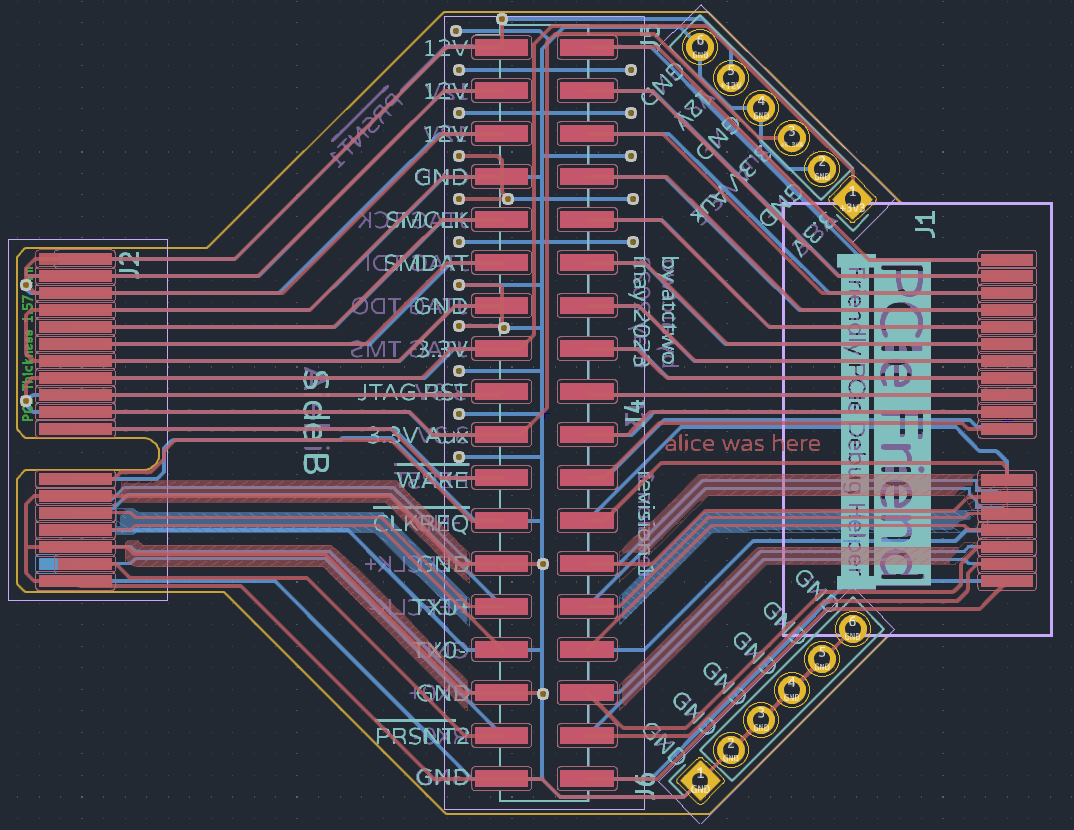
This is a very very simple debug board for PCIe x1 cards. It basically acts as a man-in-the-middle for each of the signals on the PCIe x1 connector, hopefully making it easier to measure each signal.
A PCIe card plugs into the device, which itself plugs into a PCIe slot. Each pin for both connectors are brought to the middle of the board, to a 2.54mm header. Normally most pairs of pins will be shorted using a jumper to allow the signal to pass, but debug probes can be connected to the pins to measure the signal.
Since PCIe makes use of several pairs of differential signals, using this board might have an impact on signal integrity, meaning there will probably be an impact on the bus' throughput. I've tried to keep the traces length matched, but they aren't impedance matched. I don't have the right equipment to assess how much the PCIe Friend changes the signal, so I would only recommend using it for debugging simple devices.
amphenol-magjack) [blocked]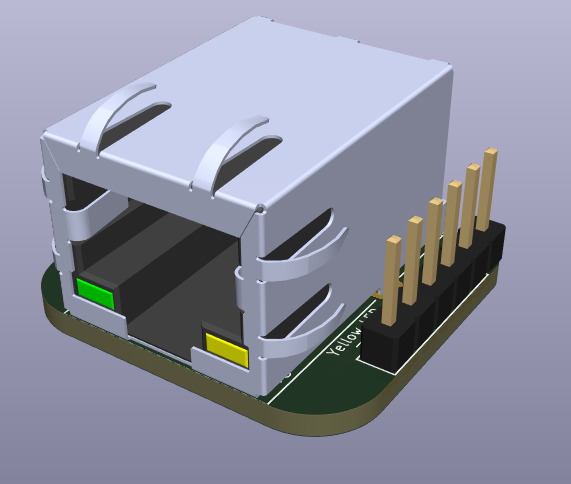
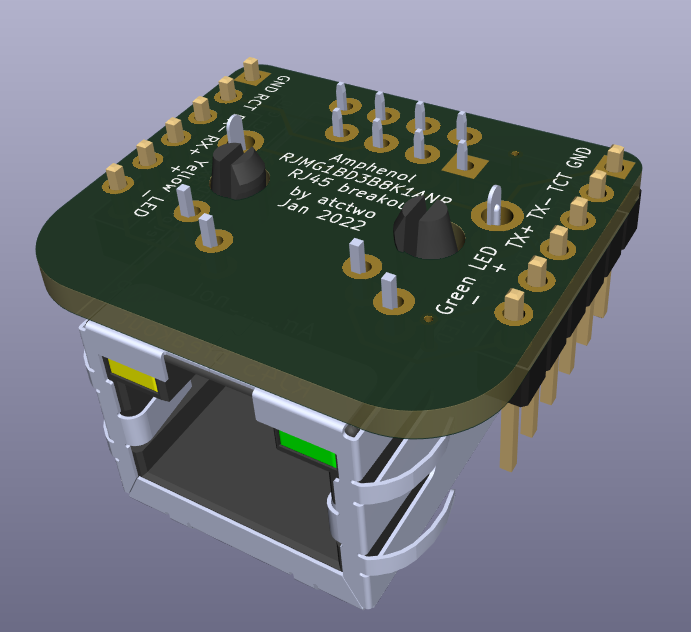
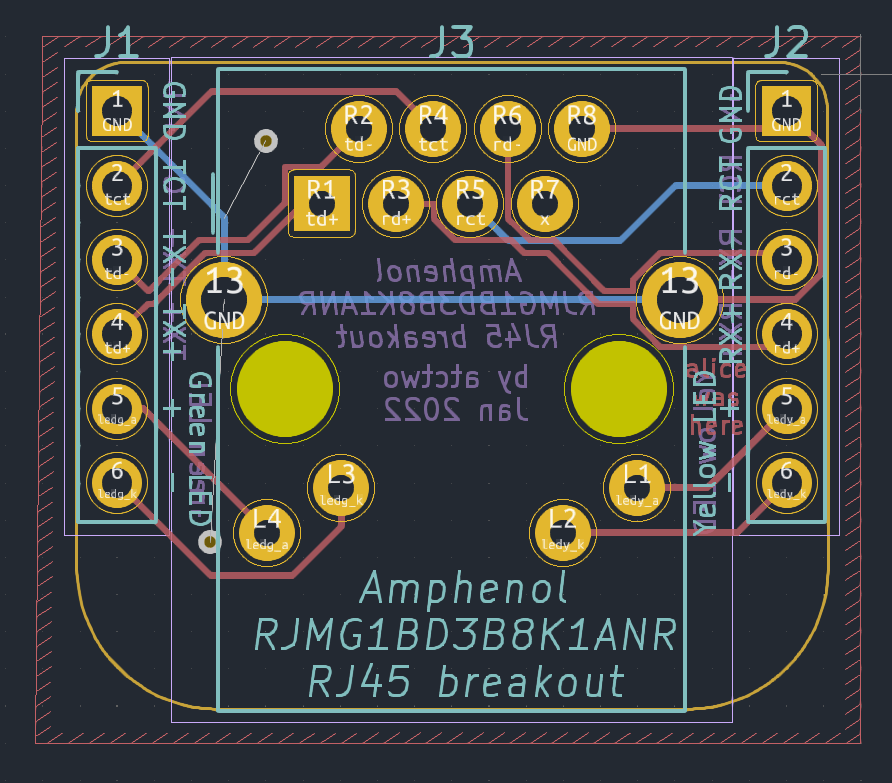
A breakout for the Amphenol RJMG1BD3B8K1ANR RJ45 connector with integrated magnetics (up to 100BASE-T). Traces are length matched but not impedance matched, so they should only be used for testing, and not in a production version.
esp32-wrover-breakout) [blocked]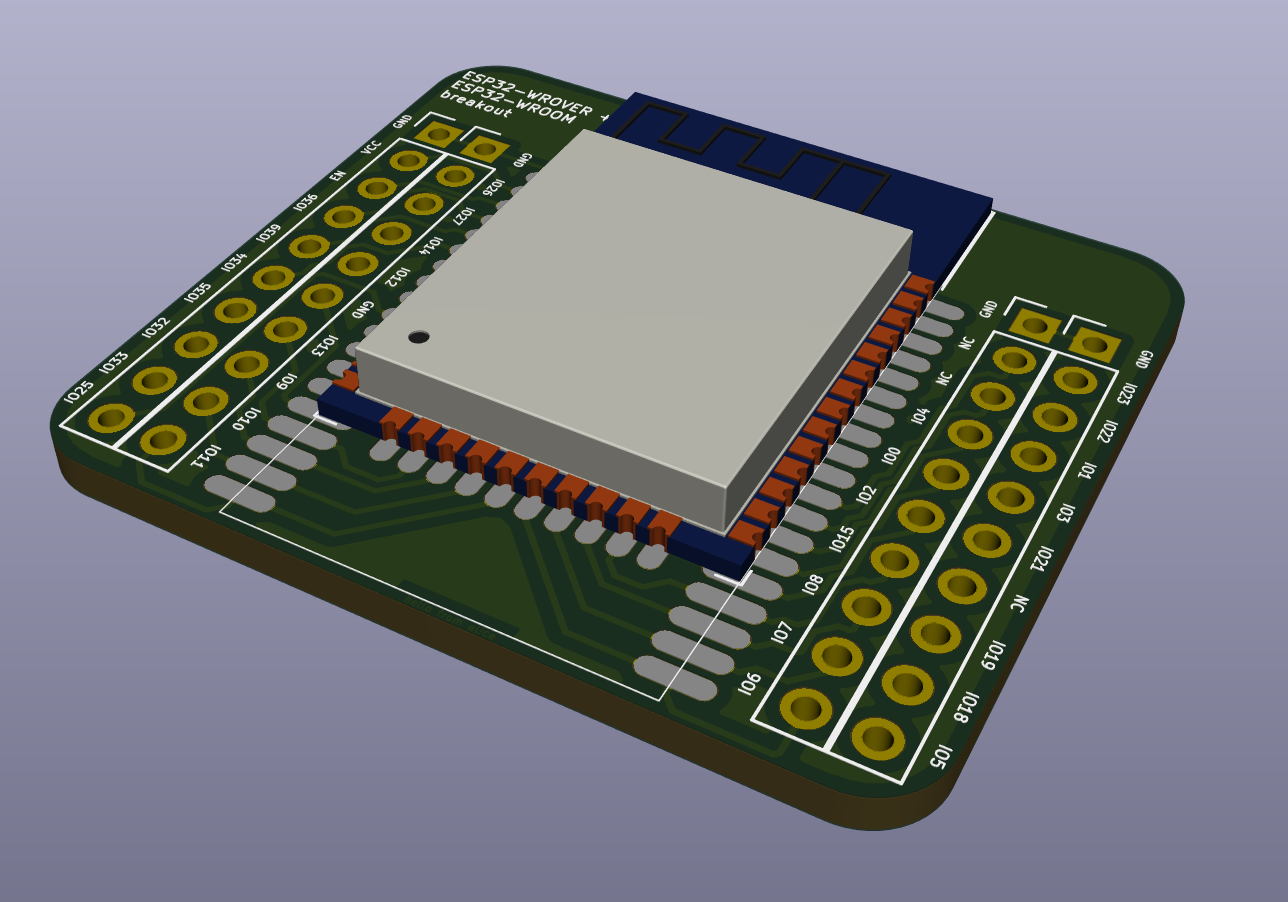
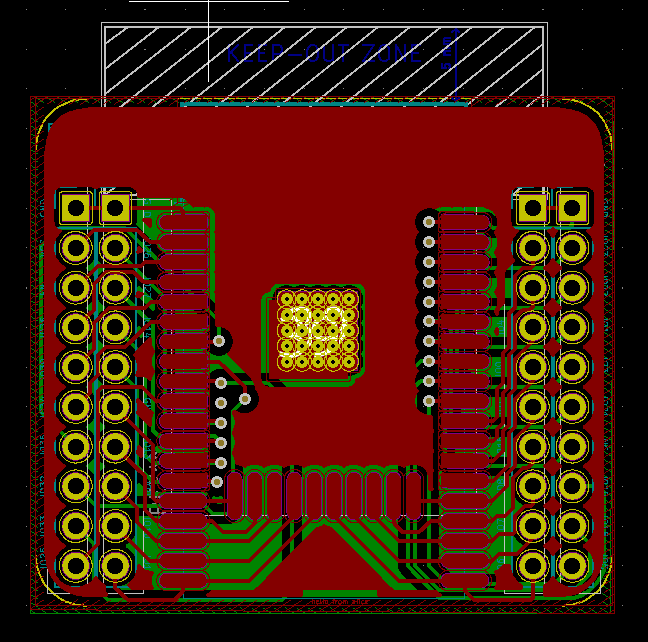
This is a breakout board for the ESP32-WROOM-32 and ESP32-WROVER modules. This probably won't work with the ESP32-S2.
i2c-mic-breakout) [blocked]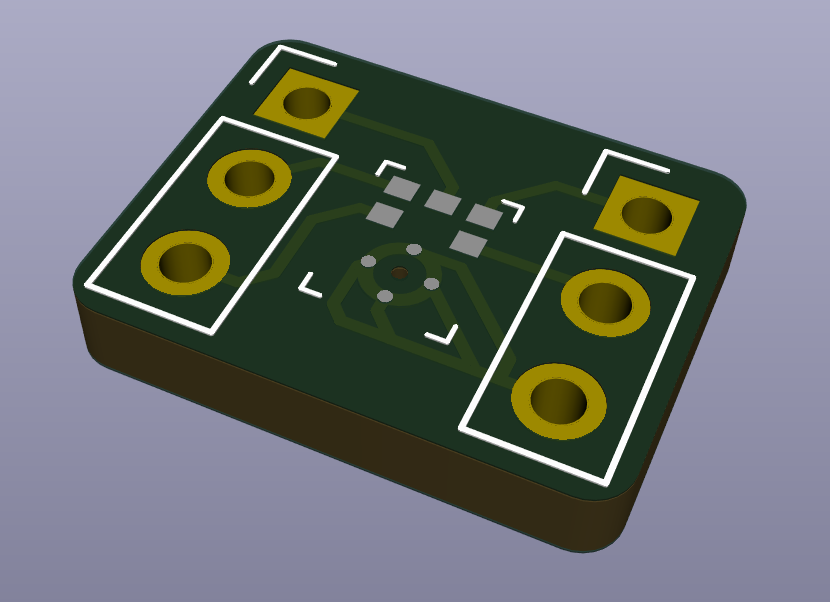
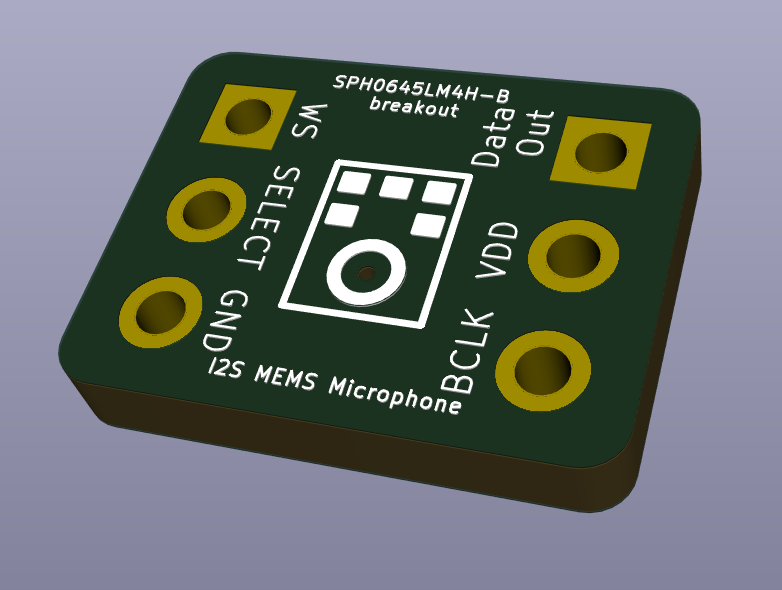
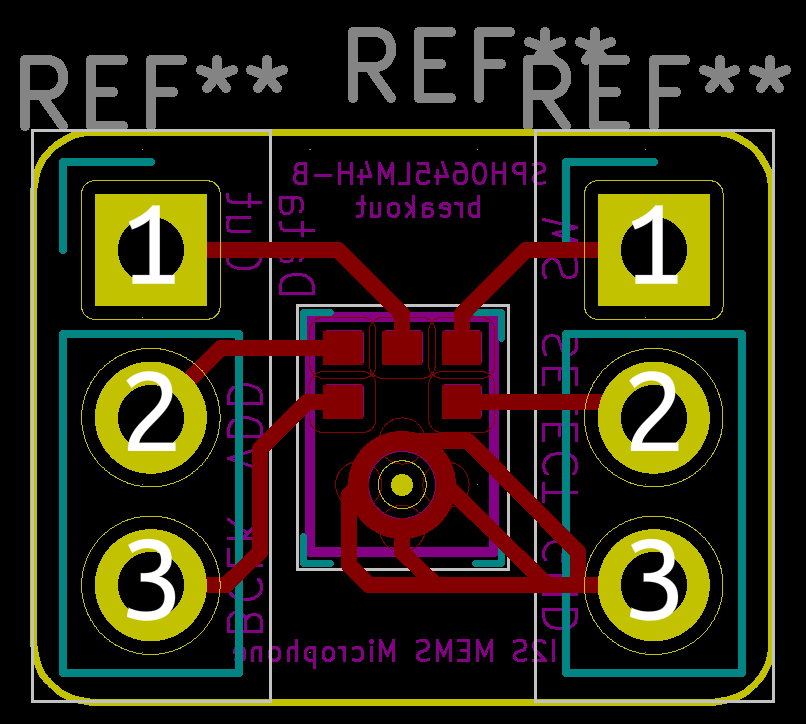
This is a breakout for the really tiny SPH0645LM4H-B, which is an I²S microphone.
alps-5-way-switch) [blocked]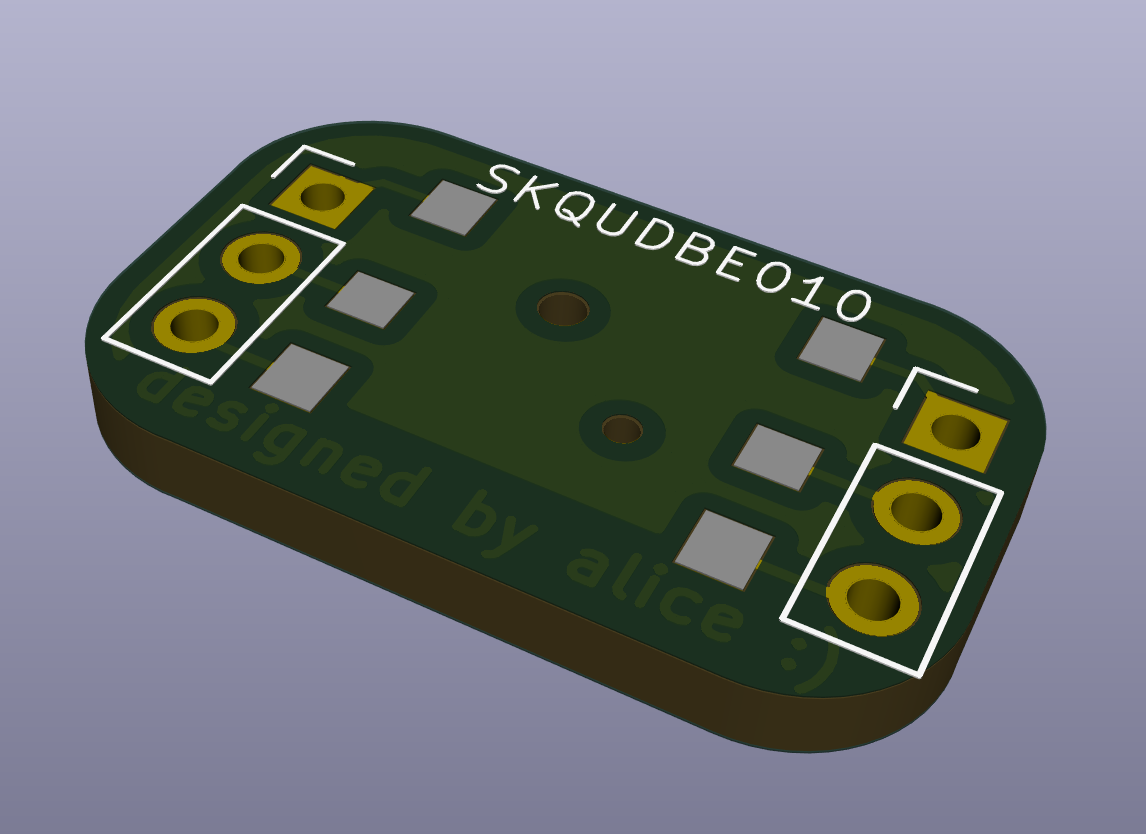
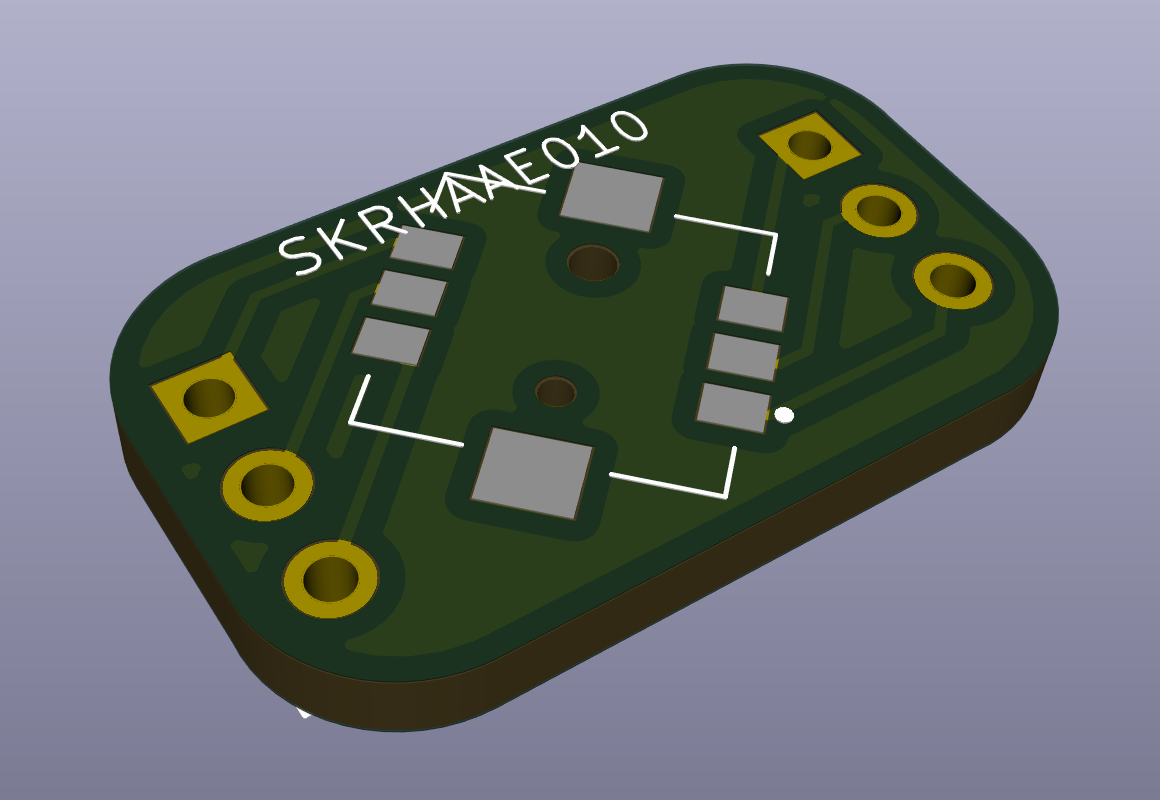
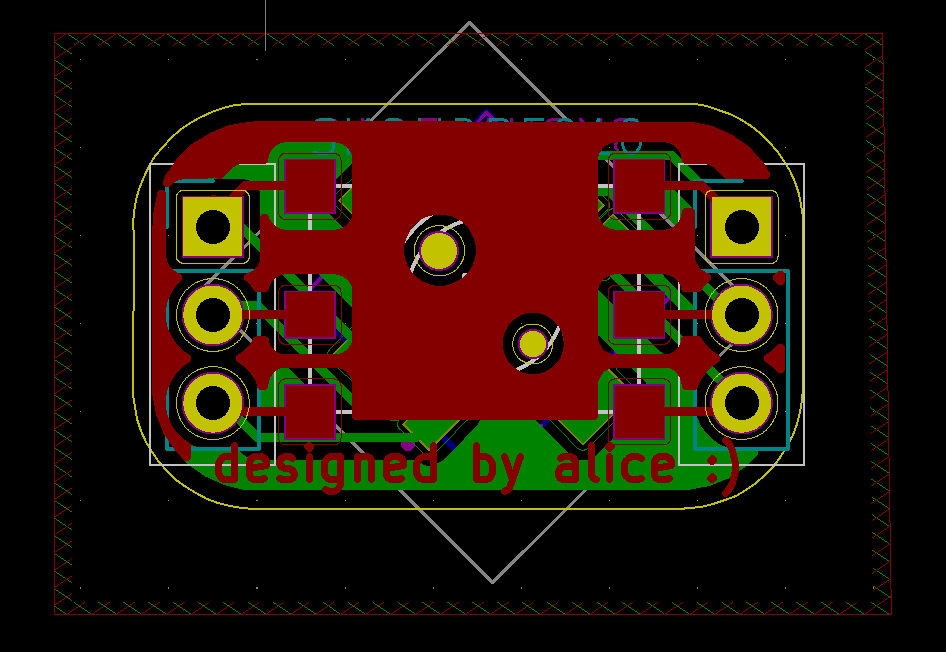
A breakout board for two five way switches designed by ALPS. One of the switches is the SKQUCAA010, which is now discontinued. The other switch is the SKRHAxE010, which isn't discontinued.
qfn-16-3mm-breakout) [blocked]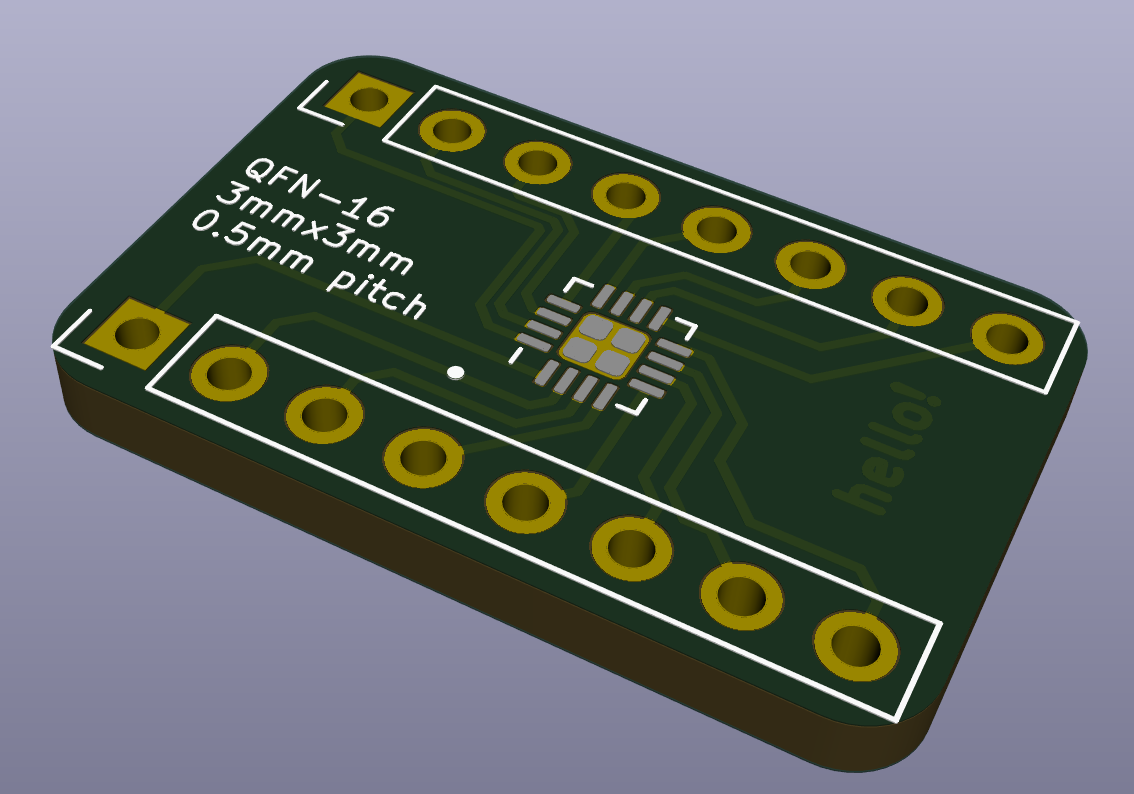
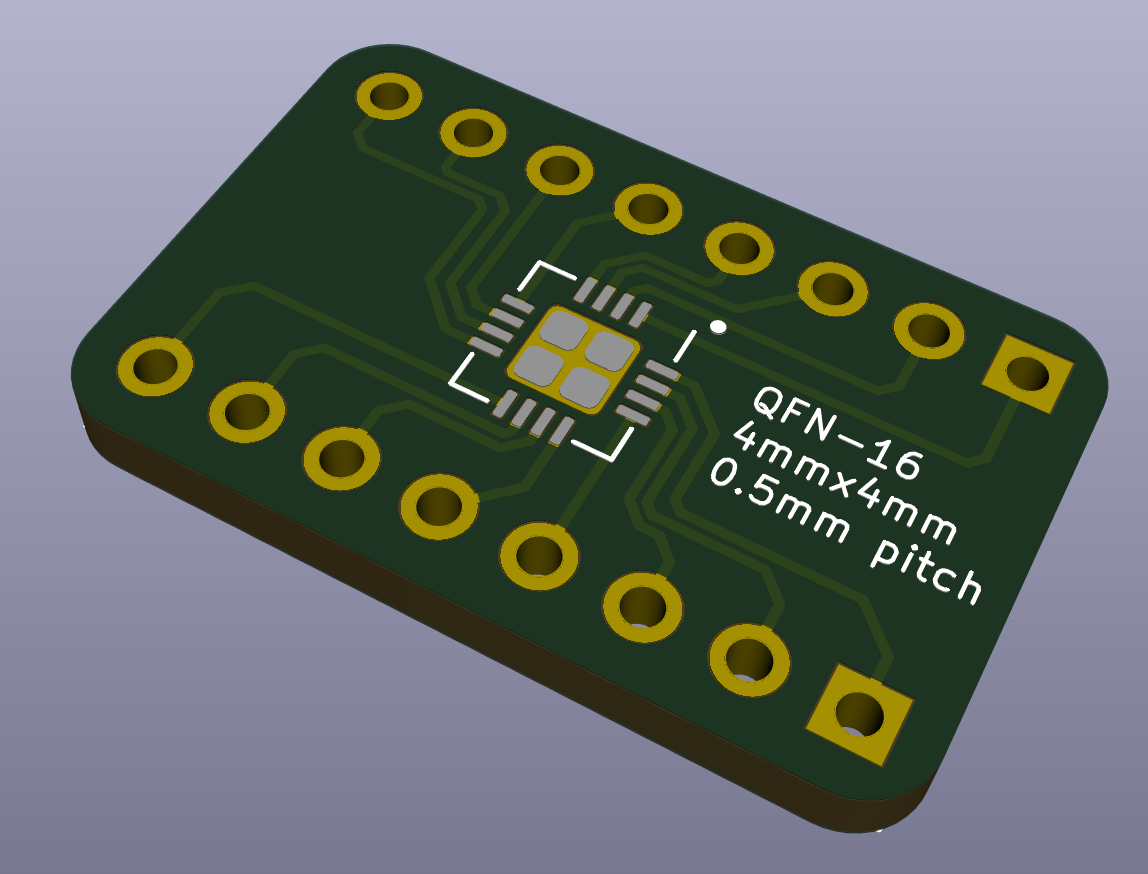
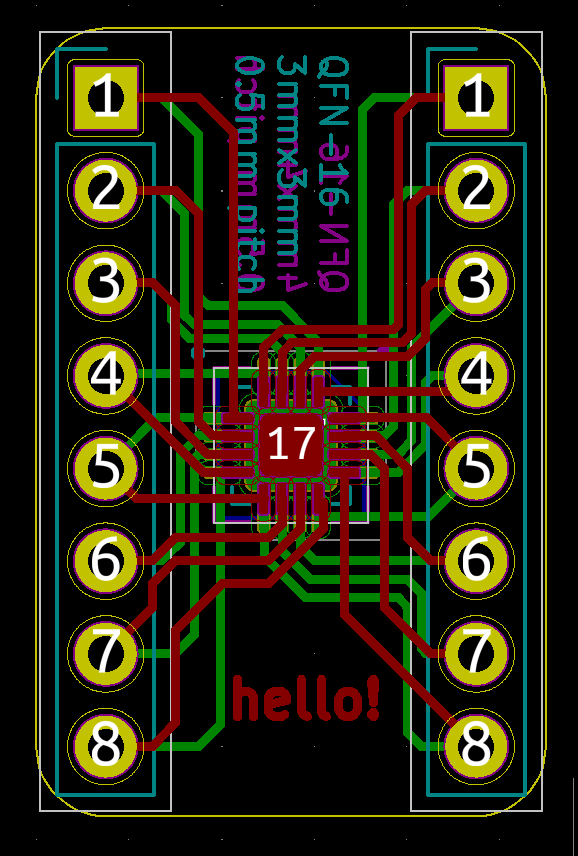
This is a breakout board for 3x3mm or 4x4mm QFN-16 chips that are 0.5mm pitch.
qfn-24-breakout) [blocked]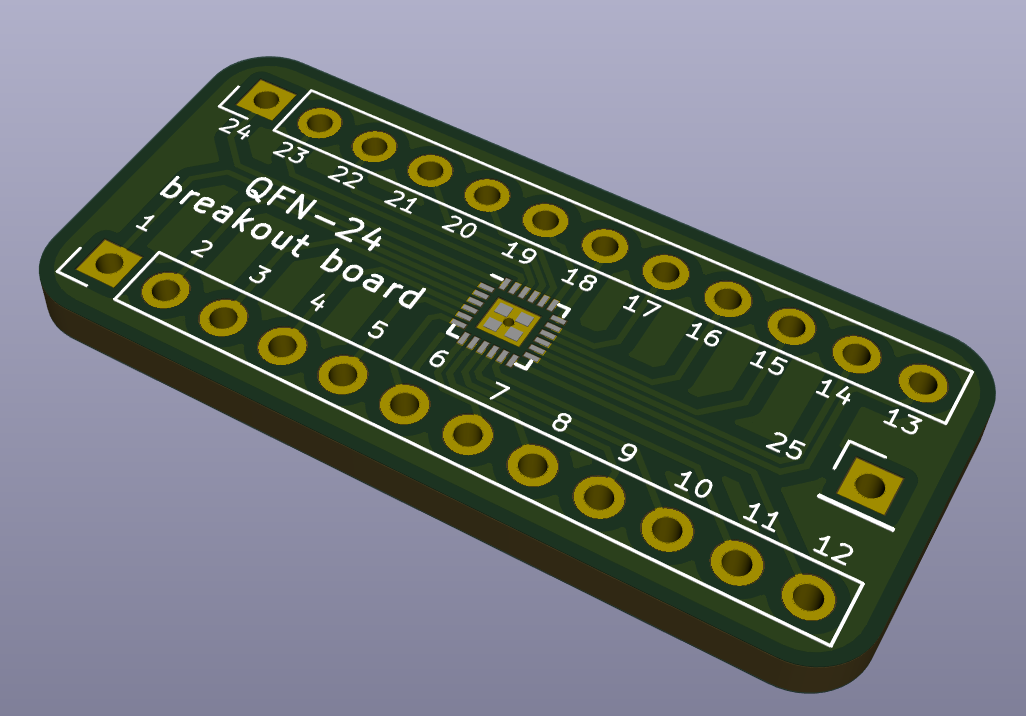
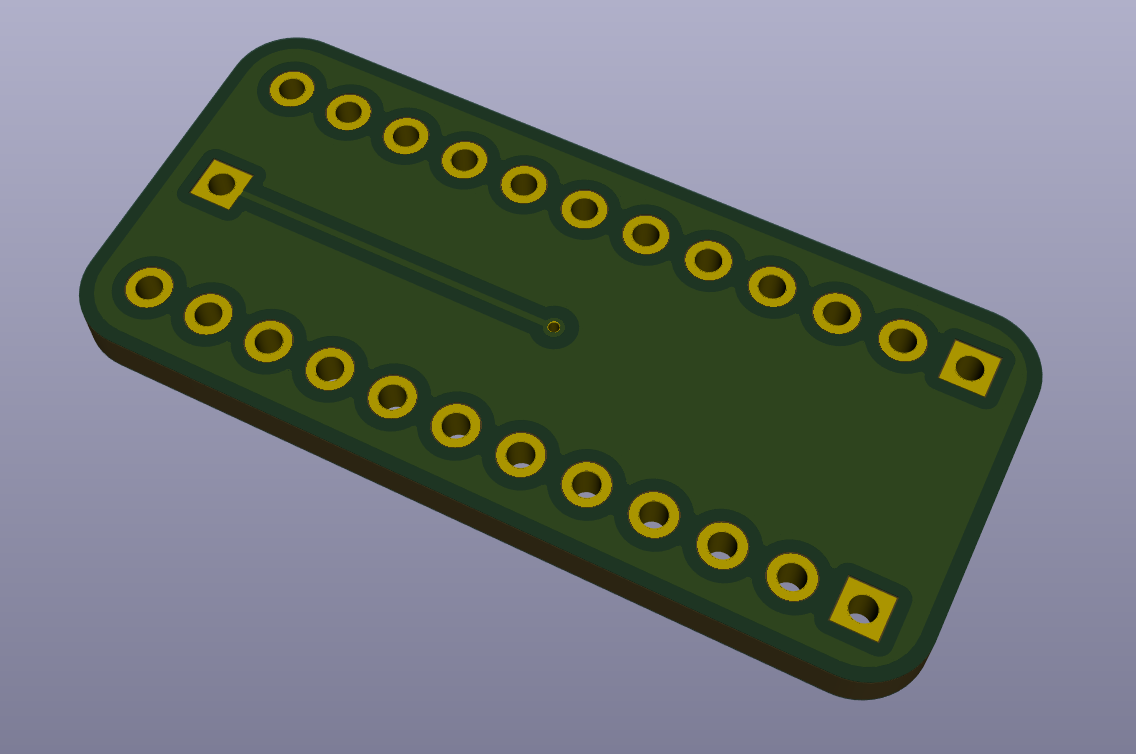
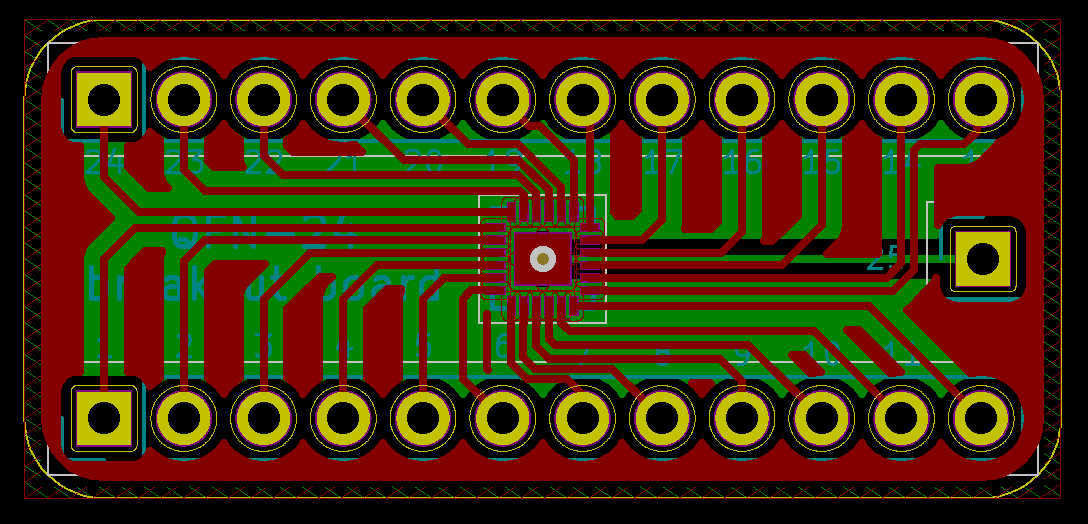
A breakout board for 3x3mm QFN-24 chips, with 0.4mm pitch. It is delibrately designed so that the chip is parallel with the board so chips like IMUs point upwards when connected to a breadboard.
qfp-80-breakout) [blocked]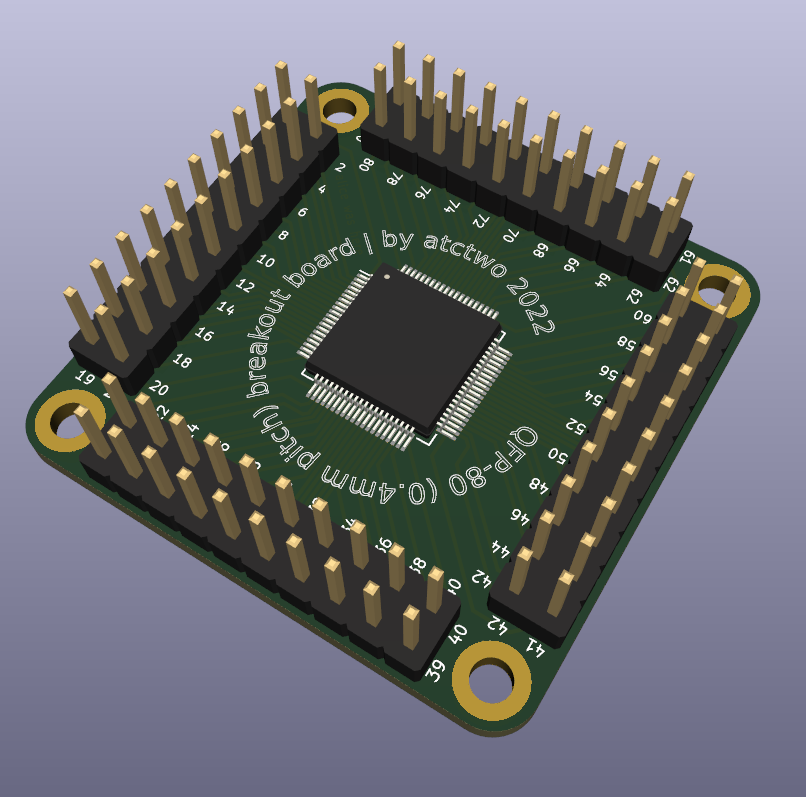
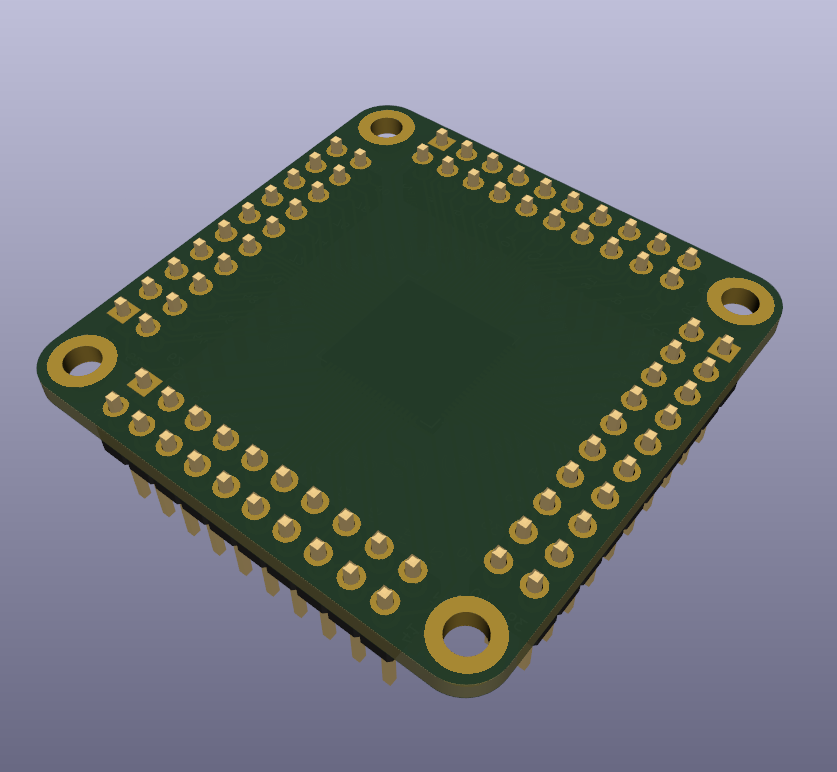
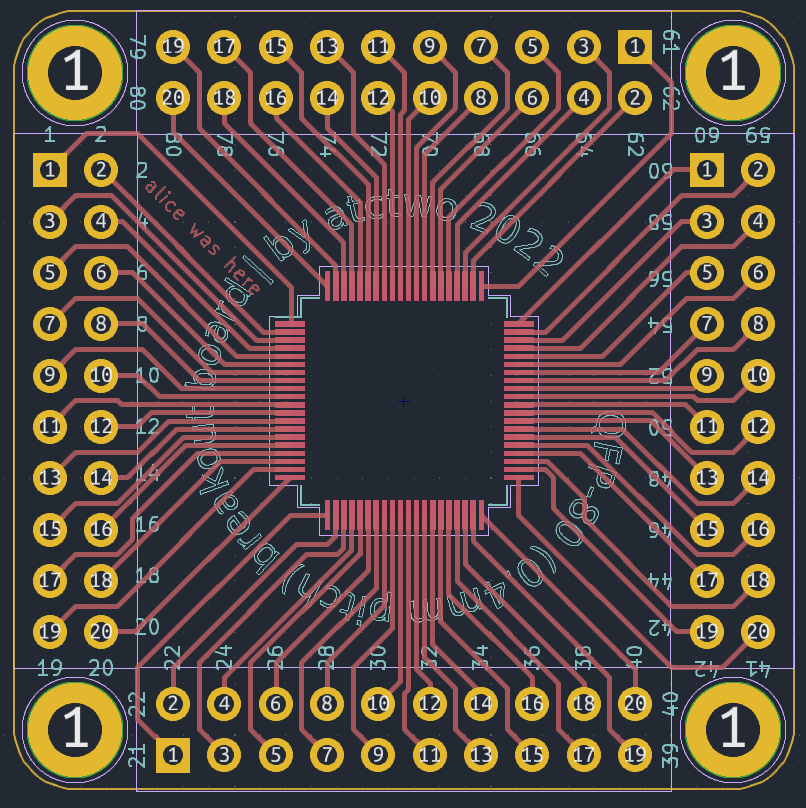
A breakout board for 0.4mm pitch QFP-80 ICs.
sot23-breakout) [blocked]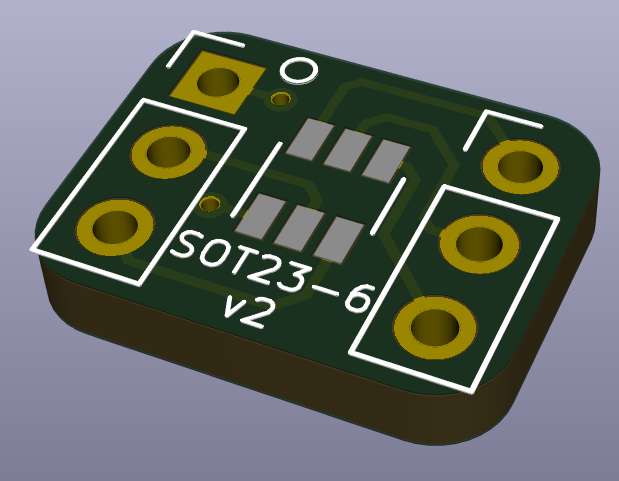
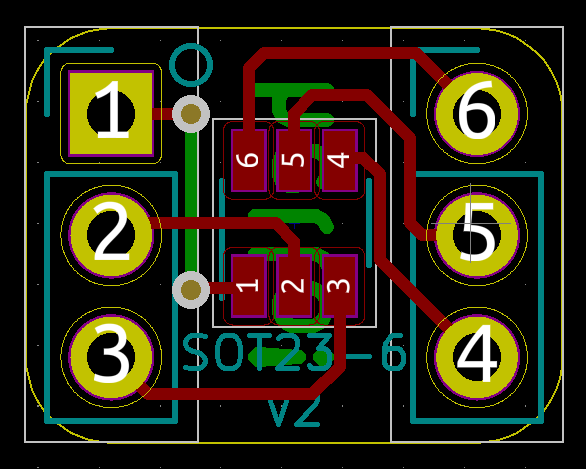
A breakout board for SOT23 chips with (up to) 6 pins. The pins are broken out in an anticlockwise way, so pin one on the SOT23 chip correlates to pin 1 on the board. There's a little circle beside pin one on the board.
fpc-0.5-30) [blocked]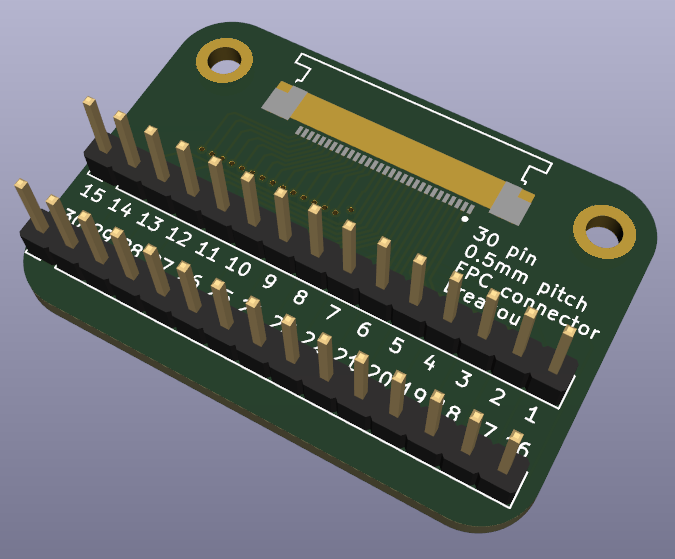
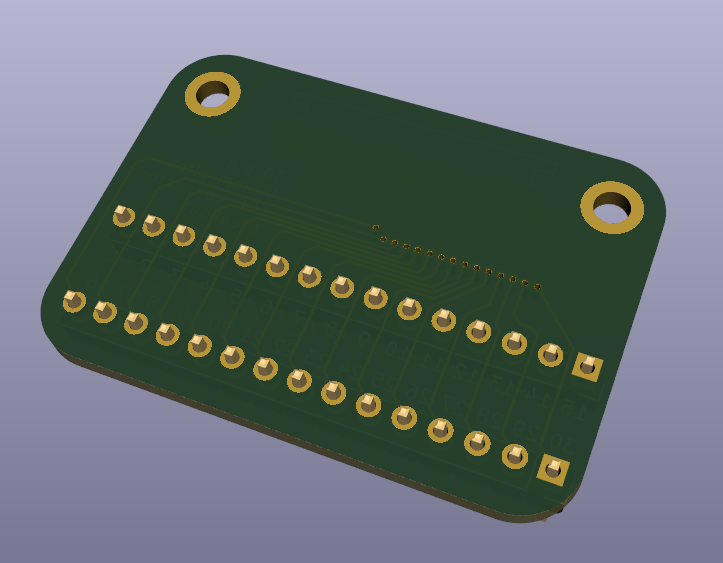
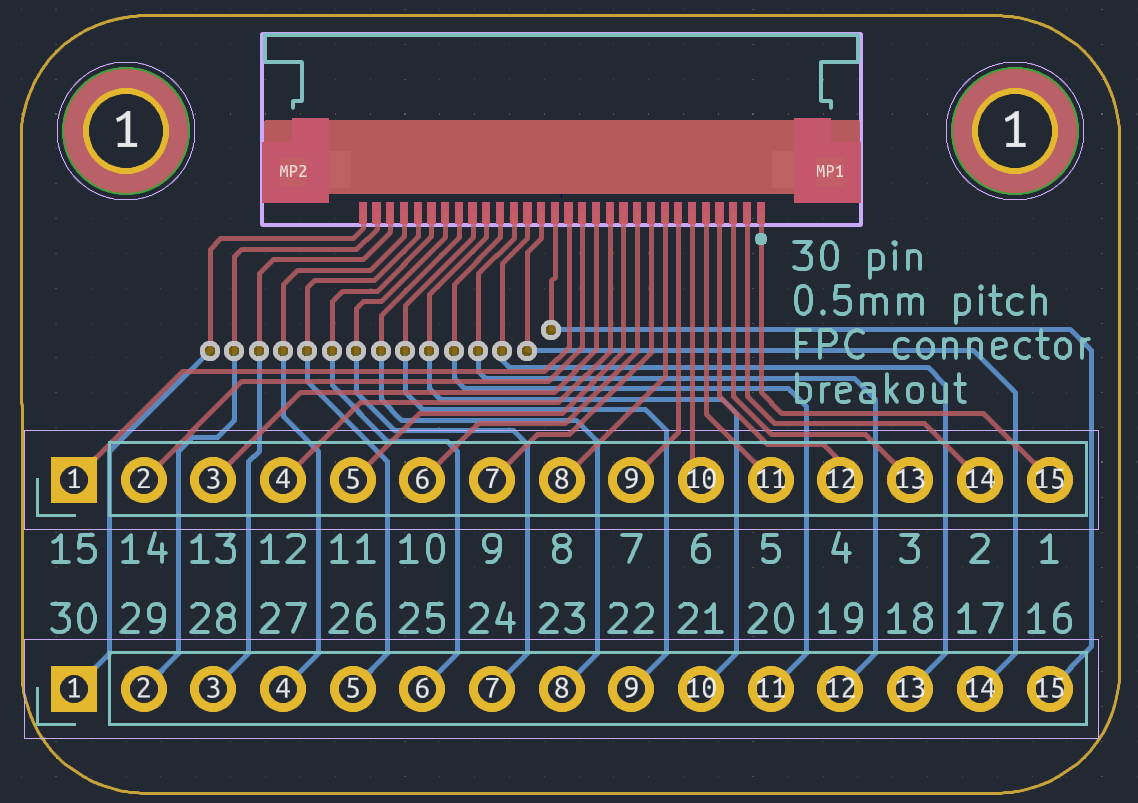
A breakout board for FPC connectors of 0.5mm pitch and (up to) 30 pins.
| Qty | Value | Footprint | References |
|---|---|---|---|
| 1 | GND | Connector_PinSocket_2.54mm:PinSocket_1x06_P2.54mm_Vertical | J6 |
| 1 | PCIe In | alice_kicad_footprints:CONN_5-1734857-1_TEC | J1 |
| 1 | PCIe Out | Connector_PCBEdge:BUS_PCIexpress_x1 | J2 |
| 1 | Power | Connector_PinSocket_2.54mm:PinSocket_1x06_P2.54mm_Vertical | J5 |
| 1 | Side A | Connector_PinHeader_2.54mm:PinHeader_2x18_P2.54mm_Vertical_SMD | J3 |
| 1 | Side B | Connector_PinHeader_2.54mm:PinHeader_2x18_P2.54mm_Vertical_SMD | J4 |

byrantech/laptop
anyon_e, a highly integrated, high end, open source laptop. Attempt the impossible.


Jcparkyn/dpoint
Open-source digital stylus using camera tracking and inertial measurements

VoronDesign/Voron-Hardware
Cool Hardware designed by the Voron Design group

hoglet67/RGBtoHDMI
Bare-metal Raspberry Pi project that provides pixel-perfect sampling of Retro Computer RGB/YUV video and conversion to HDMI

hackclub/OnBoard
💡 Join 1,000 teenagers and make your first PCB with a $100 grant!

Luos-io/luos_engine
Open-source and real-time orchestrator for cyber-physical-systems, to easily design, test and deploy embedded applications and digital twins.

It measures 61.1 × 47.4 mm and has 2 copper layers, 1.6 mm thick.
6 parts. The full list of its parts is on this page, with links to each part's symbol and footprint where PCBKit's library has them.
From the atctwo/assorted-breakouts repository on GitHub, at the commit this page was made from: the board is pcie_friend_2/pcie_friend_2.kicad_pcb and its schematic amphenol-magjack/amphenol-magjack.kicad_sch. PCBKit opens the board in the browser, with nothing to install.
Its repository states no licence, so its author keeps all rights: ask atctwo before reusing the design.