

2 layers347.7 × 146.6 mm
Mysterium pcb
coseyfannitutti/mysterium
TKL keyboard that can be entirely assembled using only through hole components, including usb type-c
227 parts541GPL-3.0

 Sho-Keebs/Svarog-keyboard2
Big and mighty - Svarog Keyboard
Svarog keyboard is an open-source printed circuit board by Sho-Keebs, from the Sho-Keebs/Svarog-keyboard repository on GitHub, published under the GPL-3.0 licence. It is a 2-layer board of 451.1 × 188.2 mm with 338 parts on 243 nets, routed with 1,661 tracks and 52 vias.
It is built around the ATMEGA32A-PU. Its parts include 131 diodes, 115 switches, 11 connectors, 7 resistors and 5 capacitors. It belongs with the keyboards and input boards and the AVR (ATmega, ATtiny) boards of this library.
This project is no longer under active developement. If you want to work on this, please contact me @ echelon.div@gmail.com.
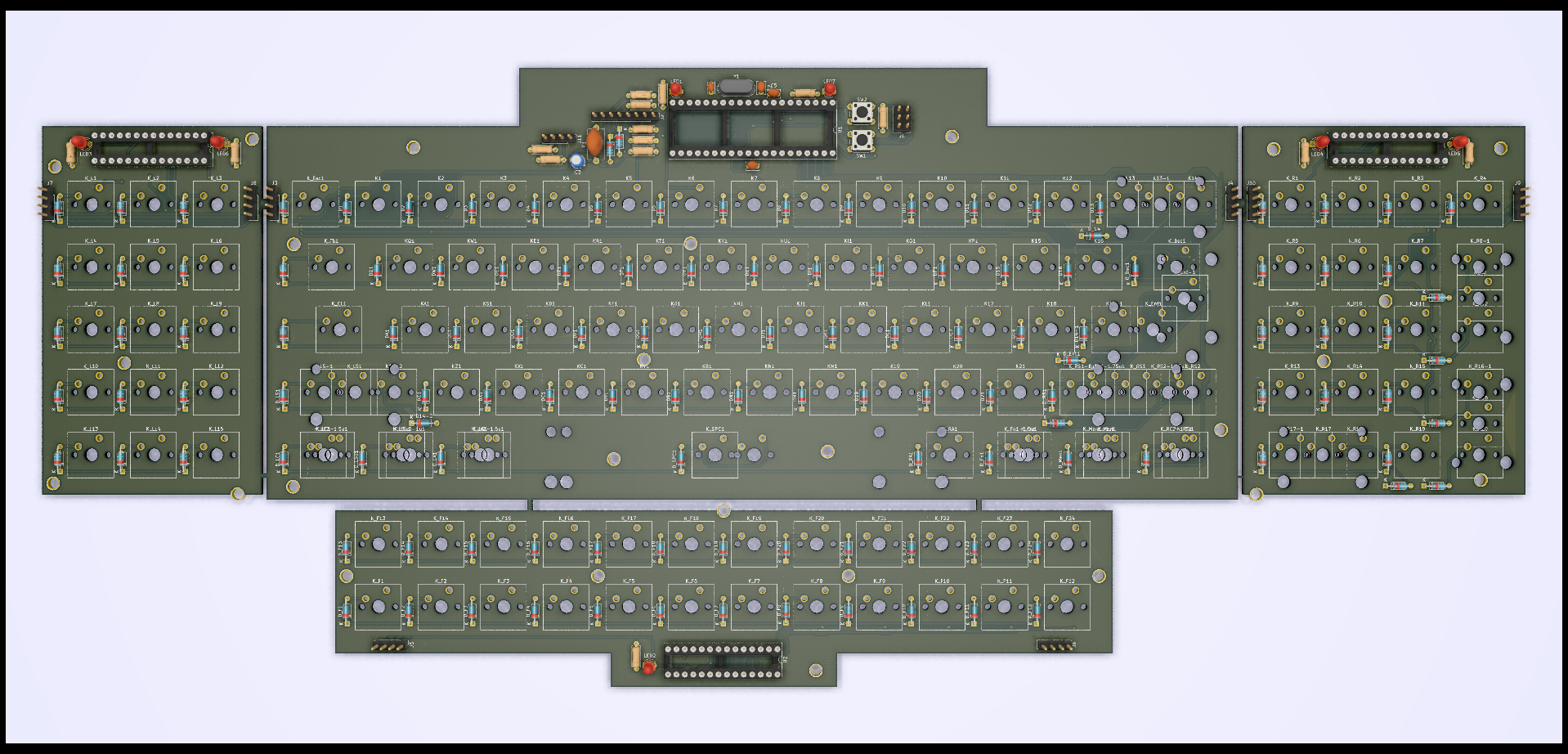

This is my first attempt to make mechanical keyboard. It was supposed to look little bit retro, and have as many additional keys as possible, without taking a lot of space. Additionaly it has customizable and optional sidepanels (Numerical and Navigational).
The whole project is released under GNU GPL v3. What does it mean? You can get fabrication files completely free of charge, modify the source files of keyboard, and even fabricate and sell it without me knowing it. What’s the catch then? You have to have few things in mind:
The goal is to use QMK. BUT Board is untested, no one built it yet. So obviously there is no working QMK configuration for it. You might get it working while using Discipline 65 config, but you won’t be able to get all keys working (if any), as pins on ATMega32A microcontroller are wired differently between these two keyboards.
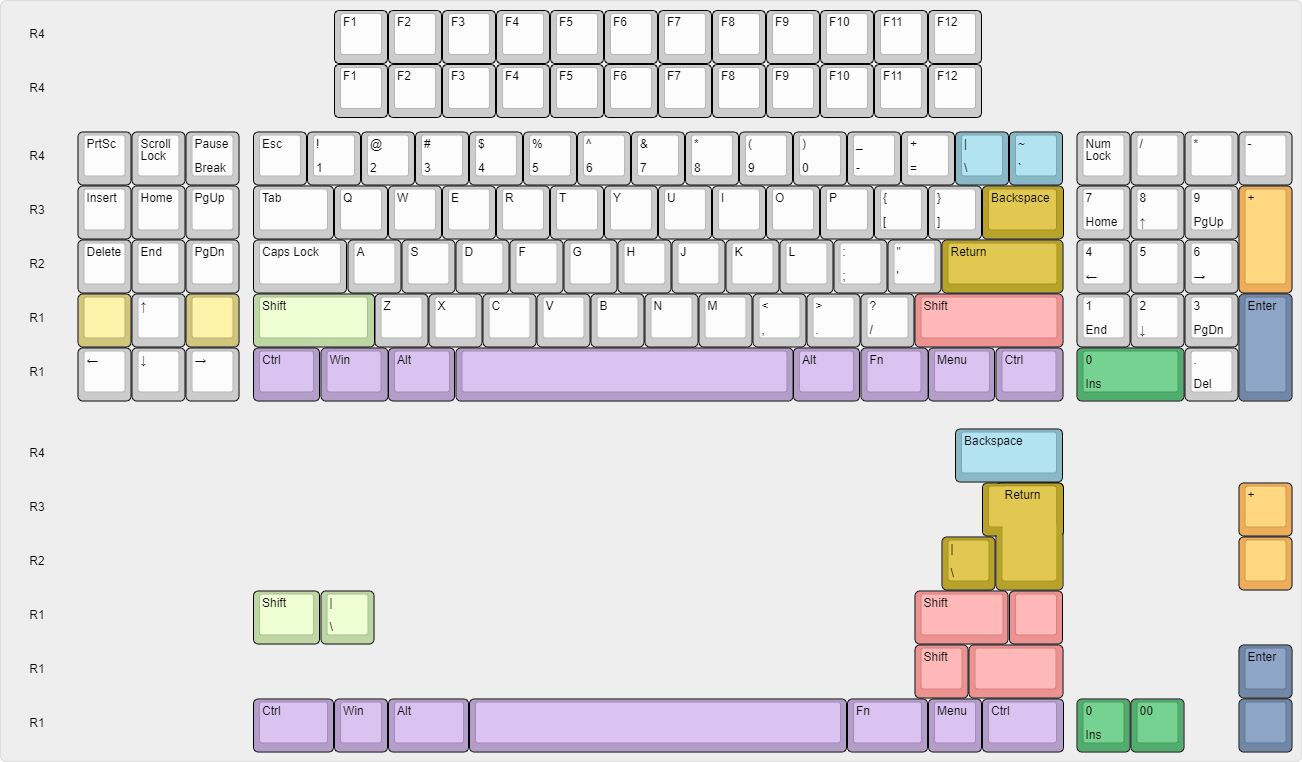
Backspace,SpacebarReturnLeft ShiftFull ShiftEnter (NumPad)0 / Ins+| Part | Amount | Picture |
|---|---|---|
| ATMega32A-PU | 1 | 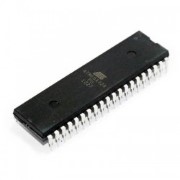 |
| DIP-40 15.24mm Socket | 1 | 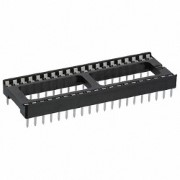 |
| MCP23017-E/SP | 3 | 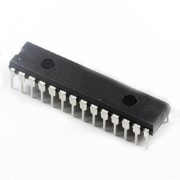 |
| DIP-28 7.62mm Socket | 3 | 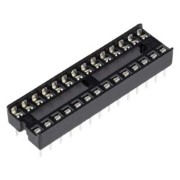 |
| MX Style 5-pin Switch | 124 | 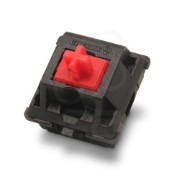 |
| Diodes 1N4148 | 124 | 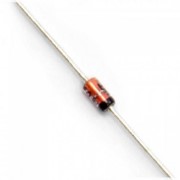 |
| ISP Header 02x03 2.54mm | 1 | 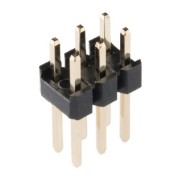 |
| 16 MHz Crystal | 1 | 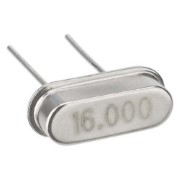 |
| 6mm Push Buttons | 2 | 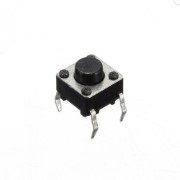 |
| LED 3.0mm | 7 | 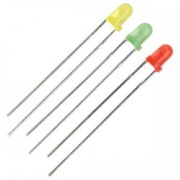 |
| Electrolictic Capacitor 4.7uF | 1 | 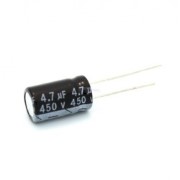 |
| Ceramic Capacitor 22pF | 2 | 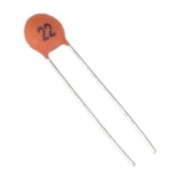 |
| Ceramic Capacitor 0.1uF | 2 | 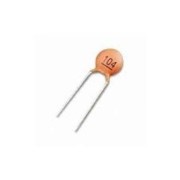 |
| Zener Diode 3.6V | 2 | 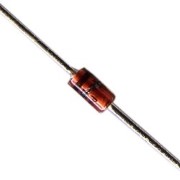 |
| Polyfuse 500mA | 1 | 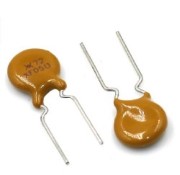 |
| Resistor 1.5k Ohm | 8 | 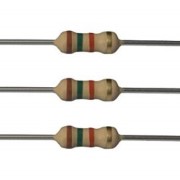 |
| Resistor 10k Ohm | 3 | 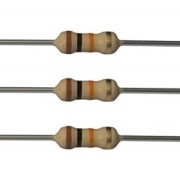 |
| Resistor 5.1k Ohm | 2 | 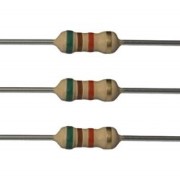 |
| Resistor 75 Ohm | 2 | 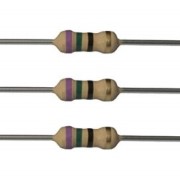 |
So as for now, I’ve published pre-release fabrication files for anyone who want to try to build and test it in it’s current form.
| Qty | Value | Footprint | References |
|---|---|---|---|
| 124 | D | Diode_THT:D_DO-35_SOD27_P7.62mm_Horizontal | D1, D2, D3, D10, D11, D12, D13, D14-1, D14-2, D15, D16, D17, D18, D19, D20, D21 +108 |
| 113 | KEYSW | Button_Switch_Keyboard:SW_Cherry_MX_1.00u_PCB | K1, K2, K10, K11, K12, K13, K14, K14-1, K14-2, K15, K16, K17, K18, K19, K20, K21 +97 |
| 26 | keyboard_parts:HOLE_M3 | , , , , , , , , , , , , , , , +10 | |
| 9 | I2C | Connector_PinHeader_2.54mm:PinHeader_1x04_P2.54mm_Vertical | J3, J4, J5, J6, J7, J8, J9, J10, J11 |
| 8 | 1.5k | Resistor_THT:R_Axial_DIN0207_L6.3mm_D2.5mm_P7.62mm_Horizontal | R_CPS1, R_NUM1, R_SCR1, R2, R5, R8, R9, R10 |
| 8 | KEYSW | Button_Switch_Keyboard:SW_Cherry_MX_1.25u_PCB | K_Fn1, K_LA1, K_LC1, K_LS-1, K_LSu1, K_Men1, K_RA1, K_RC1 |
| 6 | KEYSW | Button_Switch_Keyboard:SW_Cherry_MX_1.50u_PCB | K_Bsc1, K_Fn1-1.5u1, K_LA2-1.5u1, K_LC2-1.5u1, K_RC2-1.5u1, K_Tb1 |
| 4 | POWER | LED_THT:LED_D3.0mm | LED1, LED2, LED3, LED4 |
| 3 | 10k | Resistor_THT:R_Axial_DIN0207_L6.3mm_D2.5mm_P7.62mm_Horizontal | R1, R11, R12 |
| 3 | KEYSW | Button_Switch_Keyboard:SW_Cherry_MX_1.75u_PCB | K_CL1, K_RS1-1.75u1, K_RS2-1.75u1 |
| 3 | MCP23017_SP | Package_DIP:DIP-28_W7.62mm_Socket | U2, U3, U4 |
| 2 | 0.1u | Capacitor_THT:C_Disc_D3.8mm_W2.6mm_P2.50mm | C4, C5 |
| 2 | 3.6V | Diode_THT:D_DO-35_SOD27_P7.62mm_Horizontal | DZ2, DZ3 |
| 2 | 5.1k | Resistor_THT:R_Axial_DIN0207_L6.3mm_D2.5mm_P7.62mm_Horizontal | R6, R7 |
| 2 | 75R | Resistor_THT:R_Axial_DIN0207_L6.3mm_D2.5mm_P7.62mm_Horizontal | R3, R4 |
| 2 | KEYSW | Button_Switch_Keyboard:SW_Cherry_MX_2.00u_PCB | K_R17, K13-1 |
| 2 | KEYSW | Button_Switch_Keyboard:SW_Cherry_MX_2.00u_Vertical_PCB | K_R8, K_R16 |
| 2 | KEYSW | Button_Switch_Keyboard:SW_Cherry_MX_2.25u_PCB | K_Ent1, K_LS1 |
| 1 | 22p | Capacitor_THT:C_Disc_D3.8mm_W2.6mm_P2.50mm | C2 |
| 1 | 22p | Capacitor_THT:C_Disc_D3.4mm_W2.1mm_P2.50mm | C1 |
| 1 | 4.7u | Capacitor_THT:CP_Radial_D4.0mm_P1.50mm | C3 |
| 1 | 500mA | Capacitor_THT:C_Disc_D9.0mm_W5.0mm_P10.00mm | F1 |
| 1 | ATmega32A-PU | Package_DIP:DIP-40_W15.24mm_Socket | U1 |
| 1 | AVR-ISP-6 | Connector_PinHeader_2.54mm:PinHeader_2x03_P2.54mm_Vertical | J1 |
| 1 | Caps Lock | LED_THT:LED_D3.0mm | LED7 |
| 1 | Conn_01x08_Male | Connector_PinHeader_2.54mm:PinHeader_1x08_P2.54mm_Vertical | J2 |
| 1 | Crystal | Crystal:Crystal_HC49-4H_Vertical | Y1 |
| 1 | KEYSW | Button_Switch_Keyboard:SW_Cherry_MX_ISOEnter_PCB | K_Ent-1 |
| 1 | KEYSW | MX_Only:MXOnly-7U-NoLED | K_SPC2-7u1 |
| 1 | KEYSW | Button_Switch_Keyboard:SW_Cherry_MX_6.25u_PCB | K_SPC1 |
| 1 | KEYSW | Button_Switch_Keyboard:SW_Cherry_MX_2.75u_PCB | K_RS1 |
| 1 | Num Lock | LED_THT:LED_D3.0mm | LED5 |
| 1 | SW_BOOT | Button_Switch_THT:SW_PUSH_6mm | SW1 |
| 1 | SW_RESET | Button_Switch_THT:SW_PUSH_6mm | SW2 |
| 1 | Scroll Lock | LED_THT:LED_D3.0mm | LED6 |
coseyfannitutti/mysterium
TKL keyboard that can be entirely assembled using only through hole components, including usb type-c


null-ll/basketweave
Through-hole Alice-style keyboard with arrow keys and a rotary encoder


lyso1/LCK75
a 75% through-hole keyboard designed by myself with inspiration from the CFTKB Discipline and Yiancar Gingham

dsanchezseco/punk75
Ortholinear keyboard with 75 keys and all components through hole
It measures 451.1 × 188.2 mm and has 2 copper layers, 1.6 mm thick.
338 parts, built around the ATMEGA32A-PU. The full list of its parts is on this page, with links to each part's symbol and footprint where PCBKit's library has them.
From the Sho-Keebs/Svarog-keyboard repository on GitHub, at the commit this page was made from: the board is pcb/svarog-keyboard.kicad_pcb. PCBKit opens the board in the browser, with nothing to install.
Its repository publishes it under the GPL-3.0 licence: you may reuse it on that licence's terms (keep the author's notice, and for a copyleft licence share your changes alike).