2 layers17.8 × 35.6 mm
82S100 1502replacement Rev1b
RetroNynjah/82S100-PLA-replacement
ATF1502 based PLA replacement
5 parts7GPL-3.0

 RetroNynjah/82S100-PLA-replacement7
ATF1502 based PLA replacement
82S100 1502replacement Rev1 is an open-source printed circuit board by RetroNynjah, from the RetroNynjah/82S100-PLA-replacement repository on GitHub, published under the GPL-3.0 licence. It is a 2-layer board of 17.8 × 35.6 mm with 7 parts on 39 nets, routed with 116 tracks and 9 vias.
Its parts include 2 capacitors, 2 connectors and 1 IC. It belongs with the retro computing and games boards and the FPGA and CPLD boards of this library.
This replacement is a remix of an old design by Mattis Lind based on the ATF1502 and compatible PLDs.
Revision 1 of the board uses the same pinout so my board can be used with MattisLind's C64 PLA code without modification.
Revision 1b is reverted. The parts are on the back side giving the PLA a cleaner look. Because it's inverted, the pinout of the CPLD is different and it needs different code. Grab code for the right PCB!
I have made minor adjustments to Mattis's code to enable the CE pin. The CE pin is grounded in all Commodore machines but this makes the PLA match the original better when tested in chip testers that test the CE pin. The code is written in CUPL. PLD, JED and SVF files are available in the hdl folder for each board revision. I have created PLA code for the below models
| Model | Part number |
|---|---|
| C64 | 906114-01 |
| CBM-II HP | 906114-05 |
| C16 & Plus/4 | 251641-02 |
| CBM 1551 | 251641-03 |
The CPLD is programmed using JTAG. I'm writing the with svf files using OpenOCD and a FT232H USB breakout board.
Just be sure to grab the right svf file for your pcb revision.
I have custom logic device definitions for Xgpro for the Minipro TL866-II and T48. Those can be used to verify that you have written the correct file and that the PCB is soldered correctly.
The part count is low: One ATF1502 CPLD, two 100nF caps (0603) and suitable pin headers.
For rev 1, I prefer flat pins (Arduino stackable headers) or SIL contact strips like TE 1544210-2 for a number of reason. They give a much lower profile, they stick better to sockets than round machined pins do and they are not as fragile as machined pins. The low profile is ideal for the Plus/4 and the 1551 paddle PLA.
For rev 1b, machined pins are better as the components are mounted on the back side and the machined headers adds the necessary clearance.
The CPLD I've been using and recommend is ATF1502ASL-25AU44. It's possible that other varations may work too but it needs to be a 5V part. The 10ns version is causing glitches when used for a C64 PLA.
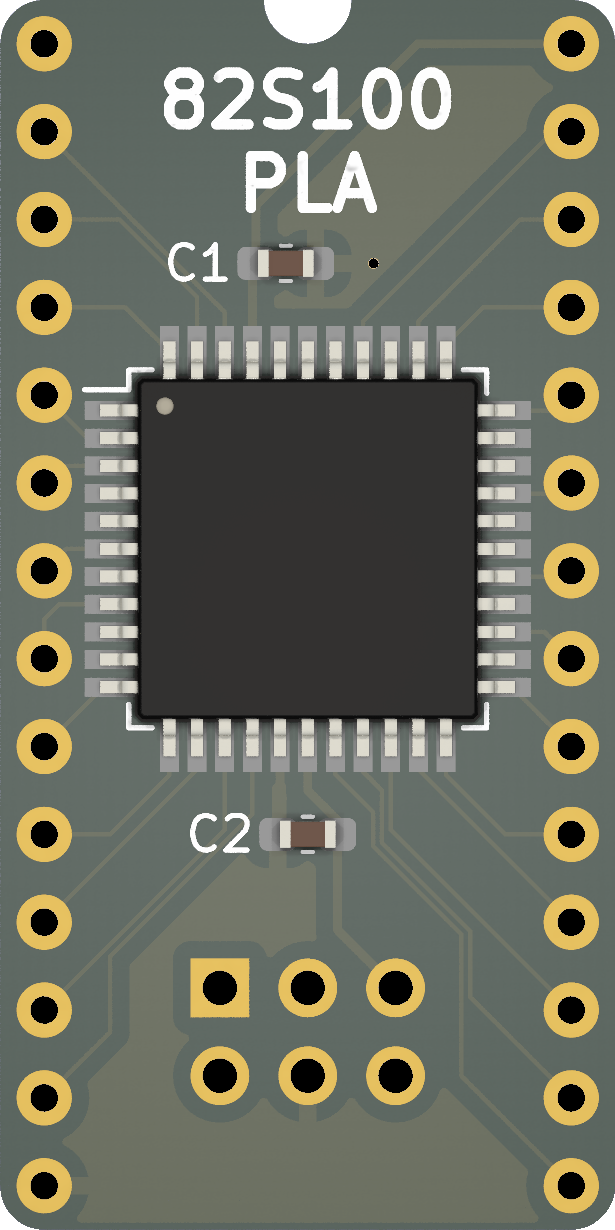
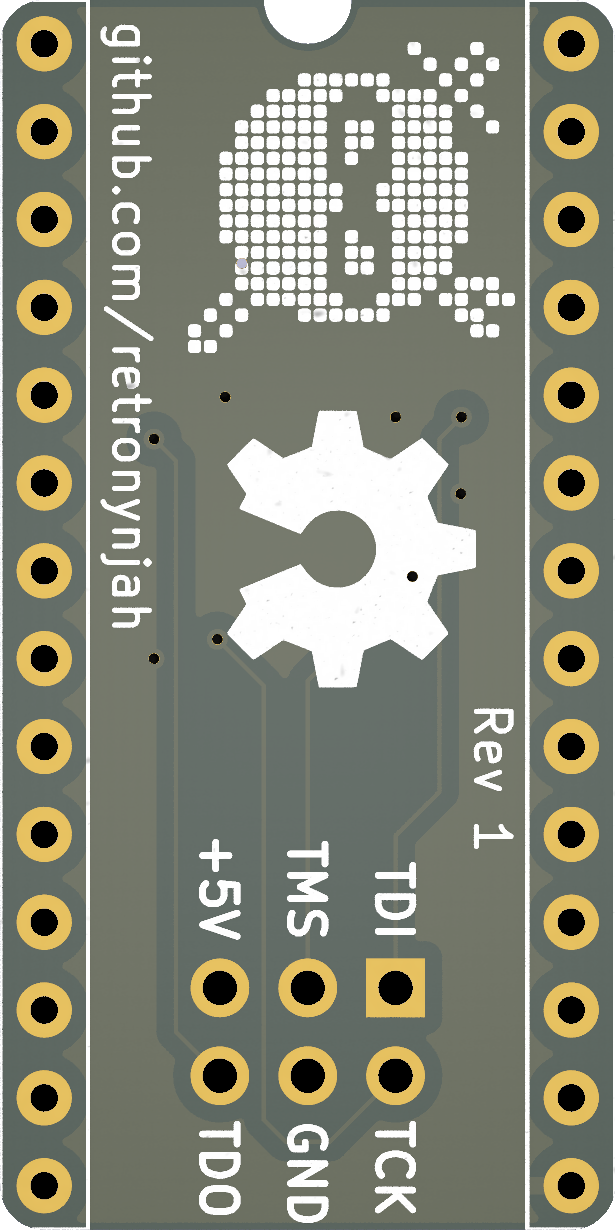
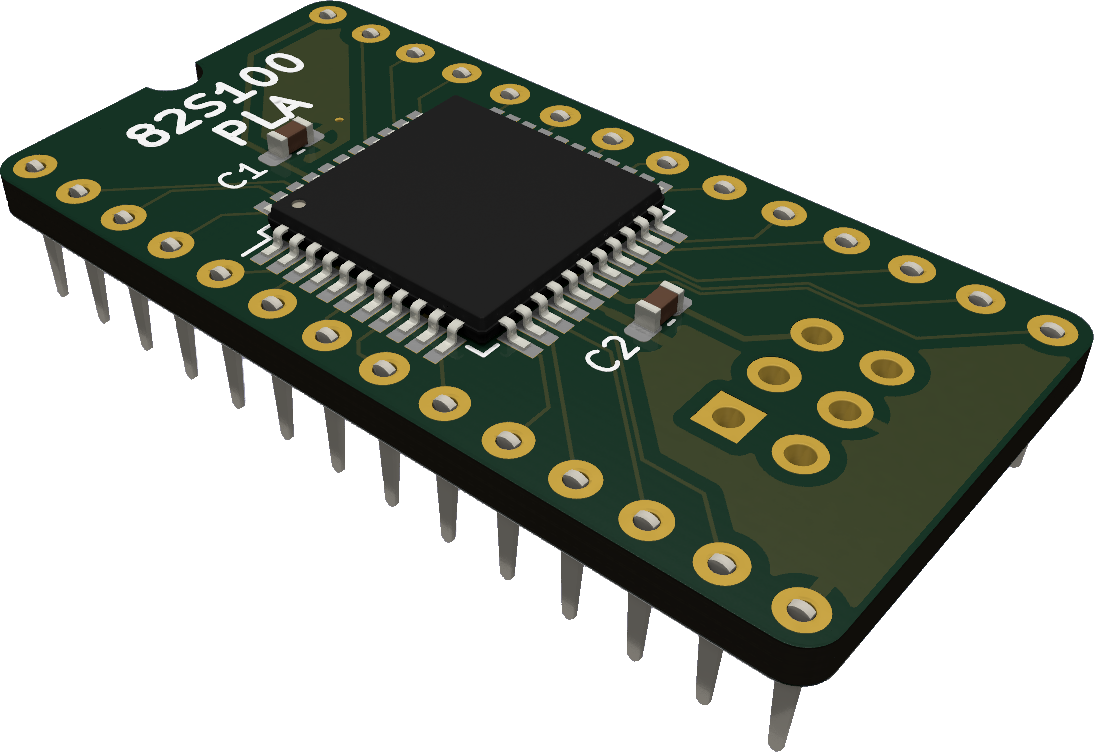
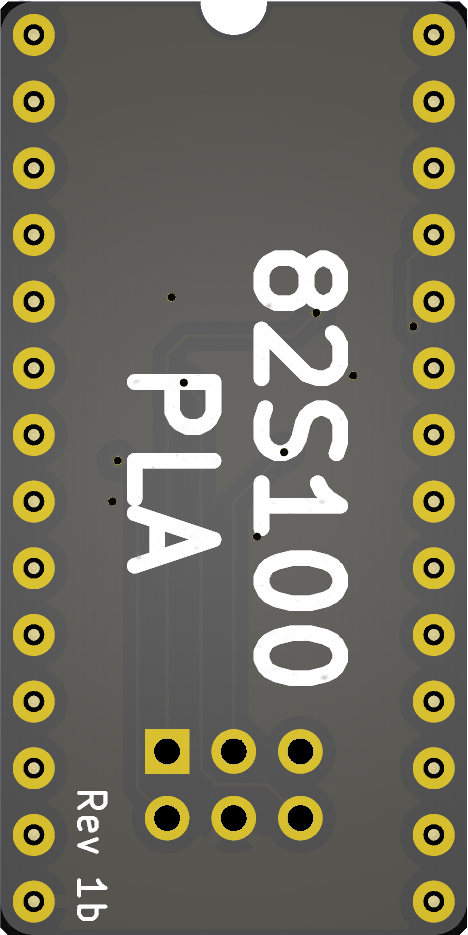
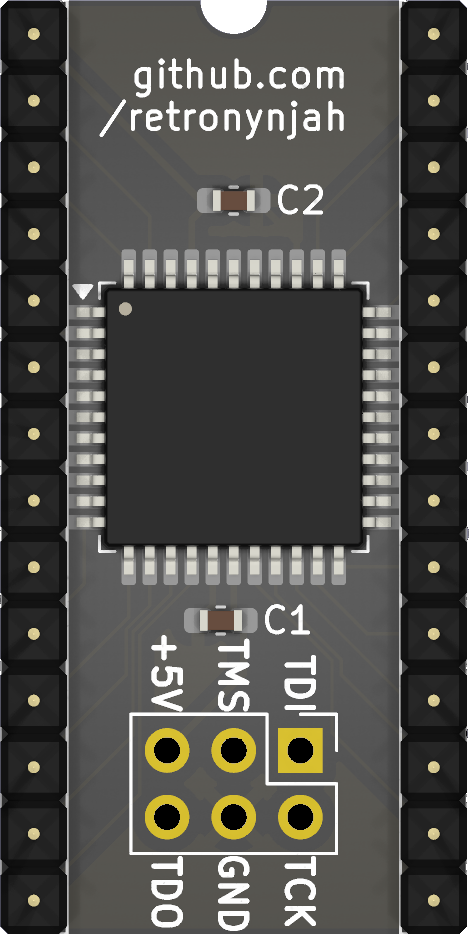
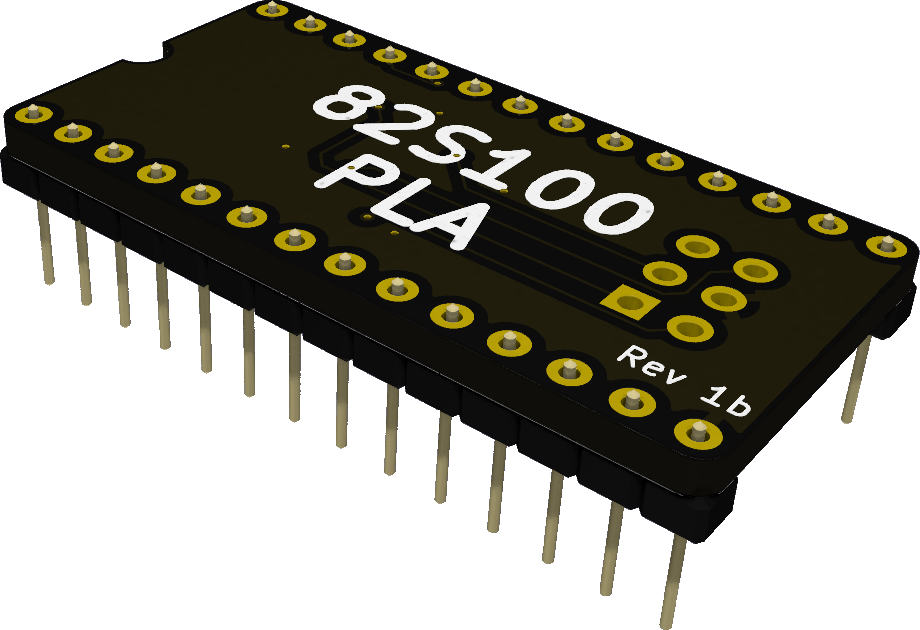
| Qty | Value | Footprint | References |
|---|---|---|---|
| 2 | 100n | Capacitor_SMD:C_0603_1608Metric_Pad1.08x0.95mm_HandSolder | C1, C2 |
| 1 | ATF1502 | Package_QFP:TQFP-44_10x10mm_P0.8mm | U1 |
| 1 | JTAG | Connector_PinHeader_2.54mm:PinHeader_2x03_P2.54mm_Vertical | J2 |
| 1 | OSHW | LOGO | Logo2 |
| 1 | PLA SOCKET | DIP-28_W15.24mm_BottomHeadersFlat:DIP-28_W15.24mm_BottomHeadersFlat | J1 |
| 1 | retroninja | LOGO | Logo |
RetroNynjah/82S100-PLA-replacement
ATF1502 based PLA replacement

byrantech/laptop
anyon_e, a highly integrated, high end, open source laptop. Attempt the impossible.


AxxAxx/AxxSolder
STM32 Based soldering station for JBC cartridges, 9-24 VDC and USB-PD power


jamro/tiny-engineer
A small desktop robot that brings an AI coding assistant to life, physically acting out when it reads files, thinks, writes code, and finishes work.

hoglet67/RGBtoHDMI
Bare-metal Raspberry Pi project that provides pixel-perfect sampling of Retro Computer RGB/YUV video and conversion to HDMI

It measures 17.8 × 35.6 mm and has 2 copper layers, 1.6 mm thick.
7 parts. The full list of its parts is on this page, with links to each part's symbol and footprint where PCBKit's library has them.
From the RetroNynjah/82S100-PLA-replacement repository on GitHub, at the commit this page was made from: the board is pcb_rev1/schematics/82S100 1502replacement Rev1.kicad_pcb and its schematic pcb_rev1/schematics/82S100 1502replacement Rev1.kicad_sch. PCBKit opens the board in the browser, with nothing to install.
Its repository publishes it under the GPL-3.0 licence: you may reuse it on that licence's terms (keep the author's notice, and for a copyleft licence share your changes alike).